
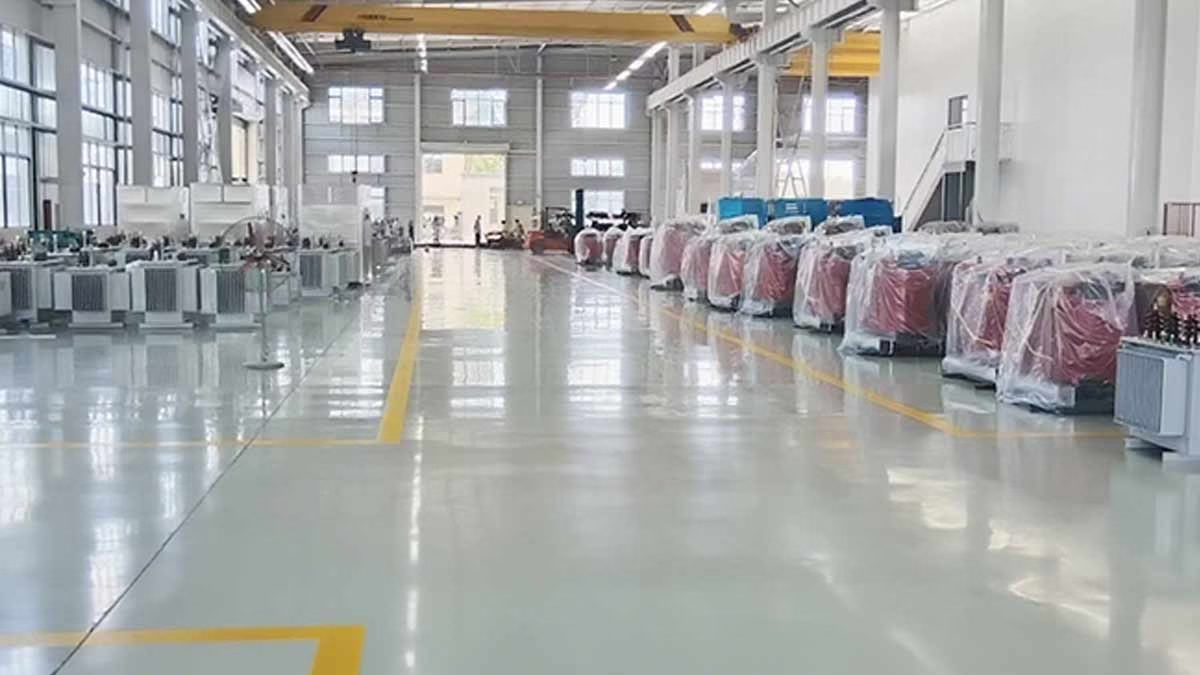
Choosing between oil immersed and dry type transformers is not a trivial decision—it is a cornerstone of project success, directly impacting operational efficiency, safety compliance, long-term profitability, and environmental sustainability. Oil-filled units stand out with superior heat dissipation capabilities and energy conversion efficiency, whereas dry type alternatives deliver unmatched safety for enclosed spaces, even if they come with slightly elevated energy loss rates. However, the true complexity of this choice extends far beyond these basic trade-offs. To make a decision that aligns with your project’s unique demands, you need to dive deep into the nuanced differences that influence performance, maintenance, costs, and application suitability. This guide breaks down every critical factor, equipping you with the authoritative insights needed to select the ideal transformer type for your needs.
Contents
hide
What Are the Core Differences in Efficiency and Performance Between Dry Type Transformer vs Oil Immersed Transformer?
The selection of a transformer type has a profound impact on energy conversion efficiency and overall operational performance—two factors that define how well your electrical system functions under varying load conditions and over extended periods. While oil immersed transformers have long been lauded for their robust efficiency and heat management, dry type transformers have evolved significantly, narrowing the gap through advanced material science and design innovations. To fully grasp their capabilities, it is essential to compare their core performance attributes from both a technical and practical standpoint.
Understanding Transformer Energy Conversion Efficiency
Transformer efficiency refers to the ratio of output power to input power, with higher ratios indicating minimal energy waste in the form of heat. This metric is not static; it fluctuates based on load levels, operating temperatures, and cooling mechanisms. Oil immersed transformers hold a traditional edge in this area, thanks to their liquid-based heat dissipation mechanism. The insulating oil inside these units does double duty: it acts as both an electrical insulator and a coolant, absorbing heat generated by the transformer’s windings and core, then transferring it to the surrounding environment through radiators, fans, or pumps. This efficient heat removal process keeps the transformer operating at optimal temperatures, reducing resistive losses (also known as copper losses) and core losses. Even under heavy load conditions, oil immersed transformers maintain stable efficiency levels, making them a top choice for high-power applications where energy conservation is a priority.
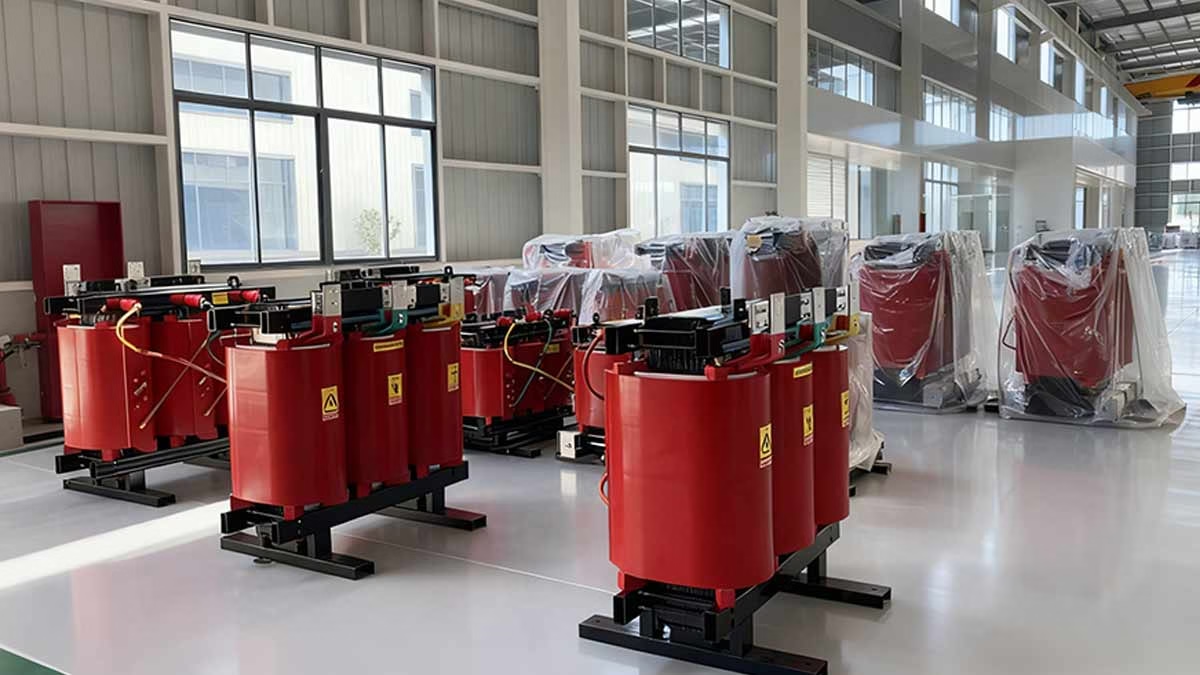
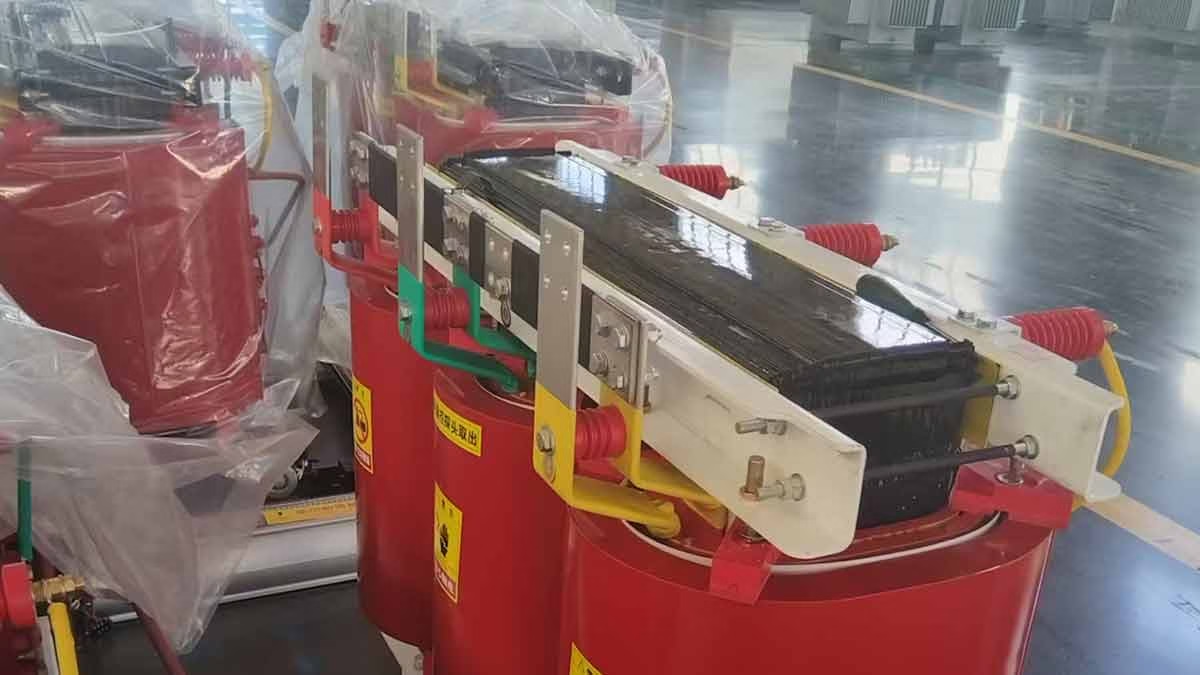
Dry type transformers, by contrast, rely on air as their primary cooling medium—either through natural convection (AN) or forced air circulation (AF) using fans. Air has a lower thermal conductivity than transformer oil, which means it is less effective at dissipating heat. This limitation often translates to higher energy losses, especially when the transformer is running at or near its rated capacity. However, technological advancements have transformed modern dry type transformers. The use of high-grade insulating materials like epoxy resin encapsulation has improved heat resistance and reduced energy leakage. Epoxy-encapsulated windings not only protect against dust and moisture but also enhance thermal stability, allowing dry type transformers to operate more efficiently than their older counterparts. In light-load scenarios, the efficiency gap between the two transformer types becomes even smaller, making dry type units a viable option for applications with variable load demands.
Performance Metrics Beyond Efficiency
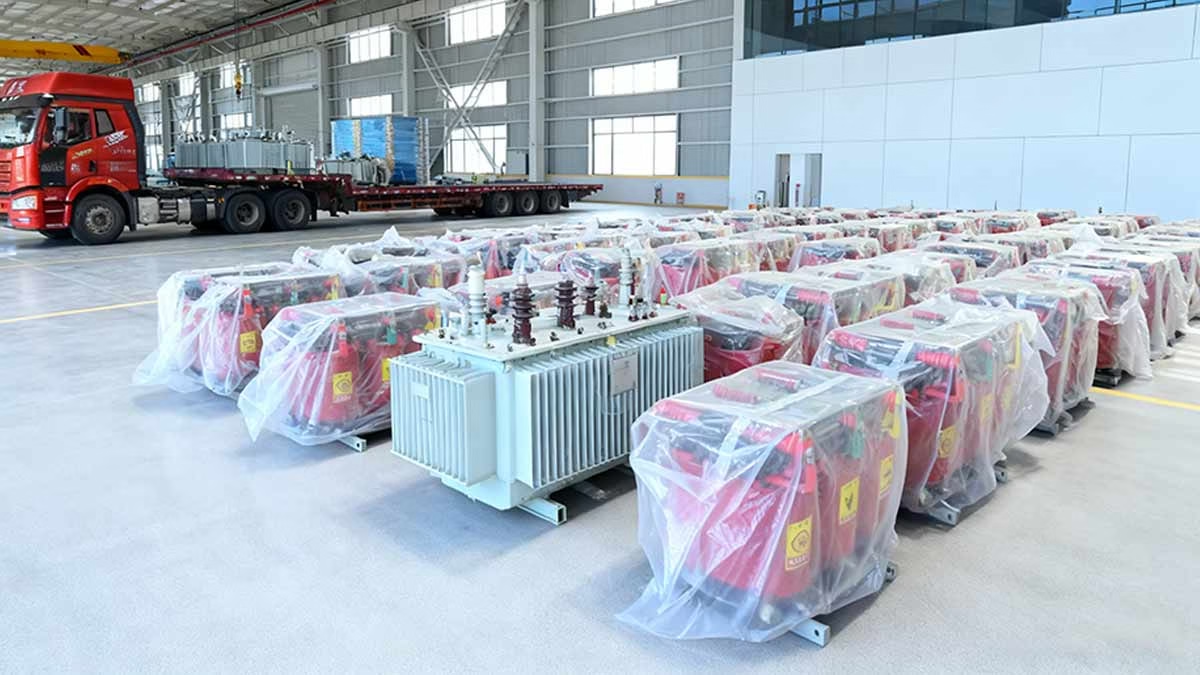
Performance encompasses more than just energy efficiency—it includes overload capacity, reliability, lifespan, and operational stability. Oil immersed transformers excel in handling peak loads and prolonged high-demand operations. Their liquid cooling system can absorb and dissipate the excess heat generated during overloads, preventing winding damage and ensuring consistent performance. This makes them ideal for large-scale applications such as utility-grade power distribution, industrial manufacturing plants, and outdoor substations, where high power ratings and continuous operation are standard requirements. With proper maintenance, oil immersed transformers can last for 30–40 years, a testament to their durability under harsh operating conditions.
Dry type transformers, while not as robust in overload scenarios, offer distinct performance advantages in safety-sensitive environments. Since they do not contain flammable insulating oil, they eliminate the risk of oil leaks, fires, and environmental contamination. This inherent safety makes them the preferred choice for indoor installations such as data centers, high-rise buildings, hospitals, shopping malls, and underground facilities—locations where fire safety regulations are stringent. Modern dry type transformers also feature rugged designs that resist corrosion, dust, and humidity, ensuring reliable performance in controlled indoor settings. Their encapsulated windings minimize the risk of electrical breakdown, further enhancing operational stability.
Side-by-Side Performance Comparison
| Aspect | Oil Immersed Transformers | Dry Type Transformers |
|---|---|---|
| Heat Dissipation Mechanism | Liquid (insulating oil) convection and conduction | Air convection (natural or forced) |
| Energy Conversion Efficiency | Higher overall, especially under heavy loads | Moderate; improved with epoxy encapsulation (narrowed gap) |
| Safety Profile | Risk of oil leaks, fire hazards, and environmental spills | No flammable components; zero fire risk; eco-friendly |
| Overload Handling Capacity | Superior; can withstand short-term overloads without damage | Limited; prolonged overloads may cause overheating |
| Operational Lifespan | 30–40 years (with regular maintenance) | 20–30 years (optimal in controlled indoor environments) |
Balancing Efficiency and Safety for Your Project
The ultimate goal is to strike a balance between energy efficiency and safety, based on your project’s specific constraints. If your project prioritizes maximum energy savings, has ample outdoor space for installation, and can accommodate regular maintenance, an oil immersed transformer is the optimal choice. Conversely, if your application requires installation in a confined indoor space, demands strict adherence to fire safety codes, or cannot tolerate the risk of environmental contamination, a dry type transformer delivers the peace of mind and compliance you need—even with slightly higher energy losses. Understanding how each transformer type performs under your project’s unique load and environmental conditions is the key to making a performance-driven decision.
How Do Maintenance Requirements Differ for Dry Type Transformer vs Oil Immersed Transformer?
Maintenance is a critical factor that influences the total cost of ownership, operational uptime, and lifespan of transformers. The maintenance needs of oil immersed and dry type transformers differ dramatically, rooted in their fundamental design and cooling mechanisms. Oil immersed units require proactive, regular servicing to maintain the integrity of their insulating oil, while dry type transformers boast a low-maintenance design that minimizes upkeep efforts and costs. A clear understanding of these differences is essential for project managers looking to optimize resource allocation and avoid unexpected downtime.
Maintenance Demands of Oil Immersed Transformers
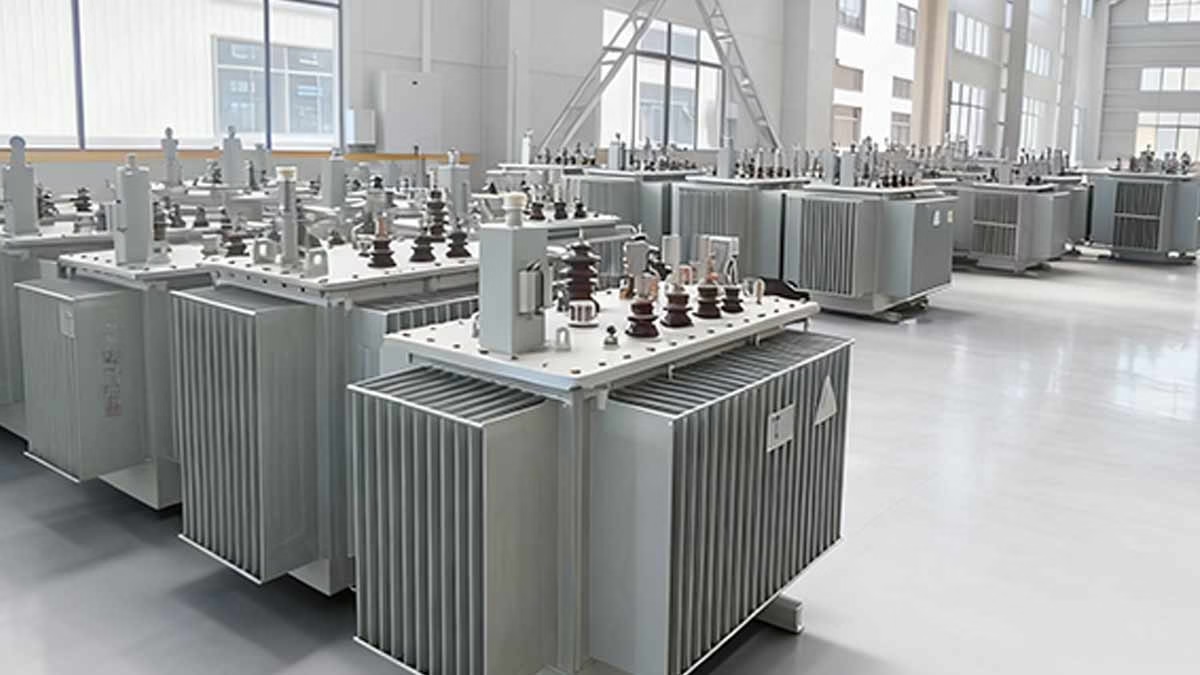
Oil immersed transformers are high-performance machines, but their reliance on insulating oil means they demand consistent, meticulous maintenance. The oil serves as both a coolant and an electrical insulator, and its condition directly impacts the transformer’s performance and safety. Over time, the oil can degrade due to high temperatures, moisture ingress, and contamination from dust, dirt, or dissolved gases. This degradation reduces the oil’s dielectric strength, increasing the risk of electrical breakdown, winding damage, and even transformer failure. As a result, oil immersed transformers require a comprehensive maintenance schedule that addresses oil quality, leak prevention, and cooling system functionality.
Key maintenance tasks for oil immersed transformers include:
- Oil Sampling and Laboratory Testing: This is the most critical maintenance activity for oil immersed units. Regular sampling (typically every 6–12 months, depending on operating conditions) and laboratory analysis are required to assess the oil’s dielectric strength, moisture content, acidity level, and presence of dissolved gases. If the oil fails to meet industry standards, it must be filtered, treated, or replaced to restore its insulating and cooling properties.
- Leak Inspection and Repair: Visual inspections for oil leaks are mandatory, as even small leaks can lead to environmental contamination, fire hazards, and reduced oil levels (which compromise cooling efficiency). Technicians must check sealants, gaskets, valves, and fittings for signs of wear or damage, and repair any leaks promptly to prevent further issues.
- Cooling System Servicing: Oil immersed transformers rely on cooling systems (radiators, fans, pumps) to dissipate heat. These components require regular checks to ensure they are functioning correctly—fans and pumps must be tested for motor health, radiators must be cleaned of debris to maintain airflow, and coolant levels must be verified.
- Winding and Core Inspections: Periodic electrical tests (such as insulation resistance tests and turns ratio tests) are needed to assess the condition of the transformer’s windings and core, ensuring there is no damage from overheating or electrical stress.
Maintenance Simplification with Dry Type Transformers
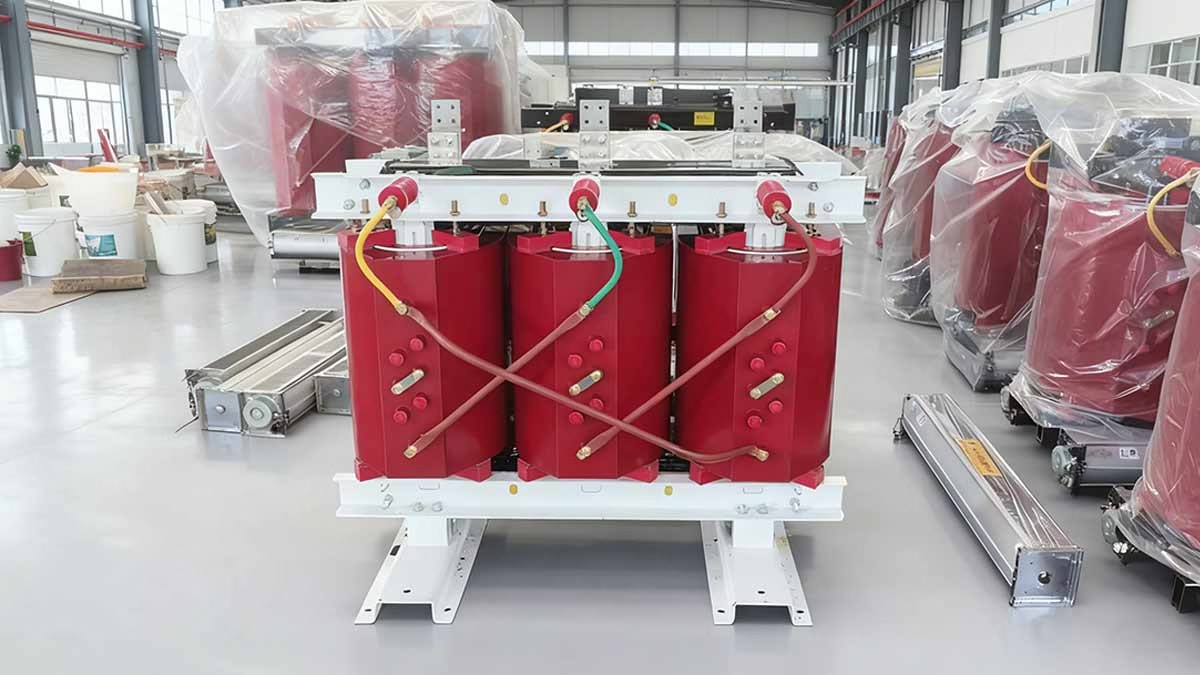
Dry type transformers are engineered for minimal maintenance, thanks to their encapsulated winding design and air-cooled mechanism. Unlike oil immersed units, they do not rely on liquid insulation, eliminating the need for oil testing, leak repairs, and oil disposal. Their windings are typically encapsulated in epoxy resin or cast resin, which creates a protective barrier against dust, moisture, and corrosion. This design reduces the risk of winding damage and ensures consistent performance with minimal upkeep.
Key maintenance tasks for dry type transformers include:
- Visual Inspections: Routine visual checks (every 12–24 months, depending on the environment) are sufficient to assess the transformer’s condition. Technicians look for signs of physical damage, overheating (discoloration of windings or enclosures), loose connections, and dust accumulation.
- Dust Removal and Cleaning: In dusty or industrial environments, dust can accumulate on the transformer’s windings and cooling fins, hindering heat dissipation. Occasional cleaning (using compressed air or vacuum cleaners) removes this dust, ensuring optimal thermal performance.
- Electrical Connection Tightening: Vibrations and thermal expansion can cause electrical connections to loosen over time. Periodic tightening of terminal bolts and connections prevents arcing, overheating, and power loss.
- Ventilation Checks: Dry type transformers depend on adequate airflow for cooling. Technicians must ensure that the installation area has unobstructed ventilation, with no objects blocking the transformer’s cooling vents or air intake.
Comparative Maintenance Analysis
| Aspect | Oil Immersed Transformers | Dry Type Transformers |
|---|---|---|
| Maintenance Frequency | High (monthly/quarterly oil checks; annual testing) | Low (annual/bi-annual visual inspections) |
| Core Maintenance Tasks | Oil sampling/testing, leak repairs, and cooling system servicing | Dust cleaning, visual inspections, and connection tightening |
| Risk Factors | Oil degradation, leaks, fire hazards, and environmental contamination | Dust accumulation (reduced heat dissipation), loose connections |
| Maintenance Costs | High (labor, oil testing, replacement parts, disposal fees) | Low (minimal labor, no specialized testing or parts) |
| Environmental Impact | Requires proper oil disposal (regulated waste); risk of spills | Eco-friendly; no liquid waste; zero contamination risk |
Maintenance as a Decision-Driver
For facilities with limited maintenance staff or budgets, dry type transformers offer a clear advantage—their low-maintenance design reduces labor costs, eliminates the need for specialized oil testing equipment, and minimizes downtime associated with servicing. For facilities that prioritize maximum efficiency and have dedicated maintenance teams to manage oil-related tasks, oil immersed transformers remain a viable option. Ultimately, your project’s maintenance capabilities and resources should play a central role in your transformer selection process.
What Are the Cost Implications of Dry Type Transformer vs Oil Immersed Transformer Over the Lifecycle?
Cost is a primary consideration for any project, and selecting between dry type and oil immersed transformers requires a lifecycle cost analysis (LCC)—not just a comparison of upfront purchase prices. While oil immersed transformers typically have lower initial costs, their long-term maintenance and operational expenses can add up. Dry type transformers, on the other hand, come with higher upfront price tags but deliver significant savings over their lifespan. To make a cost-effective decision, you must evaluate three key cost components: upfront procurement and installation costs, operational and maintenance costs, and replacement and downtime costs.
Upfront Procurement and Installation Costs
The initial cost of a transformer includes the purchase price, shipping fees, and installation expenses—all of which vary significantly between the two types.
- Oil Immersed Transformers: These units have a lower upfront purchase price, driven by their widespread use in the industry, mature manufacturing processes, and reliance on cost-effective materials. The global supply chain for oil immersed transformers is well-established, which further reduces procurement costs. Installation costs are also relatively low, provided the transformer is installed outdoors (where there is ample space for cooling systems and leak containment). However, if installation requires an indoor space, additional costs are incurred for leak-proof containment systems, fire suppression equipment, and environmental safeguards—costs that can offset the initial savings.
- Dry Type Transformers: Dry type transformers have a higher upfront purchase price, primarily due to their specialized design and materials. Epoxy resin encapsulation, fire-resistant components, and advanced winding technology all contribute to higher manufacturing costs. Installation costs, however, are often lower than those of oil immersed units, especially for indoor applications. Since dry type transformers do not require leak containment or fire suppression systems, they can be installed directly in enclosed spaces without additional modifications. For outdoor installations, dry type transformers may require weatherproof enclosures, which add to installation costs—but these costs are still typically lower than the containment costs for oil immersed units.
Operational and Maintenance Costs
Operational costs include energy losses during operation, while maintenance costs cover labor, testing, parts, and waste disposal. Together, these costs make up the largest portion of a transformer’s lifecycle expenses.
- Oil Immersed Transformers: Their higher energy conversion efficiency translates to lower operational costs—less energy is wasted as heat, resulting in reduced electricity bills over time. However, their maintenance costs are significantly higher. Regular oil testing, filter replacements, leak repairs, and cooling system servicing all require labor and specialized equipment. Additionally, oil disposal is a regulated process that incurs fees, especially if the oil is contaminated. Over a 20-year lifespan, these maintenance costs can far exceed the initial savings from the lower purchase price.
- Dry Type Transformers: While dry type transformers have slightly higher operational costs (due to elevated energy losses), their maintenance costs are minimal. With no oil to test or replace, no leaks to repair, and no specialized cooling systems to service, the only ongoing costs are periodic visual inspections and dust cleaning. For facilities with tight maintenance budgets, this low-maintenance profile translates to substantial long-term savings. In light-load applications, the operational cost gap between the two types is negligible, making dry type transformers an even more cost-effective choice.
Replacement and Downtime Costs
The lifespan of a transformer and the cost of downtime during failures or replacements are often overlooked but critical cost factors.
- Oil Immersed Transformers: With proper maintenance, oil immersed transformers can last 30–40 years, longer than most dry type units. However, if maintenance is neglected, oil degradation or leaks can lead to premature failure, resulting in costly replacements. Downtime during failure can be particularly expensive for industrial facilities, as it disrupts production lines and leads to lost revenue. Additionally, replacing an oil immersed transformer requires proper disposal of the old oil, which adds to replacement costs.
- Dry Type Transformers: Dry type transformers have a lifespan of 20–30 years, slightly shorter than oil immersed units, but they are less prone to premature failure due to their robust, encapsulated design. Their low-maintenance profile reduces the risk of unexpected breakdowns, minimizing downtime. When replacement is needed, there are no liquid waste disposal costs, and the installation process is faster, further reducing downtime and replacement expenses.
Lifecycle Cost Comparison Table
| Cost Component | Oil Immersed Transformers | Dry Type Transformers |
|---|---|---|
| Upfront Purchase Price | Lower | Higher |
| Installation Costs | Low (outdoor); high (indoor with containment) | Low (indoor); moderate (outdoor with enclosure) |
| Operational Costs (Energy Losses) | Lower | Moderate |
| Maintenance Costs | High (oil testing, repairs, disposal) | Low (inspections, cleaning) |
| Lifespan | 30–40 years (with maintenance) | 20–30 years |
| Replacement/Downtime Costs | High (disposal fees, production losses) | Low (no disposal fees, minimal downtime) |
Cost Optimization Strategies
The key to cost optimization is matching the transformer type to your project’s lifecycle priorities. If your project has a long lifespan (30+ years) and a dedicated maintenance budget, an oil immersed transformer will deliver lower total lifecycle costs due to its high efficiency and long lifespan. If your project has a shorter lifespan (20 years or less) or limited maintenance resources, a dry type transformer is the more cost-effective option, as its low maintenance costs offset the higher upfront price. For indoor installations, dry type transformers often provide the best value, as they eliminate the need for expensive containment and fire suppression systems.
Which Is Better for Your Application: Dry Type Transformer vs Oil Immersed Transformer?
There is no universal “best” transformer type—only the best transformer for your specific application. The ideal choice depends on a range of factors, including installation location, load requirements, safety regulations, environmental constraints, and maintenance capabilities. By evaluating these factors against the strengths and weaknesses of each transformer type, you can select a unit that optimizes performance, safety, and cost for your project.
Factor 1: Installation Location
The most critical factor in transformer selection is installation location, as it dictates safety requirements and cooling feasibility.
- Outdoor Installations: Oil immersed transformers are the gold standard for outdoor applications such as utility substations, industrial plant yards, and renewable energy farms. Their superior heat dissipation capabilities make them ideal for continuous, high-load operation in open spaces. The risk of oil leaks is manageable with proper containment systems, and the outdoor environment provides ample airflow for cooling. Dry type transformers can also be used outdoors, but they require weatherproof enclosures to protect against moisture and dust, adding to the installation cost.
- Indoor Installations: Dry type transformers are the preferred choice for indoor spaces such as data centers, high-rise buildings, hospitals, shopping centers, and underground facilities. Their non-flammable design complies with strict fire safety codes (such as NFPA standards), eliminating the risk of fire or oil spills in confined areas. Oil immersed transformers are generally not recommended for indoor installations unless specialized containment and fire suppression systems are installed—measures that are often prohibitively expensive and space-consuming.
Factor 2: Load Requirements
Load capacity and variability play a key role in determining which transformer type can meet your project’s power demands.
- High-Load, Continuous Operation: For applications requiring high power ratings (10 MVA and above) and continuous operation—such as large manufacturing plants, steel mills, and utility power distribution—oil immersed transformers are the optimal choice. Their liquid cooling system can handle the heat generated by heavy loads, ensuring stable performance and minimal energy loss.
- Medium-Load, Variable Operation: For applications with medium power ratings (below 10 MVA) and variable load demands—such as commercial buildings, small factories, and data centers—dry type transformers are well-suited. Their compact design and low-maintenance profile make them ideal for these applications, and advancements in materials have improved their efficiency under variable load conditions.
Factor 3: Safety and Environmental Regulations
Compliance with safety and environmental regulations is non-negotiable, and each transformer type has distinct advantages in this area.
- Stringent Fire Safety Codes: In locations where fire safety is a top priority—such as hospitals, schools, and high-density residential buildings—dry type transformers are mandatory. Their non-flammable design eliminates the risk of fire, even in the event of a fault. Oil immersed transformers, with their flammable oil, are often prohibited in these environments.
- Environmental Protection Zones: In ecologically sensitive areas—such as wetlands, water bodies, and wildlife reserves—dry type transformers are the preferred choice. They pose no risk of oil spills, which can cause severe environmental damage. Oil immersed transformers can be used in these areas only if they are equipped with double-walled containment systems to prevent leaks—a costly requirement.
Factor 4: Maintenance Capabilities
Your facility’s maintenance capabilities should directly influence your transformer selection.
- Dedicated Maintenance Teams: If your facility has a team of trained technicians and a budget for regular maintenance, oil immersed transformers are a viable option. Their maintenance needs are well-documented, and with proper servicing, they can deliver decades of reliable performance.
- Limited Maintenance Resources: If your facility has minimal maintenance staff or a tight maintenance budget, dry type transformers are the better choice. Their low-maintenance design requires no specialized training or equipment, reducing the burden on your team and minimizing operational costs.
Application-Specific Recommendations
| Application | Recommended Transformer Type | Key Rationale |
|---|---|---|
| Utility Substations (Outdoor) | Oil Immersed | High efficiency, high load capacity, long lifespan |
| Data Centers (Indoor) | Dry Type | Fire safety, low maintenance, compact design |
| High-Rise Buildings | Dry Type | Compliance with fire codes, no spill risk |
| Industrial Manufacturing Plants (Heavy Load) | Oil Immersed | Overload handling, high efficiency |
| Renewable Energy Farms (Solar/Wind) | Oil Immersed | High power ratings, outdoor suitability |
| Hospitals and Healthcare Facilities | Dry Type | Fire safety, minimal downtime |
| Small Commercial Buildings | Dry Type | Low maintenance, cost-effective for medium loads |
Conclusion
Choosing between dry type transformer vs oil immersed transformer is a decision that requires a holistic analysis of performance, maintenance, cost, and application suitability. Oil immersed transformers shine in outdoor, high-load applications where efficiency and long lifespan are priorities, but they demand regular maintenance and pose fire and environmental risks. Dry type transformers excel in indoor, safety-sensitive environments where low maintenance and compliance are critical, even with slightly higher energy losses.
There is no one-size-fits-all solution—your choice must align with your project’s unique requirements, from installation location and load demands to maintenance capabilities and budget constraints. By leveraging the insights in this guide, you can make an informed decision that not only ensures project success but also delivers long-term value and reliability for your electrical system.
To summarize, the right transformer is the one that balances your project’s immediate needs with its long-term goals—whether that means prioritizing efficiency, safety, cost, or compliance.