
Transformers serve as the cornerstone of electrical power distribution networks, enabling the seamless and efficient transmission of electric energy across vast distances and varying voltage levels. Among the diverse array of transformer technologies available today, oil immersed transformers have emerged as a staple in high-demand, critical power applications, thanks to their exceptional reliability, robust thermal management, and extended service lifespans. Yet, many industry professionals and facility managers grapple with questions about how these transformers operate, what sets them apart from alternative solutions, and how to maintain them for optimal performance. Making suboptimal choices in transformer selection or neglecting routine upkeep can lead to costly system outages, diminished energy efficiency, and premature equipment failure. The key to mitigating these risks and maximizing the value of power infrastructure lies in a comprehensive understanding of oil immersed transformers—their design, functionality, benefits, and best practices for long-term operation.
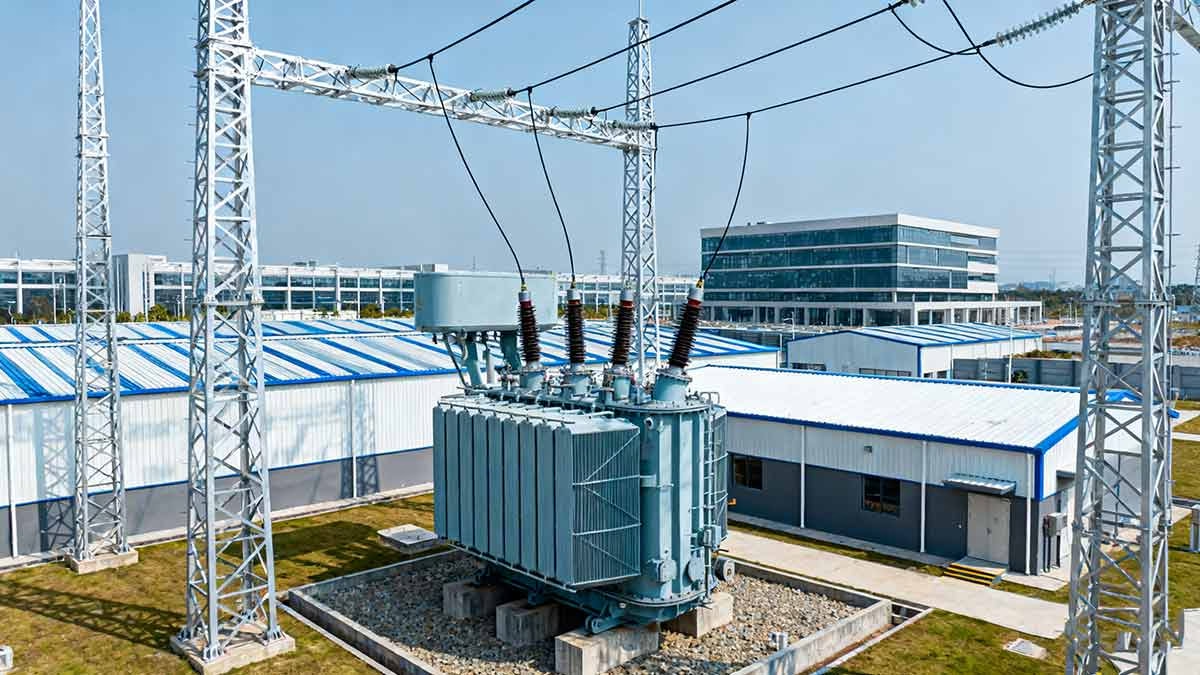
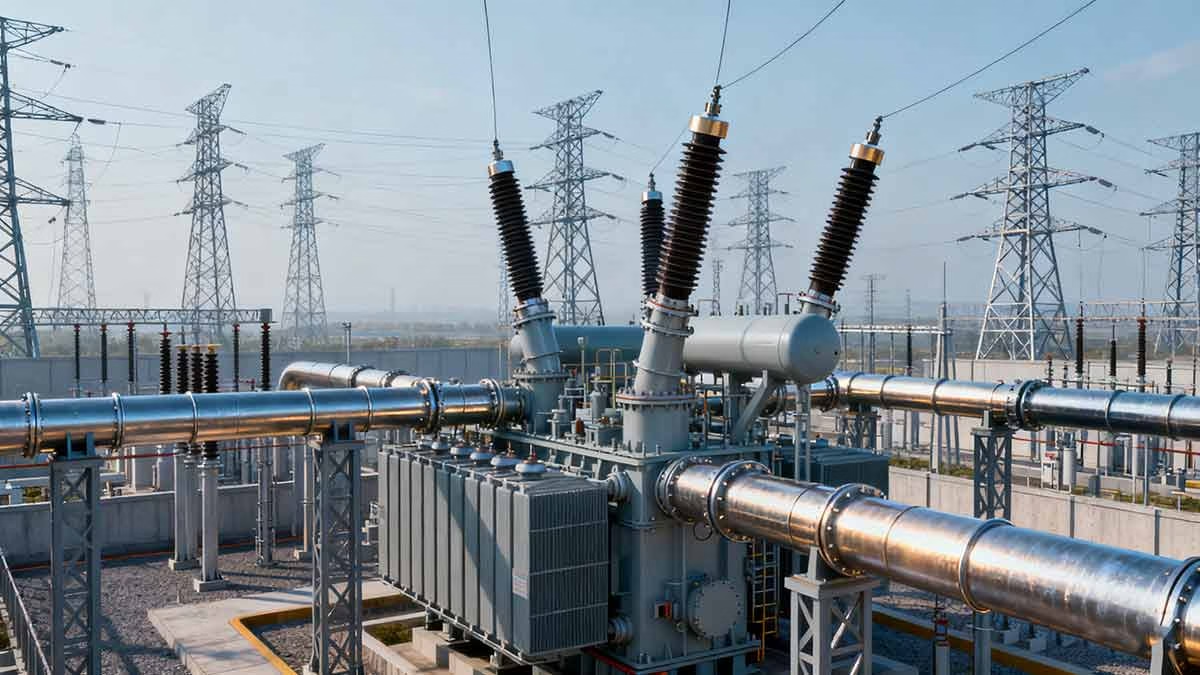
An oil immersed transformer, often referred to as a liquid-cooled transformer, leverages specialized mineral oil as a dual-purpose medium: it not only insulates sensitive internal components from electrical short circuits but also dissipates heat generated during operation to sustain stable performance. This unique combination of insulation and cooling capabilities is what makes oil immersed transformers a preferred choice for large-scale power grids, industrial facilities, and heavy-duty electrical applications.
To truly appreciate the value that oil immersed transformers bring to modern power systems, it is essential to delve into their core mechanics, comparative advantages, maintenance requirements, real-world applications, and environmental considerations. This guide aims to address all these critical aspects, providing authoritative answers to the most pressing questions surrounding oil immersed transformers.
Contents
hide
What Is an Oil Immersed Transformer?
An oil immersed transformer is a type of static electrical device engineered to transfer electrical energy between two or more circuits through the principle of electromagnetic induction, with its core and winding assemblies fully submerged in a liquid insulating and cooling medium—typically high-quality mineral oil. Unlike other transformer variants, this liquid immersion is not an auxiliary feature but a foundational design element that dictates the device’s performance, durability, and application scope.
These transformers are a linchpin in electrical infrastructure, supporting the uninterrupted operation of power substations, manufacturing plants, commercial complexes, and utility-scale energy projects. The mineral oil within the transformer’s tank serves three primary functions that are critical to its operation: first, it acts as a superior electrical insulator, preventing arcing and short circuits between conductive components; second, it absorbs and transfers heat away from the core and windings, preventing overheating that could degrade insulation materials; third, it creates a sealed environment that inhibits moisture and air from infiltrating the transformer, thereby reducing the risk of oxidation and corrosion of internal parts.
The construction of an oil immersed transformer is tailored to maximize the benefits of liquid cooling and insulation. Its robust design allows it to withstand harsh operating conditions, including extreme temperatures, voltage fluctuations, and temporary overloads, making it ideal for both outdoor and indoor installations (with appropriate safety safeguards in place). For facility managers and power engineers, understanding the basic definition and core functions of oil immersed transformers is the first step in making informed decisions about transformer selection and deployment.
How Does an Oil Immersed Transformer Work?
The operational framework of an oil immersed transformer is rooted in the fundamental physics of electromagnetic induction, but its liquid immersion design elevates its efficiency and reliability far beyond that of air-cooled alternatives. At its core, the device relies on two sets of windings—primary and secondary—wound around a laminated steel core. When alternating current (AC) flows through the primary winding, it generates a changing magnetic flux within the core. This fluctuating flux induces a voltage in the secondary winding, enabling the transformer to step up or step down voltage levels according to the requirements of the power distribution network.
What sets oil immersed transformers apart is the role of mineral oil in optimizing this electromagnetic process. The oil completely envelops the core and windings, serving three interconnected critical roles that enhance operational performance:
- Efficient Heat Dissipation: During operation, the core and windings generate heat due to energy losses from hysteresis (magnetic friction in the core) and eddy currents (circulating currents in the core and windings). The mineral oil absorbs this heat, then circulates either naturally (through convection currents) or via forced systems (such as pumps) to the transformer’s radiators or cooling fins. Once the oil reaches these external components, it releases heat into the surrounding air, cooling down before flowing back to the core and windings to repeat the cycle. This continuous cooling process prevents the transformer from overheating, which is a leading cause of insulation degradation and equipment failure.
- Superior Electrical Insulation: In high-voltage applications, maintaining strict electrical isolation between conductive parts is non-negotiable. Mineral oil has a much higher dielectric strength than air, meaning it can withstand greater electrical stress without breaking down and allowing current to leak. This robust insulation capability reduces the risk of short circuits, even in high-voltage and high-load scenarios, enhancing the transformer’s safety and reliability.
- Moisture and Contaminant Protection: Moisture is a significant threat to transformer performance, as it can reduce the dielectric strength of insulation materials and accelerate corrosion. The sealed oil-filled tank of an oil immersed transformer creates a barrier that prevents moisture, dust, and other contaminants from entering the internal components, preserving the integrity of the core and windings over time.
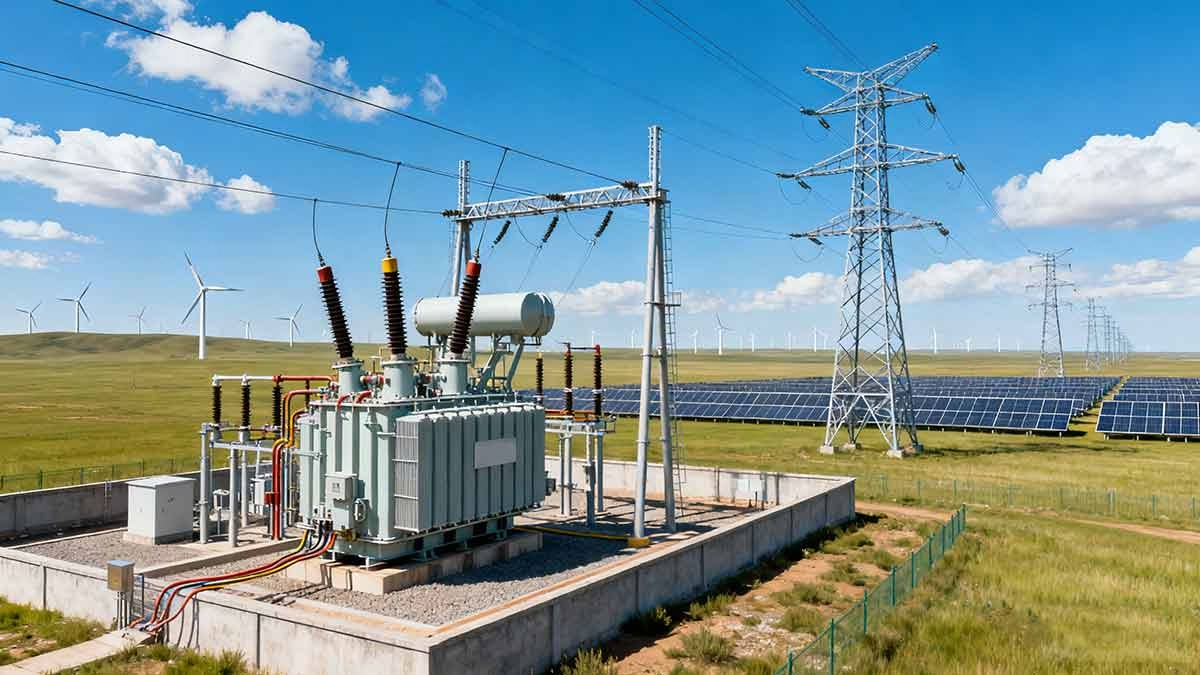
To fully support these functions, an oil immersed transformer incorporates several key components that work in tandem to ensure seamless operation:
- Laminated Steel Core: Fabricated from thin layers of silicon steel, the core minimizes eddy current losses, which are a major source of heat and energy waste in transformers. The laminations are insulated from one another to break up current pathways, reducing energy dissipation and improving overall efficiency.
- Conductive Windings: Typically made from high-purity copper or aluminum, the windings are wound around the core in a precise configuration to optimize magnetic flux transfer. Copper windings offer lower resistance and higher conductivity, making them ideal for high-efficiency applications, while aluminum windings provide a cost-effective alternative for less demanding scenarios.
- Sealed Oil Tank: A heavy-duty metal tank that houses the core, windings, and mineral oil. The tank is designed to withstand internal pressure changes caused by oil expansion and contraction during temperature fluctuations, and it is equipped with robust seals to prevent oil leaks.
- Radiators/Cooling Fins: Attached to the exterior of the oil tank, these components increase the surface area for heat exchange, enabling efficient dissipation of heat from the oil to the surrounding environment.
- Conservator Tank: A small auxiliary tank mounted atop the main transformer tank. It accommodates the expansion and contraction of the mineral oil as temperatures rise and fall, ensuring that the main tank remains fully filled with oil at all times and preventing air from entering the system.
By integrating these components with the dual-purpose mineral oil medium, oil immersed transformers achieve a level of operational stability and efficiency that is unmatched by many other transformer technologies.
Key Advantages of Oil Immersed Transformers
Oil immersed transformers offer a suite of compelling benefits that make them the go-to solution for large-scale, high-demand power applications. These advantages stem directly from their liquid cooling and insulation design, and they translate into tangible value for utility companies, industrial facilities, and infrastructure projects in terms of performance, cost savings, and longevity.
Superior Thermal Management and High Efficiency
The most prominent advantage of oil immersed transformers is their exceptional heat dissipation capability. Mineral oil has a higher specific heat capacity than air, meaning it can absorb more heat per unit volume before its temperature rises. This allows the transformer to operate at lower core and winding temperatures, even under heavy loads, which directly translates to higher energy efficiency. Most modern oil immersed transformers boast efficiency ratings of 98% or higher, depending on their design, size, and operating conditions. Lower operating temperatures also reduce the rate of insulation degradation, extending the transformer’s service life and reducing the need for frequent repairs.
Extended Service Lifespan
With proper maintenance, oil immersed transformers can operate reliably for 20 to 30 years or more, far exceeding the lifespan of many dry type transformers. The mineral oil medium protects the core and windings from moisture, oxidation, and corrosion, while the robust construction of the transformer tank shields internal components from external environmental factors such as dust, debris, and extreme weather conditions. This long service life means that while oil immersed transformers may have a higher initial purchase cost than some alternatives, they deliver significant cost savings over their lifecycle.
High Overload Capacity
In many power distribution scenarios, transformers are required to handle temporary overloads during peak demand periods—for example, during hot summer months when air conditioning usage surges, or in industrial facilities during production ramp-ups. Oil immersed transformers excel in these situations due to their superior thermal management. The mineral oil can absorb excess heat generated by overloads, preventing the transformer from overheating and shutting down. This ability to withstand short-term overloads without compromising performance makes oil immersed transformers a reliable choice for critical power applications where downtime is not an option.
Cost-Effective Lifecycle Management
While the upfront cost of an oil immersed transformer is often higher than that of a dry type transformer, the long-term cost of ownership is significantly lower. The extended service life, high efficiency, and low maintenance requirements of oil immersed transformers reduce the total cost of ownership over time. Lower energy losses translate to reduced electricity bills for facility managers, while fewer repairs and replacements minimize maintenance costs and downtime-related losses. For large-scale applications, these savings can be substantial, making oil immersed transformers a cost-effective investment in the long run.
Versatile Installation Flexibility
Oil immersed transformers are highly versatile in terms of installation location. They can be deployed outdoors without the need for specialized enclosures, thanks to their robust tank design that withstands rain, snow, and extreme temperatures. For indoor installations, they can be housed in ventilated rooms with appropriate safety measures (such as oil containment systems to prevent leaks) to ensure compliance with fire and safety regulations. This flexibility makes them suitable for a wide range of applications, from outdoor power substations to indoor industrial facilities.
Durability in Harsh Environments
Oil immersed transformers are engineered to withstand harsh operating conditions, including high humidity, dust, and corrosive atmospheres. The sealed oil tank prevents contaminants from entering the internal components, while the mineral oil provides a protective barrier against corrosion. This durability makes them ideal for use in remote locations, coastal areas, and industrial settings where environmental conditions are challenging.
These advantages collectively position oil immersed transformers as a reliable, efficient, and cost-effective solution for modern power distribution systems. For any project that requires consistent, high-performance power transfer, oil immersed transformers offer a level of value that is difficult to match with alternative technologies.
Differences Between Oil Immersed Transformers and Dry Type Transformers
One of the most common questions among power engineers and facility managers is how oil immersed transformers compare to dry type transformers, and which technology is best suited for their specific needs. While both types of transformers perform the same core function of voltage transformation, their design, cooling methods, and performance characteristics differ significantly. The following comparison highlights the key distinctions between the two technologies, helping stakeholders make informed decisions based on their application requirements, budget constraints, and operating conditions.
| Key Characteristic | Oil Immersed Transformer | Dry Type Transformer |
|---|---|---|
| Cooling Medium | High-purity mineral oil (or synthetic biodegradable oil) | Ambient air or synthetic resin insulation |
| Energy Efficiency | 98% or higher, due to superior heat dissipation, reducing energy losses | Typically 95% to 97%, as air cooling is less efficient at heat removal |
| Installation Location | Outdoor or indoor (with oil containment and safety measures) | Primarily indoor, as they are sensitive to dust, moisture, and extreme temperatures |
| Initial Cost | Higher upfront cost due to robust construction and oil-filled design | Lower initial cost, as the design is simpler and does not require a sealed tank or oil medium |
| Lifecycle Cost | Lower total cost of ownership, thanks to long lifespan and high efficiency | Higher lifecycle cost, due to shorter service life and higher energy losses over time |
| Maintenance Requirements | Regular oil testing and inspection to monitor for moisture, acidity, and dielectric strength; periodic seal checks to prevent leaks | Minimal maintenance, primarily limited to visual inspections and cleaning of cooling fins; no oil-related maintenance required |
| Overload Capacity | High—can withstand short-term overloads due to effective heat absorption by oil | Low—limited overload capacity, as air cooling cannot dissipate excess heat quickly |
| Fire Safety | Requires safety measures such as oil containment tanks and fire-resistant enclosures for indoor use, as mineral oil is flammable | Inherently safer for indoor use, as they do not use flammable cooling mediums; some models are rated for fire-resistant applications |
The choice between oil immersed and dry type transformers ultimately depends on the specific needs of the application. For large-scale outdoor power substations, industrial facilities with high power demands, and critical infrastructure projects where reliability and efficiency are paramount, oil immersed transformers are the preferred option. For small-scale indoor applications with low power requirements, where initial cost and fire safety are top priorities, dry type transformers may be a more suitable choice.
Maintenance Practices for Oil Immersed Transformers
Proper maintenance is the key to maximizing the lifespan, efficiency, and reliability of oil immersed transformers. Neglecting routine upkeep can lead to a host of problems, including oil degradation, insulation failure, overheating, and costly system outages. A proactive maintenance program focuses on monitoring the condition of the mineral oil, cooling system, and sealed components, and it involves both routine inspections and advanced diagnostic techniques to detect potential issues before they escalate into major failures.
Routine Maintenance Tasks
Routine maintenance for oil immersed transformers should be performed at regular intervals, as specified by the manufacturer and industry standards. These tasks are designed to keep the transformer operating within optimal parameters and to identify minor issues before they become critical.
- Regular Oil Testing
The mineral oil in an oil immersed transformer is the lifeblood of the device, so monitoring its condition is essential. Oil testing should be conducted annually, or more frequently for transformers operating in harsh environments or critical applications. Key tests include:
- Dielectric Strength Test: Measures the oil’s ability to withstand electrical stress; a drop in dielectric strength indicates contamination by moisture or impurities.
- Acidity Test: Checks the acid content of the oil; high acidity levels can corrode internal components and degrade insulation materials.
- Moisture Content Test: Excessive moisture in the oil reduces its dielectric strength and accelerates insulation degradation; this test ensures moisture levels remain within acceptable limits.
- Particle Count Test: Identifies solid contaminants such as dust or metal particles in the oil, which can cause abrasion of internal components and reduce insulation performance.
Temperature Monitoring
Continuous temperature monitoring is critical to preventing overheating. Transformers should be equipped with temperature sensors that track the temperature of the oil and the core. If temperatures exceed recommended limits, it may indicate a problem with the cooling system, a load that is too high, or insulation degradation. Regular visual inspections of temperature gauges and remote monitoring systems can help detect abnormal temperature rises early.
Seal and Tank Inspections
Oil leaks are a common issue in oil immersed transformers, and they can lead to oil loss, moisture ingress, and environmental contamination. Routine inspections should include checking all seals, gaskets, and connections for signs of leaks. Cracked or worn seals should be replaced immediately to prevent further damage. Additionally, the transformer tank should be inspected for corrosion, dents, or other physical damage that could compromise its structural integrity.
Cooling System Maintenance
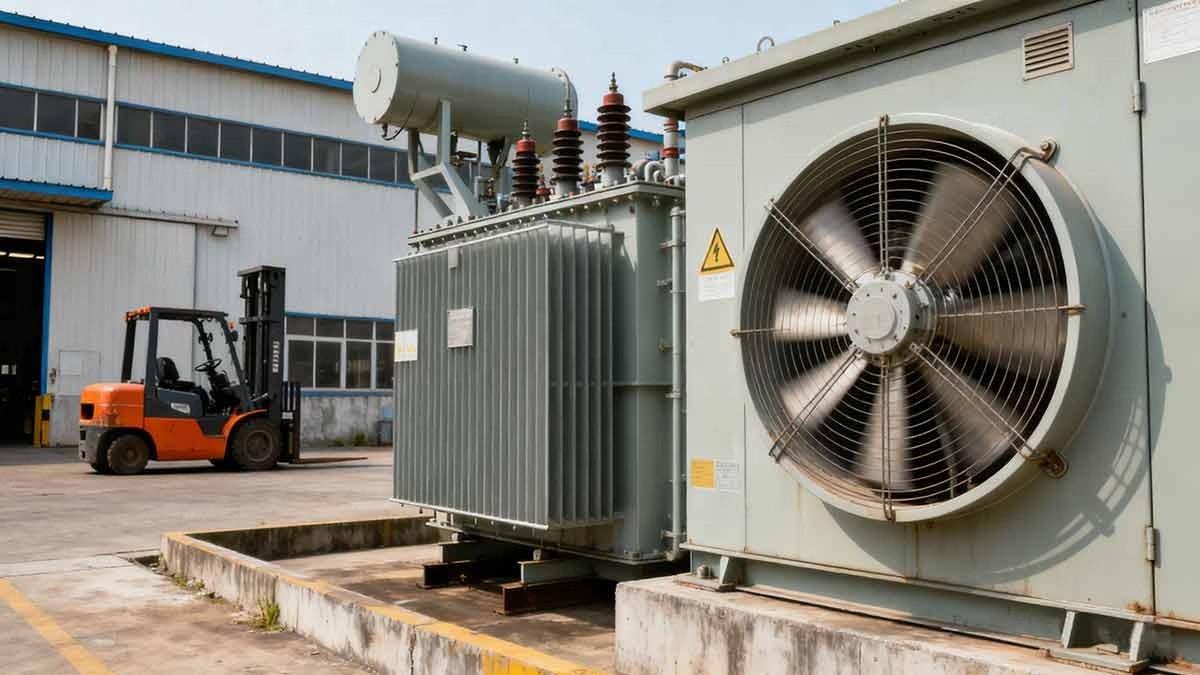
The radiators and cooling fins of the transformer must be kept clean and free of debris to ensure efficient heat dissipation. Dust, leaves, and other contaminants can clog the cooling fins, reducing heat transfer efficiency and causing the transformer to overheat. Routine cleaning with compressed air or water (taking care to avoid electrical components) can help maintain optimal cooling performance. For transformers with forced cooling systems (e.g., fans or pumps), these components should be inspected regularly to ensure they are functioning correctly.
Advanced Monitoring Techniques
In addition to routine maintenance tasks, advanced diagnostic techniques can provide deeper insights into the condition of an oil immersed transformer, enabling predictive maintenance and reducing the risk of unplanned downtime.
Dissolved Gas Analysis (DGA)
DGA is a powerful diagnostic tool that involves analyzing the gases dissolved in the transformer oil. When a transformer experiences overheating, insulation breakdown, or arcing, it produces characteristic gases such as hydrogen, methane, ethane, and ethylene. By measuring the concentration and ratio of these gases, engineers can identify the type and severity of potential issues—such as overloaded windings, core hotspots, or insulation degradation—before they lead to failure. DGA is typically performed every 6 to 12 months for critical transformers, and it is a cornerstone of predictive maintenance programs.
Thermographic Scanning
Thermographic scanning, also known as infrared imaging, is a non-invasive technique that detects hotspots in the transformer without disrupting its operation. An infrared camera captures images of the transformer’s exterior, and temperature variations indicate areas of abnormal heat generation—such as loose connections, overloaded windings, or cooling system failures. Thermographic scanning can be performed during routine inspections, and it is an effective way to identify hidden issues that may not be visible to the naked eye.
Partial Discharge Testing
Partial discharge is a localized electrical discharge that occurs in the insulation materials of a transformer. It is a precursor to insulation breakdown, and it can lead to catastrophic transformer failure if left unchecked. Partial discharge testing involves measuring the electrical signals generated by these discharges, enabling engineers to detect early signs of insulation degradation and take corrective action before a failure occurs.
By combining routine maintenance tasks with advanced diagnostic techniques, facility managers and power engineers can ensure that their oil immersed transformers operate reliably for decades, minimizing downtime and maximizing return on investment.
Common Applications of Oil Immersed Transformers
Oil immersed transformers are highly versatile and are used across a wide range of industries and applications where reliable, efficient power distribution is essential. Their robust design, high overload capacity, and long service life make them ideal for large-scale, high-demand power systems. Below are some of the most common applications of oil immersed transformers.
Power Distribution Networks
Oil immersed transformers are the backbone of electrical power distribution networks. They are used in power substations to step down high-voltage electricity transmitted from power plants to medium-voltage levels suitable for distribution to residential, commercial, and industrial customers. They are also used in distribution substations to further step down voltage to levels that can be safely used by end-users. The high efficiency and reliability of oil immersed transformers ensure that electricity is transmitted with minimal energy loss, reducing costs for utility companies and consumers alike.
Renewable Energy Projects
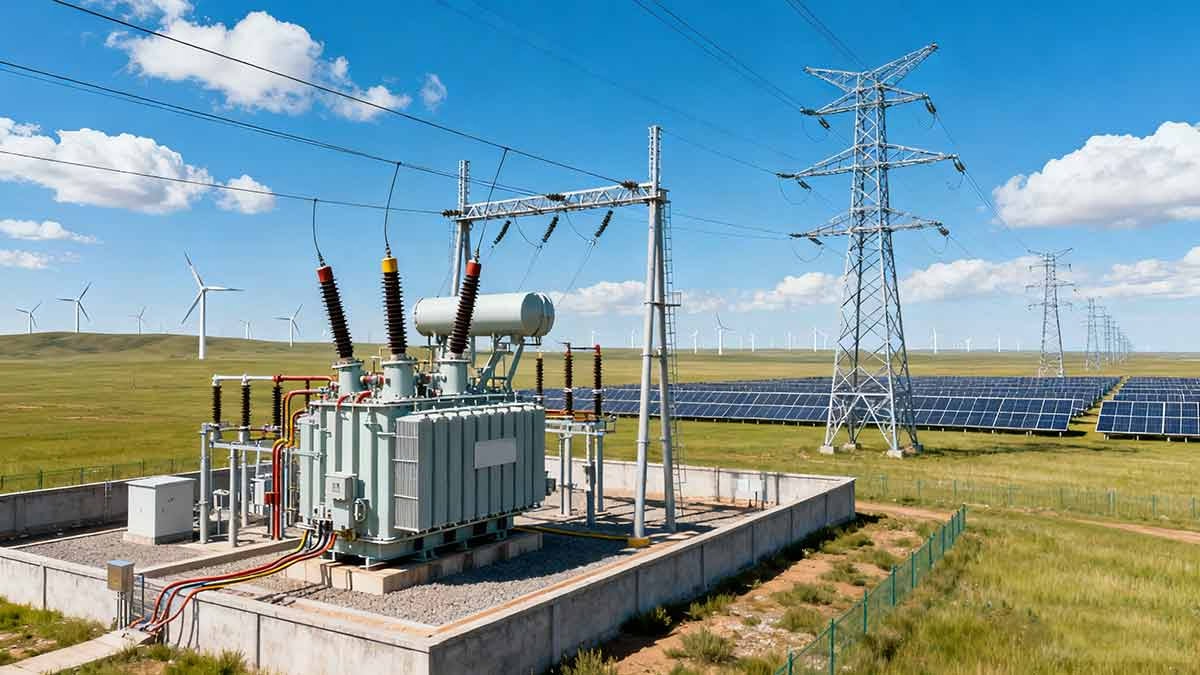
The global shift toward renewable energy sources such as solar and wind has increased the demand for robust, efficient transformers that can handle the variable loads characteristic of these energy systems. Oil immersed transformers are widely used in solar farms and wind turbines to step up the low-voltage electricity generated by solar panels and wind turbines to high-voltage levels suitable for transmission to the grid. Their ability to withstand temporary overloads and operate in harsh outdoor environments makes them an ideal choice for renewable energy projects, which are often located in remote areas with challenging weather conditions.
Industrial Facilities
Industrial facilities such as manufacturing plants, refineries, and chemical plants require large amounts of electricity to power heavy machinery, production lines, and processing equipment. Oil immersed transformers are used in these facilities to provide reliable power distribution, handling the high loads and voltage fluctuations common in industrial operations. Their high overload capacity is particularly valuable in industrial settings, where production demands can vary significantly throughout the day. Additionally, the long service life of oil immersed transformers reduces the need for frequent replacements, minimizing downtime and maintenance costs for industrial operators.
Transportation Infrastructure
Oil immersed transformers play a critical role in transportation infrastructure, including railways, urban transit systems, and electric vehicle (EV) charging stations. In railways, they are used to power electric locomotives and signaling systems, while in urban transit systems, they provide power to subway and light rail trains. For EV charging stations, oil immersed transformers are used to step down grid voltage to levels suitable for charging electric vehicles. The reliability and durability of oil immersed transformers are essential in these applications, where downtime can disrupt transportation services and inconvenience thousands of people.
Commercial and Residential Complexes
Large commercial complexes such as shopping malls, office buildings, and hotels, as well as high-density residential buildings, require reliable power distribution to meet the needs of tenants and customers. Oil immersed transformers are used in these settings to provide efficient power distribution, handling the high loads from lighting, air conditioning, and electrical appliances. Their ability to operate in indoor environments (with appropriate safety measures) makes them a suitable choice for commercial and residential applications where space is limited.
Environmental Considerations and Oil Recycling
While oil immersed transformers offer numerous benefits in terms of performance and reliability, their use of mineral oil raises environmental considerations that must be addressed. Mineral oil is a non-biodegradable substance, and leaks or improper disposal can lead to soil and water contamination, posing risks to the environment and human health. However, with proper management practices—including oil recycling, the use of eco-friendly alternative oils, and leak prevention systems—these environmental risks can be minimized.
Oil Recycling and Reconditioning
One of the most effective ways to reduce the environmental impact of oil immersed transformers is through oil recycling and reconditioning. Used transformer oil can be processed to remove impurities, moisture, and acids, restoring its dielectric strength and cooling properties. Reconditioned oil can be reused in the same transformer or in other oil immersed equipment, reducing the need for new mineral oil production and minimizing waste. In addition, recycling used oil reduces the amount of oil that is disposed of in landfills or incinerated, which helps to reduce greenhouse gas emissions and prevent soil and water contamination.
Eco-Friendly Alternative Oils
In recent years, there has been a growing trend toward the use of eco-friendly alternative oils in oil immersed transformers. These oils include synthetic ester oils, natural ester oils (derived from vegetable oils), and biodegradable mineral oils. Unlike traditional mineral oils, these alternative oils are biodegradable and have low toxicity, reducing the environmental impact of leaks and spills. They also offer comparable or superior performance to traditional mineral oils, with higher dielectric strength, better heat dissipation, and longer service life. While these alternative oils may have a higher initial cost than traditional mineral oils, they provide significant environmental benefits and can help companies meet sustainability goals.
Leak Prevention and Containment Systems
Preventing oil leaks is critical to minimizing the environmental impact of oil immersed transformers. Modern transformers are equipped with advanced leak prevention systems, including robust seals, gaskets, and tank designs that reduce the risk of oil leakage. For indoor installations, oil containment systems such as drip pans, bunds, and secondary containment tanks can be used to catch any leaked oil, preventing it from contaminating the surrounding environment. Regular inspections and maintenance of these systems can help to ensure that they are functioning correctly and that any leaks are detected and addressed promptly.
By adopting these environmentally responsible practices, companies can enjoy the benefits of oil immersed transformers while minimizing their impact on the environment. This not only helps to protect the planet but also ensures compliance with environmental regulations and enhances the company’s reputation as a sustainable business.
Conclusion
Oil immersed transformers are an indispensable component of modern power distribution systems, offering unparalleled reliability, efficiency, and longevity for large-scale, high-demand applications. From power substations to renewable energy projects, industrial facilities to transportation infrastructure, these transformers play a critical role in ensuring the seamless transmission of electricity to homes, businesses, and communities around the world.
The key to unlocking the full potential of oil immersed transformers lies in understanding their design, working mechanism, and maintenance requirements. By selecting the right transformer for the application, implementing a proactive maintenance program, and adopting environmentally responsible practices, facility managers and power engineers can maximize the value of their power infrastructure, minimize downtime, and reduce costs over the long term.
For businesses and organizations seeking to optimize their power distribution systems, partnering with a knowledgeable and experienced transformer manufacturer is essential. Whether you are looking to select a new oil immersed transformer, upgrade an existing system, or develop a maintenance program tailored to your needs, expert guidance can help you make informed decisions that align with your performance, budget, and sustainability goals.
With their proven track record of performance and reliability, oil immersed transformers will continue to be the backbone of power distribution systems for years to come, supporting the growth and development of industries and communities around the world.