
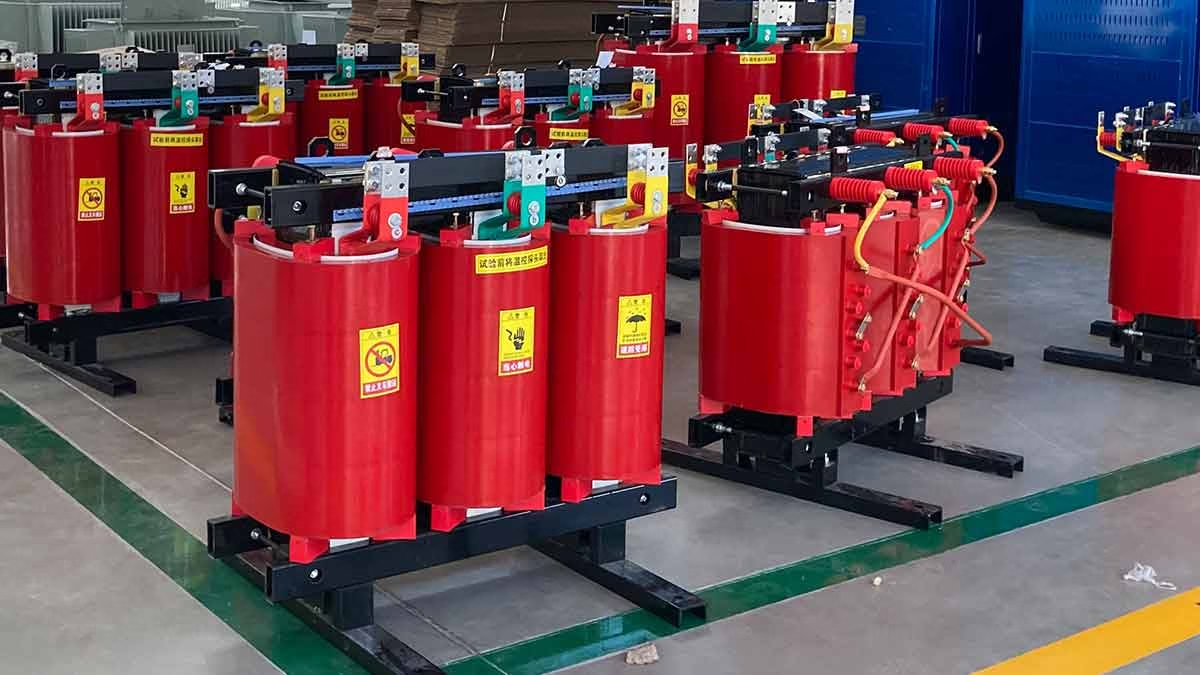
In an era where power reliability, safety, and sustainability are non-negotiable, dry type distribution transformers have emerged as the backbone of efficient energy distribution across diverse sectors. Unlike traditional oil-filled transformers, these innovative units leverage advanced insulation technologies to deliver unparalleled performance in industrial plants, commercial buildings, residential complexes, and beyond. With a growing global focus on eco-friendly solutions and stringent safety regulations, dry type transformers are no longer just an alternative—they’re the preferred choice for forward-thinking businesses and homeowners alike.
Contents
hide
Industrial Power Distribution: How Dry Type Transformers Elevate Operational Efficiency
Factories, manufacturing facilities, and industrial plants operate in some of the harshest environments—where dust, extreme temperatures, corrosive chemicals, and heavy load fluctuations are daily challenges. Dry type distribution transformers are engineered to thrive in these conditions, providing a reliable power foundation that minimizes downtime and maximizes productivity.
Drawing on over a decade of experience in industrial power systems, CHH Power has witnessed firsthand how dry type transformers transform operational efficiency. Here’s why they’re indispensable in industrial settings:
Unmatched Durability in Harsh Conditions
Dry type transformers are built to withstand the rigors of industrial environments:
- Dust and Debris Resistance: Without oil as a medium for contamination, these transformers maintain performance even in dusty manufacturing plants or construction sites.
- Corrosion Resilience: Epoxy resin insulation and sealed enclosures protect internal components from corrosive gases in chemical plants, refineries, and coastal industrial zones.
- High-Temperature Tolerance: Advanced cooling designs allow operation in temperatures exceeding 40°C (104°F), making them ideal for steel mills, foundries, and glass manufacturing facilities.
A recent project at a automotive assembly plant in Ohio illustrates this durability: CHH Power installed dry type transformers in a welding shop where temperatures regularly reached 55°C (131°F) and metal dust was pervasive. After three years of continuous operation, the units showed no signs of degradation—outperforming the oil-filled transformers they replaced, which required quarterly maintenance and eventual replacement within 18 months.
Low-Upkeep Design for Industrial Productivity
Industrial facilities can’t afford costly downtime for transformer maintenance. Dry type units address this need with:
- No oil changes, eliminating the need for specialized handling, disposal, and regulatory compliance associated with oil-filled alternatives.
- Sealed construction that prevents moisture and particulate ingress, reducing the frequency of inspections and repairs.
- Simplified maintenance protocols: Visual checks and basic electrical tests can be completed during routine shutdowns, without the need for draining or refilling fluids.
A food processing plant in Illinois reported a 60% reduction in maintenance costs after switching to dry type transformers. The plant’s maintenance manager noted, “We used to spend 8-10 hours every six months on oil sampling, leak checks, and filter replacements. Now, we complete inspections in under an hour—freeing up our team to focus on critical production tasks.”
Enhanced Safety for High-Risk Environments
Industrial settings demand rigorous safety standards, and dry type transformers deliver:
- Fire-resistant materials (UL 94 V-0 rated) that eliminate the risk of oil-fueled fires—a critical advantage in facilities handling flammable materials.
- Non-toxic operation: No risk of oil spills that could contaminate soil, water, or production areas.
- Compact, floor-mounted or wall-mounted designs that fit in tight electrical rooms or elevated platforms, reducing exposure to personnel and equipment.
In a chemical plant in Texas, dry type transformers were the only viable option for an indoor substation near flammable storage tanks. The plant’s safety director confirmed, “The self-extinguishing properties of these transformers gave us peace of mind—even in the event of an electrical fault, the risk of fire propagation is virtually eliminated.”
Load Flexibility for Dynamic Industrial Demands
Industrial power needs are rarely static—dry type transformers adapt with:
- High overload capacity (up to 150% of rated load for short durations) to handle peak demand during production surges.
- Low core and copper losses that maintain efficiency across partial and full load conditions, reducing energy waste.
- Multiple tap settings (typically ±5% or ±10%) that allow voltage adjustment to match changing production requirements, optimizing motor performance and reducing wear.
A metal fabrication shop in Pennsylvania used dry type transformers with adjustable taps to accommodate varying loads from welding machines, CNC routers, and overhead cranes. The result: a 12% reduction in energy consumption and extended equipment lifespan for critical production tools.
Commercial Building Energy Efficiency: Dry Type Transformers as a Strategic Investment
Commercial spaces—from office towers and shopping malls to hotels and data centers—face unique challenges: limited space, strict noise regulations, and the need to balance energy efficiency with reliable power delivery. Dry type transformers address these challenges while delivering long-term cost savings, making them a cornerstone of modern commercial building design.
Energy Efficiency That Lowers Operating Costs
Commercial buildings account for a significant portion of global energy consumption, and dry type transformers help reduce this footprint with:
- Low no-load losses (as low as 0.2% of rated power) that minimize energy waste during off-peak hours—critical for buildings with 24/7 operations like data centers or hospitals.
- Advanced core materials (e.g., grain-oriented electrical steel) that reduce hysteresis losses, improving efficiency by 3-5% compared to standard transformers.
- Compliance with global energy efficiency standards (e.g., DOE 2016, EU Ecodesign) that ensure optimal performance over the transformer’s lifespan.
A 30-story office building in Chicago upgraded to energy-efficient dry type transformers and saw a 18% reduction in monthly electricity bills. The building’s facility manager noted, “The initial investment was offset within 14 months— and we’re on track to save over $50,000 annually in energy costs.”
Space-Saving Design for Urban Commercial Spaces
In dense urban areas, commercial real estate is at a premium—dry type transformers maximize usable space with:
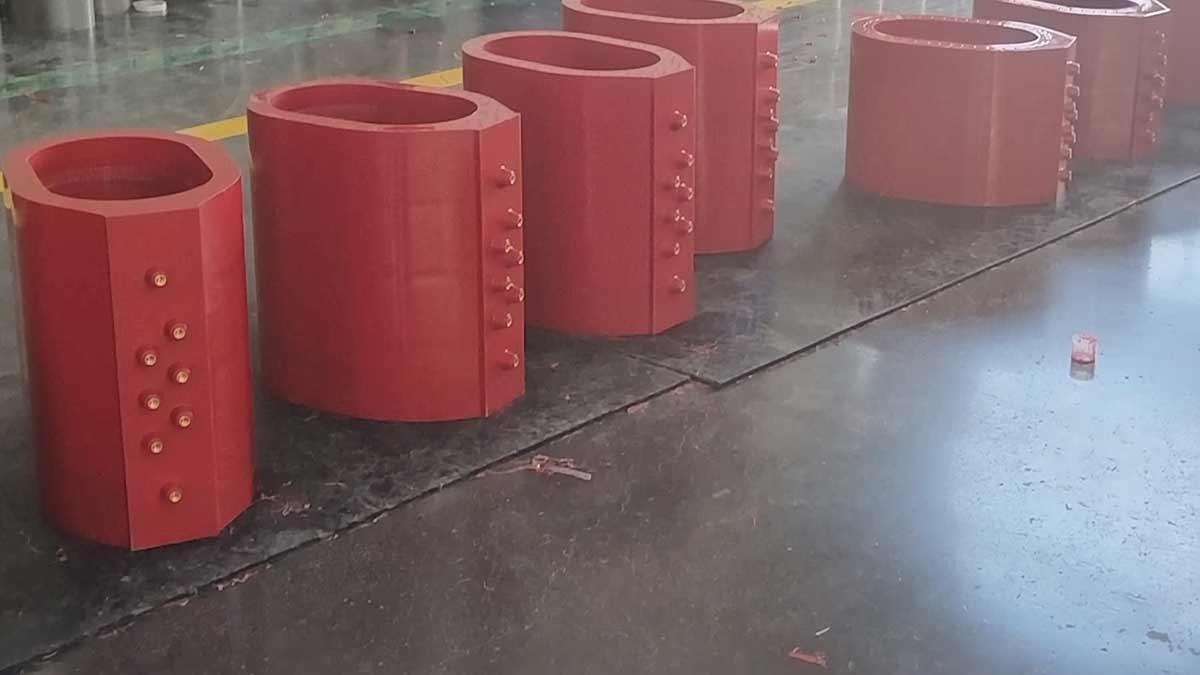
- Compact footprints: Up to 40% smaller than oil-filled transformers of the same capacity, fitting in small electrical rooms or utility closets.
- Vertical installation options that utilize wall space, freeing up floor area for storage, equipment, or tenant use.
- No requirement for oil containment pits, simplifying installation in multi-story buildings and eliminating the need for costly structural modifications.
A downtown shopping mall in Toronto replaced aging oil-filled transformers with compact dry type units, reclaiming over 300 square feet of space that was converted into a storage room for maintenance supplies. The mall’s operations director commented, “Every square foot counts in our facility— the space savings alone made the upgrade worthwhile.”
Quiet Operation for Comfortable Commercial Environments
Noise pollution is a major concern in commercial spaces, and dry type transformers deliver near-silent performance:
- Low audible noise levels (as low as 45 dB) that are barely perceptible in office or retail environments.
- Vibration-dampening designs that reduce structural noise transmission, preventing disruptions to upper floors or adjacent spaces.
- Optional sound-attenuated enclosures for sensitive applications like libraries, hospitals, or luxury hotels.
A luxury hotel in Miami installed dry type transformers in a utility room adjacent to guest suites. Post-installation, guest feedback surveys showed a 90% satisfaction rate with room quietness—up from 65% before the upgrade. The hotel’s general manager noted, “Guests expect a peaceful stay, and the quiet operation of these transformers has been a key factor in improving their experience.”
Smart Grid Integration for Modern Commercial Power Systems
Today’s commercial buildings require transformers that work seamlessly with smart technology, and dry type units deliver:
- Built-in monitoring capabilities (e.g., temperature sensors, load meters) that integrate with building management systems (BMS), allowing real-time power usage tracking.
- Power quality features (e.g., harmonic mitigation) that protect sensitive equipment like computers, servers, and HVAC systems from voltage fluctuations.
- Load-balancing functionality that optimizes power distribution across multiple floors or tenant spaces, reducing peak demand charges.
A tech company’s headquarters in Seattle used dry type transformers with smart monitoring to track energy usage across departments. The data collected allowed the company to identify inefficiencies and implement targeted energy-saving measures, resulting in a 22% reduction in peak demand charges.
Residential Power Solutions: Dry Type Transformers for Safe, Reliable Home Energy
As residential buildings become more energy-intensive—with smart home technology, electric vehicle chargers, and high-efficiency appliances— the demand for safe, reliable transformers has never been higher. Dry type transformers are increasingly chosen for single-family homes, apartment complexes, and gated communities, offering homeowners and developers a superior alternative to traditional oil-filled units.
Superior Safety for Family-Friendly Environments
Safety is paramount in residential settings, and dry type transformers deliver:
- Fire-resistant construction that minimizes risks in densely populated areas like apartment buildings or townhomes.
- No oil leaks or spills, eliminating the threat of soil or water contamination—critical for homes with yards, gardens, or near water sources.
- Touch-safe enclosures that prevent accidental contact with live components, protecting children and pets.
A residential developer in Florida chose dry type transformers for a 50-unit apartment complex near a lake. The project’s environmental consultant noted, “The absence of oil eliminated the risk of water contamination, which was a key requirement for obtaining environmental permits. Additionally, the fire-resistant design gave residents peace of mind in a hurricane-prone area.”
Quiet Performance for Peaceful Living
Homeowners value quiet environments, and dry type transformers deliver:
- Low noise emissions (typically 40-50 dB) that are indistinguishable from background household sounds.
- Minimal vibration that avoids structural noise transmission through walls or floors.
- Enclosure options that further reduce sound for homes with transformers installed near living spaces.
A family in Colorado installed a dry type transformer in their basement to power their smart home and electric vehicle charger. The homeowner commented, “We can’t even tell it’s running—unlike the old oil-filled transformer we had at our previous home, which hummed constantly. It’s made a huge difference in the peace and quiet of our living space.”
Durability for Long-Term Residential Use
Homeowners and developers seek power solutions that stand the test of time, and dry type transformers offer:
- Resistance to environmental factors like humidity, temperature extremes, and salt air—making them ideal for coastal homes, mountain cabins, and all climates.
- Stable performance over decades: Most dry type transformers have a lifespan of 25-30 years, outlasting oil-filled units by 5-10 years.
- Low maintenance requirements that reduce long-term ownership costs and hassle.
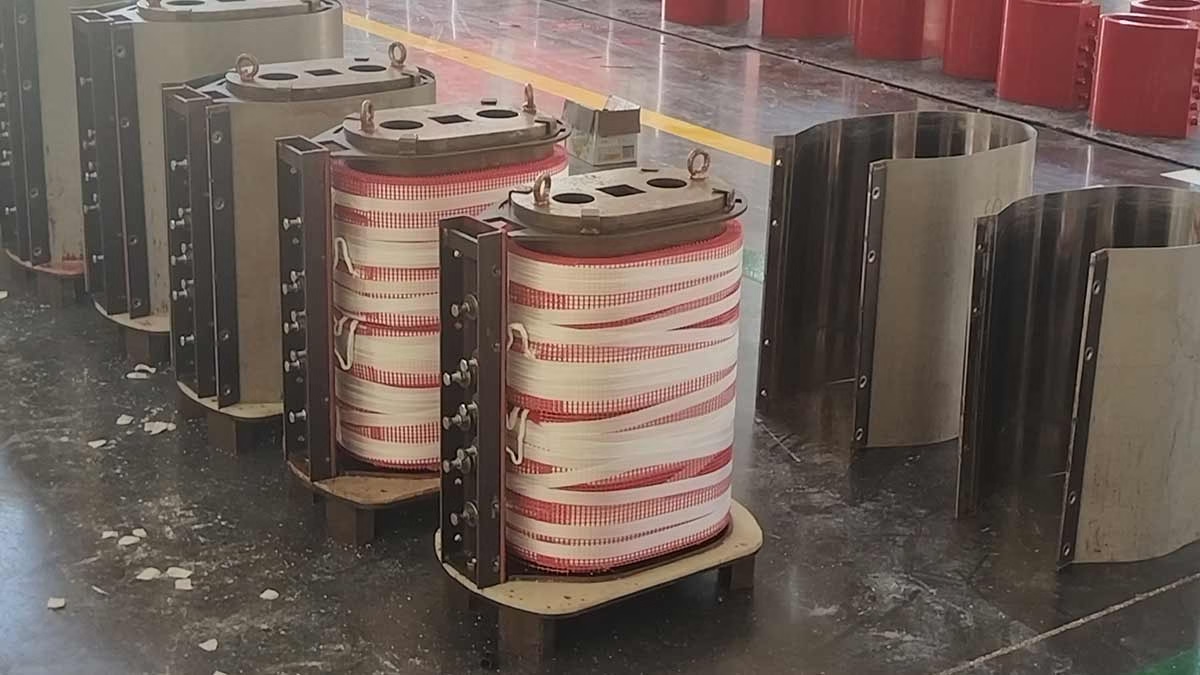
A coastal home in North Carolina installed a dry type transformer to power its electrical system, including a solar panel array and EV charger. After five years of exposure to salt air and hurricanes, the transformer continues to operate flawlessly with no maintenance beyond annual visual inspections. The homeowner noted, “We were worried about corrosion, but the sealed design has held up perfectly— it’s been a reliable investment.”
Energy Efficiency for Cost-Conscious Homeowners
Residential energy costs are a top concern for homeowners, and dry type transformers help reduce bills with:
- Low core and load losses that minimize energy waste, particularly beneficial for homes with high electricity usage.
- Efficiency at varying loads, adapting to the changing demands of household appliances, lighting, and smart devices.
- Compatibility with home energy management systems, allowing homeowners to monitor and optimize power usage.
A large family home in Texas with a swimming pool, EV charger, and multiple smart appliances switched to a dry type transformer and saw a 10% reduction in monthly energy bills. The homeowner commented, “Every little bit helps, and the energy savings have added up significantly over time. Plus, knowing we’re using a more efficient, eco-friendly option is a bonus.”
How to Select the Right Dry Type Distribution Transformer for Your Application
Choosing the correct dry type transformer requires a strategic approach that considers your specific power needs, environmental conditions, and long-term goals. With countless options available, it’s critical to partner with an experienced provider like CHH Power to ensure optimal performance, efficiency, and reliability. Below is a step-by-step guide to selecting the perfect transformer for your application:
Analyze Your Load Requirements
The first step in selecting a dry type transformer is understanding your power demands:
- Peak Load Capacity: Calculate the maximum power your system will require (e.g., during industrial production surges, commercial peak hours, or residential EV charging). Choose a transformer with a rated capacity that exceeds this peak by 10-20% to avoid overloading.
- Load Factor: Determine the average load as a percentage of the peak load. Transformers are most efficient at 70-80% of rated capacity, so select a unit that aligns with your typical usage patterns.
- Future Growth: Consider upcoming expansions, new equipment, or increased energy needs (e.g., adding production lines, tenant spaces, or smart home features). Investing in a transformer with extra capacity can save you from costly upgrades down the line.
A manufacturing company in Michigan worked with CHH Power to analyze its load requirements and selected a transformer with 25% extra capacity to accommodate a planned production line expansion. This proactive approach eliminated the need for a transformer replacement just two years later, saving the company over $30,000 in installation and equipment costs.
Evaluate Environmental Conditions
The environment where your transformer will be installed plays a critical role in performance and longevity:
- Temperature: High-temperature environments (e.g., industrial plants, outdoor installations in hot climates) require transformers with enhanced cooling systems (e.g., forced air cooling) or higher insulation classes (e.g., F or H class).
- Humidity: Wet or humid environments (e.g., coastal areas, basements) need transformers with sealed enclosures and moisture-resistant insulation to prevent corrosion and electrical faults.
- Altitude: Installations above 1,000 meters (3,280 feet) require transformers with specialized insulation to compensate for reduced air density, which impacts cooling and dielectric strength.
- Contaminants: Environments with dust, chemicals, or corrosive gases (e.g., factories, coastal areas) need sealed or protected transformers to prevent component damage.
For a high-altitude installation in Colorado (2,500 meters above sea level), CHH Power recommended a transformer with H-class insulation and forced air cooling to handle the thin air and temperature extremes. The unit has operated reliably for over five years, with no performance issues related to the environment.
Consider Space and Installation Constraints
Physical limitations can dictate your transformer choice, so it’s important to assess:
- Available Space: Measure the dimensions of your electrical room, utility closet, or installation area to ensure the transformer fits. Compact dry type transformers are ideal for tight spaces, while vertical installation options can maximize floor space.
- Weight Restrictions: Rooftop or upper-floor installations may have weight limits. Dry type transformers are typically lighter than oil-filled units, but it’s still critical to confirm load-bearing capacity.
- Access Routes: Ensure the transformer can be transported to the installation site—narrow hallways, tight doorways, or limited elevator access may require smaller or modular units.
- Installation Requirements: Consider whether the transformer will be floor-mounted, wall-mounted, or outdoor-installed, and select a unit with the appropriate mounting hardware and enclosure.
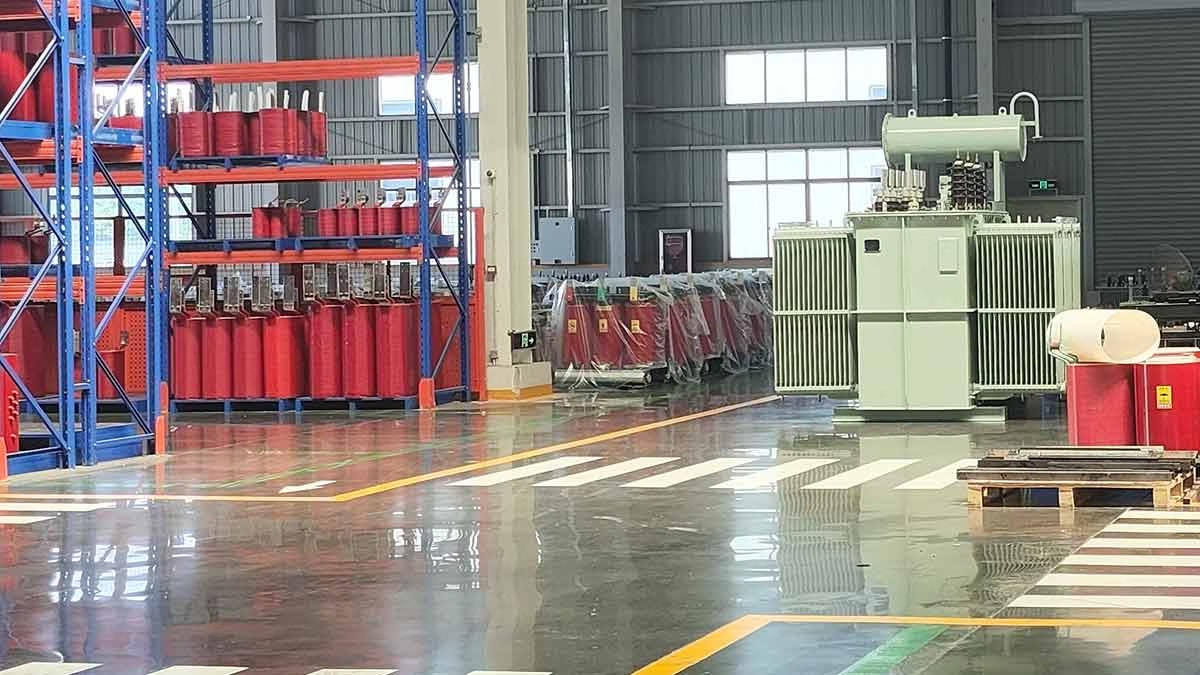
A renovation project in a historic building in Boston required a compact, lightweight dry type transformer that could be transported through narrow stairwells and fit in a small basement electrical room. CHH Power provided a custom-designed unit that met all space and weight constraints, allowing the project to stay on schedule and within budget.
Ensure Regulatory Compliance
Compliance with local, national, and international standards is non-negotiable. Key regulations to consider include:
- Energy Efficiency Standards: Ensure the transformer meets or exceeds regional requirements (e.g., DOE 2016 in the U.S., EU Ecodesign in Europe, GB 20052 in China) to avoid penalties and maximize energy savings.
- Safety Codes: Verify compliance with safety standards like UL 1561 (U.S.), IEC 60076 (international), or CSA C22.2 (Canada) to ensure safe operation.
- Environmental Regulations: For environmentally sensitive areas (e.g., wetlands, coastal zones), choose transformers that meet strict eco-friendly standards, such as those with recyclable materials or no hazardous substances.
- Noise Regulations: Residential and commercial areas may have noise limits—select a transformer with low audible noise levels to comply with local ordinances.
A project in California required transformers that met the state’s strict Title 20 energy efficiency standards, which are among the most rigorous in the U.S. CHH Power provided units with ultra-low losses that exceeded the requirements, resulting in significant long-term energy savings for the client and compliance with all regulatory mandates.
Safety and Sustainability: The Dual Advantages of Dry Type Transformers
In today’s world, safety and sustainability are no longer optional—they’re core business and residential priorities. Dry type transformers excel in both areas, delivering benefits that protect people, the environment, and your bottom line.
Industry-Leading Fire Safety
Dry type transformers set the standard for fire safety in power distribution:
- No Flammable Materials: Unlike oil-filled transformers, which use flammable mineral oil as an insulator and coolant, dry type units rely on air or inert gas, eliminating a major fire hazard.
- Flame-Retardant Insulation: Most dry type transformers use epoxy resin or other self-extinguishing materials that resist combustion and prevent fire spread.
- Lower Operating Temperatures: Advanced cooling designs keep operating temperatures low, reducing the risk of heat-related electrical faults that can spark fires.
Hospitals, schools, and high-rise buildings—where fire safety is critical—rely heavily on dry type transformers. A hospital in California replaced its oil-filled transformers with dry type units, and the facility’s fire marshal noted, “The risk of fire from electrical equipment is one of our top concerns. Dry type transformers have significantly reduced that risk, giving us greater confidence in our emergency preparedness.”
Eco-Friendly Design for a Sustainable Future
Dry type transformers are a greener choice for power distribution, with benefits including:
- No Oil Leaks: Oil spills from transformers can contaminate soil, water, and groundwater—dry type units eliminate this risk entirely.
- Recyclable Materials: Most components of dry type transformers (e.g., steel, copper, insulation) are recyclable at the end of their lifespan, reducing waste and environmental impact.
- Lower Carbon Footprint: Their high energy efficiency means less electricity is wasted, reducing greenhouse gas emissions from power plants.
- Compliance with Green Building Standards: Dry type transformers meet the requirements of LEED, BREEAM, and other green building certifications, making them a key component of sustainable construction projects.
A LEED Platinum-certified office building in Portland used dry type transformers as part of its eco-friendly design. The building’s sustainability director commented, “Every decision we made was focused on reducing our environmental impact. Dry type transformers aligned perfectly with that goal—they’re energy-efficient, recyclable, and eliminate the risk of oil contamination.”
Reduced Maintenance for Safer, More Sustainable Operations
Less maintenance means fewer safety risks, lower costs, and a smaller environmental footprint:
- No Oil Handling: Oil changes, sampling, and disposal are labor-intensive, costly, and potentially hazardous. Dry type transformers eliminate these tasks, reducing the risk of accidents and environmental harm.
- Sealed Design: Prevents dust, moisture, and contaminants from entering the transformer, reducing the need for cleaning and repairs.
- Longer Lifespan: Dry type transformers typically last 25-30 years—5-10 years longer than oil-filled units—reducing the frequency of replacements and the associated waste.
A remote mining operation in Australia switched to dry type transformers and saw a 75% reduction in maintenance-related trips to the site. The operation’s environmental manager noted, “Reducing the number of visits not only saves time and money but also cuts down on fuel consumption and carbon emissions from our vehicles. It’s a win-win for safety, sustainability, and efficiency.”
Improved Indoor Air Quality
In enclosed spaces like commercial buildings, hospitals, and residential basements, dry type transformers contribute to healthier environments:
- No Oil Vapors: Oil-filled transformers can emit harmful vapors, particularly in poorly ventilated areas. Dry type units produce no vapors, improving indoor air quality.
- Reduced Particulate Generation: Their sealed design prevents dust and debris from being drawn into the transformer and circulated into the air.
- Lower Heat Emissions: Less heat output reduces the load on HVAC systems, improving energy efficiency and comfort.
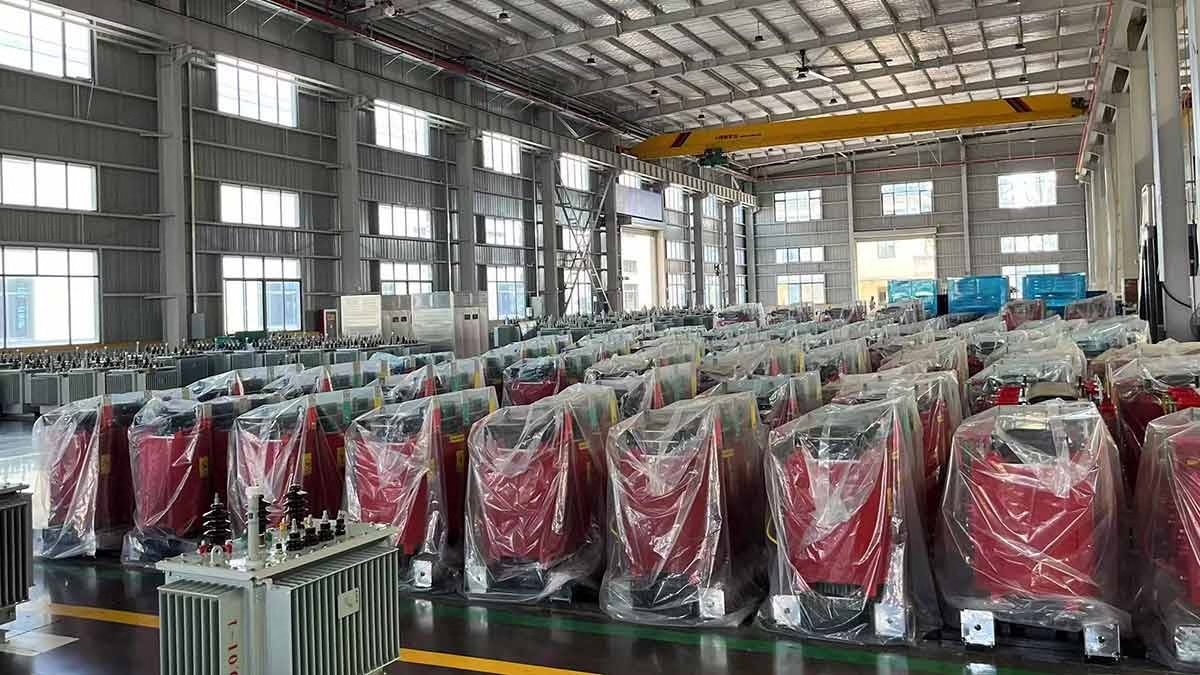
A large indoor shopping mall in Vancouver replaced its oil-filled transformers with dry type units and noticed a significant improvement in air quality in service areas. The mall’s maintenance supervisor commented, “Our staff no longer complain about odors or respiratory issues in the electrical rooms. It’s made a much healthier working environment for everyone.”
Conclusion
Dry type distribution transformers are more than just power distribution equipment—they’re a strategic investment in safety, efficiency, and sustainability. Whether you’re operating an industrial plant, managing a commercial building, or building a residential complex, these versatile units deliver unparalleled performance across diverse applications.
From their fire-resistant design and eco-friendly operation to their low maintenance requirements and smart grid compatibility, dry type transformers address the most pressing challenges of modern power distribution. As global demand for safe, efficient, and sustainable energy solutions continues to grow, dry type transformers are poised to remain the preferred choice for forward-thinking organizations and homeowners.
When selecting a dry type transformer, partner with an experienced provider like CHH Power to ensure you get a unit that’s tailored to your specific needs. With the right transformer, you can reduce costs, minimize risks, and build a more sustainable future—one reliable power solution at a time.