
Dry-type and oil-immersed transformers differ fundamentally in their cooling/insulation media, which drives differences in appearance, structure, performance, and application. Dry-type transformers prioritize fire safety and indoor use, while oil-immersed transformers excel in large-capacity, outdoor scenarios with strong overload capacity. Below is a detailed breakdown of their 8 core differences.
1. Appearance & Encapsulation
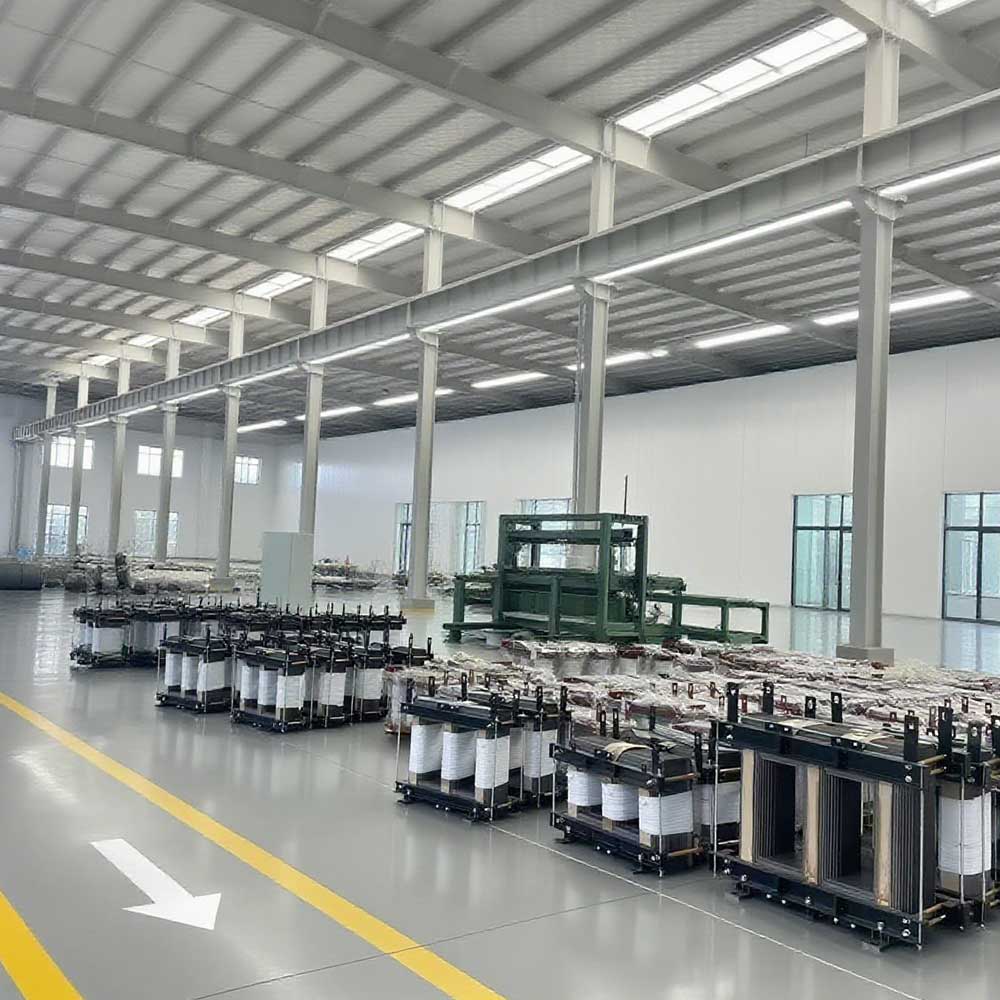
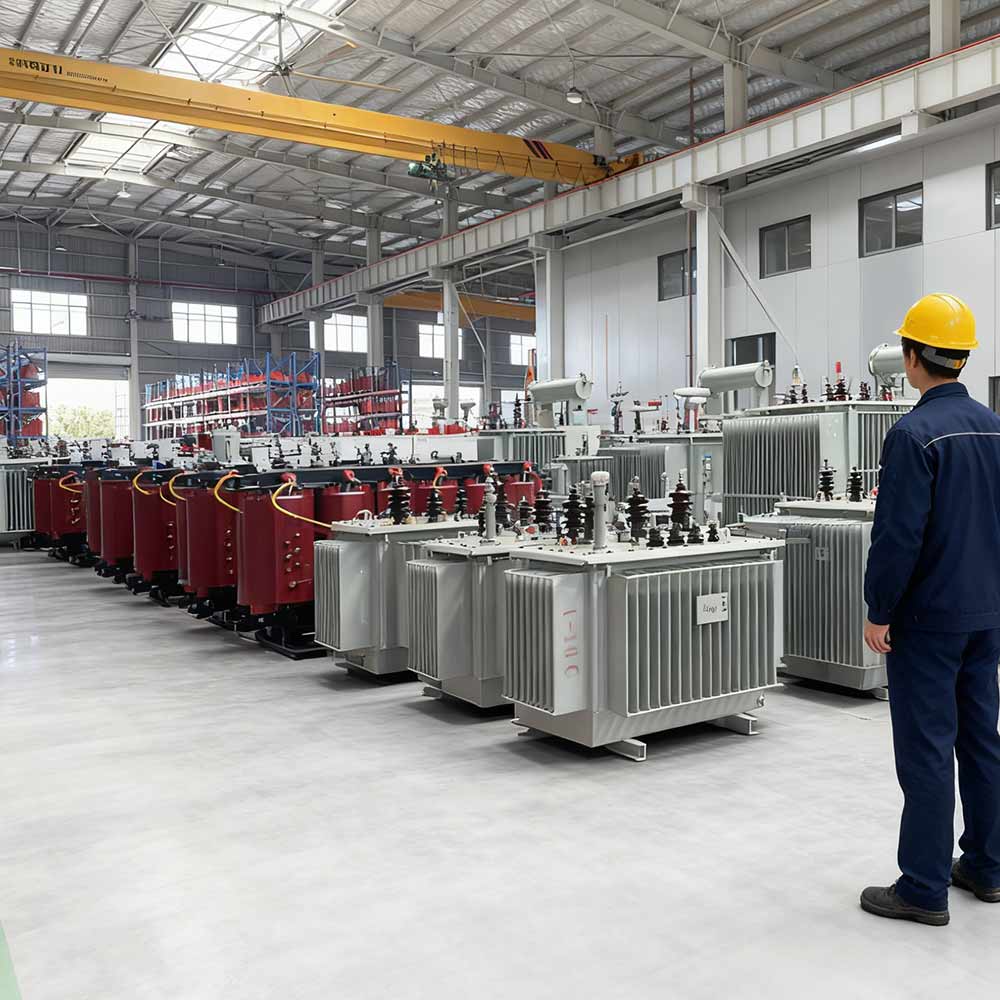
- Dry-Type Transformers: The iron core and windings are directly visible (no closed tank), with windings typically encapsulated in epoxy resin or wrapped in insulating paper and paint to prevent moisture.
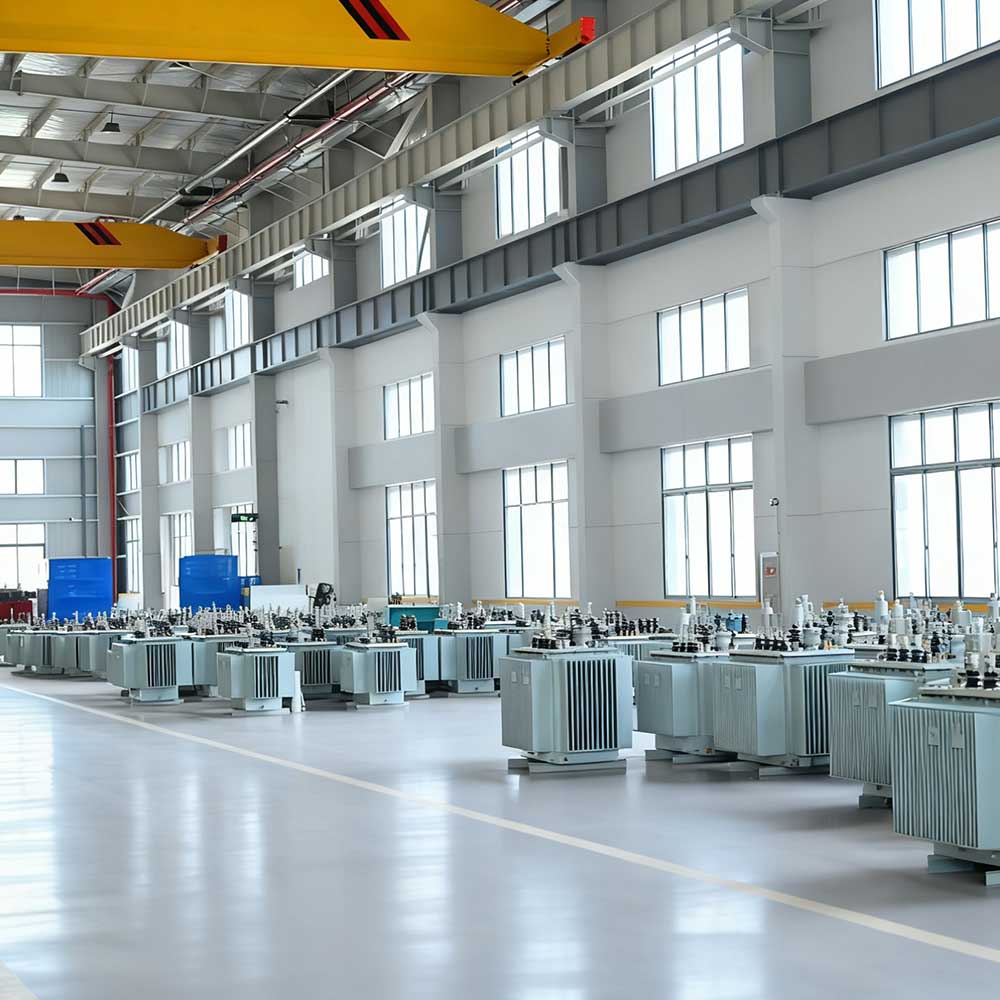
- Oil-Immersed Transformers: Only the outer tank is visible; the iron core and windings are sealed inside the tank filled with insulating oil, completely hidden from view.
2. Insulation & Cooling Systems
- Dry-Type Transformers:
- Insulation: Uses epoxy resin or special insulating paper + insulating paint.
- Cooling: Relies on natural air cooling (AN) for small capacities; large-capacity models use forced fan cooling (AF).
- Oil-Immersed Transformers:
- Insulation: Uses insulating oil as both insulation and cooling medium.
- Cooling: Insulating oil circulates inside the tank, transferring heat to the tank wall and radiators, then dissipating to the air.
3. Capacity & Voltage Levels
- Dry-Type Transformers: Mostly used in distribution networks with capacity ≤1600kVA, voltage ≤10kV (max ≤35kV), suitable for medium-to-small load scenarios.
- Oil-Immersed Transformers: Supports various capacities and voltage levels (from small distribution to large power transformers, e.g., 220kV/500kV ultra-high voltage), adaptable to large-load and long-distance transmission needs.
4. Applicable Scenarios
- Dry-Type Transformers: Ideal for “fireproof and explosion-proof” occasions, such as large buildings, high-rises, data centers, and indoor power distribution rooms—no oil leakage or fire risks.
- Oil-Immersed Transformers: Mostly used outdoors; oil leakage may cause fires in accidents, so they are not suitable for indoor or fire-sensitive areas.
5. Load Capacity
- Dry-Type Transformers: Usually operate at fixed rated capacity, with limited overload capability.
- Oil-Immersed Transformers: Have excellent overload performance, able to handle short-term overload operation (e.g., 120% rated load) due to efficient oil cooling.
6. Purchase Cost
- Dry-Type Transformers: Significantly higher price than oil-immersed transformers of the same capacity—epoxy encapsulation and fireproof materials increase manufacturing costs.
- Oil-Immersed Transformers: More cost-effective, with lower production costs due to mature oil insulation and cooling technology.
7. Lead-Out Bushing Types
- Dry-Type Transformers: Mostly use silicon rubber bushings, lightweight and moisture-resistant, suitable for indoor environments.
- Oil-Immersed Transformers: Mostly use porcelain bushings, high-temperature resistant and durable, adapting to harsh outdoor conditions (e.g., wind, rain).
8. Core Cooling Medium & Structure
- Dry-Type Transformers: Cooling medium is air or special gases (e.g., SF₆); windings are encapsulated in epoxy resin or insulated with paint/paper.
- Oil-Immersed Transformers: Cooling medium is transformer oil; the core and windings are placed in a sealed tank filled with insulating oil for insulation and heat dissipation.






OUR CERTIFICATE


OUR PROJECTS


