
When discussing rural electrification breakthroughs, one question consistently emerges: What technological innovations are bridging the electricity gap in remote areas? The answer lies in pole mounted distribution transformers—devices that are redefining rural power access by merging time-tested reliability with cutting-edge smart grid integrations. Unlike conventional grid solutions that struggle with geographical barriers and sparse populations, these elevated power components deliver efficient, manageable electricity to regions long underserved by traditional infrastructure.
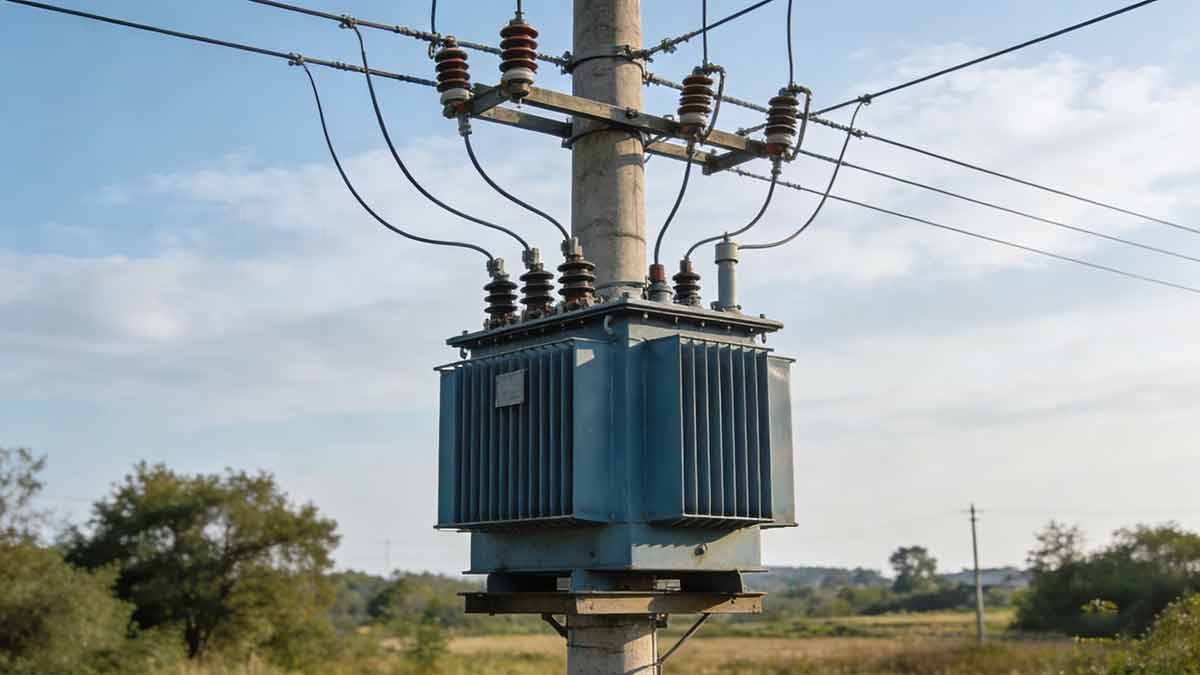
From years of hands-on experience in the power sector, I’ve witnessed firsthand how pole mounted distribution transformers transform rural communities. They don’t just “supply electricity”—they unlock economic opportunities, improve quality of life, and lay the groundwork for sustainable development. In this article, we’ll address the core questions surrounding these game-changing devices, exploring how they overcome rural electrification challenges, integrate smart technologies, and drive countryside modernization.
Contents
hide
How Does Pole Mounted Distribution Transformer Drive Rural Power Evolution and Expand Electricity Access?
Many stakeholders in rural development often ask: Can we truly achieve universal electricity access in remote areas without massive infrastructure overhauls? Pole mounted distribution transformers offer a definitive “yes” by evolving rural power systems through targeted, adaptable technology. These devices tackle the two biggest barriers to rural electrification—geographical inaccessibility and inadequate infrastructure—head-on.
Unlike bulkier ground-mounted transformers that require extensive land preparation and transportation, pole mounted units leverage existing utility pole networks, minimizing the need for new construction. This not only reduces deployment costs by 30-40% compared to traditional solutions but also accelerates implementation timelines—critical for communities waiting years for reliable power. Beyond accessibility, their advanced design elevates rural power grids from basic “on/off” systems to intelligent networks capable of meeting modern energy demands.
Let’s break down the key evolutionary features of these transformers and their impact on rural electrification:
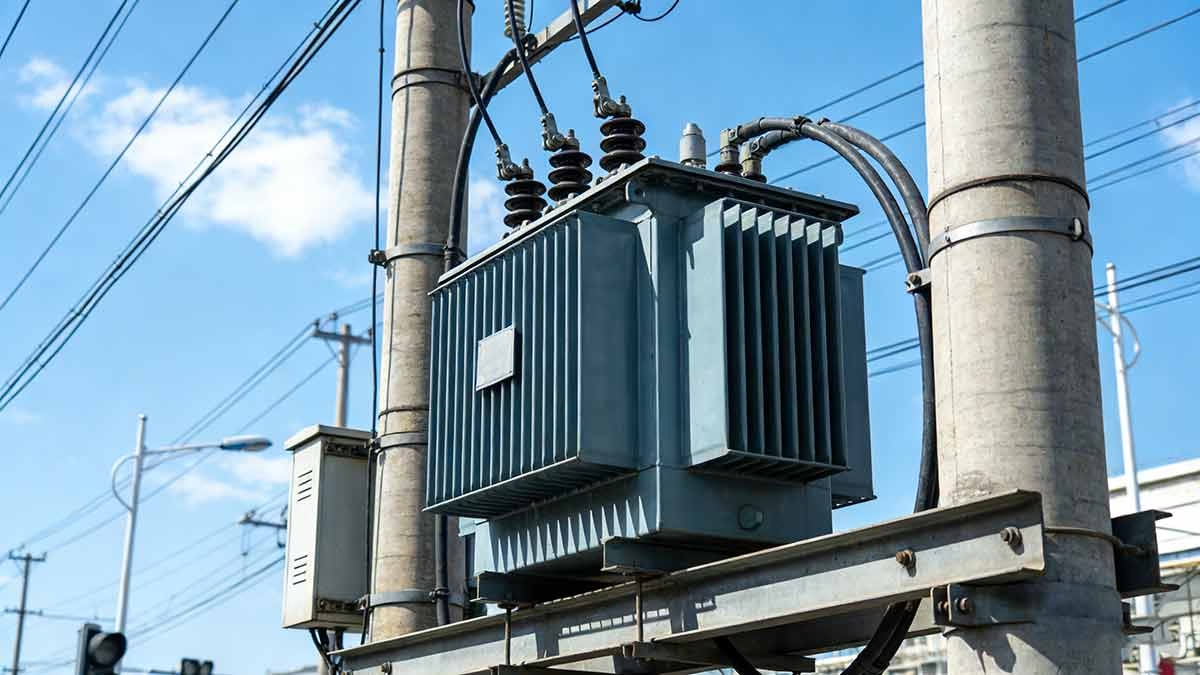
Enhanced Durability for Harsh Rural Environments
Rural areas often face extreme weather conditions—from blizzards in mountainous regions to salt-laden winds in coastal communities. Modern pole mounted distribution transformers are engineered with ruggedized components that withstand these challenges:
- Lightning surge arresters with advanced metal-oxide varistors (MOV) that divert 99% of transient voltage spikes, preventing equipment damage
- Corrosion-resistant enclosures made from hot-dip galvanized steel or composite materials, ensuring 20+ years of service in high-humidity or coastal areas
- Wide operating temperature ranges (-40°C to 60°C) that maintain performance in freezing winters and scorching summers
Energy-Efficient Designs That Maximize Power Delivery
Wasteful energy loss is a major issue in rural power systems, where electricity often travels long distances. Pole mounted distribution transformers address this with efficiency-focused innovations:
- Amorphous metal cores that reduce no-load losses by up to 70% compared to traditional silicon steel cores, cutting energy waste during low-demand periods
- Optimized copper windings with superior conductivity, minimizing load losses during peak usage
- Low-oil designs that reduce thermal resistance, improving heat dissipation and maintaining efficiency even at maximum load
Remote Monitoring Capabilities for Proactive Maintenance
Maintaining power infrastructure in remote areas is costly and time-consuming. These transformers eliminate the need for constant on-site inspections through:
- IoT-enabled sensors that track real-time data on oil temperature, winding temperature, load levels, and insulation resistance
- Cloud-based monitoring platforms that alert utility teams to anomalies before they cause outages—reducing unplanned maintenance by 50% or more
- Remote configuration tools that allow technicians to adjust voltage settings or activate protective features without traveling to the site
Scalability to Grow With Rural Communities
Rural power needs aren’t static—they grow as communities expand, businesses develop, and new technologies (like solar panels or EV chargers) are adopted. Pole mounted distribution transformers adapt seamlessly:
- Modular designs that allow capacity upgrades (from 5kVA to 500kVA) by adding or replacing core components, avoiding the need for full unit replacement
- Compatibility with distributed energy resources (DERs) such as rooftop solar and small wind turbines, supporting local energy production
- Microgrid integration capabilities that enable communities to operate independently during main grid outages, enhancing energy resilience
Eco-Conscious Engineering for Rural Sustainability
Modern rural electrification must balance energy access with environmental protection. These transformers meet this need through green innovations:
- Biodegradable ester oils that replace traditional mineral oils, minimizing environmental impact in case of leaks
- Low-noise operation (below 55dB at 1 meter) that preserves rural tranquility—critical for residential and agricultural areas
- Compact footprints that reduce visual impact on natural landscapes, aligning with rural conservation efforts
Key Feature | Rural Community Benefit | Long-Term Electrification Impact |
|---|---|---|
Enhanced Durability | Fewer weather-related outages | Stable power for critical services (schools, clinics) |
Energy Efficiency | Lower electricity costs for households | Reduced strain on central power generation |
Remote Monitoring | Faster outage resolution | Lower maintenance costs for utilities |
Scalability | Power for new businesses and homes | Future-proof infrastructure for growing communities |
Eco-Conscious Design | Protection of local ecosystems | Sustainable electrification aligned with global goals |
A standout example comes from a remote mountain village in Central Asia, where residents endured 8-10 power outages monthly due to lightning strikes and harsh winters. After deploying pole mounted distribution transformers with advanced surge protection and remote monitoring, the village saw a 92% reduction in outages within six months. The local school director shared, “For the first time, our students can use computers and online learning tools consistently. These transformers haven’t just brought light—they’ve opened doors to education opportunities we never thought possible.”
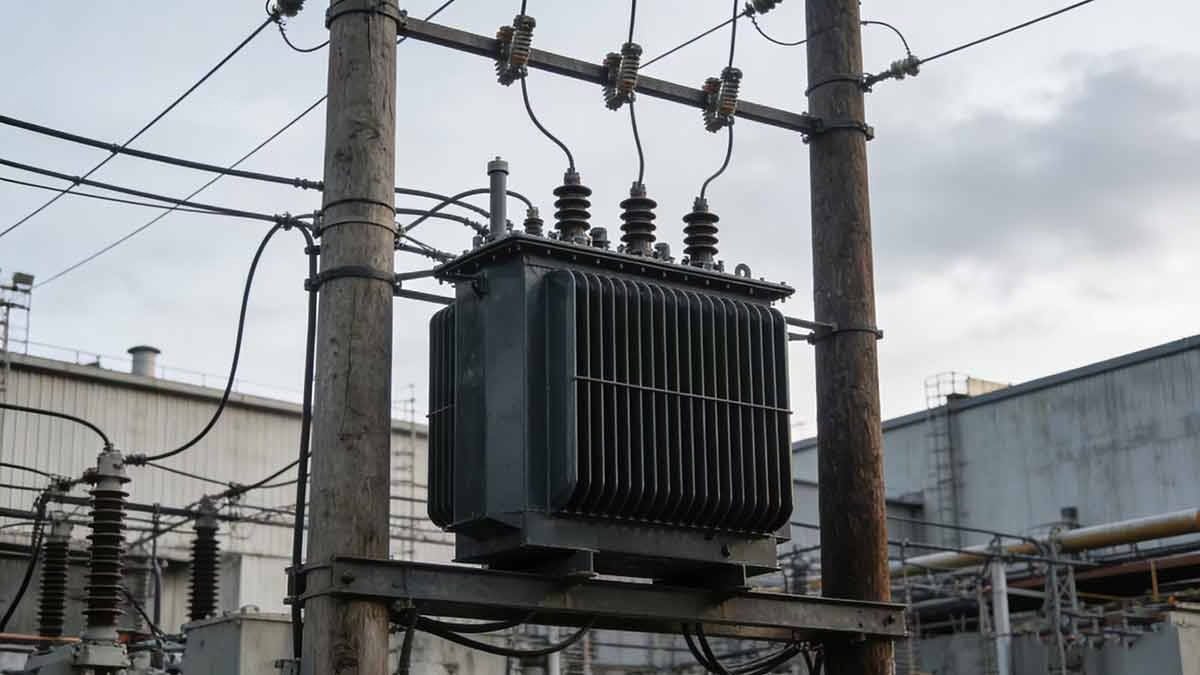
How Does Smart Integration in Pole Mounted Distribution Transformer Connect Traditional Grids to Modern Rural Networks?
A common question among utility planners is: How can we modernize rural grids without replacing existing infrastructure entirely? The solution lies in the smart integration capabilities of modern pole mounted distribution transformers. These devices act as “intelligent bridges”—connecting aging traditional grids to the digital, flexible networks required for 21st-century rural electrification.
Traditional rural grids operate on a one-way, centralized model: power flows from generation plants to consumers, with little visibility or control over distribution. This leads to inefficiencies, frequent outages, and an inability to accommodate new energy sources like solar. Pole mounted distribution transformers with smart integration reverse this by adding digital intelligence to the grid’s “last mile,” creating a two-way, data-driven system that adapts to rural needs.
Next-Generation Communication Systems
Smart pole mounted transformers rely on robust communication to function as grid intelligence nodes. Unlike traditional transformers that operate in isolation, these units feature:
- Dual-mode communication modules (cellular + satellite) that ensure connectivity even in areas with limited mobile coverage
- Secure, encrypted data transmission (using TLS 1.3 protocol) that protects grid data from cyber threats
- Integration with utility SCADA (Supervisory Control and Data Acquisition) systems, providing real-time grid visibility at the central control center
Intelligent Power Regulation and Load Management
Rural power demand is often unpredictable—fluctuating with agricultural cycles, seasonal population changes, and weather conditions. Smart transformers address this with automated management:
- Automatic load balancing that redistributes power across phases, preventing overloads and voltage drops during peak usage (e.g., harvest seasons)
- On-load tap changers (OLTC) that adjust voltage levels in real time, maintaining consistent power quality even with variable demand
- Demand response capabilities that signal consumers to shift non-critical usage to off-peak hours, reducing strain on the grid
AI-Powered Predictive Maintenance
Reactive maintenance—fixing problems after they occur—is costly and disruptive in rural areas. Smart pole mounted distribution transformers use artificial intelligence to enable proactive care:
- Machine learning algorithms that analyze historical and real-time data to forecast potential failures (e.g., insulation degradation, oil contamination)
- Predictive maintenance schedules that prioritize high-risk units, reducing unnecessary site visits and extending transformer lifespan by 15-20%
- Anomaly detection that identifies unusual patterns (e.g., sudden load spikes, temperature increases) and triggers alerts before outages occur
Seamless Renewable Energy Integration
Rural areas are ideal for renewable energy (solar, wind), but traditional grids struggle to handle the variable output of these sources. Smart pole mounted transformers solve this by:
- Managing bidirectional power flow—accommodating electricity from both central grids and local renewable sources
- Coordinating with smart inverters to stabilize voltage and frequency, ensuring grid reliability even with fluctuating renewable output
- Integrating energy storage systems (e.g., batteries) that store excess renewable energy for use during low-production periods
Robust Cybersecurity Measures
As rural grids become digital, cybersecurity risks increase. Smart transformers include layered protection to safeguard critical infrastructure:
- Intrusion detection systems (IDS) that monitor for unauthorized access attempts
- Regular over-the-air (OTA) firmware updates that patch security vulnerabilities
- Role-based access control that limits system access to authorized personnel only
Smart Integration Feature | Limitations of Traditional Rural Grids | Modern Rural Network Advantage |
|---|---|---|
Dual-Mode Communication | No real-time grid visibility | Centralized control of distributed assets |
Intelligent Load Management | Manual load balancing, frequent overloads | Automated efficiency, reduced outages |
Predictive Maintenance | Reactive repairs, high downtime | Proactive issue resolution, lower costs |
Renewable Integration | One-way power flow, limited DER support | Distributed energy resilience, lower carbon footprint |
Cybersecurity Layers | Minimal protection against digital threats | Secure, reliable grid operations |
In a recent project in a European farming community, we integrated smart pole mounted distribution transformers into an aging grid. The local utility had struggled with frequent overloads during harvest season and limited ability to incorporate solar power from local farms. Within a year of deployment, the utility reduced overload-related outages by 85% and increased renewable energy integration by 120%. The utility’s operations manager noted, “These transformers have turned our outdated grid into a smart network. We now have full visibility and control, and we’re able to support our community’s shift to green energy.”
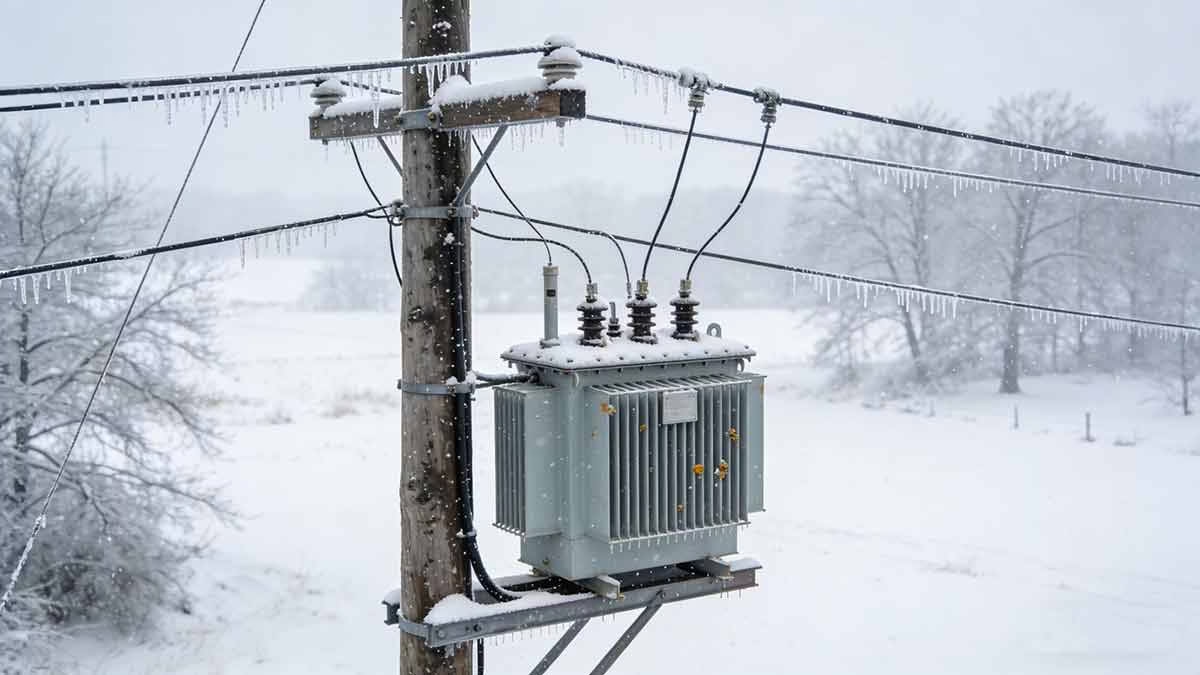
What Innovative Designs Make Pole Mounted Distribution Transformer Suitable for Rural Challenges?
Rural electrification comes with unique hurdles—extreme weather, wildlife interference, limited maintenance access, and variable demand. A critical question for power engineers is: How can transformer designs be tailored to overcome these specific challenges? The answer lies in innovative, rural-focused engineering that goes beyond standard transformer specifications to address the realities of remote areas.
Unlike transformers designed for urban or suburban use, which operate in relatively controlled environments with easy maintenance access, pole mounted distribution transformers for rural applications require specialized features that prioritize durability, self-sufficiency, and adaptability. These design innovations ensure that even in the most challenging conditions, rural communities receive reliable, consistent power.
Weather-Hardened Construction for Extreme Climates
Rural areas often experience the harshest weather—hurricanes in coastal regions, blizzards in mountains, and dust storms in arid zones. Innovative transformer designs tackle this with:
- Reinforced tank structures with impact-resistant steel that withstands wind speeds up to 150 mph (240 km/h) and ice loads of 50 lbs/ft²
- Hermetic sealing that prevents dust, moisture, and corrosive agents from entering the transformer, critical for desert or coastal areas
- Heated bushings and oil circulation systems that prevent freezing in sub-zero temperatures, ensuring year-round operation
Wildlife Protection to Minimize Outages
Wildlife-related outages are a major issue in rural areas—squirrels, birds, and other animals often cause short circuits by coming into contact with transformer components. Innovative designs include:
- Insulated conductor guards and barrier systems that prevent animals from accessing live parts
- Avian-friendly designs with smooth surfaces that discourage nesting, reducing bird-related outages by 70%+
- Ultrasonic deterrents that repel rodents without harming local wildlife or disrupting rural ecosystems
Self-Healing and Fault-Isolation Capabilities
In remote areas, it can take days for maintenance teams to reach a faulty transformer. Self-healing designs minimize downtime by:
- Integrated fault current limiters that automatically isolate damaged sections of the grid, preventing outages from spreading
- Reclosers that test and restore power after temporary faults (e.g., tree branches touching lines), avoiding unnecessary outages
- Self-monitoring oil filtration systems that remove contaminants and maintain insulation quality, extending the time between maintenance visits
Modular and Plug-and-Play Components
Rural power needs change over time—new farms, businesses, or housing developments require increased capacity. Modular designs enable easy upgrades:
- Plug-and-play core and coil assemblies that allow capacity increases without replacing the entire transformer
- Standardized mounting brackets that fit existing utility poles, reducing installation time and costs
- Expandable communication modules that can add new features (e.g., EV charging support) as community needs evolve
Off-Grid and Microgrid Readiness
Many remote rural areas are not connected to central grids, requiring transformers that can operate independently. Innovative designs include:
- Islanding capability that allows the transformer to disconnect from the main grid and power a local microgrid during outages
- Compatibility with small-scale generation sources (e.g., diesel generators, micro-hydro) for off-grid communities
- Energy storage integration that balances supply and demand in microgrids, ensuring consistent power even with variable generation
Rural Challenge | Innovative Transformer Design | Impact on Power Reliability |
|---|---|---|
Extreme Weather | Reinforced, weather-sealed construction | 90% reduction in weather-related outages |
Wildlife Interference | Insulated guards and avian-friendly features | 70%+ decrease in animal-caused short circuits |
Limited Maintenance Access | Self-healing and remote monitoring | 50% reduction in downtime |
Variable Demand | Modular, scalable components | Grid adapts to growing community needs |
Unreliable Main Grid | Microgrid and islanding capabilities | Continuous power during main grid outages |
A compelling case comes from a wildlife-rich region in North America, where animal-related outages accounted for 65% of all power disruptions. After installing pole mounted distribution transformers with comprehensive wildlife protection features—including insulated bushings, conductor guards, and avian-friendly designs—animal-caused outages dropped by 82% in the first year. A local conservation officer commented, “This technology is a win-win. It improves power reliability for residents while protecting our native wildlife populations.”
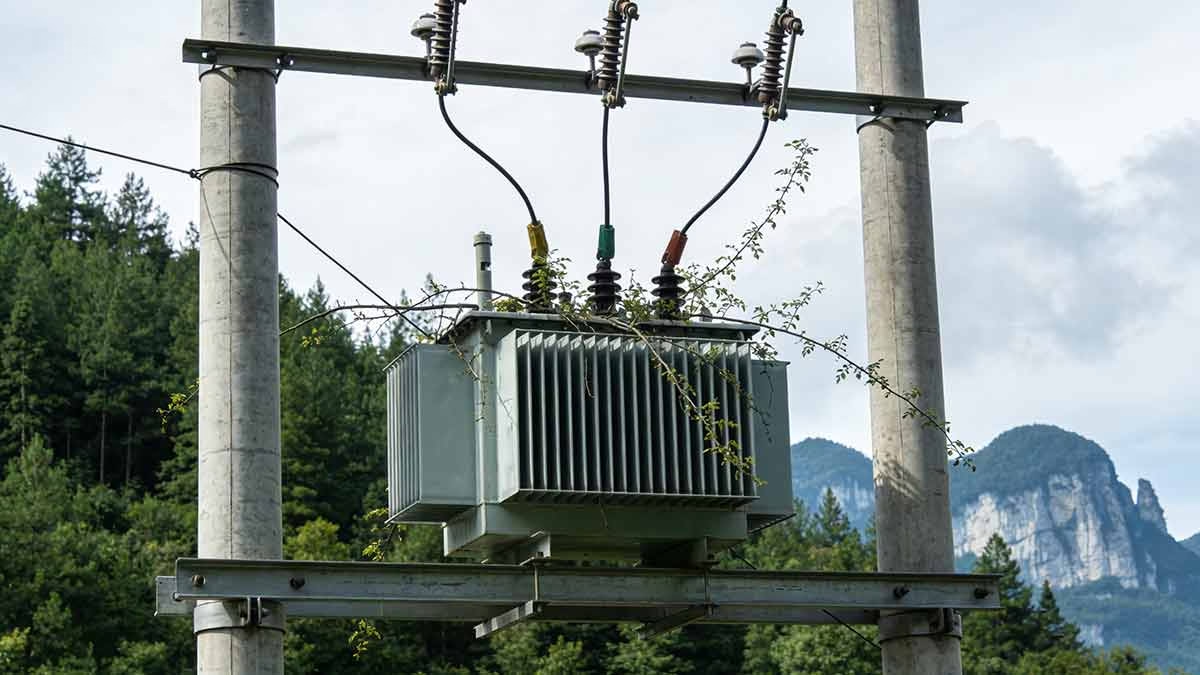
How to Maximize the Performance of Elevated Pole Mounted Distribution Transformer in Smart Grids?
When pole mounted distribution transformers are elevated on utility poles, they face unique performance challenges—from increased exposure to weather to limited physical access for maintenance. A key question for utility operators is: How can we ensure these elevated smart grid components operate at peak efficiency and reliability? The answer lies in targeted optimization strategies that address the specific needs of elevated transformers.
Elevated transformers are critical nodes in rural smart grids, but their position creates distinct requirements. Maximizing their performance requires a combination of advanced technology integration, proactive maintenance, and environmental adaptation. By focusing on these areas, utilities can ensure that these high-mounted components deliver maximum efficiency, minimal downtime, and long service life—even in the most challenging rural environments.
Precision Monitoring for Elevated Assets
Monitoring elevated transformers is more complex than ground-mounted units, but advanced systems make it possible:
- Multi-sensor arrays that measure load, temperature, vibration, and oil condition—providing a 360-degree view of transformer health
- Wireless data transmission that eliminates the need for physical cabling, reducing installation complexity and maintenance needs
- Cloud-based dashboards that aggregate data from multiple elevated transformers, allowing utilities to monitor entire rural networks from a central location
Energy Loss Optimization for Long-Distance Distribution
Elevated transformers in rural areas often serve long distribution lines, making energy loss reduction critical. Optimization strategies include:
- High-efficiency core materials (amorphous metal, grain-oriented silicon steel) that minimize no-load losses, which are constant regardless of load
- Optimal winding configurations (low-resistance copper, optimized turns ratio) that reduce load losses during peak usage
- Voltage regulation systems that maintain optimal voltage levels along long lines, reducing power loss and improving end-user power quality
Dynamic Load Management for Rural Demand Patterns
Rural load patterns are often variable—with peak demand during farming hours, school times, or seasonal events. Elevated transformers can handle this with:
- Real-time load balancing that redistributes power across phases, preventing overloading of individual lines
- Demand response integration that communicates with smart meters to shift non-critical loads to off-peak hours
- Load forecasting algorithms that predict peak demand periods, allowing utilities to adjust supply proactively
Remote Maintenance and Troubleshooting
Accessing elevated transformers for maintenance is time-consuming and costly. Remote capabilities reduce the need for on-site visits:
- Remote diagnostic tools that allow technicians to identify issues without climbing poles or disconnecting power
- OTA firmware updates that add new features or fix bugs without physical access
- Remote control of protective devices (e.g., circuit breakers, fuses) that can isolate faults and restore power without on-site intervention
Environmental Adaptation for Elevated Positions
Elevated transformers are more exposed to wind, rain, and temperature extremes than ground-mounted units. Adaptation features include:
- Wind-resistant mounting systems that secure transformers to poles even in high winds, preventing sway or damage
- Heat-dissipating enclosures that maintain optimal operating temperature, even in direct sunlight
- De-icing systems for cold climates that prevent ice buildup on bushings and connections, avoiding flashovers
Performance Optimization Feature | Direct Performance Benefit | Grid-Level Impact |
|---|---|---|
Precision Monitoring | Early detection of potential failures | Reduced unplanned downtime across the network |
Energy Loss Optimization | Lower energy waste per transformer | Improved overall grid efficiency, lower costs |
Dynamic Load Management | Balanced power distribution | Enhanced grid stability, fewer overloads |
Remote Maintenance | Faster issue resolution | Reduced maintenance costs, improved reliability |
Environmental Adaptation | Consistent performance in harsh conditions | Uniform power quality across rural areas |
In a rural electrification project in Southeast Asia, we implemented these performance optimization strategies for 50+ elevated pole mounted distribution transformers. The results were striking: over one year, the utility saw a 15% reduction in overall distribution losses, a 40% decrease in maintenance costs (due to fewer on-site visits), and a 25% improvement in customer satisfaction scores related to power reliability. The project engineer noted: “By focusing on the unique needs of elevated transformers, we didn’t just improve individual unit performance—we elevated the entire rural grid’s capabilities.”
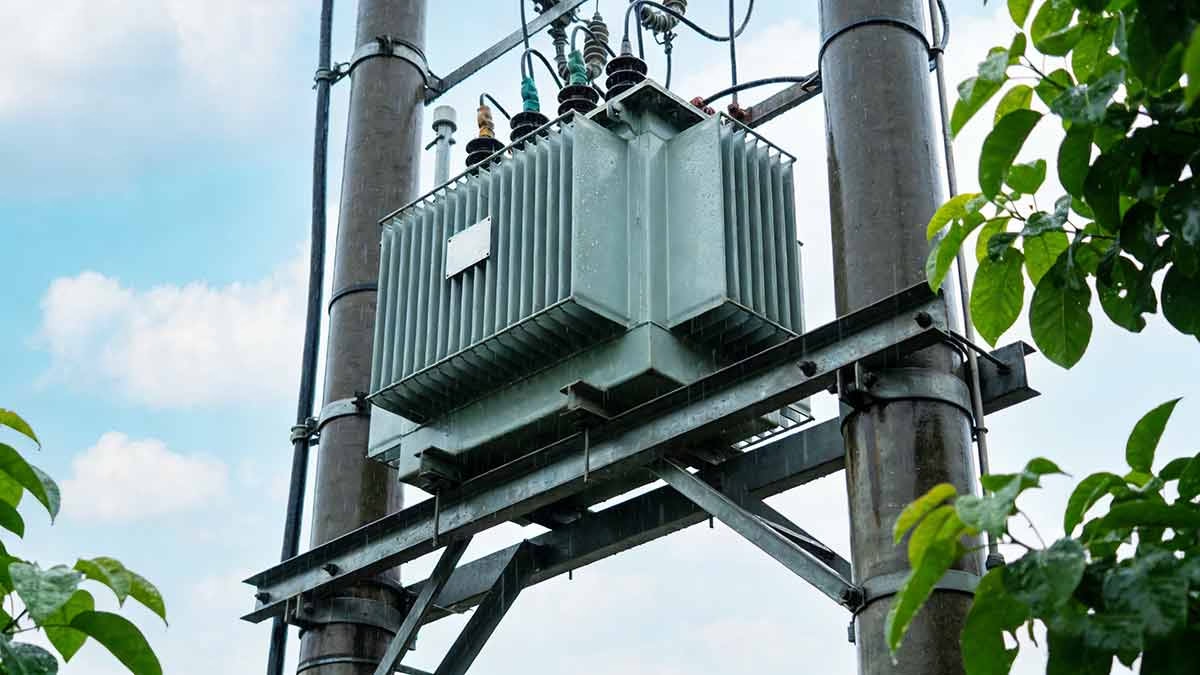
How Can Pole Mounted Distribution Transformer Act as Catalysts for Rural Modernization?
A visionary question for rural development stakeholders is: Can power infrastructure do more than just deliver electricity? For pole mounted distribution transformers, the answer is a resounding “yes.” These devices are emerging as key catalysts for rural modernization, enabling not just electrification but also the adoption of smart technologies, renewable energy, and digital connectivity that drive economic growth and improve quality of life.
Rural modernization requires more than basic utilities—it needs infrastructure that supports education, healthcare, agriculture, and business innovation. Pole mounted distribution transformers are uniquely positioned to provide this foundation, as they serve as both power delivery systems and digital nodes for advanced technologies. By enabling these capabilities, they’re bridging the urban-rural divide and creating new opportunities for remote communities.
Enabling Renewable Energy Transition in Rural Areas
Modern rural communities increasingly seek sustainable energy solutions. Pole mounted distribution transformers support this transition by:
- Integrating distributed solar and wind energy into the grid, reducing reliance on fossil fuels, and lowering carbon footprints
- Managing variable renewable output to ensure grid stability, making clean energy a viable option for rural areas
- Enabling net metering programs that allow rural residents and businesses to sell excess renewable energy back to the grid, creating new income streams
Supporting Digital Connectivity and IoT Applications
Digital connectivity is a cornerstone of modernization, and pole mounted transformers can serve as IoT hubs:
- Providing power and connectivity for rural broadband and 5G infrastructure, bringing high-speed internet to remote areas
- Supporting smart agriculture technologies (soil sensors, automated irrigation, precision farming equipment) that improve crop yields and reduce resource waste
- Enabling smart public services (street lighting, water management, waste collection) that improve the quality of life and reduce municipal costs
Facilitating Electric Vehicle (EV) Adoption in Rural Areas
EV adoption is a key part of modernization, but rural areas often lack charging infrastructure. Pole mounted distribution transformers address this by:
- Supporting on-pole EV charging stations that leverage existing infrastructure, reducing the cost of deploying charging networks
- Managing EV charging loads to prevent grid overloads, ensuring reliable power for both charging and other needs
- Enabling vehicle-to-grid (V2G) technology that allows EV batteries to store excess grid power and feed it back during peak demand, enhancing grid resilience
Integrating Energy Storage for Reliable Power
Energy storage is critical for modern rural grids, and transformers play a key role in this integration:
- Connecting with battery storage systems that store excess power for use during outages or peak demand
- Enabling peak shaving (reducing power usage during high-demand periods) and load shifting (moving usage to low-demand periods), lowering electricity costs for rural consumers
- Enhancing microgrid resilience, allowing rural communities to operate independently during main grid failures
Driving Economic Development Through Reliable Power
Reliable electricity is the foundation of rural economic growth. Pole mounted distribution transformers enable this by:
- Providing consistent power for small businesses (e.g., farms, workshops, rural clinics) that rely on electricity to operate
- Attracting new investments to rural areas by demonstrating reliable infrastructure
- Enabling new economic activities (e.g., online businesses, agri-processing, telecommuting) that were previously impossible due to unreliable power
Modernization Aspect | Traditional Rural Grid Capability | Pole Mounted Transformer-Enabled Capability |
|---|---|---|
Energy Sources | Centralized, fossil-fuel dependent | Distributed, renewable-integrated systems |
Digital Connectivity | Limited or non-existent | IoT-enabled smart networks with broadband support |
Transportation | No EV charging infrastructure | On-pole charging stations with V2G capability |
Energy Resilience | Dependent on the main grid, frequent outages | Integrated storage and microgrid capabilities |
Economic Activity | Limited by unreliable power | Diverse, technology-enabled businesses |
A transformative example comes from a rural community in Africa that partnered with a power utility to deploy advanced pole mounted distribution transformers. The project included renewable energy integration, IoT connectivity, and EV charging support. Within two years, the community saw remarkable changes: solar energy adoption increased by 200%, 80% of households gained access to high-speed internet, and three new agri-processing businesses opened (enabled by reliable power). The community leader stated, “These transformers have been the catalyst for our development. We’re no longer a remote village—we’re a connected, sustainable community with opportunities for our youth.”
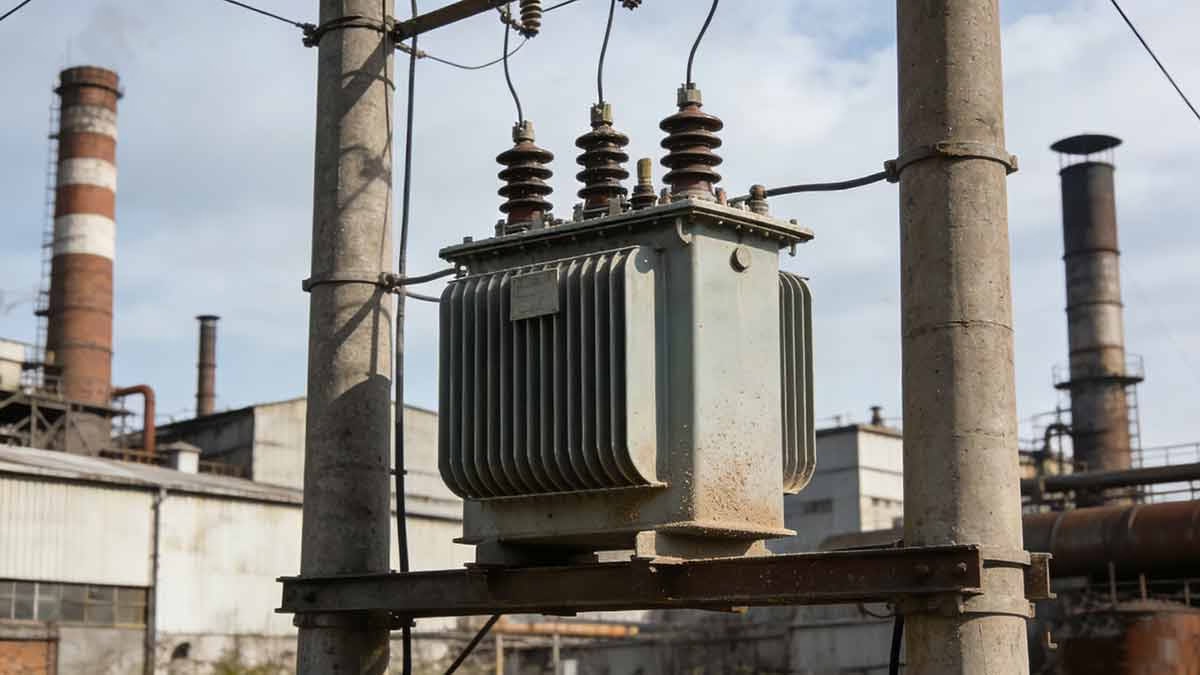
Another powerful case is a precision agriculture project in South America, where pole mounted transformers served as IoT nodes for a network of agricultural sensors. Farmers gained real-time data on soil moisture, temperature, and nutrient levels, allowing them to optimize irrigation and fertilizer use. Crop yields increased by 35%, and water usage decreased by 40%—a double win for both farmers’ incomes and environmental sustainability. A local farmer explained: “The transformer on the pole isn’t just powering my equipment—it’s powering a smarter, more profitable way to farm.”
Conclusion: The Central Role of Pole Mounted Distribution Transformer in Rural Electrification and Modernization
The question of how to effectively electrify and modernize rural areas has long challenged power engineers, policymakers, and community leaders. As we’ve explored, pole mounted distribution transformers offer a comprehensive solution that goes far beyond basic power delivery. These devices are reshaping rural electrification by integrating smart grid technologies, overcoming unique rural challenges, maximizing efficiency, and serving as catalysts for countryside modernization.
From weather-hardened designs that withstand extreme conditions to smart integration that connects traditional grids to modern networks, pole mounted distribution transformers are engineered to meet the specific needs of rural areas. Their ability to support renewable energy, enable digital connectivity, and facilitate EV adoption is bridging the urban-rural divide, creating vibrant, sustainable communities that can compete with cities in terms of quality of life and economic opportunity.
The real impact of these transformers is measured not just in kilowatts delivered but in lives improved: students accessing online education, farmers increasing crop yields through precision agriculture, businesses thriving with reliable power, and communities reducing their carbon footprint through renewable energy. As rural areas continue to grow and evolve, pole mounted distribution transformers will remain critical to their success—adapting to new technologies, supporting changing needs, and driving progress for generations to come.
For utilities, policymakers, and rural communities looking to embrace the future of electrification, the message is clear: investing in advanced pole mounted distribution transformers is not just an investment in power infrastructure—it’s an investment in the modernization, sustainability, and prosperity of rural areas worldwide.