
If you’re managing transformers or involved in power equipment maintenance, you’ve probably encountered the headache of oil leakage. Transformers leak oil more often than many people realize, and what starts as a tiny seepage can quickly escalate into costly downtime, safety hazards, and environmental risks. Over my 15+ years in the transformer industry, I’ve diagnosed and resolved hundreds of oil leakage cases—from small distribution transformers to large power transformers. Today, I’ll break down exactly why transformers leak oil, what risks these leaks pose, and how to address them effectively. Let’s get started!
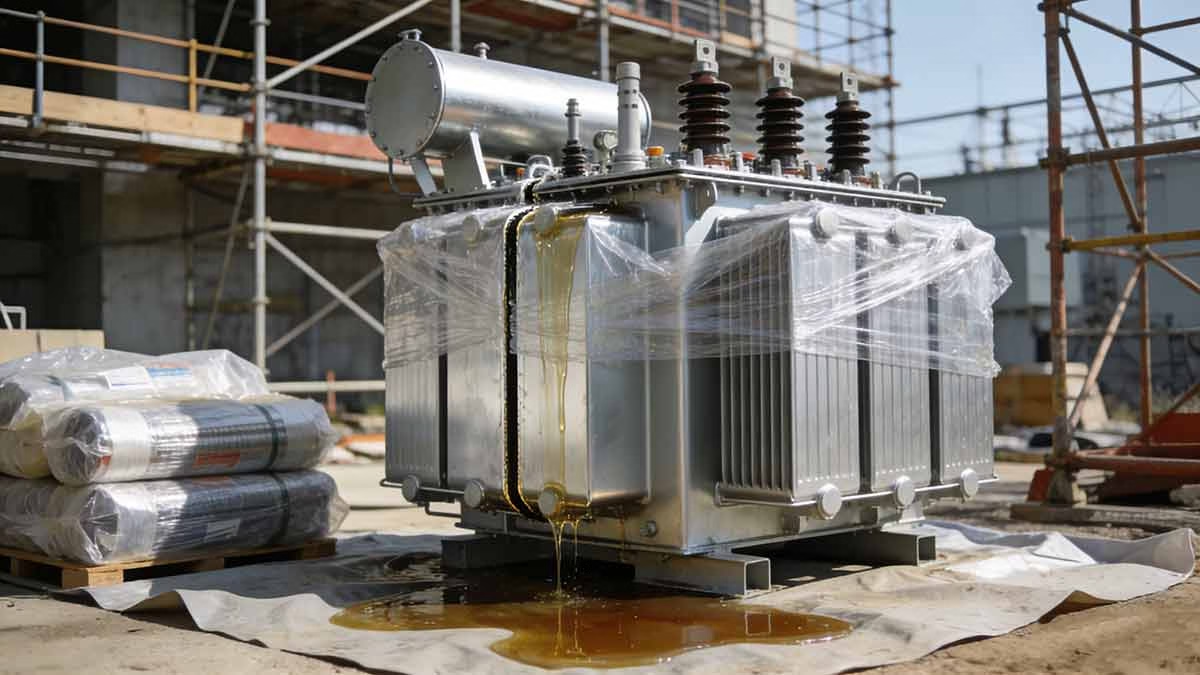
Transformers rely on insulating oil to maintain operational efficiency, cool internal components, and prevent electrical arcing. When this oil escapes, it doesn’t just mean a loss of essential lubrication and insulation—it can also lead to overheating, equipment failure, and even fires if the oil comes into contact with hot surfaces. What’s more, transformer oil is often classified as a hazardous substance, so unchecked leaks can result in environmental contamination and regulatory penalties. The good news is that most oil leaks are preventable with the right knowledge and maintenance practices. Let’s first explore the core reasons why transformers leak oil.
Contents
hide
What Are the Primary Triggers for Transformers Leak Oil? Uncovering Hidden Culprits
You might be wondering: Why does my transformer keep leaking oil, while others seem to run leak-free for years? The answer lies in the complex interplay of mechanical stress, environmental factors, maintenance practices, and component aging. Unlike simple equipment malfunctions, transformer oil leakage rarely has a single cause—it’s often a combination of issues that weaken the transformer’s structural and sealing integrity over time.
The most common triggers for transformer oil leaks include degraded gaskets and seals, loose or damaged fittings, cracked welds, mechanical wear, temperature fluctuations, corrosion, and inadequate maintenance. Each of these factors can create pathways for oil to escape, and once one leak point forms, it can put additional stress on other components, leading to more leaks. To effectively stop and prevent oil leakage, you first need to identify the root cause—and that starts with understanding each potential trigger in detail.
Over the years, I’ve noticed that many teams waste time and resources replacing parts without addressing the underlying issue. For example, a client once replaced gaskets three times in six months only to discover that the real problem was excessive vibration, causing bolts to loosen. By the end of this section, you’ll be able to spot the signs of each leak trigger and avoid these costly mistakes.
How Do Gasket and Seal Failures Cause Transformers Leak Oil? Key Warning Signs
Gaskets and seals are the first line of defense against oil leakage in transformers, and their failure is the number one reason why transformers leak oil. These components are designed to create a tight barrier between moving parts, joints, and openings (like manholes, bushings, and radiator connections), but they’re highly susceptible to wear, aging, and improper installation.
Age-Related Degradation of Seals and Gaskets
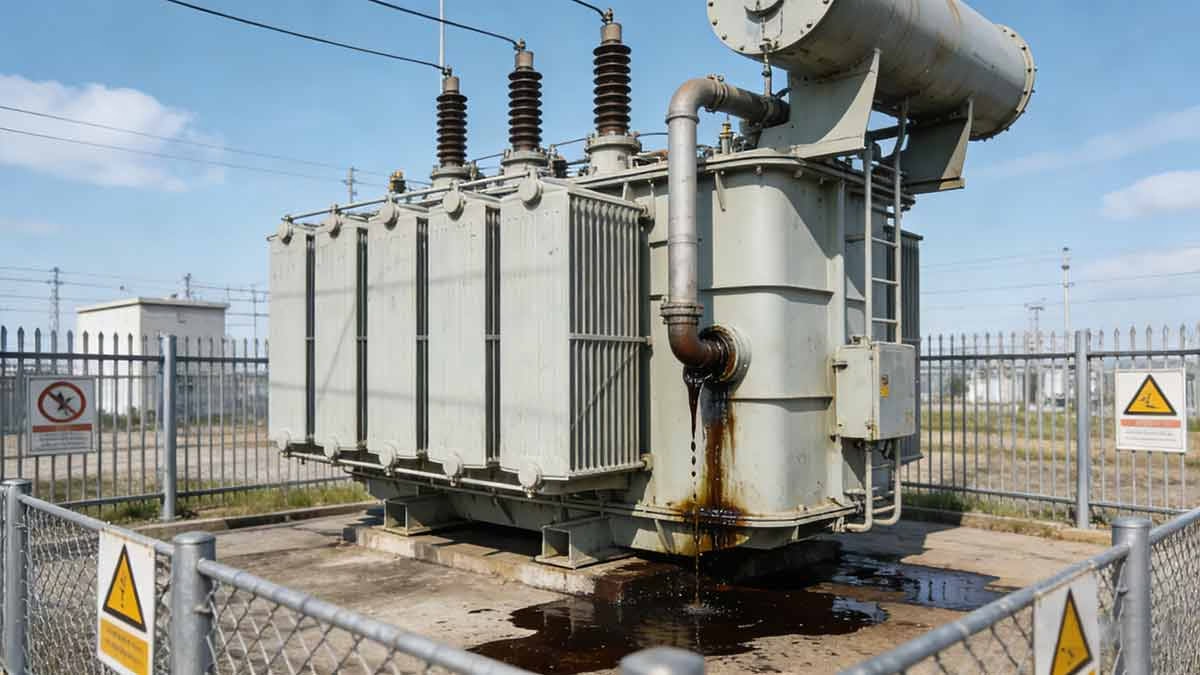
Most transformer gaskets are made from rubber, silicone, or nitrile materials—all of which degrade over time. Exposure to transformer oil, heat, and oxygen causes these materials to lose elasticity, become brittle, and develop cracks. I’ve seen transformers as young as 5 years old develop gasket failures because of poor material quality, but it’s most common in units older than 10 years. When gaskets harden, they can no longer conform to the irregularities of mating surfaces, creating tiny gaps where oil can seep out.
Improper Installation Practices
Even high-quality gaskets will fail if installed incorrectly—and this is a leading cause of premature oil leakage. Two of the most common mistakes are overtightening and undertightening bolts. Overtightening crushes the gasket, damaging its structure and creating permanent deformation. Undertightening, on the other hand, leaves gaps between the gasket and the mating surface. I once worked with a team that had overtightened the manhole cover bolts on a new transformer, causing the gasket to split within a month of installation. The result was a significant oil leak that required draining the entire unit to replace the gasket.
Another installation error is using gaskets that are the wrong size or material. For example, using a general-purpose rubber gasket in a transformer that operates at high temperatures will lead to rapid degradation. Always use gaskets that are specifically designed for transformer applications and compatible with the type of oil in your unit.
Common Seal Failure Points to Inspect
Not all seals are equally prone to failure. Based on my experience, the following areas are the most likely to cause transformers leak oil due to seal degradation:
- Bushing Seals: These seals are often overlooked during routine maintenance but are exposed to UV radiation and ozone, which accelerate degradation. Bushing leaks are particularly dangerous because they can lead to electrical arcing.
- Manhole Cover Seals: Frequent opening and closing for maintenance can damage these seals. Improper reinstallation—such as not cleaning the mating surface before replacing the cover—is a common mistake.
- Radiator Connection Seals: Radiators are subject to constant thermal cycling (heating and cooling), which puts stress on seals. Additionally, cleaning radiators with high-pressure water can damage seals if not done carefully.
- Valve Seals: Valves are used to drain or sample oil, and their seals can wear out from repeated use. Vibration from the transformer can also loosen valve packing, leading to leaks.
Loose Fittings and Cracked Welds: Overlooked Causes of Transformers Leak Oil
After gasket failures, loose fittings, and cracked welds are the next most common reasons why transformers leak oil. These issues are often hard to detect because the leaks can be small or intermittent, but they can cause significant damage over time. Let’s break down each of these causes and how to identify them.
Loose Fittings and Connections
Transformers have dozens of fittings and connections—including bolts, flanges, pipe joints, and valve stems—that can loosen over time. The primary culprits are vibration from the transformer’s core and windings, thermal cycling, and improper torque during installation. Even a bolt that’s slightly loose can create a gap large enough for oil to seep out.
The table below highlights the most common loose-fitting issues and their potential causes:
Component | Common Leak Issue | Primary Cause |
|---|---|---|
Valves | Loose packing or stem leaks | Vibration, thermal cycling, repeated use |
Flanges | Bolt loosening or uneven pressure | Improper torque during installation, thermal expansion |
Pipe Joints | Thread wear or sealant degradation | Frequent maintenance, poor quality thread sealant |
Bushing Mounts | Loose bolts or gasket compression loss | Vibration, UV-induced seal degradation |
One of the best ways to prevent loose-fitting leaks is to implement a regular torque inspection program. Using a calibrated torque wrench to retighten bolts according to the manufacturer’s specifications can stop leaks before they start. I recommend checking critical fittings every 6 months and all fittings during annual maintenance.
Cracked Welds: A Silent Threat for Transformers Leak Oil
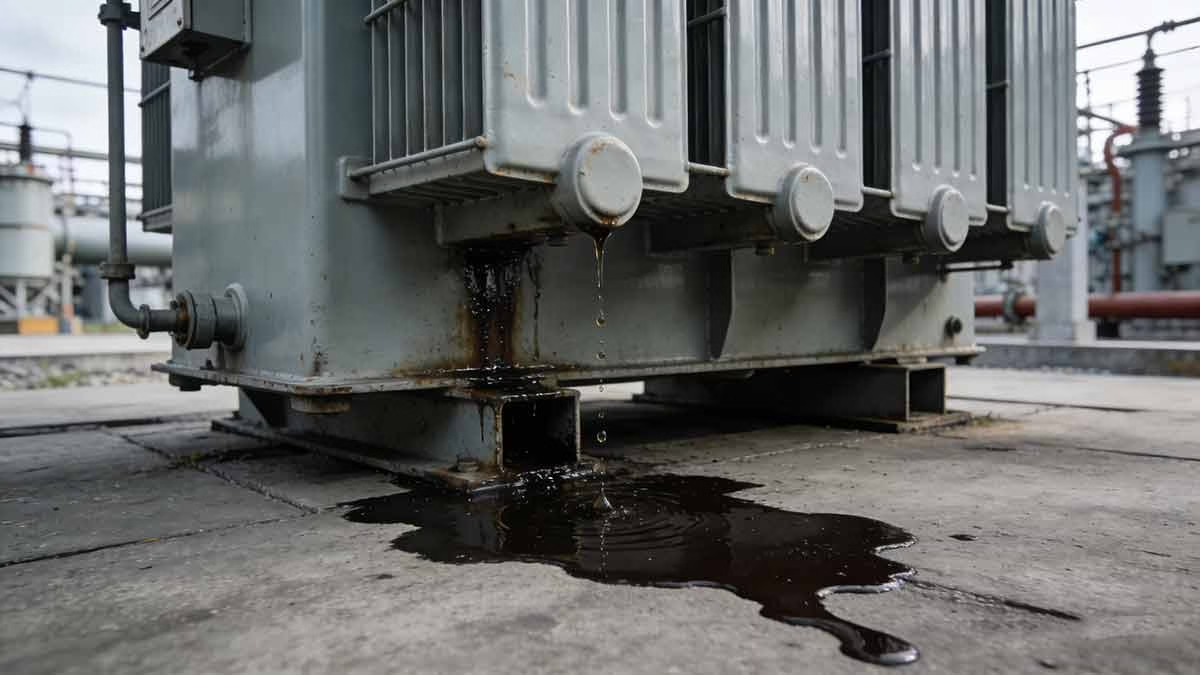
Welded joints—such as those on the transformer tank, radiator, and oil lines—are prone to cracking, especially in older units. These cracks are often hairline and hard to see with the naked eye, making them a silent threat. I once worked on a transformer that had been leaking oil for months, and the maintenance team had replaced gaskets and tightened fittings multiple times without success. After using an ultrasonic testing device, we discovered a tiny crack in the weld at the bottom of the tank—so small that it was almost invisible. This crack was causing a slow but steady leak that cost the client thousands of dollars in oil replacement and lost efficiency.
The primary causes of welded cracks include:
- Thermal Stress: Repeated heating and cooling cycles cause the metal to expand and contract. Different materials (like steel and copper) expand at different rates, putting stress on welds over time.
- Mechanical Stress: Vibration from the transformer’s core and windings, as well as external forces (like wind, seismic activity, or accidental impacts), can weaken welds.
- Manufacturing Defects: Poor weld quality during production—such as incomplete penetration, porosity, or lack of post-weld heat treatment—can create hidden weaknesses that manifest as cracks later in the transformer’s life.
To detect welded cracks, I recommend using non-destructive testing (NDT) methods like ultrasonic testing or magnetic particle inspection during annual maintenance. These methods can identify cracks before they become large enough to cause significant leaks.
How Mechanical Failures Lead to Transformers Leak Oil? Wear and Tear Risks
Transformers are complex mechanical systems, and even minor mechanical failures can lead to oil leakage. Mechanical issues often start small—like a loose bolt or a worn bearing—but they can escalate quickly if not addressed. The key is to recognize the signs of mechanical wear before they result in leaks.
Vibration-Induced Damage
All transformers produce vibration during operation, but excessive vibration can cause a range of mechanical issues that lead to oil leaks. Vibration from the core and windings can loosen bolts, misalign components, and damage gaskets and seals. External vibration sources—like nearby machinery, traffic, or construction—can exacerbate these issues.
Resonance is another vibration-related problem that’s often overlooked. Resonance occurs when the frequency of external vibration matches the natural frequency of the transformer, amplifying the vibration and causing rapid wear. I once worked with a client whose transformers were located near a manufacturing plant with large pumps. The pump vibration was causing resonance in the transformers, leading to frequent gasket failures and oil leaks. The solution was to install vibration dampeners between the transformers and the concrete pad.
Material Fatigue and Design Flaws
Over time, the metal components of a transformer—like the tank walls, welds, and fittings—experience fatigue from repeated stress. This fatigue can lead to cracks and deformation, creating leak points. The table below outlines common fatigue mechanisms and their results:
Component | Fatigue Mechanism | Result |
|---|---|---|
Tank Walls | Cyclic stress from thermal expansion and contraction | Crack formation and oil seepage |
Gaskets | Compression set from constant pressure and thermal cycling | Loss of sealing properties and oil leaks |
Welds | Repeated stress from vibration and thermal cycling | Crack initiation and growth |
Fittings | Torsional stress from vibration and bolt loosening | Thread wear and leak formation |
In some cases, oil leaks can be traced back to design flaws. For example, a transformer with inadequate reinforcement ribs may experience uneven stress distribution, leading to accelerated fatigue. I once investigated a batch of transformers from the same manufacturer that were all developing leaks. After extensive analysis, we discovered that a slight miscalculation in the tank design was causing excessive stress on the welds during thermal cycling. The manufacturer had to issue a recall and modify the design to fix the issue.
Temperature Fluctuations: How Heat and Cold Cause Transformers Leak Oil
Have you ever noticed that your transformer leaks more in extreme weather? Temperature fluctuations are a major contributor to oil leakage, as they affect both the seals and the transformer oil itself. Let’s explore how heat and cold impact transformer integrity and lead to leaks.

Material Expansion and Contraction
When temperatures rise, the metal components of a transformer expand; when temperatures fall, they contract. This thermal cycling puts significant stress on gaskets, seals, and welds. Different materials expand at different rates—for example, steel expands more slowly than aluminum—creating gaps or excessive pressure on the sealing surfaces. Over time, this repeated stress causes seals to degrade and welds to crack, leading to oil leaks.
High temperatures can also cause permanent deformation of gaskets (known as compression set). When a gasket is exposed to prolonged heat, it loses its ability to return to its original shape, creating gaps where oil can seep out. Conversely, low temperatures can make gasket materials brittle, causing them to crack and lose flexibility.
Changes in Oil Viscosity
Transformer oil’s viscosity (thickness) changes with temperature, and this affects its ability to stay contained. At high temperatures, oil becomes less viscous (thinner), making it more likely to seep through small gaps. At low temperatures, oil becomes more viscous (thicker), putting additional pressure on seals and potentially causing them to extrude or become damaged. The table below summarizes how temperature affects oil viscosity and seal performance:
Temperature Condition | Oil Viscosity Change | Effect on Seals and Leak Risk |
|---|---|---|
High (Above 40°C) | Decreased (thinner oil) | Increased leakage through small gaps; accelerated seal degradation |
Low (Below 0°C) | Increased (thicker oil) | Seal extrusion risk; brittle seal materials may crack |
Fluctuating (Daily/Seasonal) | Variable (cycles between thin and thick) | Cyclic stress on seals; accelerated fatigue and leak formation |
I once worked on a transformer located in a region with extreme temperature swings—hot summers (above 35°C) and cold winters (below -10°C). Despite using high-quality seals, the unit experienced recurring leaks. After analyzing the temperature data, we discovered that the daily temperature cycle was causing the seals to expand and contract by up to 2mm, leading to premature failure. The solution was to replace the standard seals with a composite material designed for wide temperature ranges and install additional insulation to reduce the rate of temperature change.
Corrosion and Wear: How Environmental Factors Cause Transformers Leak Oil
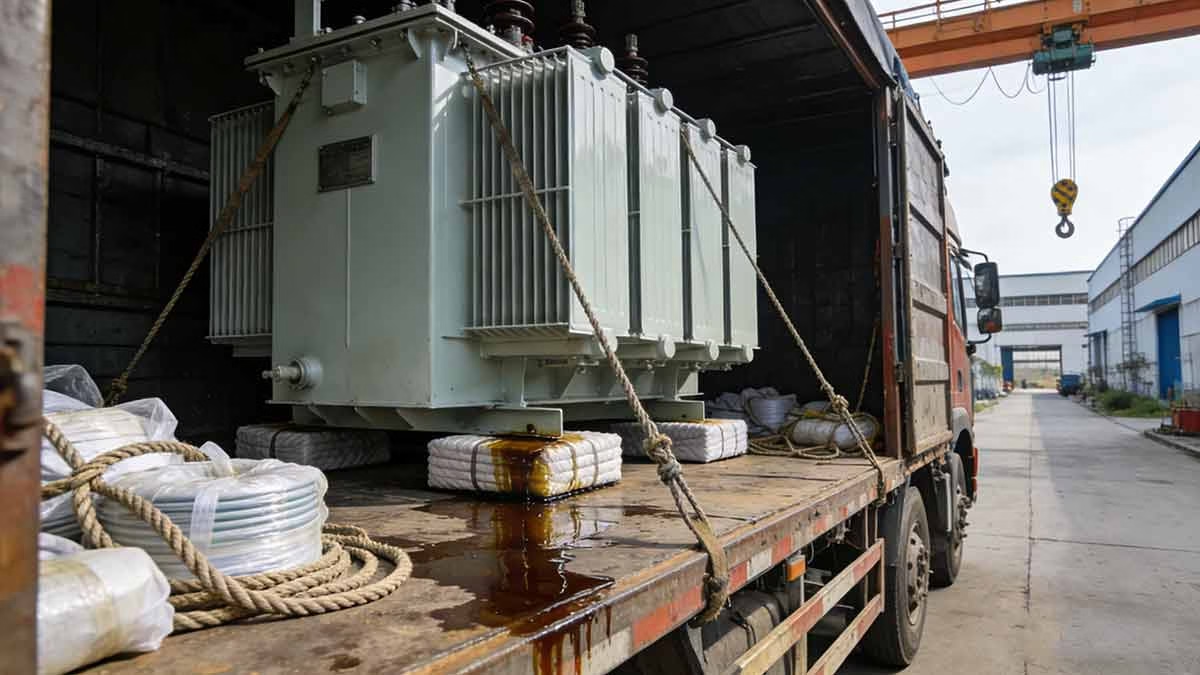
Corrosion is a silent killer for transformers, weakening metal components and creating leak points over time. Environmental factors like humidity, saltwater, industrial pollutants, and even the transformer oil itself can cause corrosion. Unlike mechanical wear, corrosion often progresses slowly, making it hard to detect until it’s too late.
Types of Corrosion That Lead to Oil Leaks
There are several types of corrosion that commonly affect transformers, each with its own causes and effects:
- Galvanic Corrosion: This occurs when two dissimilar metals (like steel and copper) come into contact in the presence of moisture or oil. The metals act as electrodes, causing one metal to corrode faster than the other. Galvanic corrosion is common in joints and connections, where different metals are used.
- Pitting Corrosion: This is a localized form of corrosion that creates small holes (pits) in the metal surface. Pitting is often caused by saltwater, industrial chemicals, or acidic oil. These tiny pits can quickly turn into pinhole leaks, allowing oil to escape.
- Crevice Corrosion: This occurs in tight spaces (like between gaskets and mating surfaces) where moisture and pollutants can become trapped. Crevice corrosion undermines sealing surfaces, making it harder for gaskets to form a tight seal.
I once encountered a transformer that had been in service for 30 years in a coastal environment. Despite regular maintenance, the unit had developed multiple small leaks. Upon inspection, we found severe pitting corrosion on the tank walls and flange connections, caused by salt spray from the nearby ocean. The corrosion had created hundreds of tiny pinholes, making it impossible to repair— the transformer had to be replaced.
Factors That Accelerate Corrosion
Several environmental and operational factors can speed up corrosion and increase the risk of oil leaks:
- Environmental Conditions: High humidity, saltwater exposure (in coastal areas), and industrial pollutants (like sulfur dioxide and nitrogen oxides) all accelerate corrosion.
- Oil Quality: Transformer oil that becomes acidic (due to oxidation) can corrode metal components. Contaminants in the oil—like water, dust, and metal particles—also contribute to corrosion.
- Maintenance Practices: Improper cleaning methods (like using harsh chemicals), neglecting protective coatings, and using incompatible materials during repairs can all accelerate corrosion.
Poor Maintenance Practices: How They Contribute to Transformers Leak Oil
Many transformer oil leaks are not caused by equipment failure or environmental factors—they’re caused by poor maintenance practices. Well-intentioned but incorrect maintenance can create new leak points or exacerbate existing ones. Let’s explore the most common maintenance mistakes that lead to oil leaks and how to avoid them.
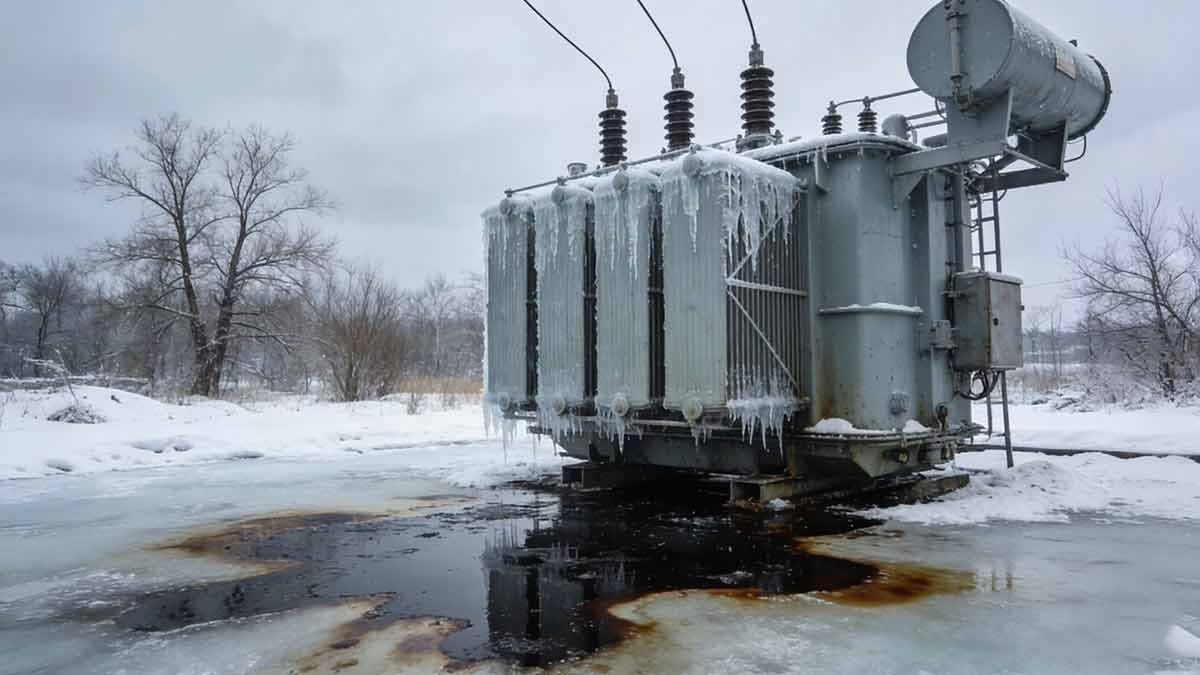
Common Maintenance Mistakes That Cause Leaks
The following are the most frequent maintenance errors I’ve seen that result in transformers leak oil:
- Overtightening or Undertightening Bolts: As mentioned earlier, overtightening crushes gaskets, while undertightening leaves gaps. Many maintenance teams use “feel” instead of calibrated torque wrenches, leading to inconsistent bolt tightness.
- Using Incorrect Replacement Parts: Using generic gaskets, seals, or fittings instead of the manufacturer’s specified parts is a common mistake. Generic parts may not be compatible with the transformer oil or operating conditions, leading to rapid failure.
- Improper Cleaning Methods: Cleaning transformer components with harsh chemicals (like solvents or bleach) can damage gaskets and seals. High-pressure water washing can also force water into sealed areas, causing corrosion and weakening seals.
- Neglecting Oil Testing: Failing to test transformer oil regularly can allow acidic or contaminated oil to circulate, corroding components and weakening seals. Oil testing should be done at least annually to check for acidity, moisture, and contaminants.
I once consulted on a case where a transformer developed multiple leaks shortly after routine maintenance. The investigation revealed that the maintenance team had used a generic gasket material instead of the specified silicone gasket and had overtightened the flange bolts. This incorrect approach caused the gaskets to fail and the flange surfaces to become distorted, resulting in significant oil leakage. The solution was to replace the gaskets with the correct type and retighten the bolts using a calibrated torque wrench.
Best Maintenance Practices to Prevent Leaks
To avoid maintenance-induced leaks, implement the following best practices:
- Use Calibrated Tools: Always use a calibrated torque wrench to tighten bolts to the manufacturer’s specifications. Avoid using impact wrenches, which can overtighten bolts.
- Use OEM or Approved Parts: Only use gaskets, seals, and fittings that are approved by the transformer manufacturer. Generic parts may save money in the short term, but will cost more in the long run due to leaks and failures.
- Train Maintenance Staff: Ensure that maintenance teams are properly trained on transformer-specific maintenance procedures. Many leaks occur because staff rely on general mechanical knowledge instead of transformer-specific guidelines.
- Implement a Regular Inspection Schedule: Inspect gaskets, seals, fittings, and welds regularly for signs of wear, corrosion, or damage. Early detection of issues can prevent leaks from forming.
- Test Oil Regularly: Conduct annual oil testing to check for acidity, moisture, and contaminants. If the oil is degraded, replace it or treat it with additives to restore its properties.
How to Diagnose and Fix Transformers Leak Oil: Step-by-Step Guide
Now that you understand the common causes of transformer oil leaks, let’s walk through how to diagnose and fix them. The key to effective repair is to first identify the root cause—otherwise, you may fix the symptom but not the problem.
Step 1: Locate the Leak
The first step is to find where the oil is leaking from. Start by visually inspecting the transformer, paying close attention to gaskets, seals, fittings, welds, and radiator connections. Look for oil stains, wet spots, or puddles around the unit. For small leaks, you can use a leak detection dye (added to the transformer oil) or a UV light to make the leak more visible.
If the leak is not visible, use an ultrasonic leak detector. This device can detect the sound of oil seeping through small gaps, even if the leak is not visible to the naked eye. I recommend using an ultrasonic detector for hard-to-find leaks— it’s saved me countless hours of inspection time.
Step 2: Identify the Root Cause
Once you’ve located the leak, determine the root cause. For example:
- If the leak is at a gasket, check if the gasket is degraded, crushed, or the wrong size.
- If the leak is at a fitting, check if the bolts are loose or the threads are worn.
- If the leak is at a weld, use NDT methods to check for cracks.
- If the leak is intermittent, consider temperature fluctuations or vibration as the cause.
Step 3: Repair the Leak
The repair method will depend on the root cause of the leak. Here are the most common repair techniques:
- Replace Gaskets/Seals: If the leak is due to a degraded or damaged gasket, replace it with the correct OEM part. Clean the mating surface thoroughly before installing the new gasket to ensure a tight seal.
- Retighten Fittings: If the leak is due to loose bolts, retighten them using a calibrated torque wrench. If the threads are worn, replace the bolt or fitting.
- Repair Welds: If the leak is due to a cracked weld, repair it using a qualified welder. After welding, perform NDT to ensure the repair is sound.
- Address Vibration/Temperature Issues: If the leak is due to vibration, install vibration dampeners. If it’s due to temperature fluctuations, replace seals with temperature-resistant materials and add insulation.
Step 4: Prevent Future Leaks
After repairing the leak, implement preventive measures to avoid future issues. This includes regular inspections, oil testing, torque checks, and proper maintenance training.
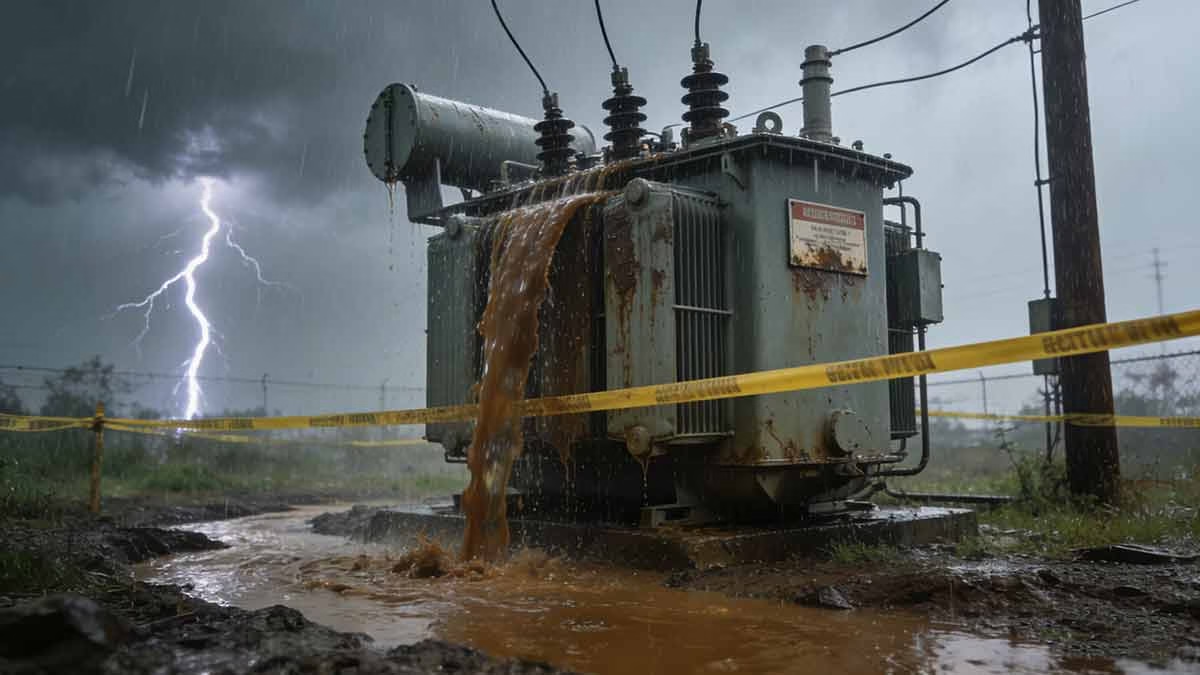
Conclusion: How to Keep Your Transformers Leak Oil-Free
Transformer oil leaks are a common but preventable problem. By understanding the primary causes—including gasket/seal failure, loose fittings, cracked welds, mechanical wear, temperature fluctuations, corrosion, and poor maintenance—you can take proactive steps to diagnose, repair, and prevent leaks. Remember, the key to leak-free operation is regular inspection, proper maintenance, and using high-quality parts.
If you’re struggling with persistent transformer oil leaks or need help implementing a preventive maintenance program, don’t hesitate to reach out to a qualified transformer service provider. With the right knowledge and practices, you can keep your transformers running efficiently and safely for years to come.
Got more questions about why transformers leak oil or how to fix them? Feel free to leave a comment below, and I’ll be happy to help!