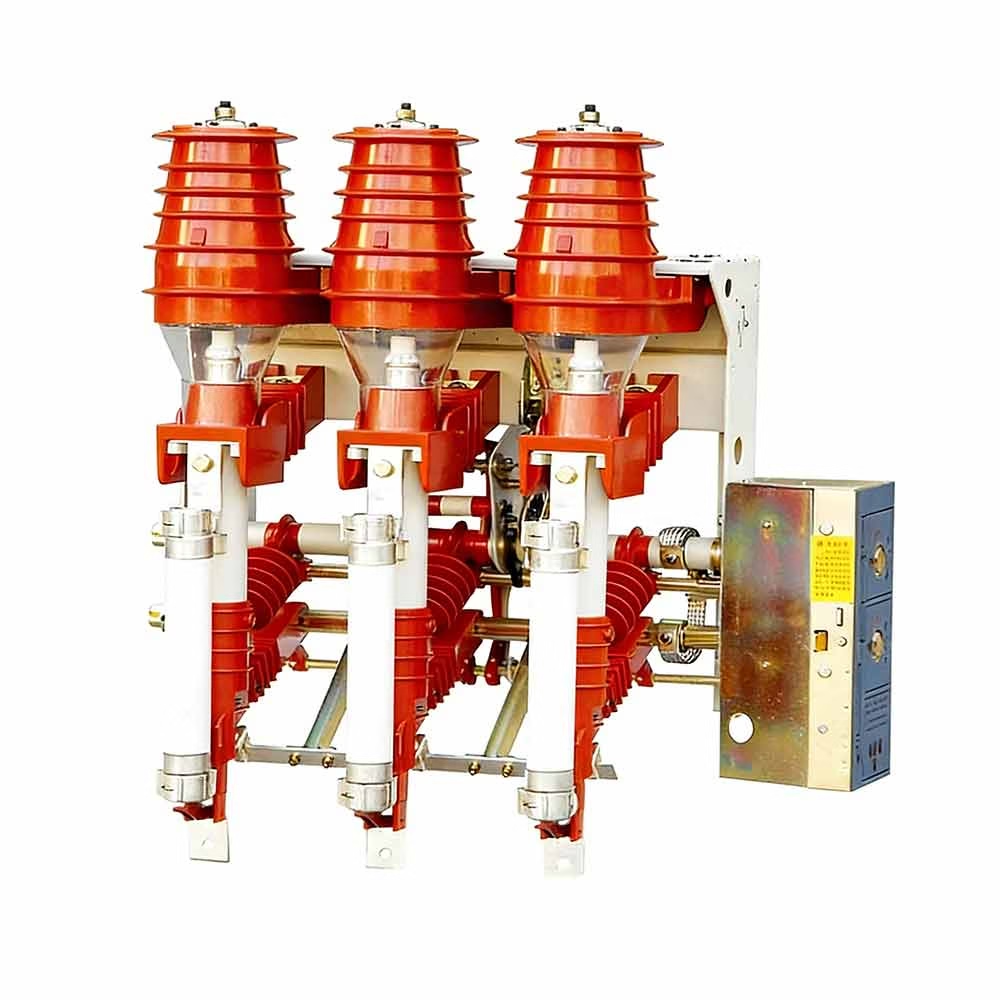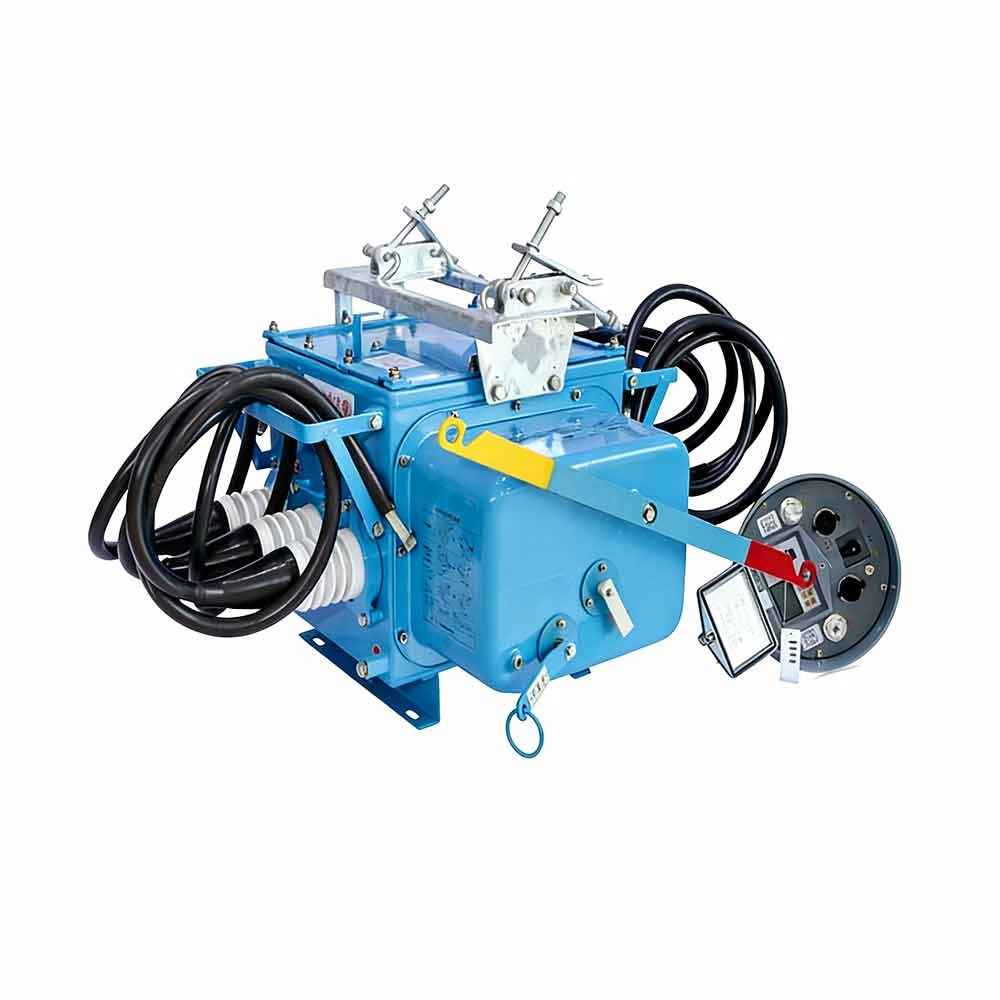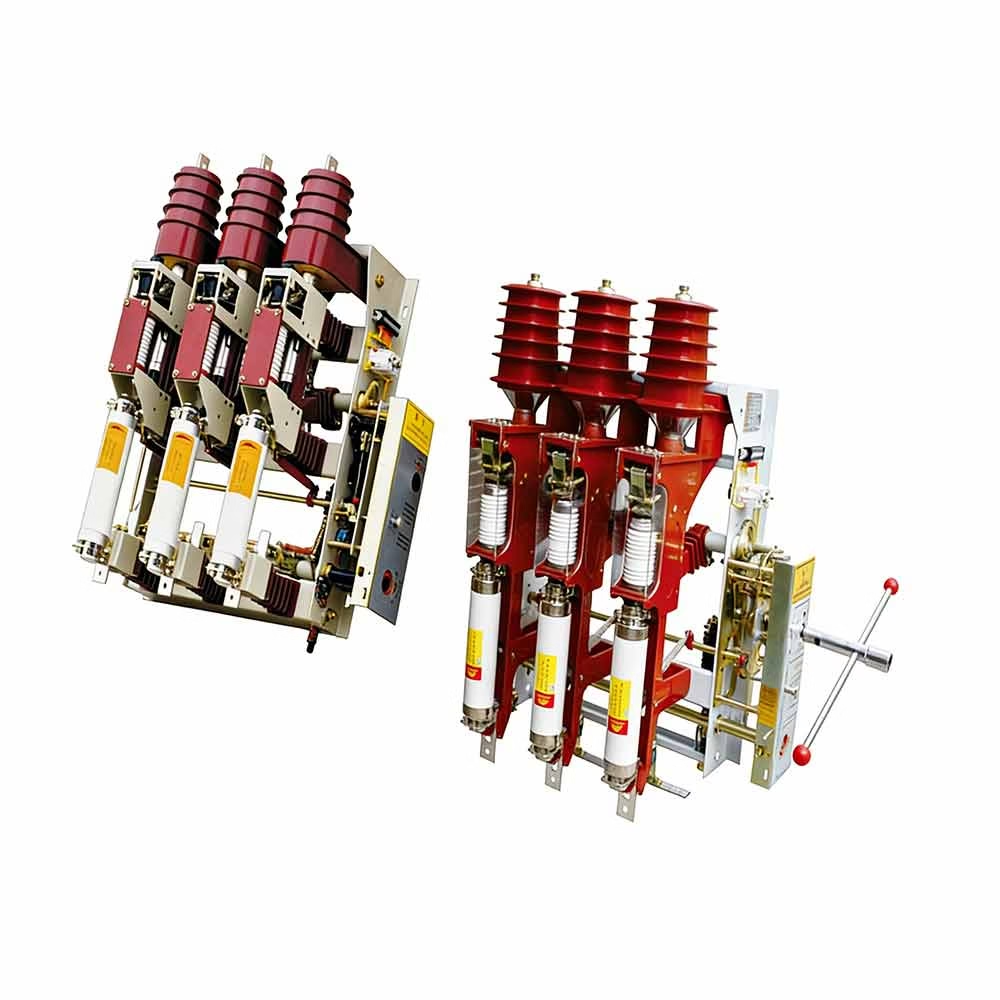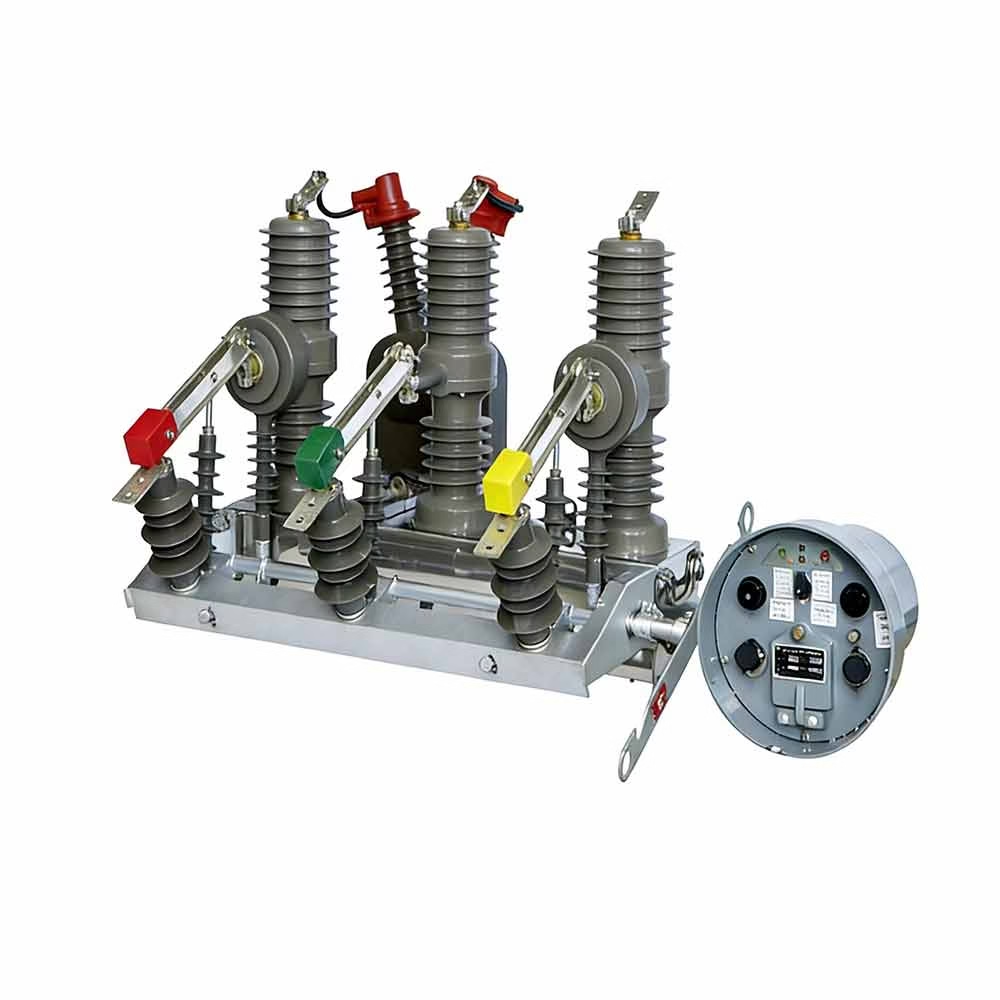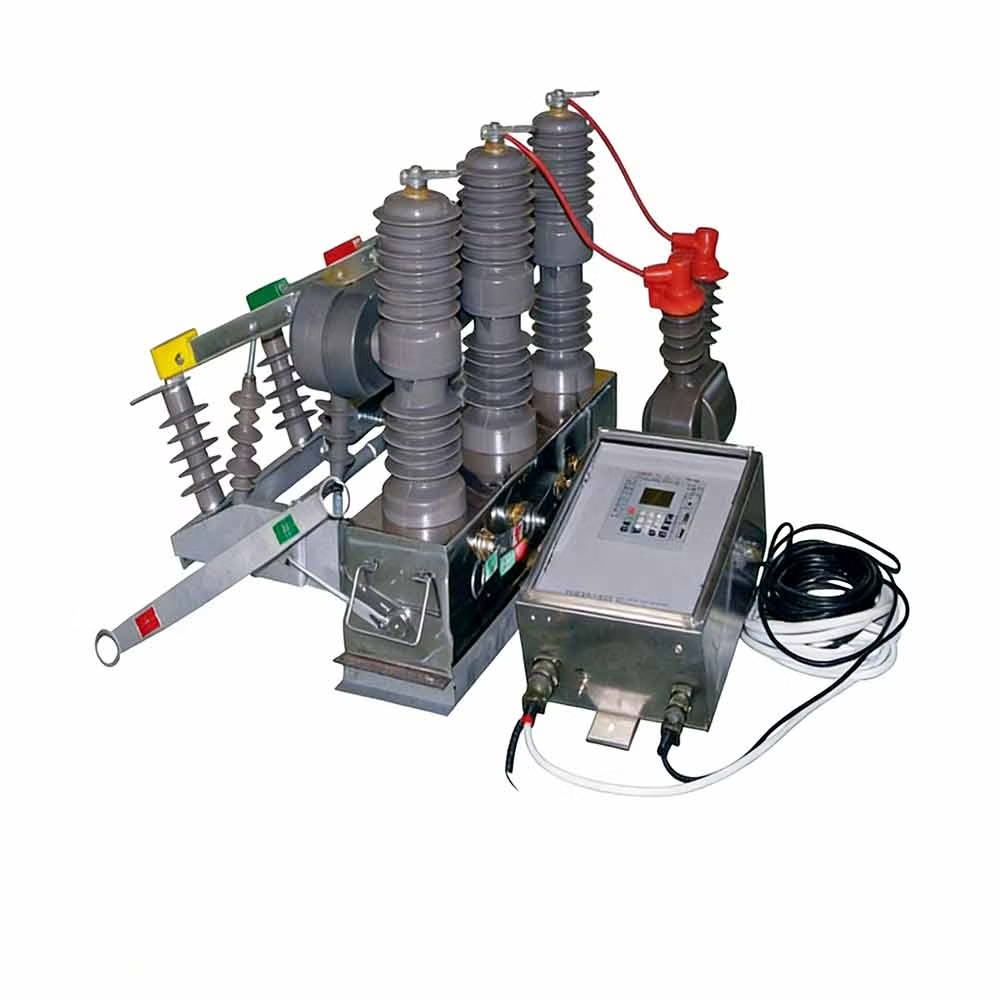


Description
Description of Intelligent Box-type Substation Transformer
In today’s fast-paced power industry, the demand for efficient, reliable, and smart electrical equipment is growing rapidly. Among these essential devices, the intelligent box-type substation transformer stands out as a game-changer. It combines the advantages of traditional box-type substations with advanced intelligent technologies, making it a key component in modern power distribution systems.
Whether you’re an electrical engineer, a power project manager, or someone interested in smart grid solutions, understanding this device is crucial. Let’s break down what it is, how it works, and why it matters.
1. What Is an Intelligent Box-type Substation Transformer?
First, let’s start with the basics. A box-type substation transformer (also called a “compact substation transformer”) is a prefabricated, enclosed device that steps down high-voltage electricity (from power grids) to low-voltage electricity (for homes, businesses, or industrial use). Unlike traditional open-air substations, it’s housed in a weather-resistant metal box, which saves space and reduces installation time.
The “intelligent” upgrade takes this device to the next level. It adds sensors, communication modules, and smart control systems. These features let the transformer collect real-time data, communicate with central management platforms, and even self-adjust to optimize performance. In short, it’s not just a “power converter”—it’s a “smart power manager.”
2. Key Components of an Intelligent Box-type Substation Transformer
To understand how it works, let’s look at its main parts. Each component plays a role in making the device efficient and intelligent:
- Transformer Core & Windings: The “heart” of the device. It uses magnetic cores and copper/aluminum windings to change voltage levels. High-quality materials here reduce energy loss (called “no-load loss”) and improve durability.
- Intelligent Monitoring Sensors: These detect temperature, oil level (for oil-immersed transformers), current, voltage, and humidity inside the box. For example, temperature sensors prevent overheating, which is a common cause of transformer failure.
- Communication Module: Connects the transformer to a remote control center via 4G, 5G, or Ethernet. This means engineers can check data (like voltage levels) from anywhere, without visiting the site.
- Smart Control Unit: Acts as the “brain.” It analyzes data from sensors and sends commands—like adjusting load distribution or triggering alarms if there’s a problem (e.g., a short circuit).
- Weather-Resistant Enclosure: Made of galvanized steel or aluminum alloy. It protects internal parts from rain, dust, and extreme temperatures (usually rated IP54 or higher, meaning it’s dust-tight and protected against splashing water).
3. Core Functions: Why “Intelligent” Makes a Difference
The biggest advantage of this transformer is its smart functions. These features solve many problems of traditional substations:
- Remote Monitoring & Control: You don’t need to send staff to check the transformer on-site. Through a mobile app or computer platform, you can view real-time data (e.g., “Is the temperature too high?” “Is the voltage stable?”) and even adjust settings remotely. This saves time and reduces maintenance costs.
- Automatic Fault Detection & Alarm: If a fault occurs (like a leak or overcurrent), the sensors pick it up immediately. The system sends an alarm to the control center and can even shut down the transformer temporarily to prevent damage. This minimizes downtime and avoids large-scale power outages.
- Energy Efficiency Optimization: The smart control unit analyzes power demand and adjusts the transformer’s operation. For example, during low-demand hours (like midnight), it reduces power loss by adjusting the core’s magnetic flux. This lowers energy waste and cuts electricity bills for users.
- Data Recording & Analysis: The transformer stores historical data (e.g., monthly load trends, temperature changes). Engineers can use this data to predict maintenance needs (e.g., “The oil needs to be replaced in 3 months”) instead of waiting for a breakdown. This is called “predictive maintenance” and extends the device’s lifespan.
4. Common Applications of Intelligent Box-type Substation Transformers
Because of its compact size, smart features, and reliability, this transformer is used in many scenarios:
- Residential Areas: It’s installed in new housing complexes to supply low-voltage electricity to homes. Its small size fits in tight spaces (like between buildings), and remote monitoring ensures stable power for residents.
- Industrial Parks: Factories need stable, high-quality power. The transformer’s fault detection feature prevents sudden outages, which could stop production lines. It also optimizes energy use to lower industrial energy costs.
- Renewable Energy Projects: Solar farms and wind parks generate high-voltage electricity. This transformer steps it down and integrates it into the main power grid. Its smart sensors monitor the variable output of renewable energy (e.g., when the sun isn’t shining) to keep the grid stable.
- Urban Infrastructure: It’s used in hospitals, airports, and shopping malls—places where power outages are critical. The automatic alarm system ensures quick fixes, and remote control lets staff manage multiple transformers across a city easily.
5. How to Choose the Right Intelligent Box-type Substation Transformer
If you’re planning to use this device, here are 3 key factors to consider:
- Power Capacity: Calculate the total power demand of your project. For example, a small residential area may need a 500kVA transformer, while an industrial park may need 2000kVA or more. Choosing the right capacity avoids overloading or wasting energy.
- Environmental Conditions: Check the location’s weather (e.g., is it rainy? Is the temperature extreme?). Choose an enclosure with a higher IP rating (like IP65) for harsh environments. For coastal areas, pick corrosion-resistant materials (like stainless steel) to prevent rust.
- Intelligent Features: Decide which smart functions you need. Do you need 5G communication for remote areas? Do you want predictive maintenance tools? Choose a model that matches your project’s goals—don’t pay for features you won’t use.
Parameter of Intelligent Box-type Substation Transformer
| Description | Unit | Data | |
HV compartment | Rated Frequency | Hz | 50 |
| Rated voltage | kV | 6 10 35 | |
| Max operating voltage | kV | 6.9 11.5 40.5 | |
| Power frequency withstand voltage | kV | 32/36 42/48 95/118 | |
| (phase to ground and between phases)/ disconnector fracture | |||
| lightning impulse withstand voltage | kV | 60/70 75/85 185/215 | |
| (phase to ground and between phases)/ disconnector fracture | |||
| Rated current | A | 400 630 | |
| Rated short-time withstand current | kA | 12.5(2S) 16(2S) 20(2S) | |
| Rated peak withstand current | kA | 32.5 40 50 | |
LV compartment | Rated voltage | V | 380 200 |
| Rated current of main circuit | A | 100~3200 | |
| Rated short-time withstand current | kA | 15 30 50 | |
| Rated peak withstand current | kA | 30 63 110 | |
| Branch current | A | 10 ~ 800 | |
| Number of branch circuits | / | 1 ~ 12 | |
| Compensation capacity | kVA R | 0 ~ 360 | |
Transformer | Rated capacity | kVA | 50~2000 |
| hort-circuit impedance | % | 4 6 | |
| Tapping range | / | ±2×2.5% ±5% | |
| Connection group symbol | / | Yyn0 Dyn11 | |
Feature of Intelligent Box-type Substation Transformer
As smart grids and renewable energy grow, this device will become even more advanced. We can expect:
- AI Integration: Artificial intelligence will make data analysis faster. For example, AI can predict faults more accurately than human engineers and suggest optimal solutions automatically.
- Energy Storage Integration: Some models will add battery storage. This means the transformer can store excess electricity (from solar or wind) and supply it during peak demand—making the power system more flexible.
- Eco-Friendly Designs: Manufacturers will use more recyclable materials and low-toxicity coolants (instead of traditional oil) to reduce environmental impact.


OUR CERTIFICATE


OUR PROJECTS