
A substation is not just a simple voltage transformation facility, but a complex system integrating power conversion, control, and protection, with its equipment configuration tailored to grid operation needs.
Core Position of Substations in the Power Grid
Substations serve as critical line connection points in the power grid, undertaking three core tasks that are vital to grid operation:
- Voltage Transformation: Adjust voltage levels to match long-distance high-voltage transmission and end-user low/medium-voltage consumption.
- Power Exchange: Realize the transfer and mutual supply of electrical energy between different grid segments or power sources.
- Energy Collection & Distribution: Gather electricity from power plants or upper-level grids, then distribute it to various users or lower-level grids.
Main Equipment Composition of Substations
A substation’s equipment system can be divided into two major categories: primary equipment (direct participation in power transmission) and secondary equipment (monitoring and controlling primary equipment):
1. Primary Equipment (Core Power Equipment)
- Power Distribution Devices of Different Voltages: Including switches, disconnectors, and busbars, which are responsible for connecting, disconnecting, and distributing electrical energy at various voltage levels.
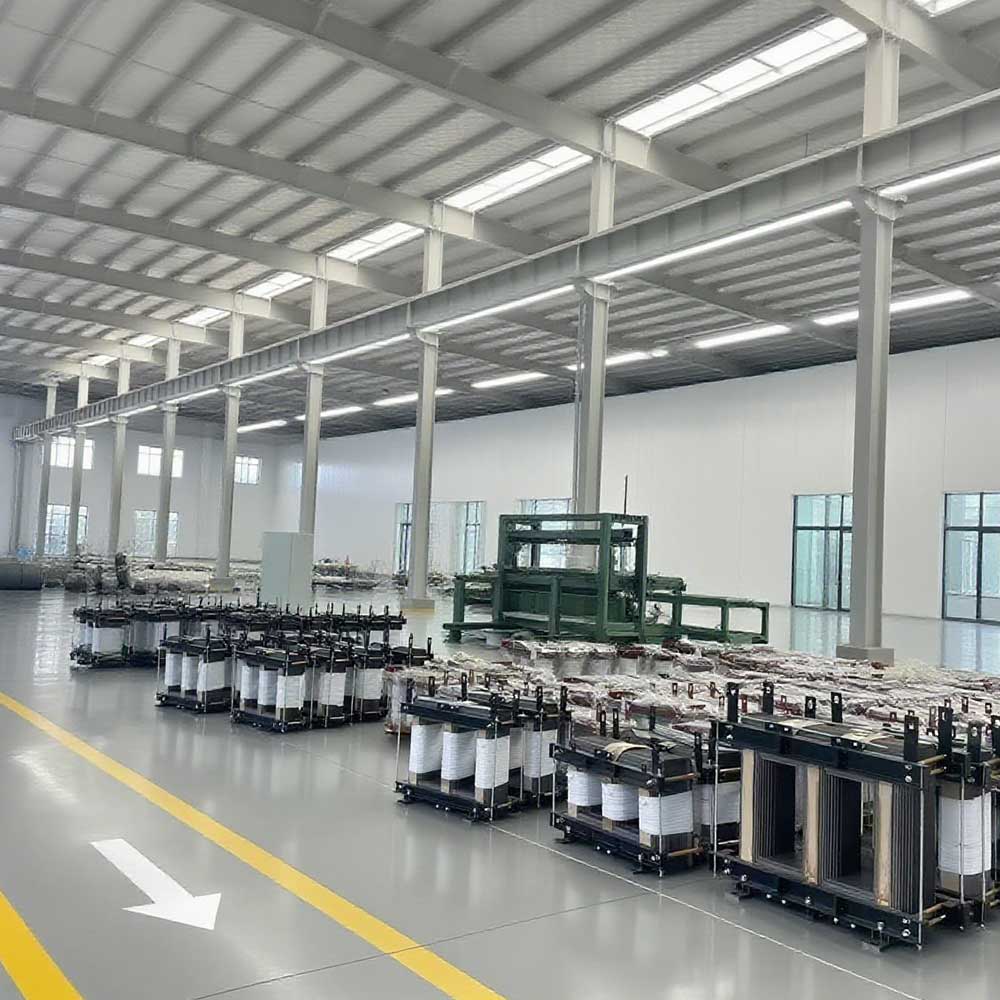
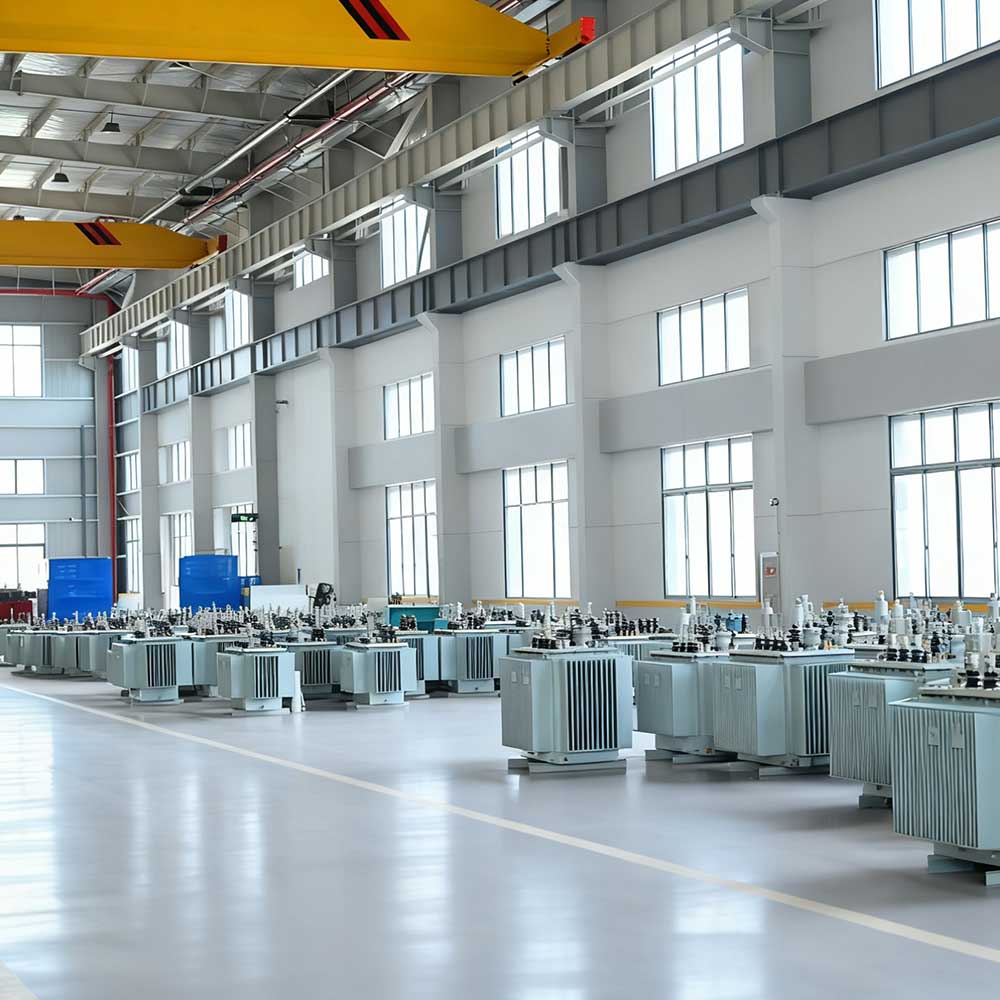
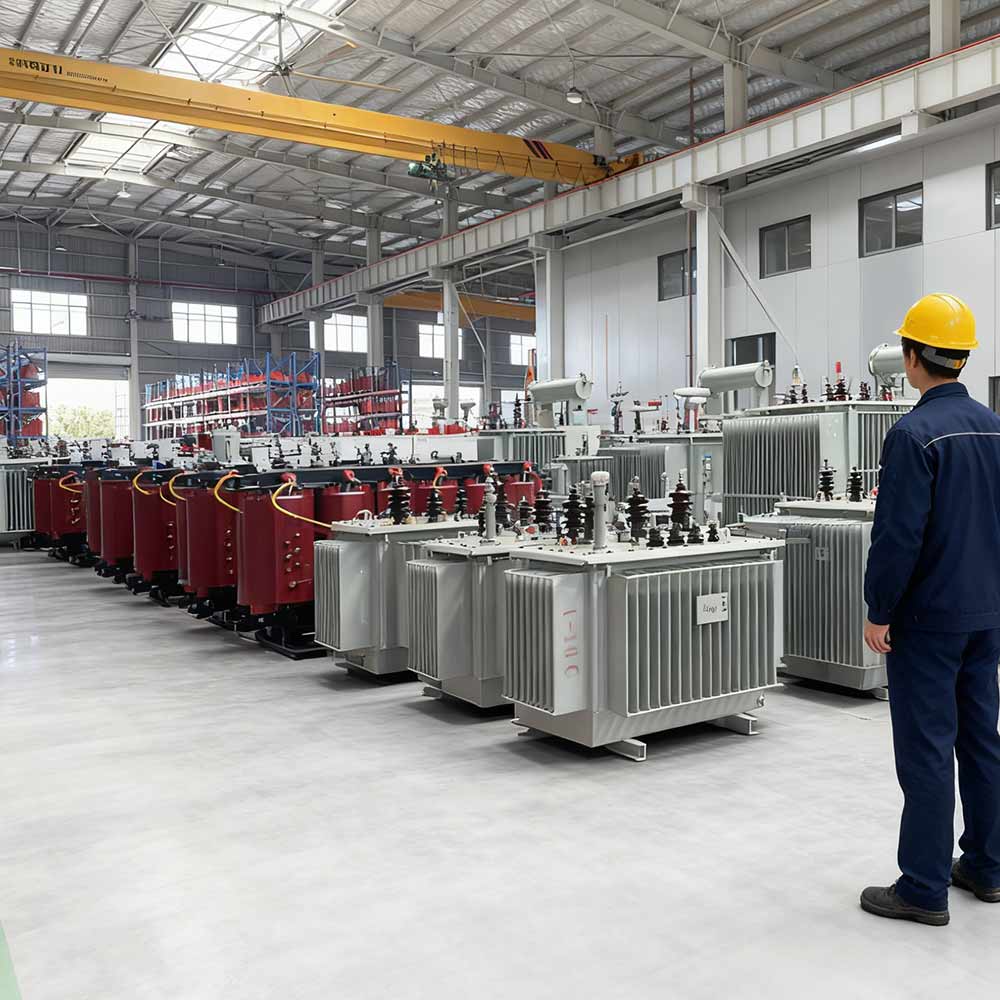
- Power Transformers: The core device for voltage transformation, realizing the conversion between high, medium, and low voltages to meet different transmission and usage needs.
2. Secondary Equipment (Control & Protection System)
- Control, Protection, & Measurement Facilities: Control the operation status of primary equipment, protect against faults (such as short circuits), and measure key parameters like voltage, current, and power.
- Signal & Communication Facilities: Transmit equipment operation signals (e.g., fault alarms) and realize data communication between the substation and the grid dispatch center.
- Secondary Circuit Power Supplies: Provide stable power for secondary equipment (such as DC power supplies), ensuring their normal operation even when the main power grid fails.
Specialized Auxiliary Equipment
In addition to the above basic equipment, some substations are equipped with specialized devices based on specific grid requirements:
- Shunt Capacitors/Shunt Reactors: Used for reactive power balance, compensating for reactive power in the grid to improve power factor and reduce energy loss.
- Static Reactive Power Compensation (SVC) Devices/Series Capacitor Compensation Devices: Enhance system stability, improve voltage quality, and increase the transmission capacity of power lines.
- Synchronous Cameras: Adjust the grid’s phase angle and frequency, helping to maintain grid stability during power grid connection or load fluctuations.
- Lightning Arresters (implied in protection needs): Though not explicitly mentioned, they are also common auxiliary devices used for limiting overvoltage caused by lightning strikes or system faults.






OUR CERTIFICATE


OUR PROJECTS


