
Have you ever been faced with unexpected downtime due to a power transformer fault? For facility managers, electrical engineers, and plant operators, power transformer malfunctions—especially oil leakage-related issues—can lead to costly production halts, safety hazards, and long-term equipment damage. As a seasoned professional with years of hands-on experience in transformer maintenance and repair, I’ve helped countless clients navigate the complexities of power transformer faults. In this comprehensive guide, we’ll dive deep into the most common power transformer faults, including cast iron oil leakage, radiator issues, and porcelain component failures. You’ll learn how to diagnose these problems accurately, implement effective repair solutions, and establish preventive measures to avoid future breakdowns. Let’s turn power transformer fault challenges into manageable solutions.
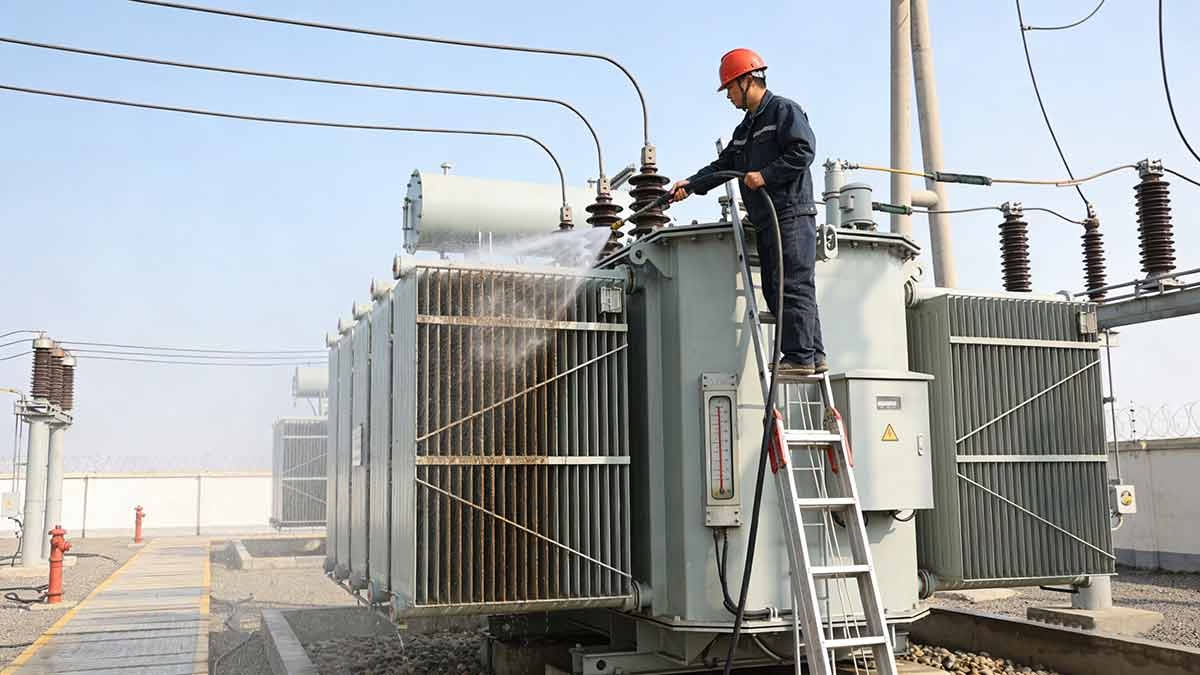
Power transformers are the backbone of electrical distribution systems, and their reliability directly impacts the stability of entire power grids. When a power transformer fault occurs, it’s not just about fixing the immediate issue—it’s about understanding the root cause to prevent recurrence. Oil leakage, one of the most prevalent power transformer faults, can stem from multiple components, each requiring targeted intervention. From subtle drips to major leaks, ignoring these signs can lead to insulation degradation, overheating, and even catastrophic failures. Let’s explore each common power transformer fault in detail, with actionable insights you can apply to your equipment.
Contents
hide
Power Transformer Fault: Oil Leakage from Cast Iron Components
Have you noticed a small, persistent puddle of oil beneath your transformer? Chances are, you’re dealing with a power transformer fault related to cast iron components. This is one of the most common issues we encounter, and while it may seem minor at first, untreated cast iron oil leakage can escalate into serious problems. Let’s break down why this power transformer fault happens, how to diagnose it, and the most effective repair strategies.
Root Causes of Cast Iron Oil Leakage (Power Transformer Fault)
To resolve this power transformer fault effectively, you first need to understand its origins. Cast iron oil leakage typically stems from two primary issues: sand holes and cracks, both of which compromise the structural integrity of the transformer’s cast iron components (such as tanks, covers, or fittings).
- Sand Holes: These are tiny cavities formed during the casting process when molten iron traps air or sand particles. Often invisible to the naked eye, sand holes remain dormant until oil pressure or thermal expansion creates a pathway for seepage. This power transformer fault is particularly common in older transformers or those manufactured with subpar casting standards.
- Cracks: Cracks in cast iron components are a more severe form of this power transformer fault. They typically develop due to thermal stress (from repeated heating and cooling cycles), mechanical impact (such as accidental bumps during maintenance), or age-related material fatigue. Even small cracks can widen over time, leading to significant oil loss.
Step-by-Step Diagnosis and Repair for This Power Transformer Fault
Addressing cast iron oil leakage requires a systematic approach to ensure long-lasting results. Here’s a detailed, field-tested process to resolve this power transformer fault:
Step | Action | Purpose | Pro Tips for Effective Execution |
|---|---|---|---|
1 | Isolate the Transformer and Locate the Leak | Ensure safety and pinpoint the exact source of the power transformer fault | Shut off power and allow the transformer to cool. Use a UV dye test kit (add dye to the oil, wait 24 hours, and use a UV light to detect leaks) for hard-to-find sand holes. |
2 | Prepare the Surface | Remove oil residue, rust, and debris to ensure proper sealant adhesion | Use acetone or a transformer-specific degreaser. For rusted areas, lightly sand the surface to expose clean metal—avoid over-sanding, which can widen cracks. |
3 | Drill Relief Holes (for Cracks) | Prevent crack propagation during repair | Drill a 2-3mm hole at both ends of the crack. This relieves stress and stops the crack from spreading when sealant is applied. |
4 | Apply High-Quality Sealant | Fill sand holes or cracks with a durable, oil-resistant material | Choose a two-part epoxy sealant rated for transformer oil and high temperatures (e.g., -40°C to 150°C). Apply in thin, even layers, ensuring full coverage of the fault area. |
5 | Cure and Test | Verify the repair’s effectiveness and prevent future leakage | Allow the sealant to cure for the manufacturer’s recommended time (typically 24-48 hours). Conduct a pressure test (3-5 psi above operating pressure) and monitor for 48 hours to ensure no re-leakage. |
Real-World Case Study: Resolving a Persistent Cast Iron Leak Power Transformer Fault
A few years ago, we worked with a manufacturing plant dealing with a recurring power transformer fault—cast-iron tank leakage. Previous repairs using standard sealants had failed within months, leading to frequent downtime. Upon inspection, we discovered the issue was due to multiple micro-sand holes and a 5cm hairline crack, exacerbated by the plant’s high-temperature operating environment.
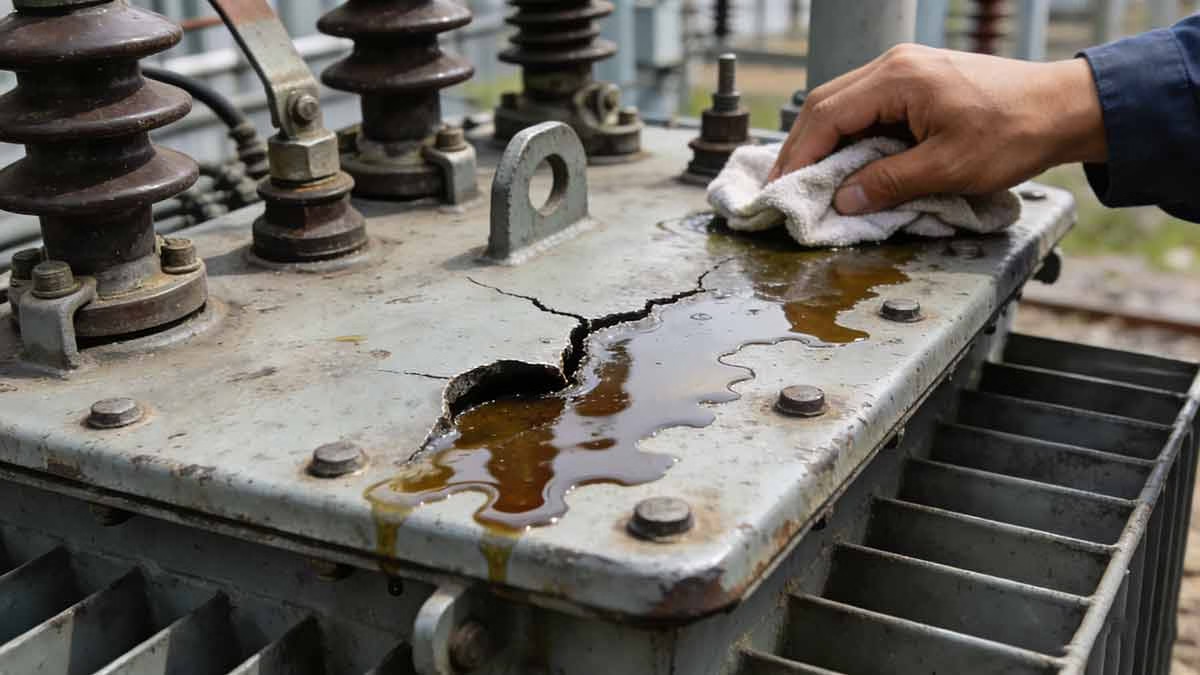
Our solution? We used a specialized high-pressure epoxy (rated for 200 psi) designed for transformer applications. We first drilled relief holes at the crack ends, then applied the epoxy in three thin layers, allowing each to cure fully. We also added a reinforcing fiberglass wrap over the repaired area for extra durability. The result? The power transformer fault was completely resolved, and the unit remained leak-free for over 5 years—saving the plant thousands in repair costs and downtime.
Preventive Measures for Cast Iron Leak Power Transformer Fault
To avoid this common power transformer fault, implement these proactive steps:
- Conduct quarterly visual inspections of cast iron components for rust, discoloration, or early leakage signs.
- Apply a corrosion-resistant coating to cast iron surfaces every 2-3 years, especially for outdoor transformers.
- Monitor oil pressure and temperature regularly—sudden changes can indicate stress on cast iron components.
- Avoid mechanical impact during maintenance; use proper lifting equipment when working near the transformer tank.
Power Transformer Fault: Radiator Oil Leakage
Is your transformer overheating or failing to maintain optimal operating temperature? A radiator oil leakage power transformer fault could be the culprit. Radiators are critical for heat dissipation—any leakage compromises cooling efficiency, leading to overheating and potential damage to windings or insulation. Let’s explore how to diagnose, repair, and prevent this impactful power transformer fault.
Why Radiator Leakage Occurs (Power Transformer Fault Root Causes)
Radiator oil leakage is a power transformer fault driven by manufacturing, operational, or environmental factors. The most common causes include:
- Residual Stress from Manufacturing: Stamping and welding processes during radiator production can leave residual stress in heat pipes or fins. Over time, thermal cycling (heating and cooling) causes this stress to manifest as cracks or weld failures—one of the most common root causes of this power transformer fault.
- Thermal Fatigue: Transformers in industrial settings often experience frequent load changes, leading to repeated expansion and contraction of radiator components. This fatigue weakens metal joints, resulting in leakage.
- Corrosion: Outdoor transformers are vulnerable to corrosion from rain, humidity, or industrial pollutants. Corrosion eats away at metal surfaces, creating holes and weakening welds.
- Physical Damage: Debris, falling objects, or accidental impacts during maintenance can damage radiator fins or pipes, causing immediate leakage.
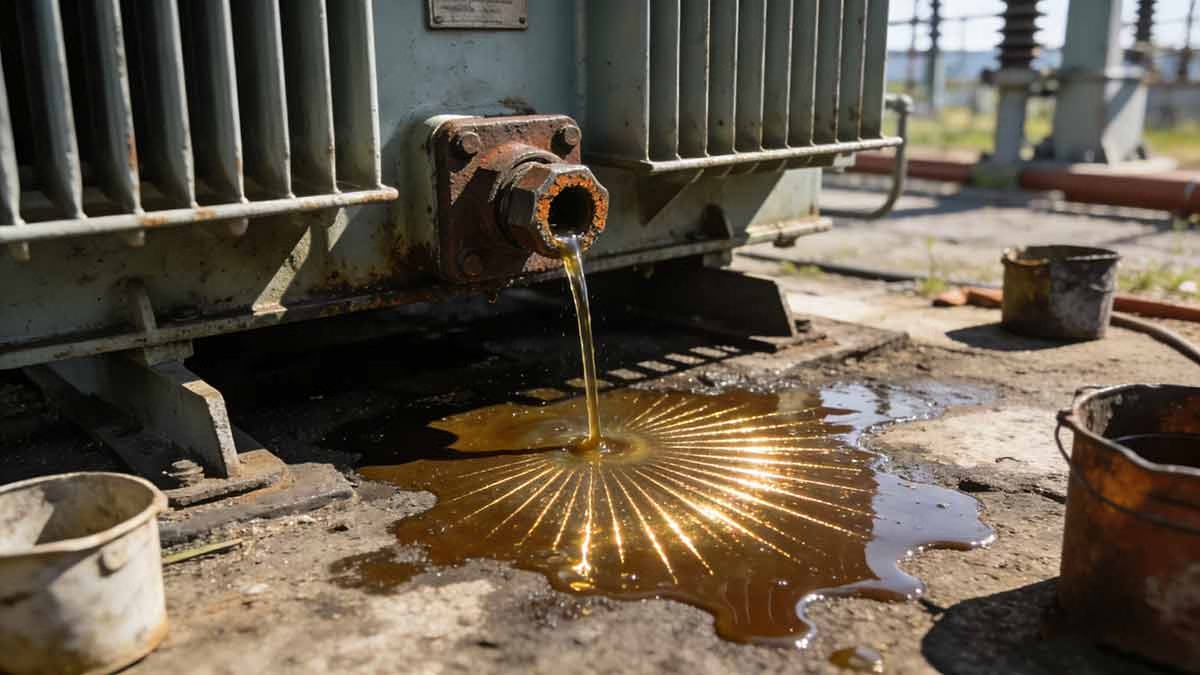
Diagnosing and Repairing Radiator Oil Leakage Power Transformer Fault
Resolving radiator leakage requires isolating the fault area, choosing the right repair method, and verifying cooling system integrity. Here’s a step-by-step approach:
- Isolate the Radiator: First, shut off the transformer and close the radiator valves to prevent further oil loss. This step is critical to avoid worsening the power transformer fault and to ensure safe repair conditions.
- Locate the Leak: For visible leaks, use a dry cloth to wipe the radiator—oil stains will highlight the fault area. For hidden leaks, use a pressure test (apply 2-3 psi to the radiator) or a gas leak detector (e.g., helium) for precision.
- Choose the Appropriate Repair Technique: The repair method depends on the leak’s size and location:
- Epoxy Injection: Ideal for small, hard-to-reach leaks (e.g., in heat pipes). Use a specialized epoxy injector to fill the leak from the inside, ensuring full coverage.
- Welding Repairs: For larger cracks or weld failures, welding is necessary. Only certified welders with transformer repair experience should perform this work—poor welding can cause further damage.
- Composite Wraps: For external pipe leaks, use a fiberglass composite wrap soaked in epoxy. This provides both sealing and structural reinforcement, ideal for corroded areas.
- Flush the Radiator: After repair, flush the radiator with transformer oil to remove debris or sealant residue. This prevents clogging, which can lead to a secondary power transformer fault (overheating).
- Test Cooling Efficiency: Reconnect the radiator, refill with oil, and power on the transformer. Monitor temperature levels for 72 hours to ensure the cooling system is functioning properly.
Case Study: Cost-Effective Resolution of Multiple Radiator Leaks
A utility company approached us with a power transformer fault involving multiple radiator leaks in a 20-year-old unit. The initial plan was to replace the entire radiator bank, which would cost over $50,000. After inspection, we found the leaks were concentrated in three sections due to severe corrosion—other sections were still functional.
Our solution was a hybrid approach: we used epoxy injection for small leaks, composite wraps for medium-sized corrosion spots, and replaced only the most severely damaged radiator section. The total cost was $15,000—70% less than full replacement. The transformer’s cooling efficiency was restored, and the power transformer fault did not recur over a 3-year follow-up period.
Preventing Radiator Leak Power Transformer Fault
To keep your transformer’s cooling system intact and avoid this power transformer fault, follow these guidelines:
- Clean radiators quarterly to remove dust, debris, and industrial pollutants—clogged fins increase thermal stress.
- Inspect welds and pipe joints annually for signs of corrosion or cracking.
- For outdoor transformers, install weather shields to protect radiators from rain, snow, and UV damage.
- Monitor load changes—avoid sudden, frequent overloads that cause extreme thermal cycling.
Power Transformer Fault: Leakage from Porcelain Vases and Glass Oil Labels
Porcelain vases (bushings) and glass oil labels are critical components of transformers, but their delicate nature makes them prone to leakage—a power transformer fault that’s often overlooked until it causes significant issues. Leaks in these components can lead to oil loss, moisture ingress, and even short circuits. Let’s explore how to address this subtle but impactful power transformer fault.
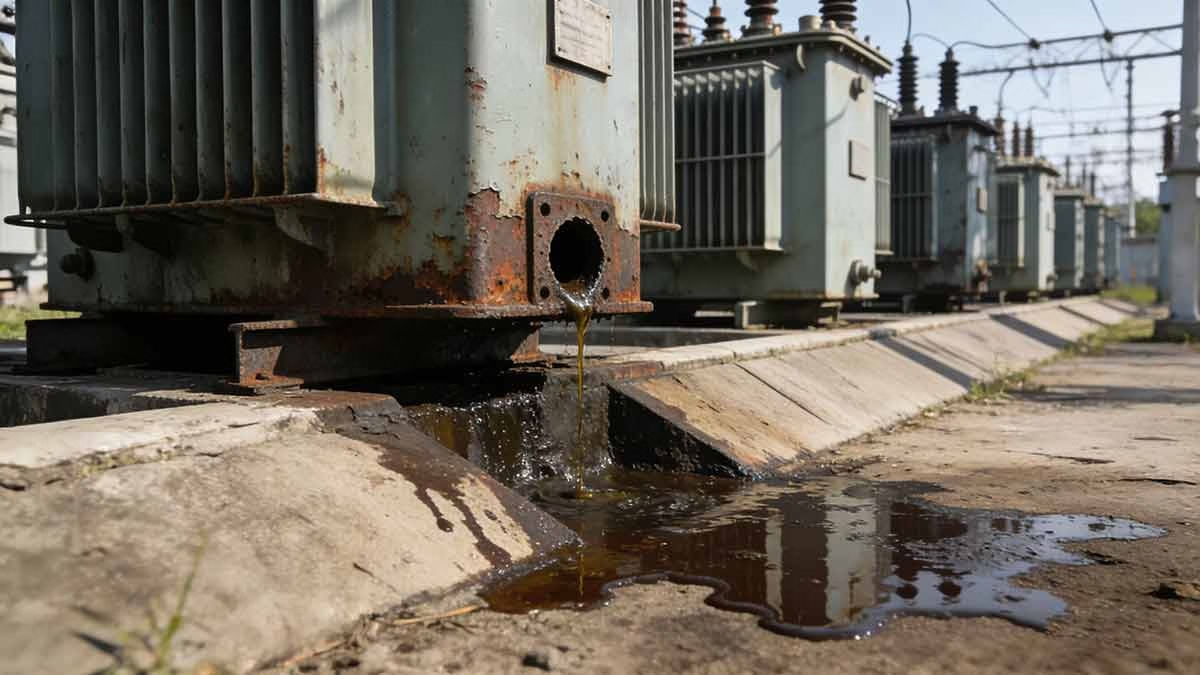
Causes of Porcelain and Glass Leak Power Transformer Fault
Leakage from porcelain vases and glass oil labels is a power transformer fault typically caused by seal degradation or installation errors. Key causes include:
- Thermal Expansion and Contraction: Porcelain and glass have different thermal expansion rates than metal flanges. Repeated heating and cooling cycles cause seals to degrade over time, creating gaps for oil leakage.
- Improper Installation: Over-tightening or under-tightening bolts during installation can damage seals or create uneven pressure, leading to this power transformer fault.
- Vibration: Operational vibrations (from nearby machinery or transformer load changes) can loosen seals or crack porcelain/glass components.
- Age-Related Degradation: Seals made of rubber or cork degrade over time, losing elasticity and effectiveness. Older transformers are particularly vulnerable to this power transformer fault.
Repair Strategies for Porcelain and Glass Leak Power Transformer Fault
Repairing this power transformer fault requires precision—porcelain and glass are fragile, so aggressive techniques can cause further damage. Here’s a safe, effective approach:
- Isolate and Inspect: Shut off the transformer and allow it to cool. Inspect the porcelain/glass component and surrounding seals for cracks, damage, or degradation. For glass oil labels, check if the glass is cracked or the seal is brittle.
- Remove Old Seals: Carefully remove the old seal using a plastic scraper (avoid metal tools that can scratch porcelain/glass). Clean the surface with acetone to remove oil residue and debris.
- Choose the Right Sealing Material: Select a material compatible with transformer oil, temperature fluctuations, and the component’s material:
- Polymer Composites: Ideal for porcelain bushings—flexible, durable, and resistant to oil and temperature changes.
- Silicone Sealants: Best for glass oil labels—flexible enough to accommodate thermal expansion and contraction.
- Epoxy Resins: Use for small cracks in porcelain (avoid using on glass, as epoxy is too rigid).
- Apply the Sealant: Apply a thin, even layer of sealant to the seal groove. For porcelain bushings, ensure the sealant covers the entire interface between porcelain and metal. For glass oil labels, apply sealant around the glass edge.
- Cure and Test: Allow the sealant to cure fully (follow manufacturer’s instructions). Conduct a pressure test (1-2 psi) and monitor for 24 hours to ensure no leakage. For porcelain bushings, also test insulation resistance with a megohmmeter to ensure no damage to insulation.
Case Study: Resolving Persistent Bushing Leaks
A data center faced a recurring power transformer fault: oil leakage from porcelain bushings. Traditional gasket replacement had failed because the porcelain surface had minor irregularities, preventing a tight seal. Our solution was a two-part epoxy system: first, we applied a flexible epoxy to conform to the surface irregularities, then a rigid epoxy for structural strength. This combination provided both flexibility and durability, resolving the power transformer fault permanently. The data center avoided potential downtime from moisture ingress and oil loss, ensuring uninterrupted power for critical operations.
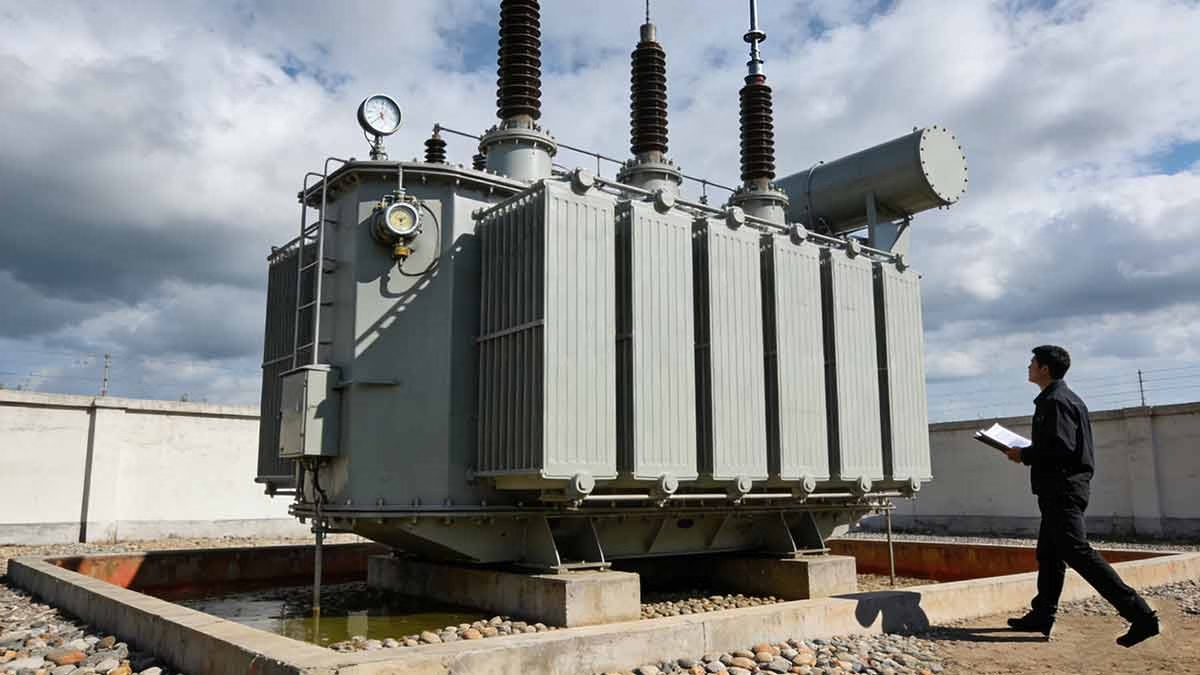
Power Transformer Fault: Proactive Prevention and Long-Term Reliability
While repairing power transformer faults is essential, preventing them in the first place is far more cost-effective. A proactive maintenance program can reduce power transformer fault incidents by up to 70%, extending equipment lifespan and minimizing downtime. Below are key strategies to prevent common power transformer faults related to oil leakage.
Comprehensive Preventive Maintenance Schedule for Power Transformer Fault Avoidance
Implement this schedule to stay ahead of power transformer faults:
Maintenance Task | Frequency | Purpose |
|---|---|---|
Visual Inspections for Leaks, Rust, or Damage | Monthly | Early detection of power transformer fault signs |
Oil Quality Testing (Dielectric Strength, Moisture, Acidity) | Annually | Monitor oil condition—degraded oil accelerates seal failure |
Seal Inspection and Replacement (if needed) | Bi-annually | Prevent seal degradation-related power transformer faults |
Thermal Imaging of Components | Quarterly | Detect hot spots indicating stress or early fault signs |
Pressure Testing of Tank and Radiators | Bi-annually | Verify structural integrity and prevent leakage |
Dissolved Gas Analysis (DGA) of Oil | Quarterly (for critical transformers) | Detect internal power transformer faults (e.g., arcing, overheating) before they cause leakage |
Key Best Practices for Power Transformer Fault Prevention
- Use High-Quality Materials: Invest in premium seals, gaskets, and sealants designed for transformer applications. Cheap materials degrade quickly, leading to power transformer faults.
- Proper Installation: Ensure all components are installed by certified technicians. Follow manufacturer guidelines for torque specifications and seal application.
- Environmental Controls: For indoor transformers, maintain stable temperature and humidity levels. For outdoor units, use protective enclosures to shield against harsh weather.
- Vibration Management: Install vibration dampeners if the transformer is near heavy machinery. Tighten mounting bolts regularly to prevent vibration-related seal damage.
- Training and Documentation: Train maintenance staff to recognize early power transformer fault signs. Keep detailed records of repairs, inspections, and oil test results for future reference.
Power Transformer Fault: When to Repair vs. Replace Components
A common dilemma when facing a power transformer fault is deciding whether to repair or replace the faulty component. Making the right choice depends on several factors, including component age, damage extent, cost, and impact on reliability. Here’s a decision-making framework to guide you:
Component | Repair When | Replace When |
|---|---|---|
Cast Iron Components | Minor cracks, small sand holes, or localized corrosion | Extensive corrosion, large cracks (over 10cm), or multiple recurring leaks |
Radiators | Small leaks, isolated corrosion spots, or minor fin damage | Multiple leaks, severe corrosion affecting >30% of the radiator, or damaged heat pipes |
Porcelain Bushings | Seal degradation, minor surface irregularities | Cracks in porcelain, severe oil leakage, or insulation failure |
Glass Oil Labels | Seal failure (glass intact) | Cracked or broken glass |
Seals/Gaskets | Minor degradation (no visible cracks) | Brittleness, cracks, or repeated failure |
Cost-Benefit Consideration for Power Transformer Fault Resolution
When evaluating repair vs. replacement, consider not just upfront costs but also long-term expenses: Repair costs: Sealants, labor, downtime during repair. Replacement costs: New component, installation, and disposal of the old part.Long-term costs: Recurring repairs (if you choose to repair a severely damaged component) vs. increased reliability (if you replace).
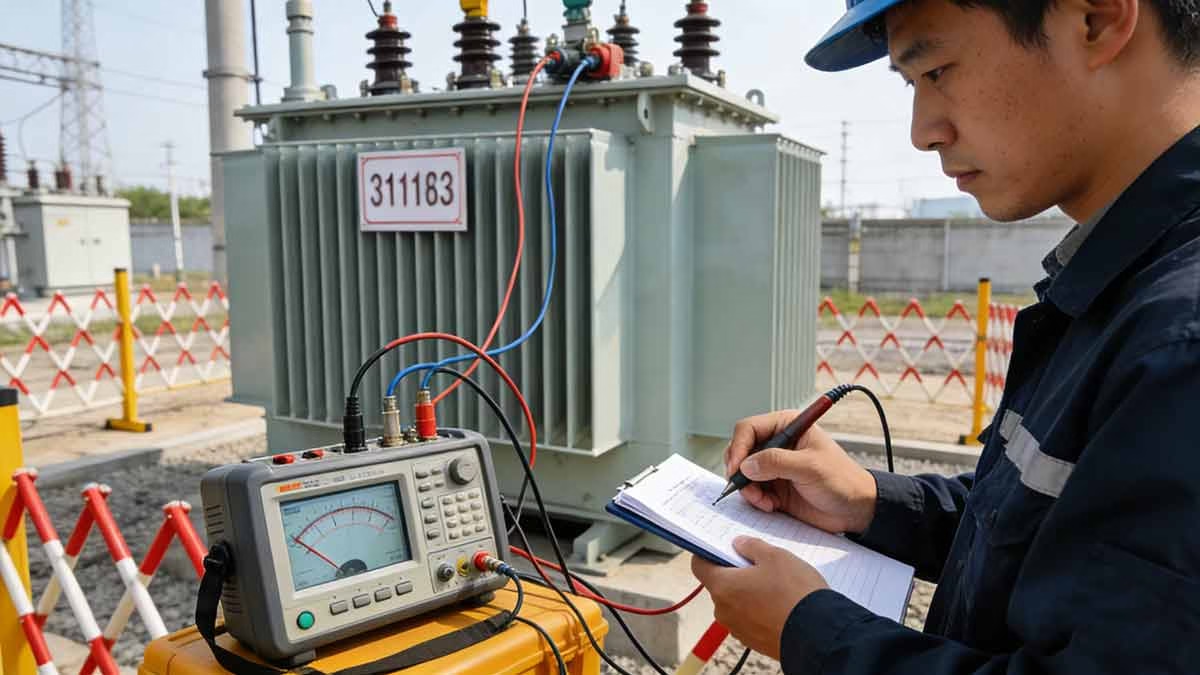
For example, repairing a severely corroded radiator may cost 30% of replacement upfront, but if the power transformer fault recurs within a year, the total cost (repair + downtime) may exceed replacement costs. In contrast, replacing a 20-year-old cast-iron tank with a new one may have a higher upfront cost but extend the transformer’s lifespan by 10-15 years.
Conclusion: Mastering Power Transformer Fault Resolution for Long-Term Reliability
Power transformer faults—especially those related to oil leakage—are inevitable, but with the right knowledge and proactive strategies, you can minimize their impact. From diagnosing cast iron leaks and radiator issues to repairing porcelain components, the key is to act quickly, use high-quality materials, and follow best practices for installation and maintenance.
Remember, prevention is always better than a cure. A comprehensive preventive maintenance program will help you detect power transformer fault signs early, avoid costly downtime, and extend your transformer’s lifespan. When faced with a power transformer fault, use the repair vs. replacement framework to make informed decisions that balance cost and reliability.
By mastering the techniques outlined in this guide, you can ensure your transformers operate smoothly, efficiently, and safely—protecting your investment and keeping your power system resilient. If you’re facing a specific power transformer fault and need personalized advice, consult with a certified transformer technician or manufacturer to get tailored solutions for your equipment.