
Working in modular substations requires strict adherence to safety protocols to protect personnel and equipment. As a leading provider of modular substation solutions, CHH Power has established comprehensive safety guidelines covering work permits, pre-operation checks, personnel requirements, and on-site practices. Below is a detailed overview of the key safety rules that all personnel must follow when working in CHH Power’s modular substations.
1. Mandatory Work Permit and Pre-Operation Procedures
Before starting any work in a modular substation, personnel must complete the following steps as required by CHH Power’s safety management system:
- Obtain a Valid Work Permit: All work must be authorized through a formal work permit process. This involves submitting a work application, specifying the scope of work, and obtaining approval from the substation supervisor. Unauthorized work (without a valid permit) is strictly prohibited, as it poses significant safety risks.
- Verify Safety Measures: Before commencing work, the work team must confirm that all required safety measures are in place. This includes installing grounding wires, setting up safety barriers, and posting warning signs. Only after the supervisor verifies and approves the safety setup can work begin.
- Conduct Pre-Operation Electrical Checks:
- Confirm Power Isolation: Even if the substation is labeled “de-energized,” never assume there is no residual electricity. Use a calibrated voltage tester to verify that all relevant circuits are truly isolated.
- Discharge Capacitors: Capacitive equipment (e.g., capacitor banks) can store electrical energy like a battery, even after power is disconnected. These must be fully discharged using specialized discharge tools to eliminate shock hazards.
- Prevent Reverse Power Transmission: For substations connected to power plants or external grids, install reverse power transmission protection devices. This prevents electricity from flowing back into the work area from external sources.
2. Personnel Requirements and On-Site Safety Practices
CHH Power mandates strict requirements for personnel working in modular substations to ensure their safety and the reliability of operations:
- Minimum Work Team Size: All work must be performed by a team of at least two people. One person acts as the primary operator, while the other serves as a safety observer to monitor conditions and respond to emergencies. Solo work is prohibited under all circumstances.
- Valid Certifications: All personnel must hold relevant special operation certificates (e.g., high-voltage electrician certification) and undergo CHH Power’s annual safety training. Only certified and trained personnel are allowed to perform electrical work.
- Maintain Safe Distance from Live Equipment: Even when working on de-energized equipment, maintain a safe distance from adjacent live components. CHH Power’s guidelines specify minimum distances based on voltage levels (e.g., ≥1.5 meters for 10kV live equipment).
- Avoid Unauthorized Equipment Contact: Do not touch or operate equipment unrelated to the assigned work. This includes control panels, switches, and instruments not specified in the work permit.
- Ensure Alertness: Personnel must be in good physical and mental condition. Working under the influence of fatigue, alcohol, or medications that impair judgment is strictly forbidden.
- Prohibit Work During Thunderstorms: Stop all outdoor work immediately when thunderstorms are approaching. Lightning strikes can cause sudden power surges or equipment damage, posing severe risks to personnel.
3. PPE and On-Site Equipment Usage Rules
Proper use of personal protective equipment (PPE) and compliance with equipment operation rules are critical for safety in modular substations:
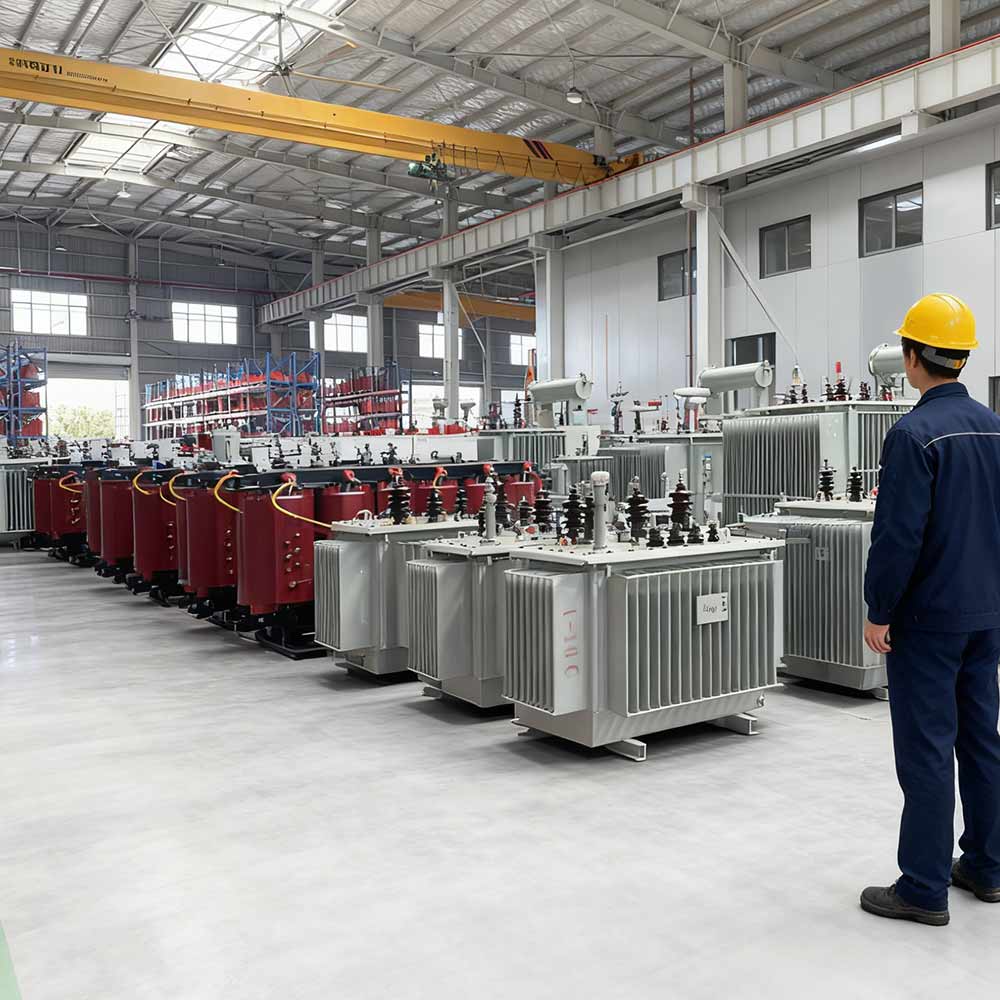
- Mandatory PPE: All personnel must wear a certified safety helmet when entering the substation. Additional PPE (e.g., insulated gloves, safety shoes, and arc-flash suits) must be worn based on the nature of the work, as specified in CHH Power’s PPE guidelines.
- Electronic Device Restrictions:
- In large modular substations (e.g., 110kV and above), mobile phones and other electronic devices must be turned off before entering the secondary equipment room. This prevents electromagnetic interference with sensitive control systems.
- Smartwatches, tablets, and other wireless devices are also prohibited unless explicitly approved for work purposes (e.g., specialized testing equipment).
- “Five-Anti” Key Operation: When using the “five-anti” locking system (to prevent misoperation), never force unlock if the key fails to work. Report the issue to the substation supervisor immediately. Forcing the lock can damage the system and lead to equipment misoperation.
4. Equipment Defect Reporting and Emergency Response
- Immediate Defect Reporting: If any equipment defect or abnormal operating condition is detected (e.g., unusual noises, overheating, or oil leaks), stop work immediately and report it to the supervisor. Do not attempt to repair defects without authorization.
- Emergency Repairs: Only qualified personnel with the appropriate permits can perform emergency repairs. All repairs must follow CHH Power’s standard operating procedures (SOPs) to ensure safety and compliance.
CHH Power emphasizes that strict compliance with these guidelines is essential to maintaining a safe working environment in modular substations. All personnel are required to complete regular safety training and familiarize themselves with the latest safety protocols. For more details on CHH Power’s modular substation safety standards, contact the company’s safety management department.







OUR CERTIFICATE


OUR PROJECTS


