
As an electrical engineer with 15+ years of hands-on experience in planning and executing transformer installation projects across diverse regions, I’ve learned that selecting between pad mounted and pole mounted transformers is far from a one-size-fits-all decision. The right pick hinges on a mix of location-specific demands, budget constraints, and project performance goals. Let’s break down their unique traits, pros and cons, and ideal use cases to help you make an informed choice.
Contents
hide
What Are Pad Mounted Transformers and Pole Mounted Transformers?
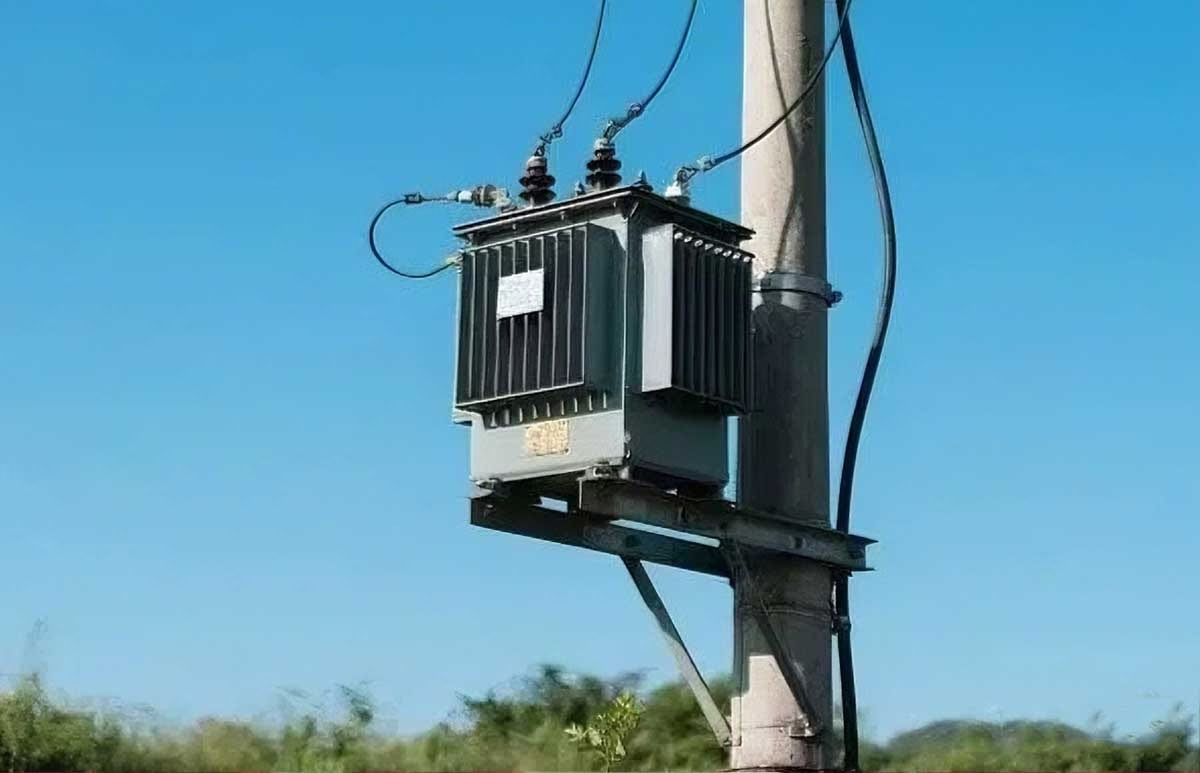
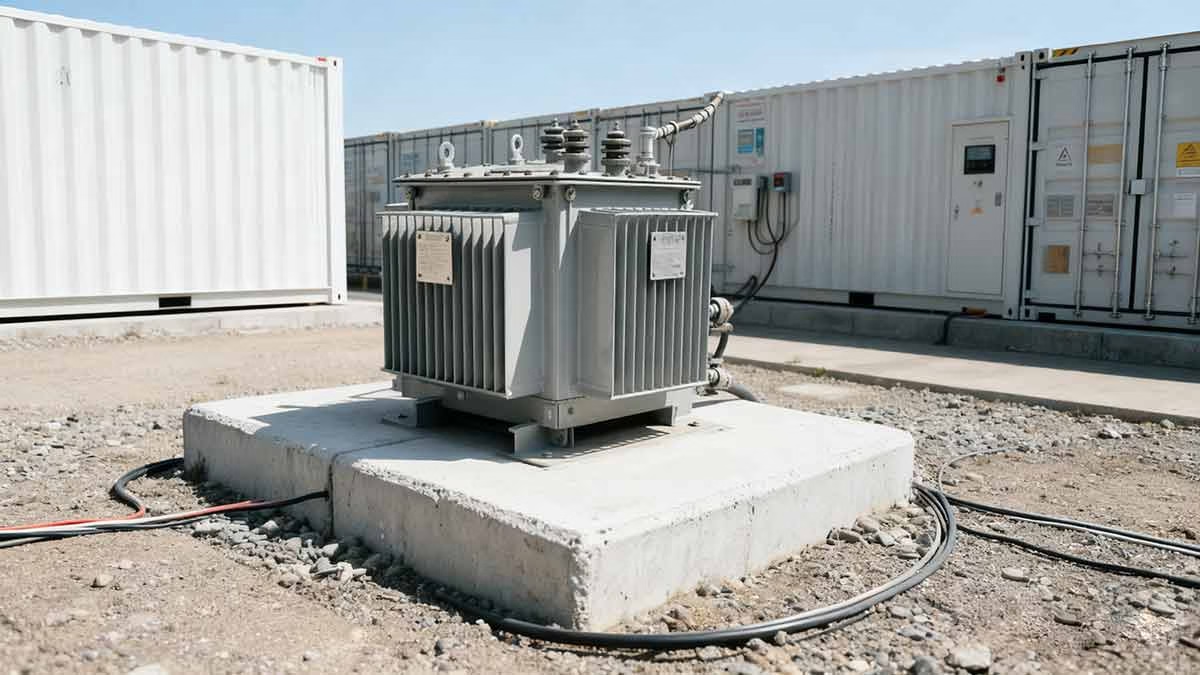
If you’ve walked through a suburban neighborhood, you’ve probably spotted those sleek, metal-enclosed units sitting on concrete slabs—those are pad mounted transformers. In rural areas, meanwhile, the cylindrical devices attached to wooden or metal utility poles are the go-to pole mounted transformers. Both play a critical role in stepping down high-voltage electricity to the low-voltage levels that power homes, businesses, and public facilities, but their design and installation set them worlds apart.
Key Design & Installation Features
| Feature | Pad Mounted Transformers | Pole Mounted Transformers |
|---|---|---|
| Placement | Ground-level on reinforced concrete pads | Elevated on existing or dedicated utility poles |
| Enclosure | Secure, lockable metal cabinets | Open-air or partially enclosed cylindrical housing |
| Primary Application | Urban/suburban areas with underground power grids | Rural regions, remote locations, and flood-prone zones |
| Maintenance Access | Convenient ground-level entry | Requires climbing gear or aerial lifts for access |
Key Differences Between Pad Mounted Transformers and Pole Mounted Transformers
To choose wisely, it’s critical to understand the core distinctions that separate these two transformer types. From space usage to long-term operational efficiency, every difference impacts project outcomes.
- Space Utilization: Pad mounted transformers need a dedicated ground area for installation, making them a fit for areas with available land. Pole mounted transformers, by contrast, leverage vertical space, eliminating the need for ground footprint and working well in tight spots.
- Safety Profile: The enclosed design of pad mounted transformers minimizes public access risks, while pole mounted units’ elevated position reduces ground-level hazards but creates risks during maintenance.
- Visual Impact: Pad mounted transformers blend into urban landscapes easily, while pole mounted transformers are more visible and often considered part of rural infrastructure aesthetics.
- Cost Dynamics: Pad mounted transformers carry higher upfront costs but lower long-term maintenance expenses. Pole mounted transformers have lower initial installation costs but may incur higher repair and upkeep fees over time.
Advantages of Pad Mounted Transformers
Pad mounted transformers stand out as a top choice for modern urban developments, thanks to their unique blend of safety, aesthetics, and reliability. Here’s why they’re the preferred option for city and suburban projects:
- Enhanced Public Safety: The locked metal enclosure prevents unauthorized access, reducing the risk of electrical accidents in high-traffic areas. The design also includes robust oil containment features, minimizing environmental risks from leaks.
- Superior Aesthetic Integration: Their low-profile build can be concealed with landscaping, painted to match surrounding structures, or even integrated into street furniture—making them a non-intrusive addition to urban environments.
- Streamlined Maintenance: Ground-level access means technicians can perform inspections, repairs, and upgrades without specialized aerial equipment, cutting down on maintenance time and labor costs.
- Durable Weather Resistance: The sealed enclosure shields internal components from rain, snow, dust, and debris, extending the transformer’s lifespan and reducing the frequency of repairs.
- Seamless Underground Grid Compatibility: They pair perfectly with underground power distribution systems, which are standard in most new urban developments to eliminate overhead wire clutter.
Benefits of Pad Mounted Transformers for Rural and Specialized Settings
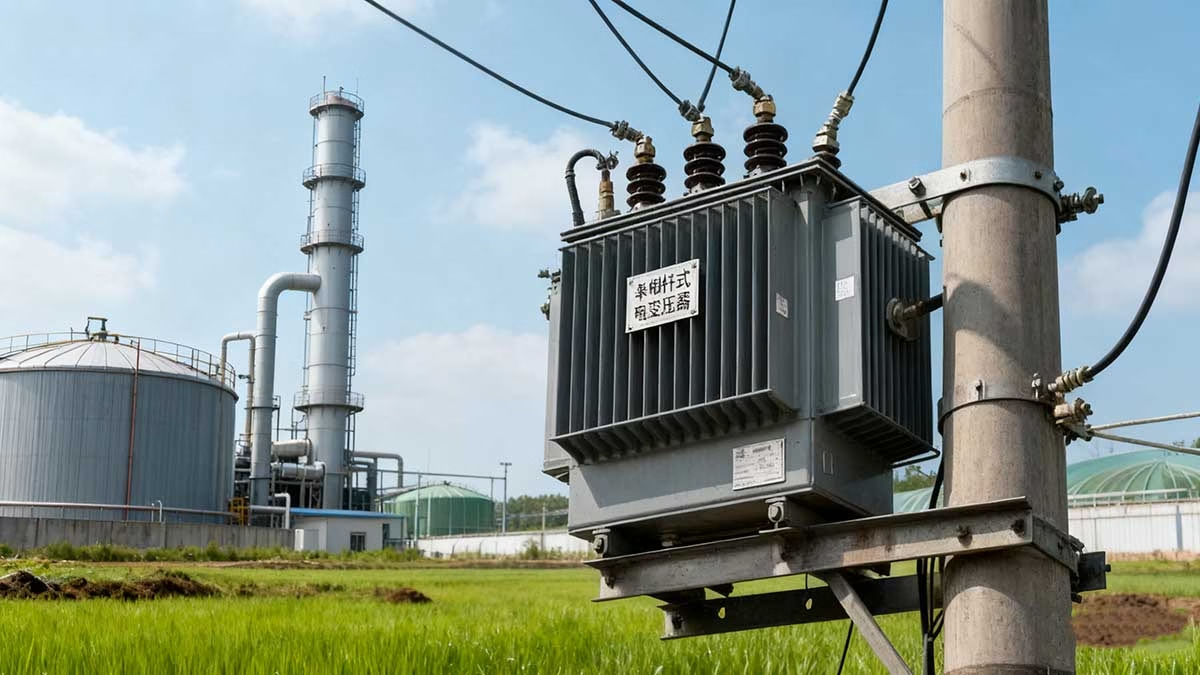
While pad mounted transformers are urban favorites, pole mounted transformers hold their own in specific scenarios, especially in rural and challenging environments. Here’s what makes them a practical choice for these areas:
- Cost-Effective Installation: Leveraging existing utility poles eliminates the need for concrete pad construction and land preparation, slashing upfront project costs significantly.
- Maximized Space Efficiency: With zero ground footprint, they are ideal for narrow rural roads, remote construction sites, and areas where land is scarce or designated for agricultural use.
- Flood Damage Protection: Their elevated position keeps critical components above water levels, making them the best option for regions prone to flash floods or seasonal waterlogging.
- Rapid Deployment: They can be installed and commissioned in a fraction of the time it takes to set up pad mounted units, making them perfect for temporary power needs like construction sites or emergency relief projects.
- Optimized for Rural Distribution: Their design is tailored to cover large, sparsely populated areas, ensuring reliable power delivery to farms, remote homes, and rural businesses without excessive infrastructure investment.
Safety Considerations for Pad Mounted Transformers and Pole Mounted Transformers
Safety is non-negotiable when it comes to electrical infrastructure, and both transformer types come with distinct safety pros and cons that demand attention.
| Safety Aspect | Pad Mounted Transformers | Pole Mounted Transformers |
|---|---|---|
| Public Access Risk | Low (enclosed and locked design) | Low (elevated position) but higher risk of accidental contact during pole-related work |
| Maintenance Safety | High (ground-level work eliminates fall hazards) | Medium (requires fall protection gear and specialized training for technicians) |
| Environmental Safety | High (advanced oil containment systems prevent leaks) | Medium (open design increases risk of oil spills during maintenance or damage) |
| Emergency Response | Easy (firefighters and technicians can access units quickly at ground level) | Challenging (elevated position may hinder access during severe weather like storms or ice buildup) |
Cost Analysis: Pad Mounted Transformers vs Pole Mounted Transformers Over 10 Years
When evaluating cost, it’s essential to look beyond upfront prices and consider total cost of ownership (TCO), which includes installation, maintenance, and repair expenses over the transformer’s lifespan.
| Cost Category | Pad Mounted Transformers | Pole Mounted Transformers |
|---|---|---|
| Initial Installation | $50,000 (includes concrete pad, enclosure, and underground wiring) | $35,000 (leverages existing poles and overhead lines) |
| Annual Maintenance | $1,000 (ground-level inspections and minor upkeep) | $2,500 (aerial lift rentals, frequent part replacements) |
| 10-Year Repair Costs | $5,000 (minimal repairs due to weather protection) | $15,000 (higher repairs from exposure to elements and wildlife damage) |
| Total 10-Year TCO | $65,000 | $75,000 |
While pole mounted transformers have a lower initial price tag, pad mounted transformers deliver better value over the long haul, especially for projects with a 10+ year timeline.
Aesthetic Impact of Pad Mounted Transformers in Urban and Rural Landscapes
The visual footprint of your transformer can play a key role in community acceptance, especially in residential or scenic areas.
- Pad Mounted Transformers in Urban Areas: Their compact, enclosed design allows for easy integration into cityscapes. They can be painted to match building exteriors, hidden behind shrubs, or even built into decorative planters—ensuring they don’t disrupt the urban aesthetic.
- Pad Mounted Transformers in Rural Areas: While less common in rural settings, they can be used in developed rural zones (like town centers) where visual harmony is a priority. However, their ground footprint may be a drawback in areas dedicated to farming or natural preservation.
- Pole Mounted Transformers in Rural Areas: They blend seamlessly into rural landscapes, where utility poles are a standard part of the scenery. Their elevated design keeps ground space clear for farming, grazing, or outdoor activities.
- Pole Mounted Transformers in Urban Areas: In dense cities, they can create visual clutter, especially in historic districts or areas with strict urban design guidelines. They are typically reserved for older neighborhoods with existing overhead power grids.
Conclusion: Choosing Between Pad Mounted Transformers and Pole Mounted Transformers
The decision between pad mounted transformers and pole mounted transformers boils down to six critical factors:
- Location: Urban and suburban areas with underground grids favor pad mounted units; rural, flood-prone, or remote areas are ideal for pole mounted transformers.
- Budget: If upfront costs are a top priority, pole mounted transformers are the way to go. For long-term cost savings, pad mounted units are a smarter investment.
- Safety Needs: High-traffic areas require the enclosed safety of pad mounted transformers; rural areas can benefit from the elevated safety of pole mounted units.
- Aesthetic Goals: For visually cohesive landscapes, pad mounted transformers offer more customization options.
- Space Constraints: Tight ground space calls for pole mounted transformers; ample land makes pad mounted units feasible.
- Environmental Risks: Flood-prone areas need pole mounted transformers, while regions with strict environmental regulations prefer the oil containment of pad mounted units.
Always consult with a qualified transformer engineer to assess your project’s unique requirements and ensure you select the most efficient, cost-effective solution.
FAQ About Pad Mounted VS Pole Mounted Transformer
Q: Are pad mounted transformers more energy-efficient than pole mounted transformers?
A: Yes, pad mounted transformers typically feature advanced cooling systems and sealed enclosures that reduce energy loss, making them more energy-efficient than most pole mounted units.
Q: Can I upgrade from pole mounted transformers to pad mounted transformers?
A: Absolutely, but the process requires significant infrastructure changes, including installing concrete pads and transitioning from overhead to underground wiring. It’s best to plan this upgrade as part of a larger utility modernization project.
Q: What is the typical lifespan of pad mounted and pole mounted transformers?
A: Pad mounted transformers have a lifespan of 25–30 years, thanks to their weather-resistant design. Pole mounted transformers usually last 20–25 years, as their open design exposes components to more wear and tear.
Q: Do pad mounted transformers have environmental advantages over pole mounted transformers?
A: Yes, pad mounted transformers come with robust oil containment systems that minimize the risk of environmental contamination from leaks, making them a more eco-friendly choice for sensitive areas.
Q: Which transformer type performs better in natural disasters?
A: It depends on the disaster type. Pole mounted transformers excel in flood-prone areas, while pad mounted transformers are more resilient in high-wind regions, as their ground-mounted design resists toppling.