
Oil-immersed transformers stand as foundational assets in global power distribution and transmission networks, delivering efficient voltage regulation and stable energy delivery for residential, commercial, and industrial power systems. Their widespread adoption stems from exceptional thermal conductivity, robust insulation performance, and cost-effectiveness for medium-to-large-scale power applications. However, the inherent reliance on insulating mineral oil introduces a spectrum of interconnected safety vulnerabilities and environmental challenges that demand deliberate, data-driven management protocols. Issues including uncontrolled oil seepage, fire and explosion threats, soil and water contamination, and non-compliance with global regulatory standards not only compromise equipment reliability but also pose significant risks to on-site personnel, surrounding ecosystems, and operational continuity.
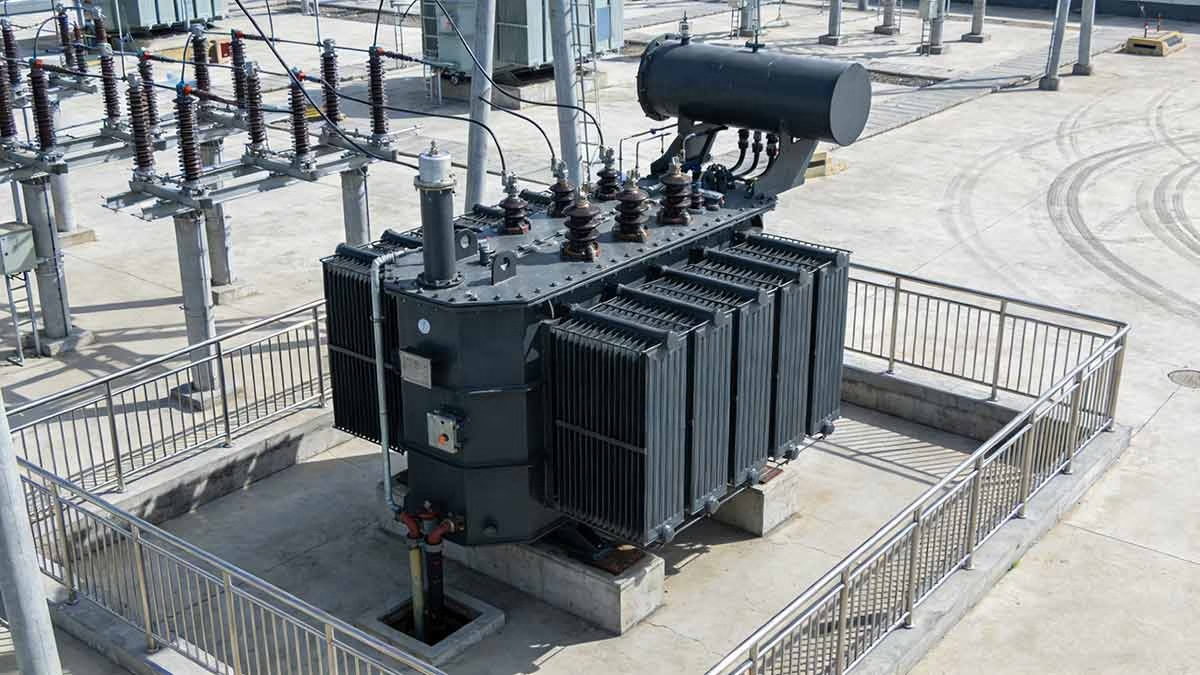
Improper operational oversight, neglected maintenance schedules, and inadequate risk mitigation strategies directly contribute to premature equipment failure, costly unplanned outages, legal repercussions from environmental violations, and irreversible ecological damage. In an era where sustainable energy infrastructure and workplace safety are non-negotiable industry priorities, adopting comprehensive safety frameworks, eco-friendly operational practices, and strict regulatory compliance is not merely a recommendation but a critical necessity for the sustainable, efficient, and long-term performance of oil-immersed transformers.
This comprehensive, research-backed article addresses the most pressing pain points faced by power system operators, maintenance teams, and facility managers, exploring in-depth safety mitigation tactics, environmental protection methodologies, industry-leading best practices, and regulatory compliance strategies. It provides actionable, authoritative guidance to reduce operational risks while preserving optimal energy efficiency, resolving core uncertainties surrounding oil-immersed transformer management, and setting a benchmark for responsible asset stewardship.
Contents
hide
Key Operational and Environmental Hazards of Oil-Immersed Transformers
Oil-immersed transformers are engineered to operate reliably under defined parameters, but their design and operational characteristics create distinct hazards that escalate without proactive monitoring and maintenance. These risks are multifaceted, spanning personnel safety, equipment integrity, and environmental sustainability, with root causes ranging from component degradation to operational oversights. Dispelling the misconception that well-maintained oil-immersed transformers pose negligible risks is essential for fostering a culture of safety awareness; in reality, these units require consistent vigilance to mitigate inherent vulnerabilities associated with flammable dielectric fluids and high-voltage operation.
Fire and Explosion Vulnerabilities
Fire and explosion events represent the most catastrophic hazards associated with oil-immersed transformers, driven by the ignition of flammable insulating oil under fault conditions. Internal electrical anomalies, thermal instability, and gas accumulation create a high-risk environment where even minor faults can escalate to disastrous outcomes. Common catalysts include internal arcing from insulation breakdown, short-circuit events that generate extreme thermal energy, overheating triggered by cooling system inefficiencies, and the buildup of combustible dissolved gases such as acetylene, hydrogen, and methane. When these gases reach critical concentrations, they create an explosive atmosphere within the transformer tank, while leaked oil coming into contact with hot components or external ignition sources can spark rapid fire spread.
The consequences of such events extend far beyond equipment loss: they include severe physical harm to maintenance and operational staff, widespread damage to adjacent power infrastructure, extended power outages that disrupt communities and businesses, and secondary environmental contamination from burning oil and damaged components. The financial impact, including asset replacement costs, regulatory fines, and revenue loss from interrupted service, further underscores the severity of this hazard.
Oil Leakage and Associated Contamination Risks
Oil leakage is a pervasive issue that compromises both safety and environmental health, as transformer oil acts as both a critical insulation medium and a potential pollutant. Leakages originate from a variety of sources, including the deterioration of elastomeric gaskets and seals over time, structural corrosion or physical damage to transformer tanks and radiator assemblies, excessive internal pressure from gas accumulation, and faulty installation of pipe connections and drain valves. Even small, undetected seepages can accumulate over time, creating slippery work surfaces that increase the risk of workplace accidents, while larger spills penetrate soil and groundwater systems, contaminating natural resources and harming terrestrial and aquatic ecosystems.
Beyond environmental harm, oil leakage reduces the volume of dielectric fluid available for insulation and cooling, leading to decreased equipment efficiency, accelerated thermal degradation, and an increased likelihood of electrical faults. This creates a dangerous feedback loop where leakage exacerbates other hazards, amplifying the overall risk profile of the transformer unit.
Insulation Degradation and Electrical Fault Occurrences
The dielectric performance of transformer oil is the cornerstone of safe high-voltage operation, but various factors can compromise its insulating properties, leading to catastrophic electrical faults. Moisture ingress is a primary culprit, as even trace amounts of water reduce the oil’s dielectric strength, creating pathways for flashover events and internal short circuits. Oxidative degradation of the oil over time produces sludge and acidic compounds, which coat windings and insulation components, further diminishing insulating capabilities and impeding heat transfer. Prolonged overloading, voltage surges, and inadequate maintenance also place excessive electrical stress on insulation materials, accelerating wear and leading to irreversible component failure.
Electrical faults stemming from insulation degradation not only cause immediate transformer shutdown but also trigger cascading failures within the broader power grid, destabilizing energy delivery and requiring extensive repairs. These events also increase the potential for fire and explosion, as arcing and overheating from faulty insulation ignite surrounding oil and gas mixtures.
Cooling System Malfunctions and Thermal Overload
Effective thermal management is vital for maintaining oil-immersed transformer performance, as consistent temperature regulation prevents oil degradation and component wear. Cooling system failures disrupt this balance, leading to dangerous thermal overload conditions. Common malfunctions include blocked radiator fins and cooling pipes due to dirt, debris, and sludge accumulation, mechanical failures of cooling fans and oil circulation pumps, and insufficient oil levels that reduce heat dissipation efficiency. When cooling systems operate below optimal capacity, internal temperatures rise beyond safe thresholds, causing thermal runaway, accelerated oil oxidation, and the breakdown of solid insulation materials.
Thermal overload not only shortens the transformer’s service life but also directly contributes to other core hazards, including increased gas production, insulation failure, and fire risk. Without regular cooling system inspection and maintenance, even minor inefficiencies can escalate into critical operational failures.
Proactive Strategies to Mitigate Fire Risks in Oil-Immersed Transformers
Fire prevention for oil-immersed transformers requires a holistic, multi-layered approach that combines advanced monitoring technologies, routine maintenance, engineered safety systems, and staff training. Unlike reactive measures, proactive fire risk mitigation focuses on identifying and eliminating hazards before they escalate, reducing the likelihood of ignition and limiting damage if a fire event occurs. This section outlines evidence-based strategies aligned with global industry standards to protect personnel, assets, and operational continuity.
Advanced Monitoring and Early Fault Detection
Early detection of precursor conditions is the first line of defense against transformer fires, enabling operators to address issues before they reach critical stages. Dissolved Gas Analysis (DGA) is a cornerstone diagnostic technique that analyzes the concentration of fault gases within the transformer oil, identifying patterns associated with arcing, overheating, and partial discharge. Conducting DGA at routine intervals—typically every six to twelve months for operational units—allows for the early identification of abnormal gas generation, facilitating targeted maintenance before fire risks escalate.
Complementing DGA, continuous thermal monitoring systems track top-oil and winding hotspot temperatures in real time, providing alerts when temperatures approach or exceed safe operational thresholds. Modern IoT-enabled thermal sensors offer remote monitoring capabilities, allowing off-site teams to track temperature trends and respond promptly to anomalies. Additionally, Buchholz relays serve as a critical protective device, detecting gas accumulation and oil flow disturbances within the transformer tank and triggering automatic shutdowns to prevent explosive conditions.
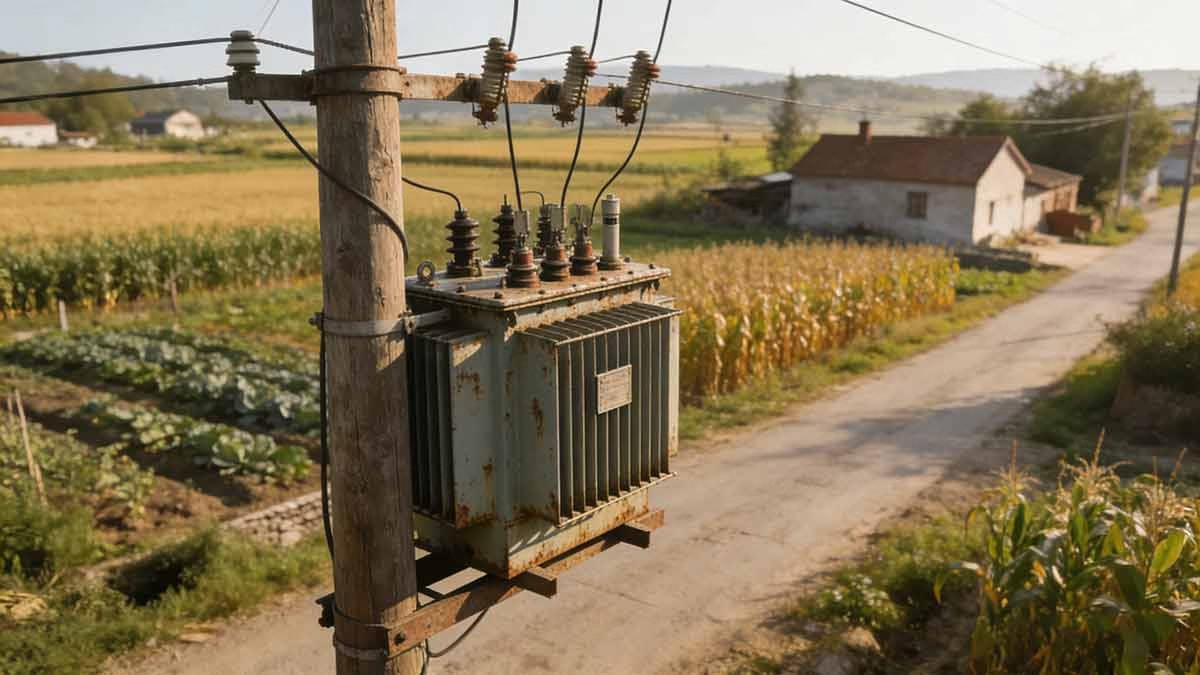
Enhanced Maintenance for Fire Risk Reduction
Routine, structured maintenance is essential for addressing the root causes of transformer fires, focusing on cooling system integrity, oil quality, and component functionality. Regular inspection and cleaning of cooling radiators, fans, and oil pumps ensures unobstructed heat dissipation, eliminating overheating as a fire catalyst. Oil quality testing, including dielectric strength evaluation, moisture content analysis, and total acidity testing, preserves the oil’s non-flammable insulating properties and prevents degradation that could lead to ignition.
Maintenance protocols should also include the inspection and tightening of electrical connections to prevent loose contacts that cause arcing, as well as the replacement of aging wiring and insulation components. Establishing a scheduled maintenance calendar, with documented records of all inspections and repairs, ensures consistency and provides a trail for compliance and performance analysis.
Engineered Fire Suppression and Containment Systems
In cases where early detection and maintenance fail to prevent ignition, engineered fire suppression and containment systems minimize damage and prevent fire spread. A range of industry-approved systems is available, tailored to indoor and outdoor transformer installations:
- Automatic CO₂ Fire Suppression Systems: Ideal for indoor transformer installations, these systems suppress fires by displacing oxygen, leaving no residue and avoiding damage to electrical components.
- Water Mist Systems: Effective for outdoor substations and industrial sites, water mist systems cool hot surfaces and suppress oil fires without causing water damage to surrounding equipment.
- Fire Resistant Barriers and Blast Walls: Installed in high-risk zones, these physical barriers prevent fire from spreading to adjacent power assets and contain blast forces in the event of an explosion.
- Explosion Relief Vents: Strategically installed on transformer tanks, these vents direct high-pressure gas and flames away from critical areas and personnel, reducing blast damage.
Additionally, the use of fire-resistant dielectric fluids, such as natural ester-based oils with higher flash points than traditional mineral oil, reduces the inherent flammability of the transformer, serving as a passive fire prevention measure.
Emergency Response Preparedness
A well-defined emergency response plan is critical for minimizing harm and damage in the event of a transformer fire. The plan should outline clear protocols for immediate de-energization of the affected unit, activation of fire suppression systems, evacuation of personnel from hazardous areas, and coordination with local emergency services and grid operators. Post-fire protocols should include thorough inspection of all components, root cause analysis to identify the fire’s origin, and implementation of corrective actions to prevent future incidents. Regular emergency drills ensure that all staff are familiar with response procedures, enabling rapid, coordinated action during critical events.
Effective Solutions for Preventing and Containing Oil Leakage in Transformers
Oil leakage prevention and containment are integral to both environmental stewardship and operational safety, requiring a combination of preventive maintenance, high-quality components, advanced detection technologies, and containment infrastructure. Addressing leakage at its source and implementing robust containment measures eliminates the risk of ecological contamination and reduces associated safety hazards, ensuring compliance with environmental regulations and preserving transformer performance.
Root Cause Resolution for Leakage Prevention
Preventing oil leakage begins with addressing the primary causes of seal and structural failure, starting with the use of high-performance, oil-compatible sealing materials. Synthetic gaskets made from nitrile rubber, Viton, or other high-temperature resistant materials offer superior durability compared to traditional cork or low-grade rubber seals, resisting hardening, cracking, and degradation from thermal cycling and oil exposure. Regular replacement of gaskets and seals—every five to seven years, or earlier if deterioration is detected—eliminates failure due to aging, while proper torque application during installation ensures uniform sealing and prevents gaps.
Structural integrity is equally critical, with corrosion prevention measures such as anti-corrosion coatings, epoxy-based tank linings, and cathodic protection reducing rust and tank perforation. Non-destructive testing (NDT) conducted annually identifies early signs of structural weakness, such as micro-cracks or corrosion, allowing for repairs before leakage occurs. Proper pressure management, including functional pressure relief valves and regular monitoring of internal tank pressure, prevents overpressure that can damage seals and tank structures, while optimal oil level maintenance avoids stress from overfilling or underfilling.
Advanced Leak Detection Technologies
Early leak detection enables prompt remediation, preventing small seepages from becoming large, costly spills. Visual inspections remain a foundational practice, with monthly walkaround checks identifying oil stains at sealing joints, welds, and pipe connections. For hidden or hard-to-detect leaks, advanced technologies provide enhanced accuracy:
- Ultrasonic Leak Detection: Acoustic sensors identify the high-frequency sound of pressurized oil escaping, pinpointing leaks that are invisible to the naked eye.
- Thermal Imaging Scans: Infrared cameras detect temperature anomalies caused by leaking oil on hot surfaces, highlighting leakage points in radiators and tank assemblies.
- UV Dye Testing: Injection of UV-sensitive dye into the transformer oil allows technicians to locate even minute leaks using UV light, ensuring comprehensive leak identification.
IoT-enabled leak detection sensors provide real-time alerts, notifying operators of leakage events immediately and enabling rapid response, minimizing the volume of spilled oil and associated risks.
Robust Containment and Spill Response Infrastructure
Even with rigorous prevention measures, containment infrastructure is essential to mitigate the impact of unexpected leaks. Secondary containment systems, including transformer bund walls, containment pits, and drip trays, collect spilled oil and prevent it from reaching soil, groundwater, or surface water sources. Absorbent pads and booms provide an additional layer of protection, quickly soaking up leaked oil and facilitating safe cleanup.
A dedicated spill response kit, stocked with absorbent materials, personal protective equipment, and containment barriers, ensures that staff can address spills immediately. All spill events must be documented and reported in accordance with local environmental regulations, with proper disposal of contaminated absorbents and waste materials to avoid secondary contamination. Regular training on spill response procedures ensures that teams can act efficiently and safely, minimizing environmental harm.
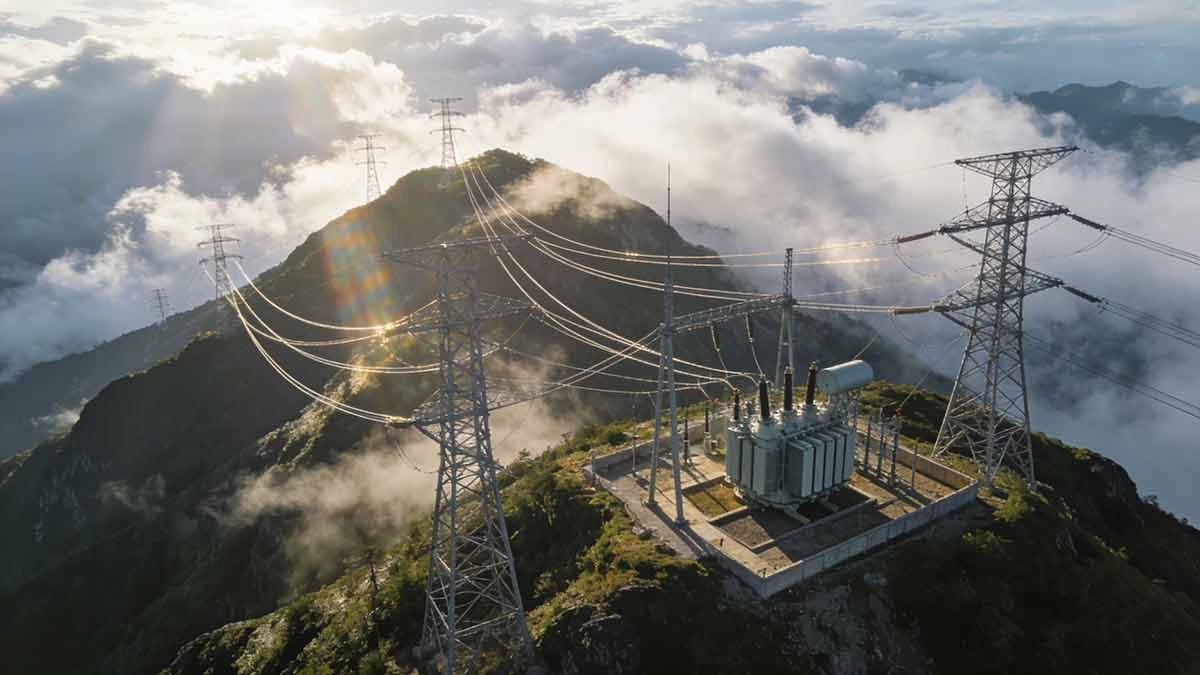
Sustainable Oil Handling Practices to Minimize Ecological Footprint
Transformer oil is a valuable but potentially hazardous material, and sustainable handling practices are essential for reducing its environmental impact throughout its lifecycle—from storage and use to recycling and disposal. Proper oil management prevents contamination, minimizes waste, and ensures compliance with global environmental regulations, aligning transformer operations with circular economy principles and sustainability goals.
Safe Storage and Transportation Protocols
Safe storage and transportation are the first steps in responsible oil handling, eliminating the risk of accidental spills and contamination. Transformer oil should be stored in sealed, leak-proof metal or high-density polyethylene (HDPE) drums, clearly labeled with hazard information and oil specifications to prevent misuse. Storage areas should be located at a safe distance from water sources, drainage systems, and ignition sources, with secondary containment such as spill trays to capture any drips or leaks.
During transportation, oil containers must be secured to prevent movement and damage, in compliance with local hazardous materials transportation regulations. All storage and transportation activities should be documented, with records maintained for regulatory auditing and accountability.
Spill Prevention and Control
Preventing spills during oil handling, including topping up, filtration, and replacement, is far more effective than post-spill remediation. Strict protocols for oil transfer, including the use of leak-proof hoses and closed-system transfer equipment, reduce the risk of accidental release. Regular inspection of storage containers and transfer equipment ensures integrity, while staff training on proper handling techniques minimizes human error.
In the event of a spill, immediate containment using absorbent materials and barriers prevents spread, with proper cleanup and disposal of contaminated materials following environmental guidelines. Implementing a spill prevention plan, with assigned responsibilities and clear procedures, ensures consistent adherence to best practices and reduces the likelihood of environmental incidents.
Oil Recycling and Regeneration
Adopting a circular approach to transformer oil management through recycling and regeneration significantly reduces waste and environmental impact, extending the useful life of oil and minimizing the need for virgin mineral oil production. Oil regeneration processes remove contaminants such as moisture, sludge, and acidic compounds, restoring the oil’s dielectric strength and thermal properties to near-new conditions. On-site filtration systems allow for continuous oil purification, reducing the frequency of full oil replacement and minimizing waste generation.
Partnering with certified, environmentally responsible recycling facilities ensures that used oil is processed safely, with re-refined oil used in various industrial applications, closing the lifecycle loop. Recycling transformer oil reduces landfill waste, decreases reliance on finite fossil fuel resources, and lowers the carbon footprint associated with oil production and disposal.
Compliant Disposal of Contaminated Oil
Oil that is too degraded for recycling, or contaminated with hazardous substances such as PCBs, must be disposed of in strict accordance with local and international hazardous waste regulations. Landfilling and illegal burning are strictly prohibited, as these practices cause severe soil, water, and air pollution. Licensed hazardous waste disposal facilities utilize controlled incineration or chemical treatment processes to neutralize contaminants, ensuring minimal environmental impact. Maintaining detailed records of oil disposal, including certificates of disposal from licensed facilities, is critical for regulatory compliance and demonstrates corporate environmental responsibility.
Eco-Conscious Maintenance Protocols for Long-Lasting Oil-Immersed Transformer Performance
Eco-friendly maintenance practices prioritize sustainability alongside operational efficiency, reducing energy waste, minimizing hazardous waste generation, and protecting ecosystems while extending the service life of oil-immersed transformers. These protocols align with global sustainability targets, reduce operational costs, and ensure compliance with environmental and energy efficiency regulations.
Adoption of Biodegradable Dielectric Fluids
Replacing traditional mineral oil with biodegradable dielectric fluids is a pivotal step in eco-conscious transformer management. Natural ester-based oils, derived from renewable vegetable sources, offer 100% biodegradability and low toxicity, eliminating the risk of long-term ecological contamination in the event of a spill. These fluids also exhibit superior fire resistance, with higher flash points than mineral oil, enhancing both environmental safety and operational fire protection. Synthetic ester oils provide an alternative for demanding applications, offering extended service life, reduced oxidation, and moderate biodegradability, balancing performance with sustainability.
Energy Efficiency Optimization
Optimizing transformer energy efficiency reduces greenhouse gas emissions associated with power generation, supporting global climate goals while lowering operational costs. Key strategies include the use of low-loss core materials such as amorphous metal, which significantly reduces no-load energy losses compared to traditional silicon steel cores. Real-time load monitoring systems prevent overloading, ensuring the transformer operates within its designed capacity and minimizing energy waste from excessive thermal loss.
Smart cooling systems, equipped with IoT-based controls, adjust fan and pump operation based on real-time temperature data, reducing unnecessary energy consumption while maintaining optimal thermal performance. Upgrading aging transformers to high-efficiency models that meet international MEPS (Minimum Energy Performance Standards) further enhances energy savings and sustainability.
Sustainable Waste Management
Eco-friendly maintenance includes the responsible management of all waste generated during servicing, including used oil, damaged components, and insulation materials. Recycling programs for copper, aluminum, and steel transformer components divert valuable materials from landfills, supporting the circular economy. Contaminated waste, such as degraded insulation and sludge, is handled by licensed hazardous waste providers, ensuring safe disposal and preventing environmental contamination.
On-site oil filtration and purification extend oil service life, reducing the volume of waste oil generated, while scheduled maintenance minimizes unplanned repairs and associated waste. By prioritizing waste reduction, reuse, and recycling, maintenance operations align with sustainable development principles and reduce their environmental footprint.
Predictive and Smart Maintenance
IoT-enabled predictive maintenance technologies revolutionize eco-friendly transformer management by enabling targeted, data-driven servicing, eliminating unnecessary maintenance tasks, and reducing waste. Continuous monitoring systems, including DGA sensors, thermal imagers, and vibration monitors, detect early signs of degradation, allowing for precise, timely repairs before failures occur. This reduces the need for full component replacement, minimizes energy waste from inefficient operation, and lowers the carbon footprint associated with maintenance activities.
AI-powered analytics processes real-time transformer data to predict maintenance needs, optimize service schedules, and identify opportunities for efficiency improvements. This proactive approach reduces unplanned outages, extends equipment lifespan, and ensures that maintenance activities are both effective and environmentally responsible.
Regulatory Adherence: Elevating Safety and Sustainability in Transformer Operations
Regulatory compliance is not merely a legal obligation but a foundational framework for enhancing oil-immersed transformer safety and sustainability. Global and regional standards establish rigorous requirements for design, operation, maintenance, and environmental management, providing a benchmark for best practices and ensuring that transformer operations protect personnel, ecosystems, and public interests. Adherence to these regulations reduces safety risks, minimizes environmental harm, and protects organizations from financial penalties and reputational damage.
Key Global Safety and Performance Standards
A suite of international standards governs the safety and performance of oil-immersed transformers, setting uniform requirements for design, testing, and operation:
- IEC 60076: Developed by the International Electrotechnical Commission, this standard defines core safety, performance, and testing requirements for power transformers, covering insulation, thermal stability, and short-circuit withstand capabilities.
- IEEE C57: Published by the Institute of Electrical and Electronics Engineers, this standard outlines specifications for transformer design, maintenance, and diagnostic testing, ensuring consistent performance and safety across North American and global markets.
- NFPA 70 (National Electrical Code): Establishes fire safety guidelines for transformer installation, including clearances, grounding, and fire protection requirements, mitigating fire and electrical hazards.
- OSHA Standards: Mandate workplace safety protocols for transformer operation and maintenance, including lockout/tagout procedures, personal protective equipment requirements, and staff training to protect on-site personnel.
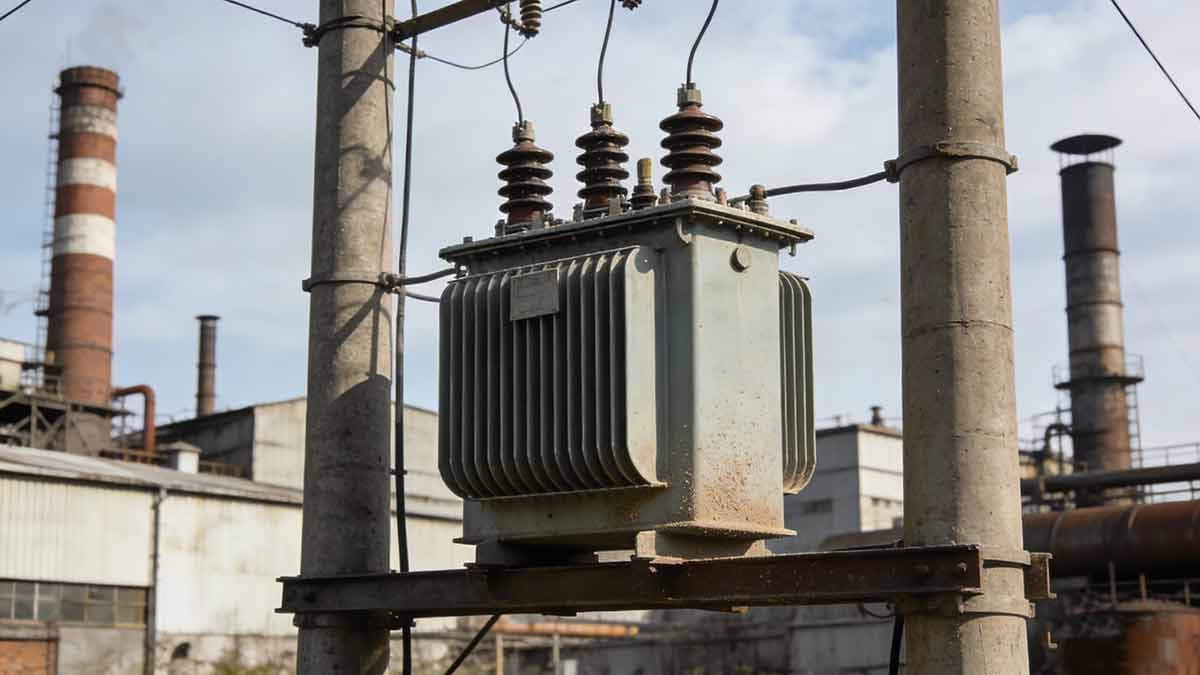
Compliance with these standards ensures that transformers are designed, installed, and operated to minimize safety risks, with regular audits and inspections verifying ongoing adherence.
Environmental and Sustainability Regulations
Environmental regulations globally govern the handling, disposal, and emission of materials associated with oil-immersed transformers, protecting ecosystems and public health:
- EPA PCB Regulations: Enforced by the U.S. Environmental Protection Agency, these regulations restrict the use and disposal of polychlorinated biphenyls (PCBs) in transformers, eliminating a persistent environmental toxin.
- EU RoHS and REACH Directives: Restrict the use of hazardous substances in electrical equipment, ensuring that transformer materials are non-toxic and environmentally responsible.
- ISO 14001: Provides a framework for environmental management systems, guiding organizations in implementing sustainable practices, reducing waste, and minimizing ecological impact.
Compliance with these regulations requires strict protocols for oil handling, waste disposal, and emissions control, with regular reporting and record-keeping to demonstrate adherence.
Energy Efficiency Regulations
Energy efficiency regulations mandate minimum performance standards for transformers, reducing energy waste and supporting climate sustainability goals:
- U.S. DOE 10 CFR Part 431: Sets minimum energy efficiency levels for distribution transformers, requiring manufacturers to produce high-efficiency units and operators to prioritize efficient asset selection.
- EU Ecodesign Directive: Establishes tiered efficiency requirements for transformers, driving the adoption of low-loss technologies and reducing greenhouse gas emissions from power generation.
- National MEPS: Implemented by countries worldwide, these standards ensure transformers meet predefined efficiency benchmarks, promoting sustainable energy infrastructure.
Adherence to energy efficiency regulations reduces operational costs, lowers carbon footprints, and aligns transformer operations with global renewable energy and climate targets.
Best Practices for Sustained Compliance
Maintaining consistent regulatory compliance requires a structured, organizational approach:
- Conduct annual safety and environmental audits to identify compliance gaps and implement corrective actions.
- Maintain detailed, organized records of all maintenance activities, testing results, oil handling, and waste disposal for regulatory auditing.
- Provide ongoing staff training on relevant standards and regulations, ensuring all team members understand compliance requirements.
- Partner with certified service providers and recycling facilities to ensure that third-party activities align with regulatory standards.
- Integrate compliance monitoring into IoT-based asset management systems, automating checks for regulatory requirements and streamlining reporting.
Conclusion
Oil-immersed transformers remain indispensable to modern power distribution infrastructure, but their safe and sustainable operation demands a comprehensive, proactive approach to hazard management, environmental protection, and regulatory compliance. The interconnected risks of fire, oil leakage, insulation degradation, and environmental contamination require targeted strategies that address root causes, leverage advanced monitoring technologies, and prioritize eco-friendly practices throughout the transformer’s lifecycle.
By implementing robust fire prevention measures, effective oil leakage containment, sustainable oil handling protocols, eco-conscious maintenance practices, and strict adherence to global regulatory standards, power system operators can mitigate risks, protect personnel and ecosystems, and ensure the long-term reliability and efficiency of oil-immersed transformers. Beyond compliance and risk reduction, these practices drive operational cost savings, extend equipment lifespan, and align organizational goals with global sustainability and climate objectives.
In an evolving energy landscape focused on sustainability and safety, the responsible management of oil-immersed transformers is not just a technical imperative but a commitment to environmental stewardship and public safety. By adopting the industry-leading practices outlined in this article, organizations can navigate operational challenges, resolve core pain points, and maintain a competitive edge while upholding the highest standards of safety, sustainability, and performance for their critical transformer assets.