
Proper maintenance is the backbone of reliable oil immersed transformer performance. These workhorses of electrical systems depend on systematic inspections, oil analysis, component care, and strict safety protocols to deliver consistent efficiency and extend operational life. Neglecting maintenance can lead to unexpected failures, costly downtime, and reduced energy efficiency—risks that can be easily mitigated with a structured routine.
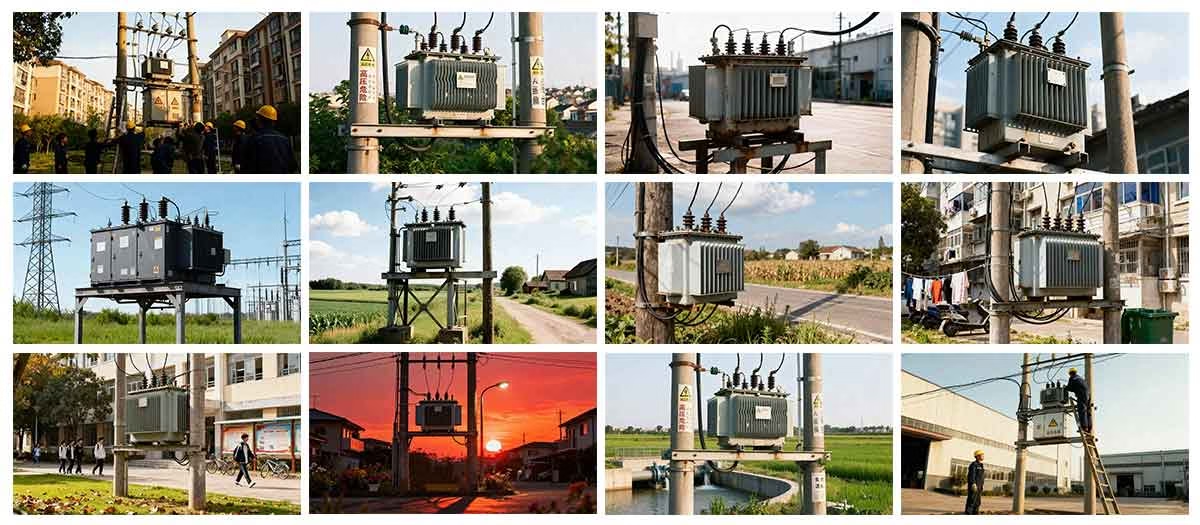
Having spent two decades servicing oil immersed transformers across industrial, commercial, and utility settings, I’ve witnessed firsthand how proactive maintenance transforms reliability. In this guide, I’ll break down actionable maintenance steps and critical safety precautions to keep your transformer operating at peak performance for years.
Step-by-Step Oil Immersed Transformer Maintenance Guide
The thought of maintaining a large oil immersed transformer can feel daunting, but a methodical approach simplifies the process. Below is a detailed, technician-friendly routine that covers safety prep, inspections, testing, and final checks—all designed to catch issues early and prevent major failures.
Safety First: Pre-Maintenance Preparation
Before any work begins, prioritizing safety protects both technicians and equipment. Cutting corners here risks serious injury or costly damage:
- Complete Power Isolation: Start by disconnecting the low-voltage circuit breaker and opening the high-voltage load switch. Engage the grounding knife and secure all isolation points with lockout/tagout (LOTO) devices—each technician should use their own lock and tag to prevent accidental re-energization.
- Verify De-Energization: Never rely solely on switches. Use a calibrated high-voltage electroscope (rated for the transformer’s voltage) to confirm the unit is de-energized. Test the electroscope on a known live source first to ensure accuracy.
- Personal Protective Equipment (PPE): Don the right gear: insulated boots (ASTM F2413-rated), class 00–0 insulated gloves (voltage-matched to the system), impact-resistant safety glasses, and flame-resistant (FR) coveralls if working near energized components or oil vapors.
I once responded to a near-miss where a technician skipped the electroscope check—only to discover a backfeed from a generator. Always double-verify power status; it’s a step that can save lives.
Visual Inspection: Spotting Issues Early
A thorough visual check identifies obvious problems before they escalate. Take time to examine every component with attention to detail:
- External Structure: Inspect the transformer tank for dents, rust, or paint damage—these can indicate physical impact or corrosion. Check weld seams and gaskets for signs of oil leakage (e.g., dampness, staining, or oil pools).
- Porcelain Bushings: Look for cracks, chips, or contamination (dust, oil residue) on bushings. Even small cracks can lead to flashovers, so mark any damaged units for replacement.
- Oil Level & Condition: Check the sight glass—oil should sit between the “min” and “max” marks. Note the oil’s color: clear amber indicates good condition, while dark brown or black suggests degradation.
- Silica Gel Breather: The silica gel in the breather absorbs moisture. Blue gel is active and effective; pink or white gel is saturated and needs immediate replacement to prevent moisture from entering the tank.
- Auxiliary Equipment: Test cooling fans and pumps to ensure they operate smoothly. Inspect radiators for dust, debris, or blockages (which hinder heat dissipation). Verify that temperature gauges, pressure relief valves, and oil level alarms are intact and functional.
| Component | Inspection Checklist |
|---|---|
| Transformer Tank | No dents, rust, or oil leaks; weld seams intact |
| Bushings | No cracks, chips, or contamination; tight connections |
| Oil | Level within range; clear amber color (no darkening or sediment) |
| Silica Gel Breather | Blue (active) color; no clumping or saturation |
| Cooling System | Fans/pumps operational; radiators clean and unobstructed |
| Gauges/Valves | Temperature/pressure gauges functional; relief valves sealed and undamaged |
Oil Testing: The Lifeline of Your Transformer
Transformer oil serves dual roles: coolant and insulation. Regular testing reveals hidden issues like degradation, moisture, or internal faults. Follow these best practices:
- Sampling Protocol: Collect oil samples from the bottom valve (after draining a small amount to flush contaminants) using clean, dry, sealed containers. Label samples with the transformer ID, date, and sampling location.
- Key Tests & Standards:
- Dielectric Strength Test: Measures the oil’s ability to withstand electrical stress. Aim for values ≥30 kV (ASTM D1816); results below 25 kV indicate contamination or degradation. Perform annually.
- Dissolved Gas Analysis (DGA): Detects gases (e.g., methane, ethane, hydrogen) produced by internal faults (e.g., overheating windings, arcing). Trend analysis over time is critical—sudden gas spikes signal trouble.
- Acidity Test: High acid content (≥0.2 mg KOH/g) accelerates insulation breakdown. Test every 2–3 years.
- Moisture Content: Keep levels below 20 ppm (parts per million) for most transformers. Excess moisture reduces dielectric strength and damages paper insulation.
Early DGA detection once saved a 500 kVA transformer from catastrophic failure—we identified rising acetylene levels (a sign of arcing) and repaired a faulty tap changer before it caused winding damage.
Component Checks: Ensuring Functionality
After visual and oil checks, inspect critical components to confirm they’re working as intended:
- Bushings: Clean porcelain surfaces with a non-abrasive cloth. Check connection bolts for tightness (use a torque wrench to match manufacturer specs) and perform a power factor test (if equipment is available) to detect insulation deterioration.
- Cooling System: Clean radiator fins with compressed air or a soft brush to remove dust and debris. Lubricate fan motor bearings (if applicable) and verify that thermal switches activate fans at the correct temperature.
- Gauges & Sensors: Calibrate temperature and pressure gauges against a reference standard. Test pressure relief valves by lifting the lever slightly (ensure no oil is released unnecessarily) to confirm they open and close smoothly.
- Tap Changer (if equipped): Cycle through all tap positions manually to check for smooth operation. Inspect contacts for wear or pitting (use a borescope if needed) and verify the tap changer oil level (separate from the main tank oil).
Final Cleaning & Documentation
Finish the maintenance process with thorough cleaning and detailed record-keeping:
- General Cleaning: Wipe down the transformer tank, bushings, and auxiliary equipment with a damp cloth to remove dust, dirt, and oil residue. Ensure cooling passages and vents are fully clear.
- Tightness Verification: Check all bolted connections (tank covers, terminal blocks, grounding lugs) for proper torque—loose connections cause overheating. Inspect gaskets for compression and replace any that are cracked or hardened.
- Grounding Check: Clean grounding connections to remove corrosion. Measure grounding resistance (target <5 ohms) and repair any broken or loose ground wires.
- Documentation: Record all activities, including test results, component conditions, and repairs made. Note any issues that require follow-up (e.g., low dielectric strength, minor leaks). Update the maintenance log with the date, technician name, and next scheduled service.
Detailed documentation isn’t just for compliance—it’s a valuable tool for troubleshooting. I once resolved a warranty dispute by referencing maintenance records that proved our team had followed all manufacturer-recommended procedures.
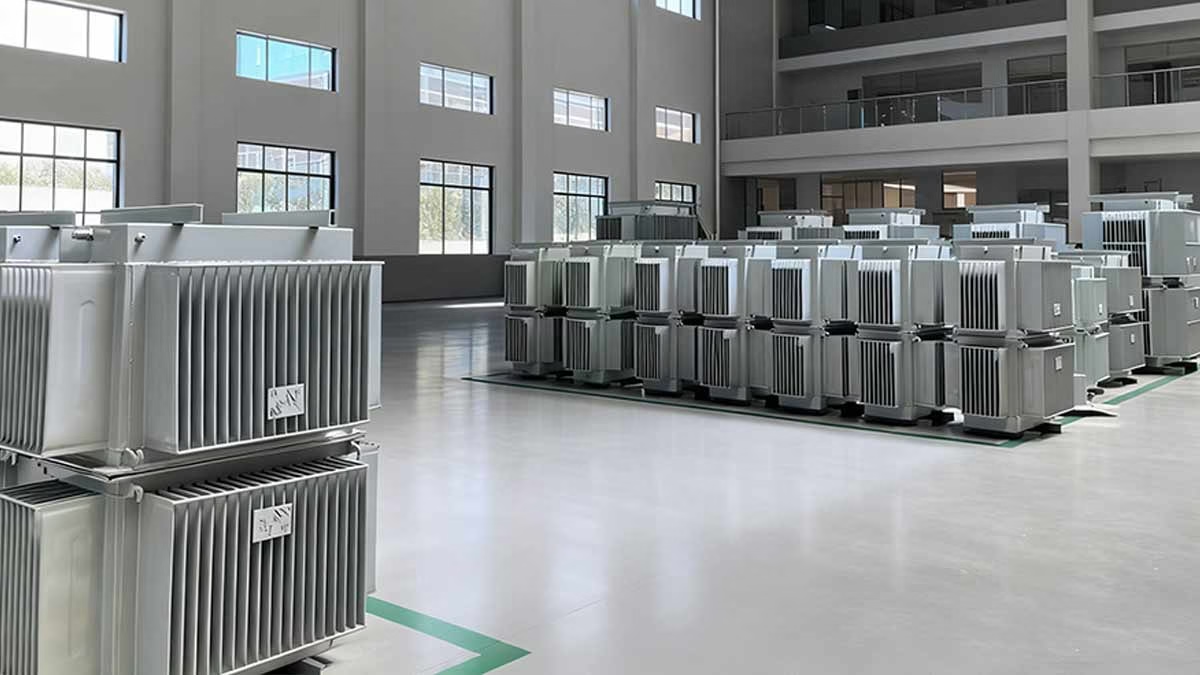
Critical Precautions for Oil Immersed Transformer Maintenance
Even with a step-by-step guide, overlooking precautions can lead to accidents, equipment damage, or environmental harm. Below are non-negotiable safety measures to integrate into every maintenance task.
Environmental Safety: Preparing the Work Area
The environment surrounding the transformer directly impacts maintenance safety:
- Location Requirements: Ensure the area is free from corrosive fumes, excessive dust, or standing water. Maintain ambient temperatures between -30°C and +40°C—extreme temperatures can affect oil viscosity and technician safety.
- Ventilation: For indoor transformers, ensure adequate ventilation to disperse oil vapors (which are flammable). Follow confined space protocols if working in enclosed areas (e.g., vaults).
- Lighting & Access: Use explosion-proof lighting (rated for Class I, Division 2 environments) to avoid igniting oil vapors. Clear the work area of unnecessary tools and personnel, and set up physical barriers to prevent unauthorized access.
I once postponed maintenance during a severe windstorm—high winds could have knocked tools into energized components or caused falls. Always wait for safe weather conditions.
Electrical Safety: Respecting Hazardous Voltage
Electrical hazards are the biggest risk during transformer maintenance. Follow these rules rigorously:
- Lockout/Tagout (LOTO) Compliance: Never bypass LOTO procedures. Ensure all isolation points are locked and tagged, and only the technician who applied the lock can remove it.
- Backfeed Prevention: Identify potential backfeed sources (e.g., generators, interconnected systems) and disconnect or isolate them before starting work.
- Test Equipment Safety: Use only calibrated, voltage-rated test tools. Ensure test leads are in good condition (no fraying or exposed wires) and connect them to ground first when possible.
Oil Handling & Fire Safety
Transformer oil is flammable and can cause environmental damage if spilled. Handle it with care:
- Spill Prevention: Place drip trays under valves when sampling or draining oil. Keep a spill kit (absorbent pads, containment booms, gloves) nearby to address leaks immediately.
- Storage & Disposal: Store used oil in sealed, labeled containers. Dispose of oil through licensed vendors in compliance with local environmental regulations—never dump oil into drains or soil.
- Fire Protection: Keep a Class C (electrical) fire extinguisher within easy reach. Ensure technicians know how to use it, and avoid smoking or using open flames near the transformer.
Communication & Emergency Protocols
Clear communication and preparedness prevent misunderstandings and minimize risk:
- Team Briefings: Before starting work, review the maintenance plan, assign roles, and confirm emergency procedures with all team members.
- Emergency Response: Have a first-aid kit on site and ensure technicians know the location of the nearest emergency exit. Post contact information for emergency services and the transformer manufacturer.
- Post-Maintenance Debrief: After completing work, discuss any challenges or near-misses to improve future maintenance processes.
Conclusion
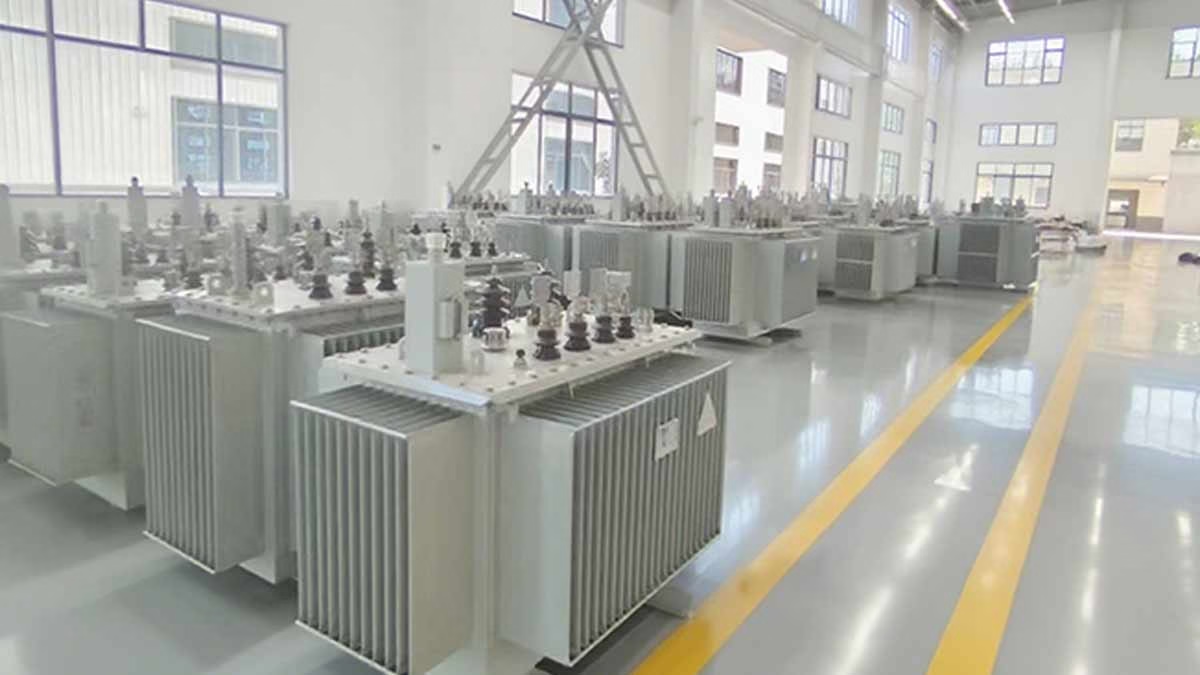
Oil immersed transformer maintenance is an investment in reliability, safety, and cost savings. By following a systematic, technician-focused routine—from safety preparation and visual inspections to oil testing and documentation—and adhering to critical precautions, you can extend your transformer’s lifespan, reduce unexpected downtime, and ensure consistent performance.
Remember, the goal of maintenance isn’t just to “fix what’s broken”—it’s to prevent issues from occurring in the first place. A well-maintained oil immersed transformer isn’t just a piece of equipment; it’s a cornerstone of a stable, efficient electrical system. Whether you’re servicing a small commercial unit or a large utility transformer, prioritizing maintenance pays dividends in the long run.