
1. Power Distribution Device
As a core facility for power exchange and energy collection/distribution, it is a combination of multiple electrical equipment, and its layout is strictly based on the substation’s main electrical wiring requirements.
Core Composition
It integrates key equipment for power transmission and protection, including:
- Bus bars (power transmission and distribution “main lines”), circuit breakers (controlling circuit on/off and fault breaking), isolating switches (ensuring safe maintenance by isolating voltage).
- Voltage transformers (reducing high voltage to measurable low voltage), current transformers (converting large current to measurable small current) — both for measurement and protection.
- Lightning arresters (limiting overvoltage caused by lightning or system faults).
Layout Classification & Voltage Adaptation
The layout is divided into outdoor and indoor types, with specific choices depending on voltage level and environmental conditions. The table below summarizes the common matching principles:
| Voltage Level | Common Layout Type | Special Notes |
|---|---|---|
| 6–10 kV | Indoor | Standard choice for low-voltage distribution. |
| 35 kV | Indoor or Outdoor | Determined by local environment (e.g., space, climate). |
| 110 kV and above | Outdoor | Default choice; in polluted areas or narrow spaces, Gas-Insulated Metal-Enclosed Switchgear (GIS) is optional. |
- Outdoor layout subtypes: Medium-sized, half-height, high-type (differentiated by equipment installation height and spacing).
- GIS advantages: Small footprint, strong anti-pollution capability, suitable for harsh environments or urban substations with limited land.
2. Power Transformer
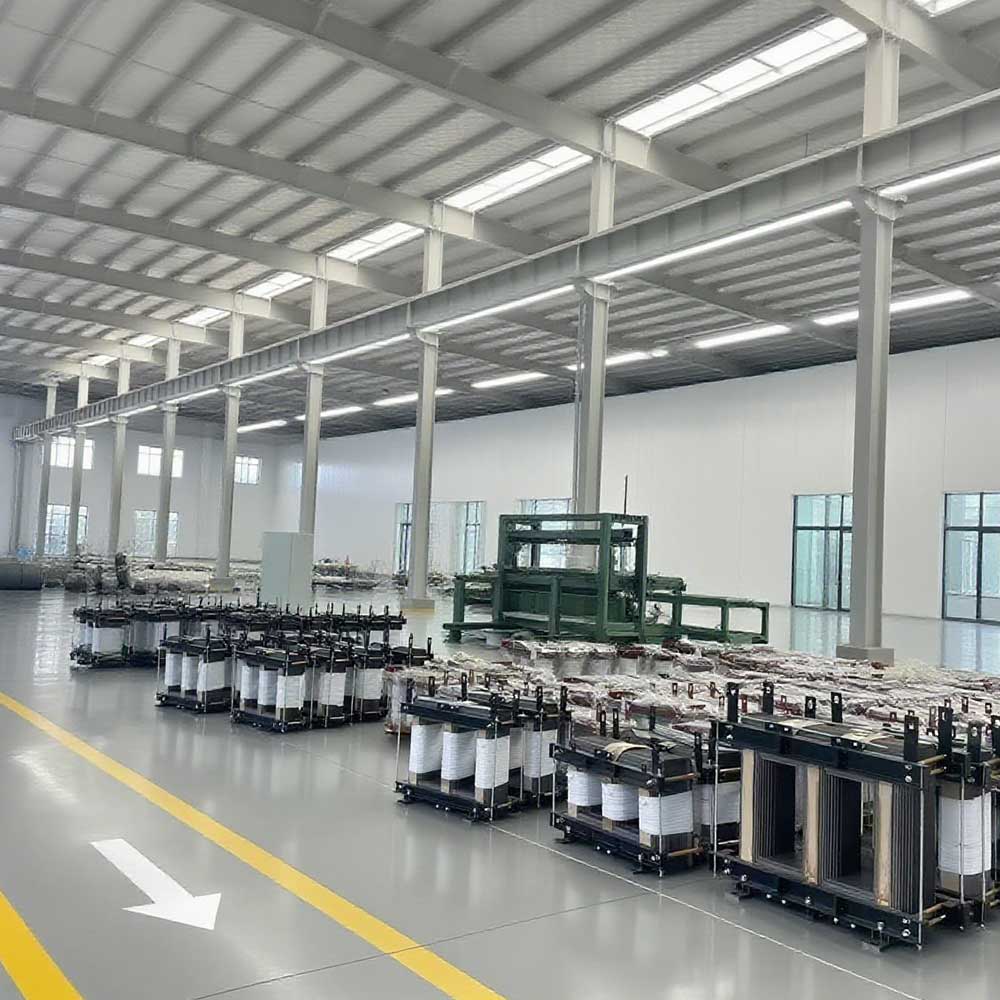
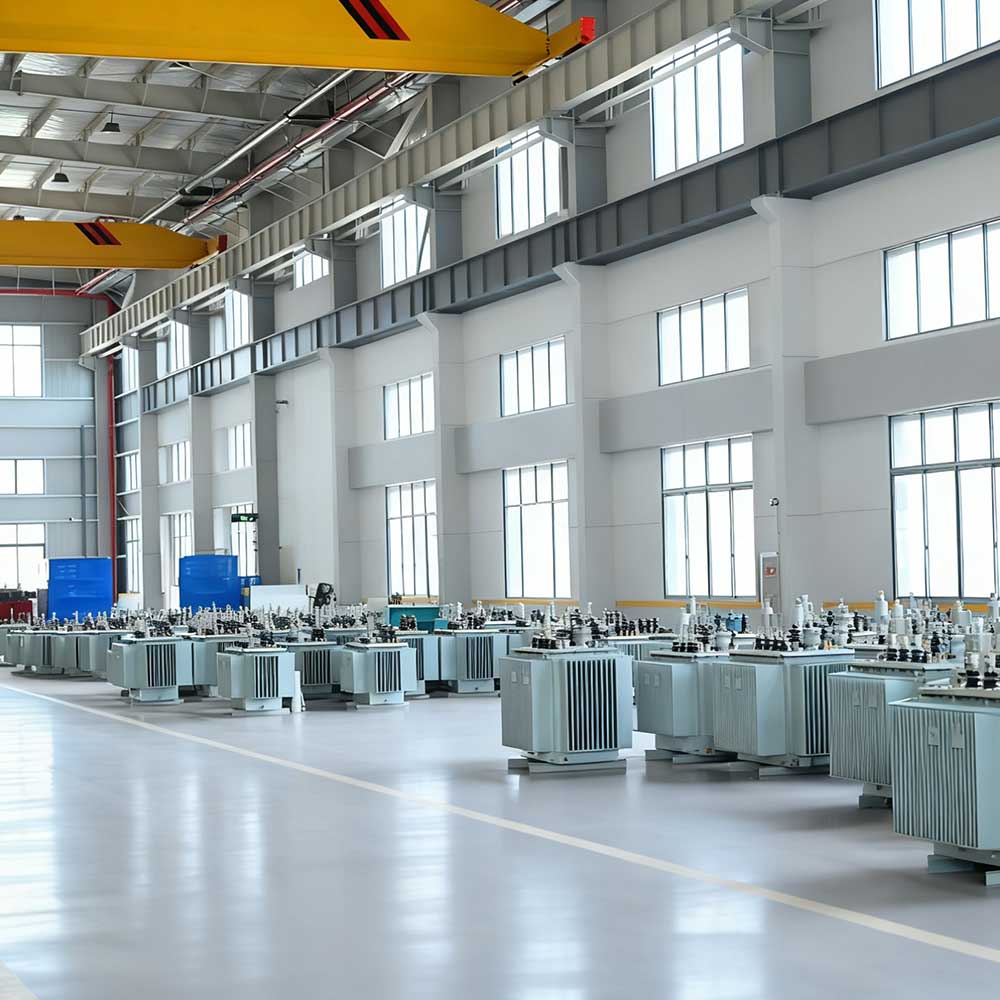
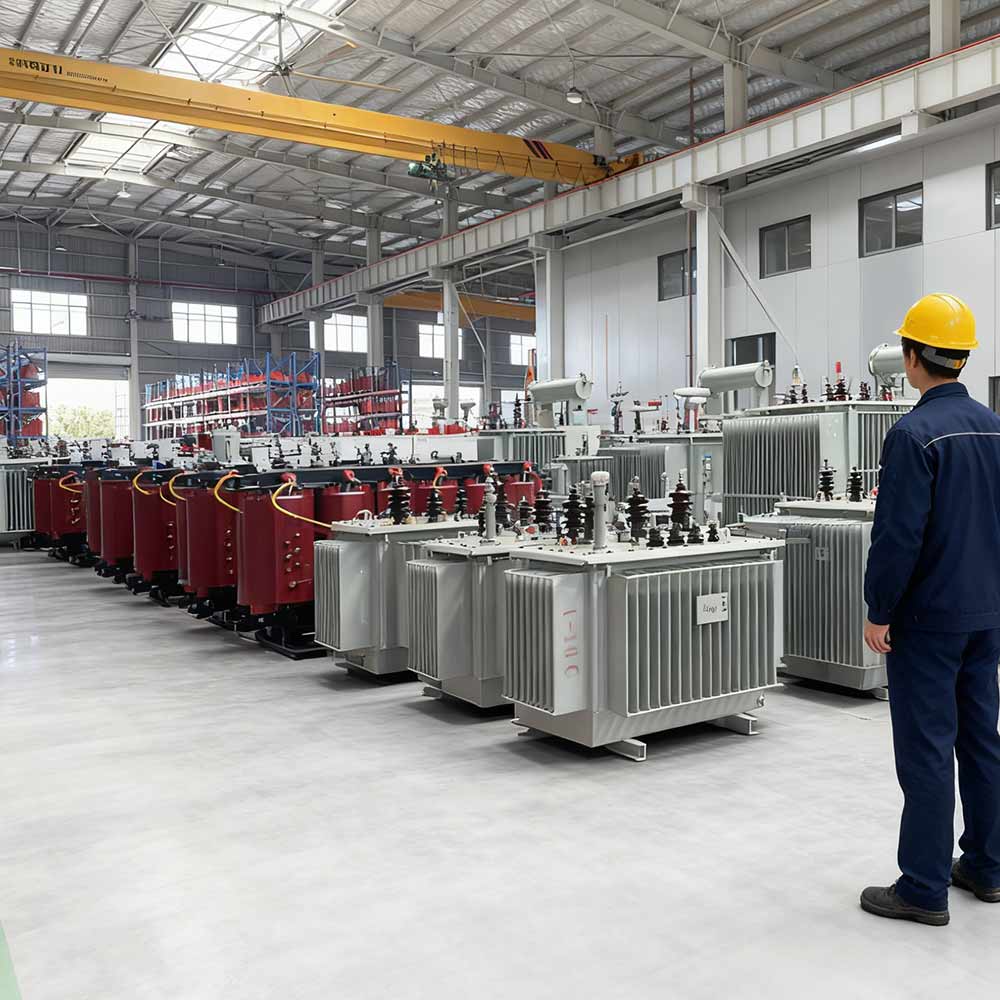
The core device for voltage transformation, connected to different voltage-level power distribution devices, and customarily called the substation’s “main transformer”. Its type selection is determined by the substation’s function and power grid connection requirements.
Main Types & Application Scenarios
| Transformer Type | Core Function & Application |
|---|---|
| Step-down Transformer | Reduces high-voltage grid electricity to medium/low voltage for regional or user power supply (most common in distribution substations). |
| Step-up Transformer | Boosts low-voltage electricity from power plant generators to high voltage for long-distance transmission. |
| Dual-winding/Three-winding Transformer | Used when the substation has 2 or 3 voltage-level distribution devices, respectively, to realize multi-level voltage transformation. |
| Tie Transformer | Realizes power exchange between different voltage-level distribution devices; usually autotransformers or dual-winding transformers. If self-power supply is needed, a three-winding transformer is used (self-power drawn from the low-voltage winding). |
Generator Capacity Matching (for Power Plants)
- Single generator capacity > 200 MW: Must use dual-winding step-up transformers.
- Single generator capacity < 100 MW: Optional dual-winding or three-winding transformers.
3. Control, Measurement, Signal, Protection & Automatic Devices
These are the “brain” and “nervous system” of the substation, ensuring safe operation, monitoring, and fault handling of electrical equipment. They are mostly located in the substation’s main control building (room).
① Control Devices
- Control modes: One-to-one control (single device controlled independently) and line selection control (batch control of multiple devices in a line).
- Power supply: Divided into strong current (110–220V) and weak current (48V and below).
② Protection Devices
Classified by protection object, ensuring fault isolation to minimize losses:
- Main equipment protection (for transformers, buses, etc.).
- Line protection (for incoming/outgoing transmission lines).
- Bus protection (for bus bars, the core of power distribution).
③ Measurement Devices
- Types: Conventional measurement (basic parameters like voltage, current) and selective measurement (targeted monitoring of key nodes).
- Function: Display all required electrical parameters to support operation analysis.
④ Signal Devices
- Forms: Audible signals (alarms) and light signals (indicator lights).
- Power supply: Also divided into strong current and weak current, used to prompt equipment operation status (normal/abnormal).
⑤ Automatic Devices
Automatically complete operations during abnormal conditions to maintain grid stability:
- Common types: Automatic backup power input device (switches to backup power when main power fails), automatic recloser (attempts to reconnect lines after temporary faults).
Main Control Building (Room) & Secondary Circuit Power Supply
- Main control building (room) specifications: 330 kV and above substations usually have a three-story main control building; 220 kV and below use a single-story main control room; unattended substations only have a simple small control room.
- Secondary circuit power supply: Powers control and protection facilities, including battery DC power supply (used in 220 kV and above substations), compound rectifier power supply, capacitor energy storage power supply, and AC secondary power supply (used in 110 kV and below unimportant substations).
4. Communication Facilities
Responsible for data transmission between the substation and the grid dispatch center, as well as internal equipment communication. The type of communication is determined by the substation’s voltage level.
Common Communication Modes & Application Scope
| Communication Mode | Application in Substations |
|---|---|
| Microwave Communication | Mainly set in 330 kV and above substations. |
| Carrier Communication | Used in 220 kV and above substations; also applicable to 220 kV and below. |
| Optical Fiber Communication | Widely used in both 330 kV and above, and 220 kV and below substations (high stability and large bandwidth). |
- Placement: Substations generally do not build independent communication buildings; communication facilities are placed in the communication room of the main control building (room).
5. Compensation Device
Used to solve reactive power balance, system stability, and line transmission capacity issues, ensuring the economic and safe operation of the power grid.
| Compensation Device Type | Core Purpose & Application |
|---|---|
| Shunt Capacitor Banks/Synchronous Regulators | Balance reactive power within the substation’s power supply range, improve power factor, and reduce energy loss. |
| Shunt Reactors | Compensate for the charging power of long-distance transmission lines, suppress overvoltage, and stabilize line voltage. |
| Series Capacitor Banks | Improve system stability and enhance the transmission capacity of power lines (installed when line transmission capacity needs to be increased). |






OUR CERTIFICATE


OUR PROJECTS


