
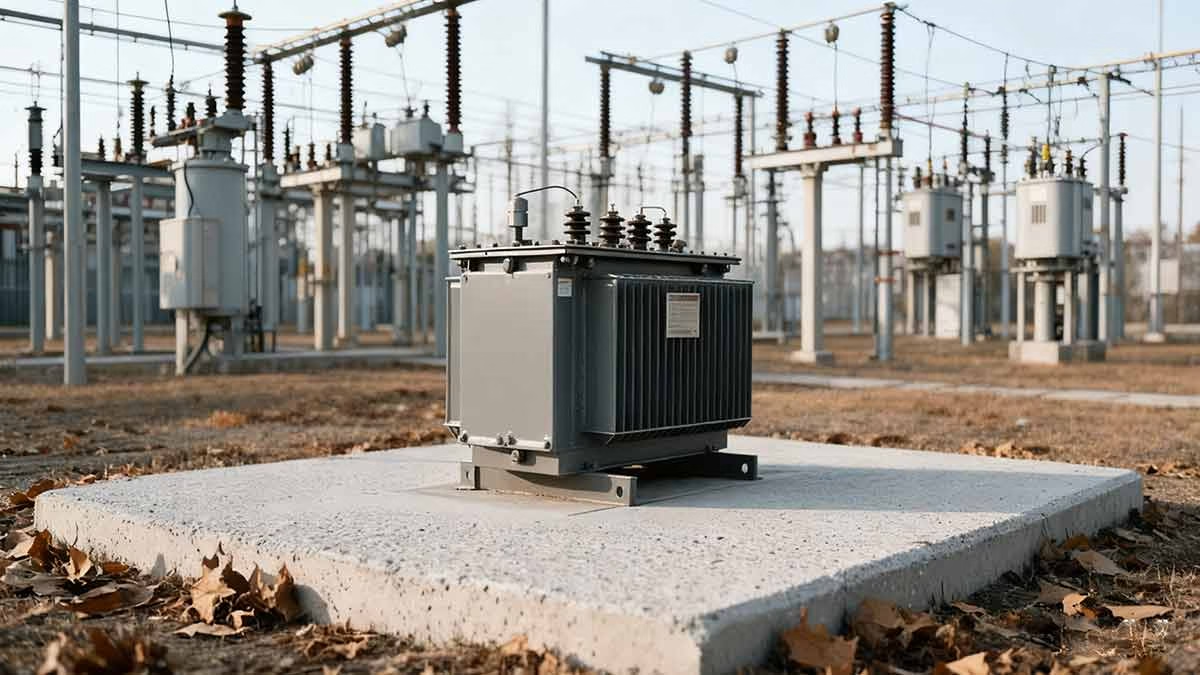
For pad mounted transformers installed on concrete pads in residential neighborhoods, safety and regulatory compliance hinge on thoughtful design, proper installation, and consistent maintenance. This means meeting strict requirements for dimensions, load-bearing capacity, and drainage—all while aligning with local electrical codes and First Energy standards.
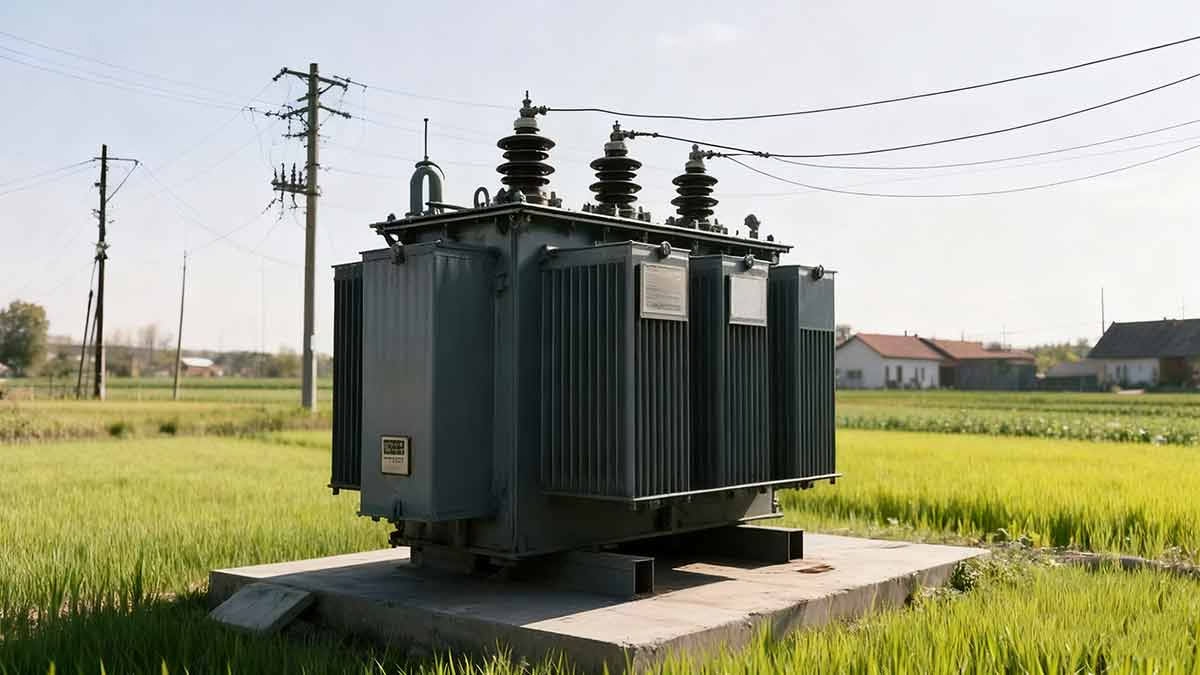
Whether you’re a homeowner, contractor, or utility professional, understanding these foundational elements is key to upholding a safe, reliable power distribution system. But beyond concrete pad basics, the transformer industry is undergoing a remarkable shift: traditional units are making way for electronic alternatives that better serve our digital age. Let’s explore this evolution and the critical role of modern transformers in today’s energy landscape.
Contents
hide
From Traditional to Electronic: How Power Transformers Evolved in the Digital Age
Remember those bulky, noisy metal-box transformers that used to dot residential streets? They’re quickly becoming relics of the past. The digital era has ushered in sleek, intelligent transformers that redefine efficiency and functionality for neighborhoods and businesses alike.
Power transformers have transitioned from oil-filled, mechanical units to solid-state electronic devices—an upgrade driven by the growing demands of smart homes, digital infrastructure, and renewable energy. This shift delivers game-changing benefits: improved efficiency, compact footprints, enhanced power quality, and seamless integration with smart grids.
The Traditional Transformer: A Reliable but Limited Workhorse
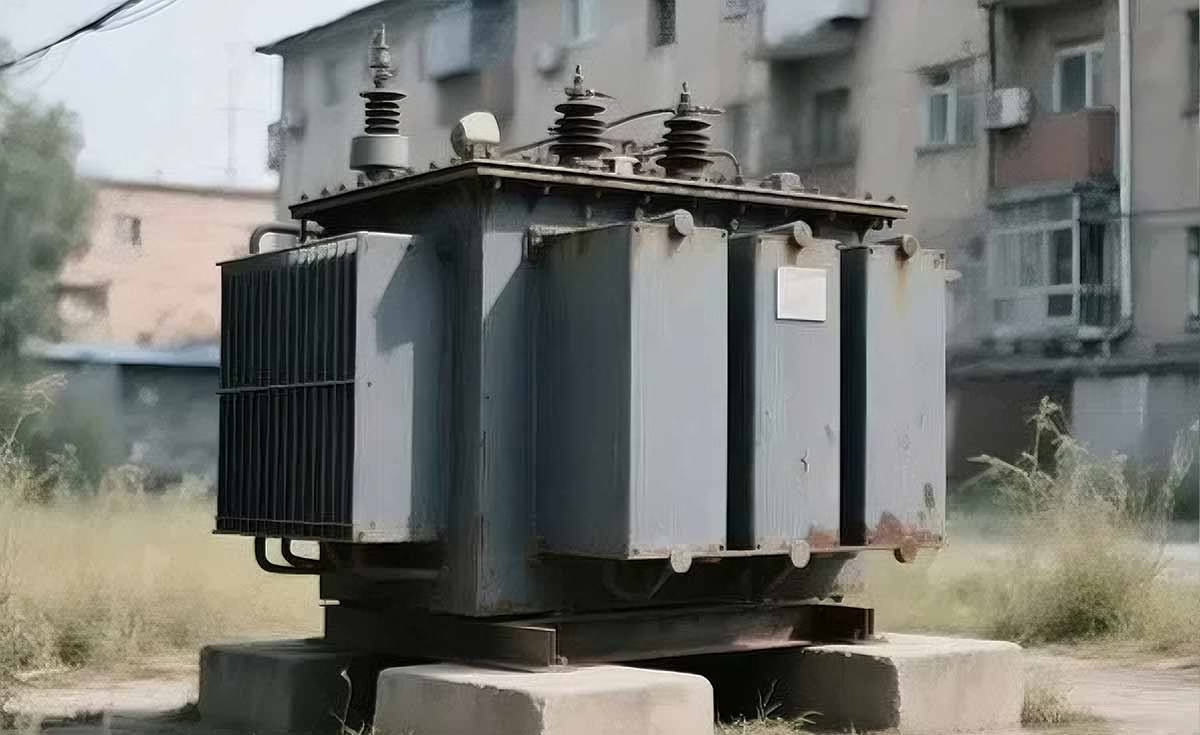
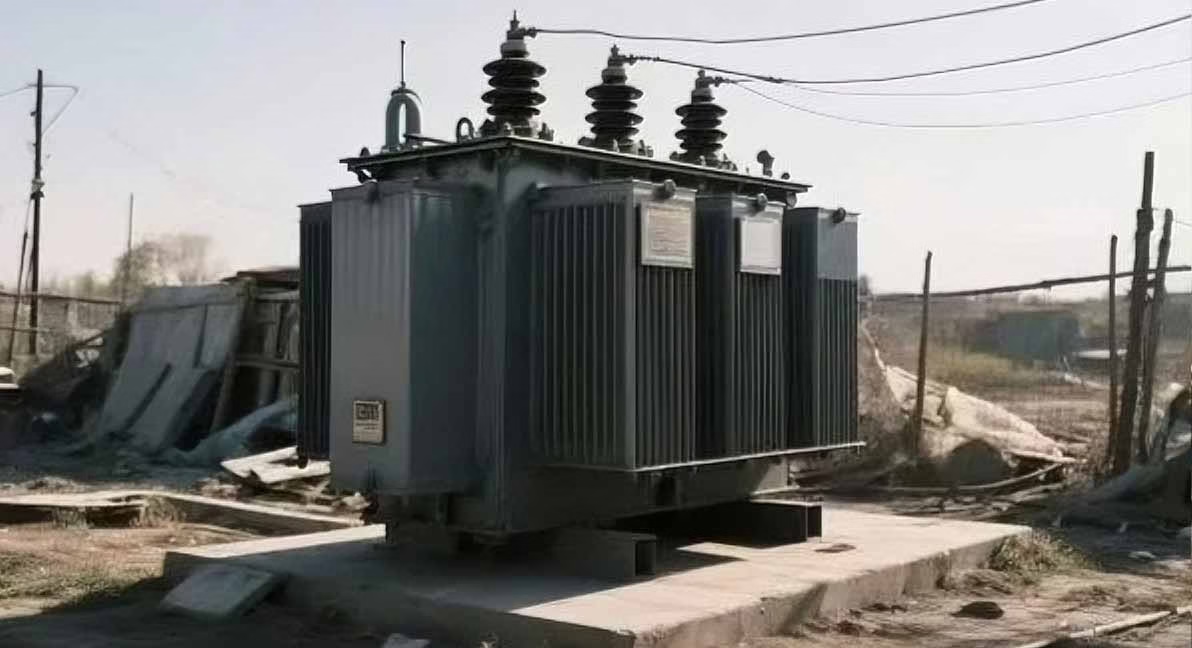
Traditional transformers have served communities well for decades, but their design shows its age in our digital world. These units are typically large and heavy, relying on oil for cooling and insulation. They operate with fixed voltage ratios and offer minimal control options—limitations that make them less adaptable to today’s dynamic power needs.
The Electronic Transformer: A Compact, Intelligent Upgrade
Electronic (or solid-state) transformers are rewriting the rules. These units are lightweight and compact, using dry-type or advanced cooling systems instead of oil. They feature dynamic voltage regulation, real-time monitoring, and advanced control capabilities—making them far more versatile than their traditional counterparts.
Key Advantages of the Electronic Shift
The move to electronic transformers brings tangible benefits that matter for residential and commercial use:
- Size & Weight: Electronic models are a fraction of the size and weight, fitting into tight spaces (like narrow gaps between homes) where traditional transformers would struggle.
- Efficiency: They deliver superior energy efficiency, reducing waste and lowering long-term operational costs.
- Power Quality: Advanced electronics minimize harmonic distortion, ensuring stable power for sensitive digital devices (think smart thermostats, home offices, and entertainment systems).
- Smart Grid Compatibility: Unlike traditional units, electronic transformers seamlessly connect to smart grids, enabling remote monitoring and predictive maintenance.
- Maintenance: No more regular oil checks—electronic transformers require minimal upkeep, cutting down on site visits and downtime.
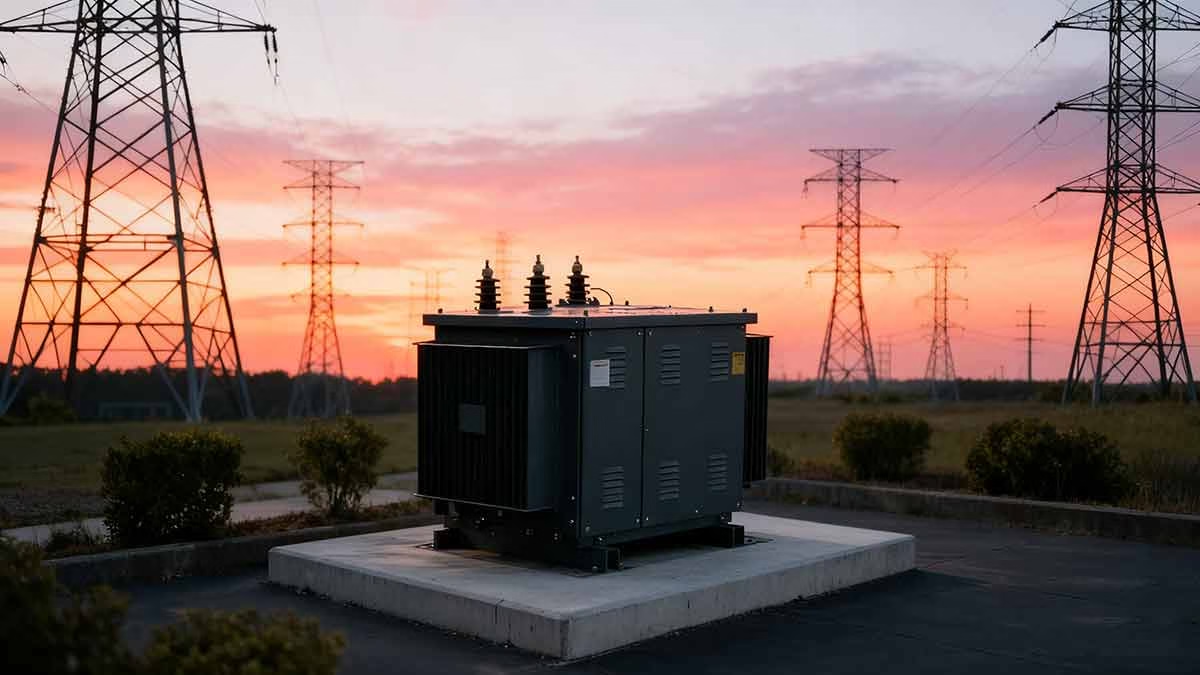
I recently led a project upgrading a residential area’s power system, swapping out three aging traditional pad mounted transformers for electronic models. The difference was striking: we freed up over 30% of the space previously occupied by bulky units, and residents noticed immediate improvements—quieter operation, more stable power, and no unsightly oil-filled boxes in their yards. One particularly tight installation between two homes went from a maintenance nightmare (technicians could barely access the old transformer) to a breeze: the compact electronic unit fit easily, and remote monitoring meant we could address issues without disrupting the neighborhood.
Residents were initially hesitant about the change, but once they experienced fewer power fluctuations and more reliable service for their digital devices, skepticism turned to approval. It’s a perfect example of how electronic transformers meet the real-world needs of modern communities.
Advanced Technologies Boosting Electronic Transformer Efficiency
What makes today’s electronic transformers so powerful despite their small size? The answer lies in cutting-edge technologies that optimize performance, reduce losses, and enhance reliability. From advanced materials to smart controls, these innovations are driving the next generation of power transformers.
Wide-Bandgap Semiconductors: The Power Behind the Performance
Silicon Carbide (SiC) and Gallium Nitride (GaN)—known as wide-bandgap semiconductors—are game-changers. These materials enable higher switching frequencies, lower energy losses, and better thermal performance than traditional silicon. For transformers, this means more efficient power conversion and a smaller footprint—critical for residential and urban settings where space is at a premium.
Nanocrystalline Core Materials: Reducing Magnetic Losses
The core of a transformer is where magnetic energy is transferred, and nanocrystalline materials are revolutionizing this component. These ultra-fine crystalline alloys offer higher magnetic permeability and lower core losses than traditional steel cores. This translates to less energy wasted as heat, improving overall efficiency—especially at the high frequencies used in electronic transformers.
Digital Control Systems: The Brain of the Transformer
Modern transformers aren’t just hardware—they’re smart devices. Digital control systems enable real-time monitoring, dynamic voltage adjustment, and predictive maintenance. Technicians can track performance remotely, identify potential issues before they escalate, and even adjust settings to adapt to changing load demands. This level of control ensures optimal efficiency and minimizes downtime.
Advanced Cooling Solutions: Keeping Compact Designs Cool
Compact transformers generate more heat per square inch, so innovative cooling is a must. Today’s solutions include phase-change materials that absorb heat passively, advanced heat sinks that maximize heat dissipation, and liquid cooling systems for high-power applications. These technologies keep transformers running at peak performance without the need for bulky cooling hardware.
Of course, implementing these technologies isn’t without challenges. SiC and GaN components were initially costly, and working with nanocrystalline materials requires specialized manufacturing processes. For one utility project, we balanced these costs by combining SiC semiconductors with a nanocrystalline core—achieving a 20% efficiency boost and 30% size reduction while staying within budget. Thermal management was another hurdle: we developed a hybrid cooling system (passive heat sinks for regular use, liquid cooling for peak loads) to keep the compact design from overheating.
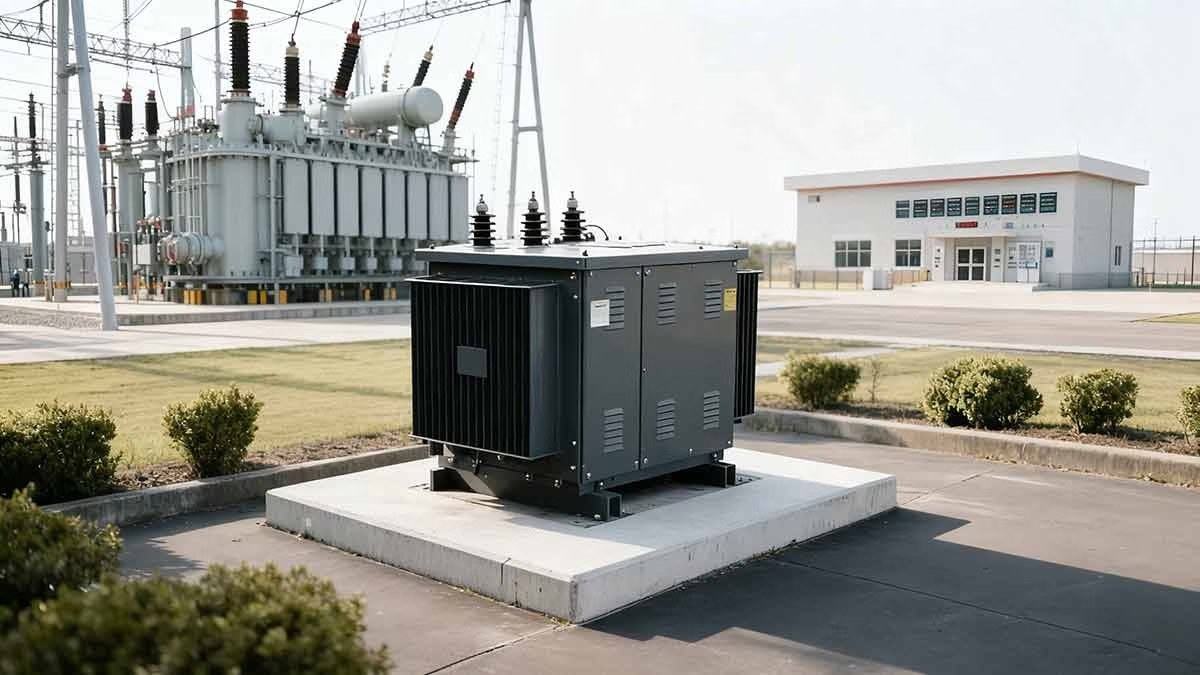
The result? A transformer that delivered on efficiency, size, and reliability—proving that the right combination of advanced technologies can overcome design challenges.
Modern Metrics & Methods for Measuring Electronic Transformer Efficiency
Gone are the days when transformer efficiency was measured solely by no-load and load losses. Electronic transformers operate in dynamic, digital environments, so we need more comprehensive metrics and methods to evaluate their performance accurately.
Beyond Traditional Efficiency Metrics
Traditional tests focus on how much energy is lost when a transformer is idle (no-load losses) or operating at full capacity (load losses). While these metrics still matter, they don’t tell the whole story for electronic transformers. In today’s world, transformers must perform well under variable loads, deliver clean power, and minimize energy waste even when not in full use.
Modern Metrics for Digital-Age Performance
To truly assess electronic transformer efficiency, we need to measure:
- Total Harmonic Distortion (THD): Harmonics are unwanted frequency components that can disrupt sensitive electronics. Low THD indicates clean, high-quality power.
- Power Factor: The ratio of real power (used to do work) to apparent power (total power drawn). A high power factor means the transformer is using energy efficiently.
- Dynamic Efficiency: How well the transformer performs under changing loads (common in residential areas, where demand spikes at morning and evening hours).
- Standby Power Consumption: Energy used when the transformer is idle but still connected to the grid—critical for reducing overall energy waste.
Cutting-Edge Measurement Techniques
To capture these metrics, we use advanced tools and methods:
- Real-Time Power Quality Analyzers: These devices monitor voltage, current, THD, and power factor continuously, providing a detailed picture of performance under real-world conditions.
- High-Precision Power Meters: These tools measure energy flow with extreme accuracy, even at high frequencies, to track losses and efficiency.
- Thermal Imaging: Cameras detect heat patterns, helping identify areas of energy loss and potential overheating issues.
- Simulation Tools: Advanced software models simulate variable loads and environmental conditions, allowing us to predict efficiency before physical testing.
I learned the importance of these modern methods during a project with a data center. The client had installed new electronic transformers, and traditional tests showed good efficiency—but they were experiencing unexplained glitches with their IT equipment. Using real-time power quality analyzers, we discovered that THD spiked during peak load times (when servers were running at full capacity). This harmonic distortion was disrupting sensitive hardware, even though the transformer’s rated load efficiency was strong.
We shifted to dynamic testing, simulating the data center’s variable load patterns, and adjusted the transformer’s control algorithms to reduce THD. The result? No more equipment glitches, and a 12% improvement in overall system efficiency. This experience proved that modern transformers require modern measurement methods—efficiency isn’t just about power in vs. power out; it’s about delivering clean, stable power under all conditions.
Optimizing Electronic Transformer Design for Digital Applications
Digital applications—from smart homes to data centers—demand transformers that are efficient, flexible, and adaptable. To maximize energy conversion in these environments, design optimization must focus on advanced materials, intelligent controls, modularity, and thermal management.
Advanced Materials: The Foundation of Efficiency
The right materials are non-negotiable for high-performance transformers. Nanocrystalline and amorphous core materials minimize magnetic losses, while high-quality insulation systems improve reliability. Wide-bandgap semiconductors (SiC, GaN) reduce switching losses and enable compact designs. By prioritizing these materials, we can build transformers that deliver more power with less waste.
Smart Control Algorithms: Adapting to Dynamic Loads
Digital applications have variable load profiles—think of a data center where servers spin up and down throughout the day, or a neighborhood with peak demand during dinner hours. Traditional transformers struggle with these fluctuations, but smart control algorithms solve the problem. Adaptive voltage regulation adjusts output in real time, while dynamic power factor correction ensures efficient energy use. Predictive load management (powered by AI) can even anticipate demand changes, optimizing performance proactively.
Modular Design: Flexibility for Changing Needs
A one-size-fits-all transformer doesn’t work in the digital world. Modular designs break transformers into smaller, interchangeable units that can be activated or deactivated based on load. This scalability means the transformer operates at peak efficiency whether demand is high or low. It also simplifies maintenance and upgrades—individual modules can be replaced without taking the entire system offline.
Thermal Management: Sustaining Performance
Compact, high-efficiency transformers generate heat, so effective cooling is critical. Phase-change materials absorb heat passively, while advanced heat sinks dissipate it quickly. For high-power applications, liquid cooling systems provide targeted temperature control. The goal is to keep the transformer within optimal operating temperatures, ensuring longevity and consistent performance.
I led a project designing a custom electronic transformer for a tech company’s data center, where load demands changed hourly. We used a nanocrystalline core to minimize losses and paired it with a modular design—six small modules that could be activated as needed. The control system used AI to analyze historical load data and predict demand spikes, pre-activating modules to avoid inefficiency. For cooling, we combined phase-change materials (for regular operation) with a liquid cooling loop (for peak loads).
The result? A transformer that delivered 15% higher energy conversion efficiency than the client’s previous system. The modular design also allowed them to scale up easily as their data center expanded—no need for costly full-system replacements. This project highlighted that optimization isn’t just about individual components; it’s about integrating materials, controls, and cooling into a holistic design that meets the unique needs of digital applications.
The Role of Efficient Electronic Transformers in Smart Grids & Renewable Energy
As we transition to sustainable energy systems and smart grids, efficient electronic transformers are becoming the backbone of our power infrastructure. They bridge the gap between traditional grids, renewable energy sources, and modern digital demands—enabling a more flexible, reliable, and sustainable energy future.
Enabling Bidirectional Power Flow
Smart grids rely on bidirectional power flow—energy moves from utilities to homes, but also from homes (with solar panels, for example) back to the grid. Traditional transformers can’t handle this two-way flow, but electronic transformers act as “traffic controllers,” managing power movement seamlessly. This enables homeowners to sell excess solar energy to the grid (becoming “prosumers”) and supports peer-to-peer energy trading in communities.
Stabilizing Voltage for Intermittent Renewables
Renewable energy sources like solar and wind are intermittent—output fluctuates with weather conditions. This variability can cause voltage instability in traditional grids. Electronic transformers solve this with dynamic voltage regulation and reactive power compensation, adjusting in real time to keep voltage steady. This ensures that even when solar panels are shaded or wind speeds drop, power quality remains consistent for consumers.
Improving Power Quality
Modern electronics (from smartphones to industrial equipment) are sensitive to power fluctuations and harmonic distortion. Electronic transformers mitigate these issues, reducing harmonics, flicker, and voltage sags. This ensures that renewable energy integration doesn’t compromise power quality—critical for keeping digital infrastructure running smoothly.
Balancing Grids & Integrating Storage
Smart grids need to balance supply and demand, especially with variable renewables. Electronic transformers facilitate this by integrating energy storage systems (like batteries). They can shift load to storage during peak demand, releasing energy when supply is low. They also help regulate grid frequency, ensuring stability even when renewable output changes suddenly.
I worked on a project integrating a 50MW solar farm into a regional grid, where electronic transformers were the unsung heroes. On a cloudy afternoon, the solar farm’s output dropped by 70% in 10 minutes—a scenario that would have caused blackouts in a traditional system. But our electronic transformers responded instantly: they drew power from nearby battery storage and adjusted voltage to compensate for the loss. The grid remained stable, and consumers didn’t experience any interruptions.
What impressed me most was the transformers’ ability to communicate in real time—they shared data with the grid control system and each other, making micro-adjustments to maintain balance. This level of coordination is impossible with traditional transformers, and it’s what makes high renewable energy penetration feasible.
Conclusion
Efficient electronic power transformers are more than just upgrades to traditional units—they’re revolutionizing how we generate, distribute, and use energy. From residential neighborhoods to smart grids and renewable energy systems, they deliver safety, efficiency, and flexibility that align with the demands of our digital age.
For pad mounted transformers in residential areas, safety and compliance start with proper concrete pad design and installation—but the real innovation lies in the electronic transformers themselves. As we continue to embrace smart homes, renewable energy, and smart grids, these advanced transformers will remain at the forefront of a sustainable, reliable power future.
Whether you’re a utility professional, contractor, or homeowner, understanding the evolution and capabilities of electronic transformers is key to making informed decisions about power infrastructure. The future of energy is smaller, smarter, and more efficient—and electronic transformers are leading the way.