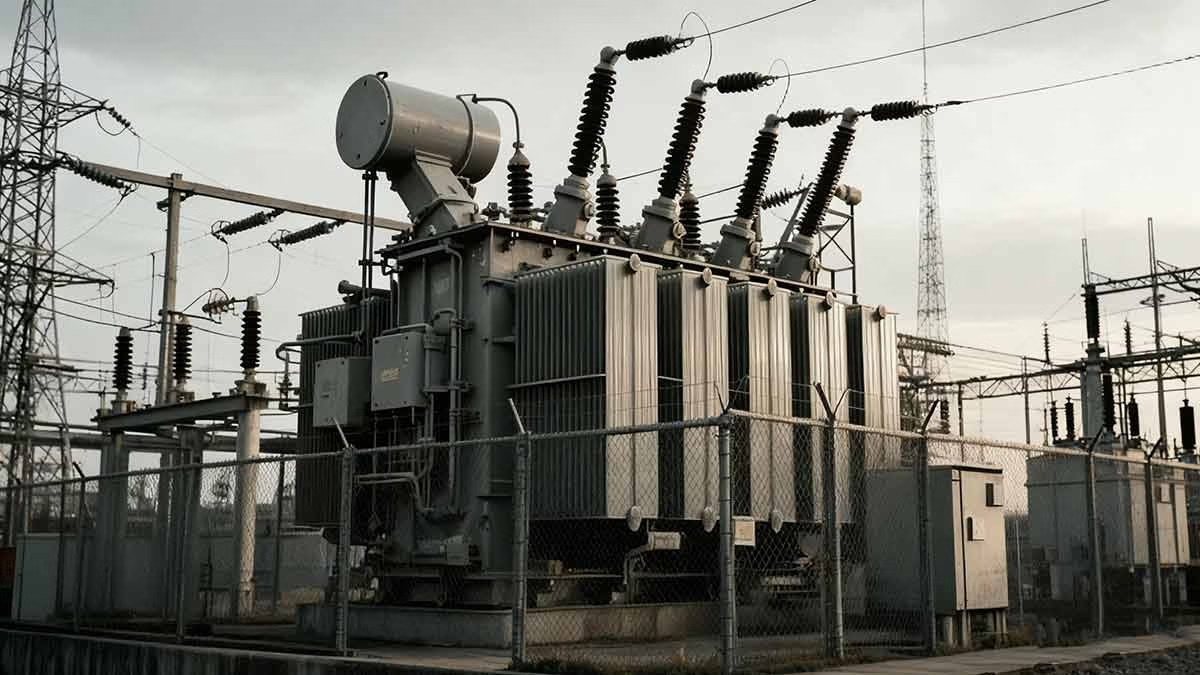
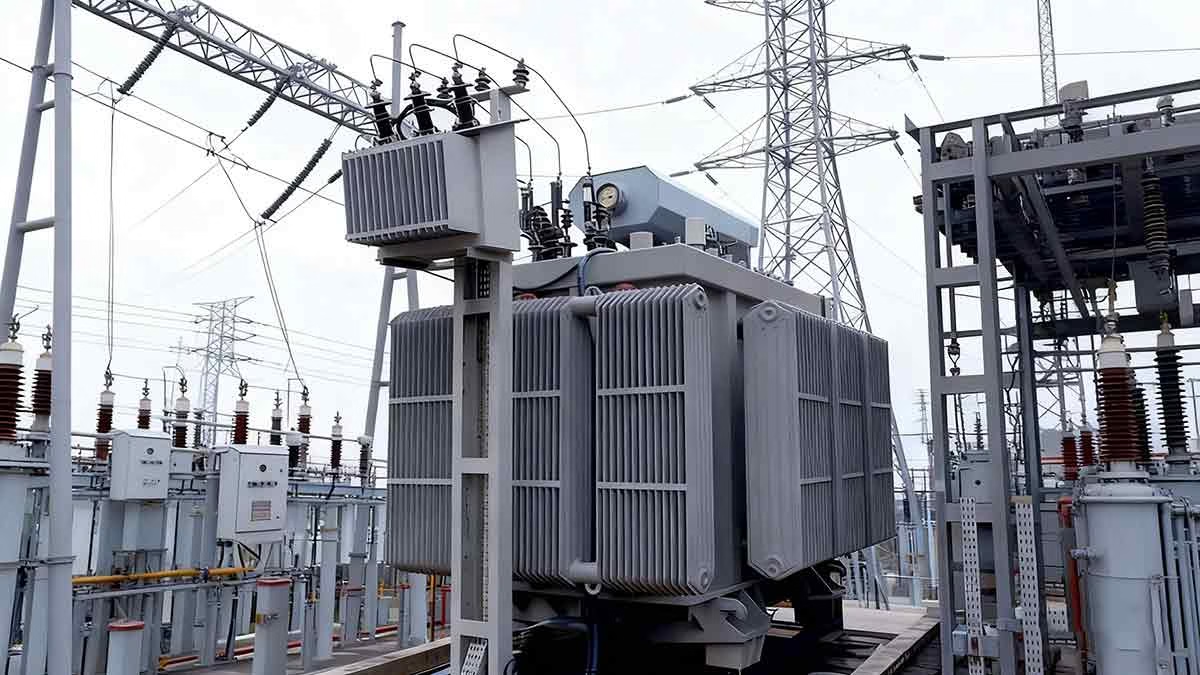
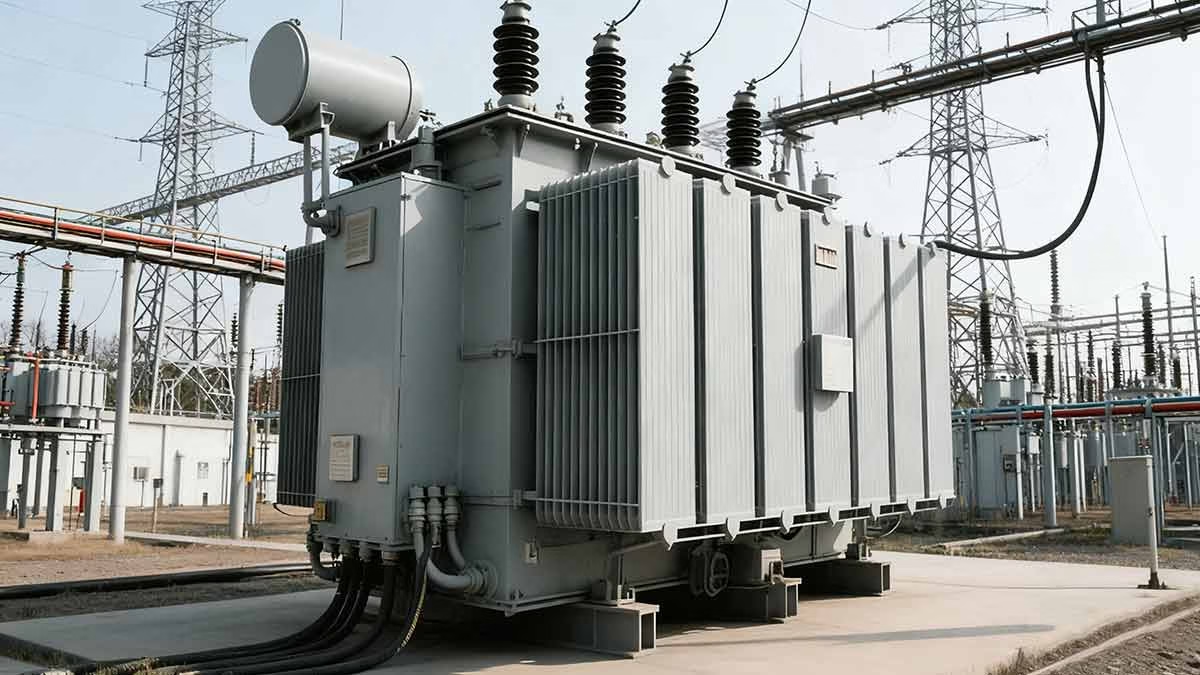
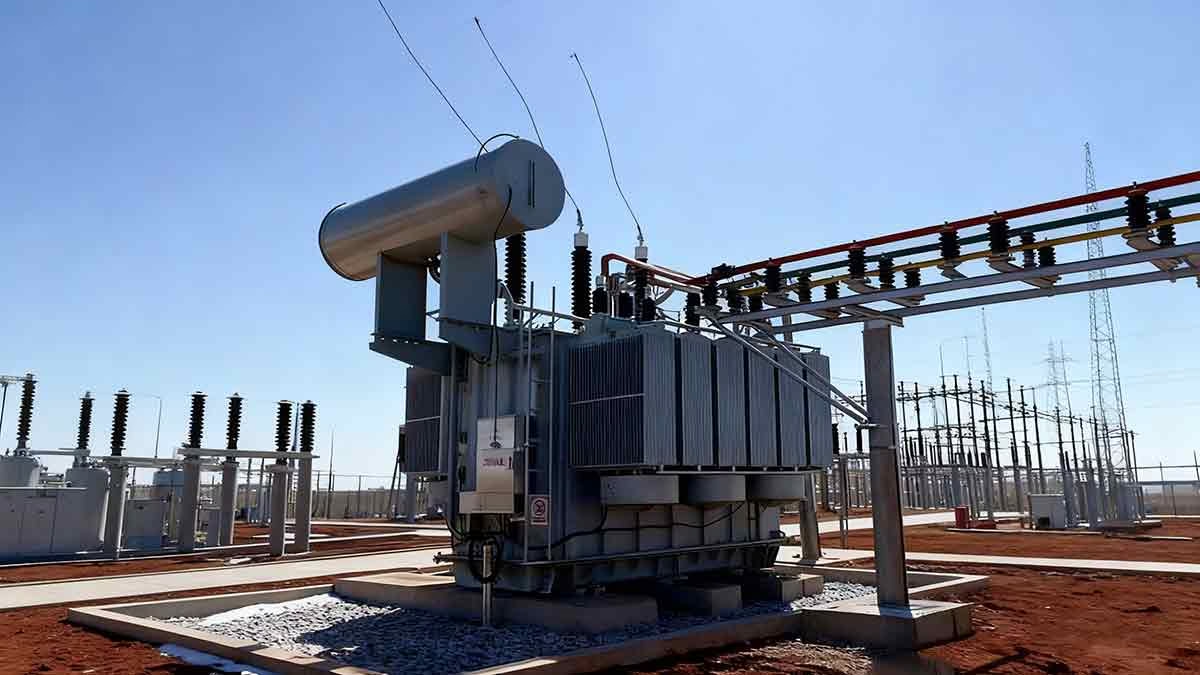
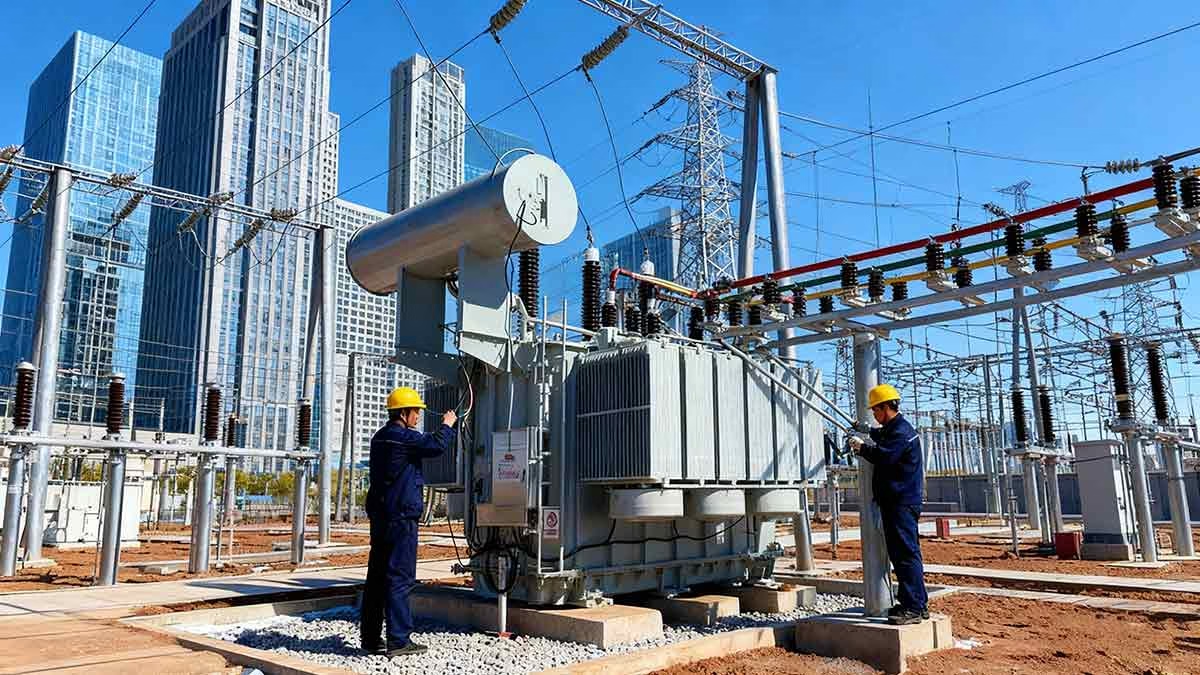
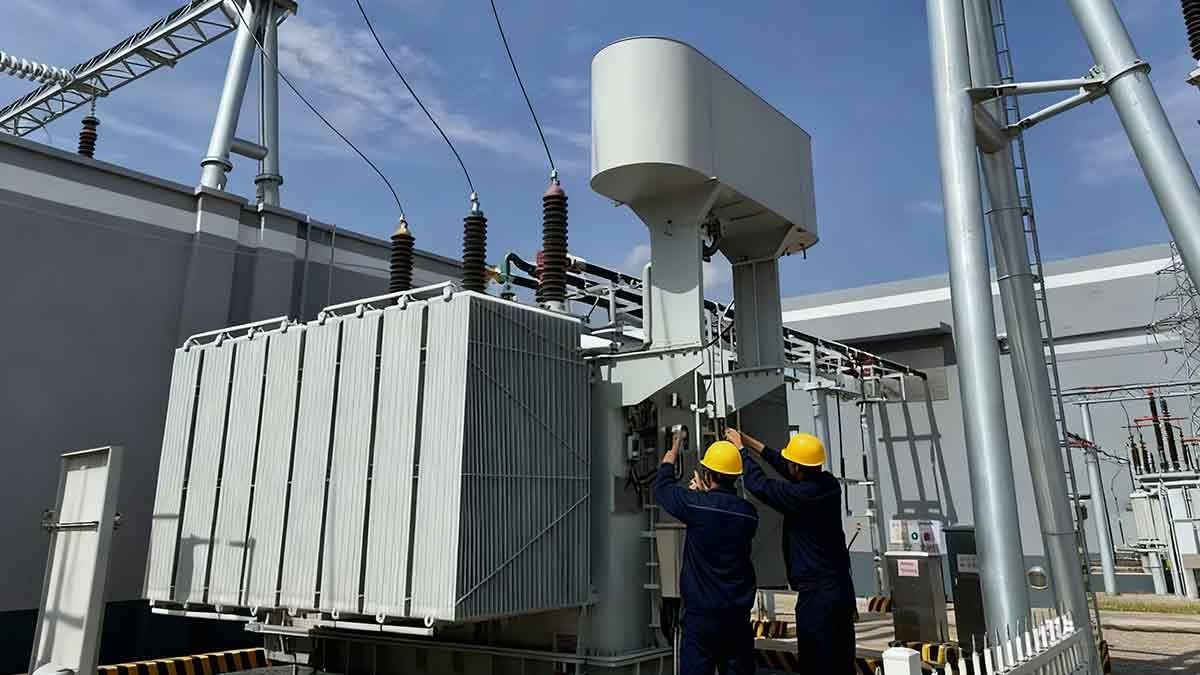
Large power transformers operating in high-voltage settings achieve peak efficiency through advanced core materials, refined winding architectures, and intelligent cooling solutions. These enhancements minimize energy dissipation, elevate operational performance, and strengthen the reliability of power transmission networks—critical for meeting modern energy demands.
As we explore this critical topic, we’ll uncover the key factors and innovative technologies reshaping transformer efficiency. Discover how these workhorses of the power industry are evolving to become more efficient, durable, and high-performing than ever before.
Have you ever questioned why some transformers outperform others in efficiency? It’s a nuanced interplay of components, where each element contributes uniquely to overall performance.
The primary drivers of efficiency in large high-voltage power transformers include core material quality, winding design, insulation systems, cooling methodologies, and load optimization. These components collaborate to minimize energy losses and maximize power transfer in demanding high-voltage environments.
Let’s break down these factors to clarify their impact on efficiency:
The core serves as the transformer’s functional foundation—its quality directly influences energy conversion and loss rates.
- Silicon Steel
- Amorphous Metals
Windings act as the transformer’s circulatory system, guiding electrical current with minimal resistance.
- Conductor material (copper vs. aluminum)
- Winding configuration (disc, helical, or layer winding)
Insulation safeguards transformers against electrical breakdown and leakage, preserving efficiency and safety.
- Oil-based insulation
- Solid insulation (cellulose paper, resin-impregnated materials)
Effective cooling prevents overheating, which can degrade performance and shorten lifespan.
- Oil Natural Air Natural (ONAN)
- Oil Forced Air Forced (OFAF)
Strategic load management ensures transformers operate within optimal parameters, avoiding unnecessary stress or inefficiency.
- Smart grid integration for real-time demand response
- Peak load shifting to distribute energy usage evenly
By grasping these key factors, we gain insight into how materials, design, and operational practices converge to maximize transformer efficiency. This holistic understanding is essential for optimizing performance in high-voltage power transmission networks.
Assessing transformer efficiency is akin to evaluating a high-performance machine—requires precise testing, data analysis, and real-time monitoring.
Efficiency in large high-voltage power transformers is measured through load loss tests, no-load loss assessments, temperature rise evaluations, and advanced monitoring systems. These methods deliver critical data on energy losses, thermal behavior, and overall performance across varying operating conditions.
Engineer performing transformer efficiency test
Measuring transformer efficiency
Let’s explore the core methods for measuring and evaluating transformer efficiency:
Load loss tests simulate real-world operating conditions to quantify energy losses during active power transfer.
- Short-Circuit Test
- Temperature Rise Test
No-load tests measure energy losses when the transformer is energized but not transferring load—providing a baseline for core loss evaluation.
- Open-Circuit Test
- Exciting Current Test
Modern transformers integrate sophisticated monitoring tools to track performance continuously, much like health trackers for industrial equipment.
- Online Dissolved Gas Analysis (DGA) to detect internal faults
- Partial Discharge Monitoring to identify insulation degradation
Transformer efficiency is derived from a straightforward formula that accounts for all energy inputs and outputs:
Efficiency (%) = (Output Power / Input Power) × 100
- Core losses (magnetic hysteresis and eddy current losses)
- Winding losses (resistive losses in conductors)
- Auxiliary losses (energy used by cooling systems, pumps, etc.)
To contextualize performance, transformers are compared against industry standards and peer models.
- IEEE (Institute of Electrical and Electronics Engineers) standards
- Historical performance data for similar transformer models
By leveraging these measurement and evaluation techniques, we obtain a comprehensive view of a transformer’s efficiency in high-voltage environments. This data is vital for optimizing operation, planning maintenance, and ensuring the reliability of power transmission systems.
Gone are the days of transformers as passive components—today’s innovations are turning them into intelligent, adaptive systems that redefine performance.
Cutting-edge technologies boosting large power transformer efficiency include nanotechnology-enhanced core materials, superconducting windings, AI-driven monitoring systems, and next-generation cooling solutions. These advancements drastically reduce energy losses, improve thermal management, and extend operational lifespans.
Advanced transformer design concept
Innovative transformer technology
Let’s delve into the latest technologies and design strategies shaping the industry:
Nanotechnology is revolutionizing transformer performance by modifying materials at the atomic level to enhance magnetic properties.
- Nanocrystalline core materials
- Nano-fluid insulation systems
Superconducting technology eliminates electrical resistance in windings, creating a nearly lossless pathway for power flow.
- High-Temperature Superconductors (HTS) for practical industrial use
- Cryogenic cooling systems to maintain superconducting properties
Modern transformers leverage connectivity and data analytics to enable predictive maintenance and real-time performance optimization.
- Internet of Things (IoT) sensors for continuous data collection
- Artificial Intelligence (AI) algorithms to analyze trends and detect anomalies
Innovative cooling solutions address the thermal challenges of high-voltage operation, ensuring consistent performance.
- Phase Change Materials (PCMs) that absorb and release heat dynamically
- Forced Oil-Water Cooling (OFWF) for high-heat applications
Amorphous metals—with their non-crystalline structure—offer exceptional magnetic properties that minimize core losses.
- Ultra-low energy dissipation across all load levels
- Improved efficiency in both partial and full-load operation
Combining different insulation materials creates synergistic benefits, enhancing durability and performance.
- Solid-liquid hybrid systems that balance thermal stability and dielectric strength
- Eco-friendly insulation options (biodegradable oils, recycled materials)
These advanced technologies and design strategies are pushing the boundaries of transformer efficiency. By integrating these innovations, manufacturers are not just improving individual components—they’re redefining the role of transformers in modern power grids.
Optimizing transformer operation is like fine-tuning a precision instrument—every component and process must align to achieve peak efficiency.
Proven best practices for optimizing large high-voltage power transformer operation include dynamic load management, proactive maintenance, advanced cooling strategies, and real-time monitoring. These practices ensure consistent efficiency, extend lifespan, and maintain reliable power distribution.
Let’s explore the key practices that keep transformers operating at their best:
Balancing transformer loads requires real-time visibility and adaptive control to avoid overloading or underutilization.
- Adaptive load shifting to redistribute power during peak demand
- Smart grid integration to align operation with network needs
Preventive and predictive maintenance minimizes downtime and addresses issues before they impact performance.
- Condition-Based Maintenance (CBM) using real-time data to trigger service
- Predictive analytics to forecast potential failures
Tailored cooling solutions ensure transformers operate within optimal temperature ranges, even in harsh conditions.
- Intelligent cooling control that adjusts to load and ambient temperature
- Hybrid cooling technologies (combining natural and forced methods)
Continuous monitoring provides visibility into transformer health and performance, enabling rapid intervention.
- Online Dissolved Gas Analysis (DGA) to detect internal faults
- Thermal imaging to identify hotspots
Tap changers regulate voltage levels, and their proper operation is critical for efficiency and power quality.
- Automated tap changing for precise voltage control
- Wear monitoring to extend tap changer lifespan
Maintaining consistent power quality protects both transformers and connected equipment.
- Harmonic filtering to reduce electrical distortions
- Reactive power compensation to improve power factor
Transformers must be designed or adjusted to withstand local environmental conditions.
- Climate-specific designs (for extreme temperatures, humidity, or pollution)
- Eco-friendly practices (reducing oil leakage risk, using sustainable materials)
By implementing these best practices, operators can significantly optimize the performance of large high-voltage power transformers. This holistic approach addresses every aspect of operation—from material science to network integration—ensuring long-term efficiency and reliability.
Efficient large power transformers are the cornerstone of modern power grids, quietly ensuring stable, reliable energy delivery to homes, businesses, and industries.
High-efficiency large power transformers enhance grid stability and reliability by reducing energy losses, improving voltage regulation, and increasing system capacity. These benefits translate to fewer outages, better power quality, and a more resilient energy infrastructure.
Power grid control room
Grid stability and reliability
Let’s explore the far-reaching impacts of transformer efficiency on power grids:
Efficient transformers minimize energy dissipation during transmission, ensuring more of the generated power reaches end users.
- Lower transmission losses (less wasted energy)
- Improved energy economics for utilities and consumers
Efficient transformers maintain stable voltage levels, even under varying load conditions—critical for protecting sensitive equipment.
- Consistent voltage output across the network
- Reduced stress on other grid components (cables, switches, generators)
Efficient transformers allow grids to handle higher loads without compromising performance, delaying the need for costly infrastructure upgrades.
- Higher load-carrying capability
- Deferred capital expenditure on new power plants or transmission lines
High-efficiency transformers reduce electrical distortions and ensure balanced power flow, enhancing the quality of energy delivered.
- Reduced harmonic distortion
- Balanced power factor (minimizing reactive power waste)
Efficient transformers are more robust and better equipped to withstand disturbances, such as voltage spikes or overloads.
- Improved overload capacity during peak demand
- Better fault tolerance (faster recovery from outages)
As grids adopt more renewable energy sources (solar, wind), efficient transformers play a critical role in integrating variable power flows.
- Smoother management of fluctuating renewable energy outputs
- Enhanced grid flexibility to accommodate diverse generation sources
By improving the efficiency of large power transformers, we strengthen the entire power ecosystem—from generation to consumption. This leads to a more stable, reliable, and sustainable energy future for communities worldwide.
Maximizing the efficiency of large power transformers in high-voltage applications is essential for building a reliable, sustainable energy infrastructure. By focusing on advanced materials, innovative technologies, and best operational practices, manufacturers and operators can significantly improve transformer performance, reduce environmental impact, and enhance grid stability.
As the demand for clean, reliable energy grows, efficient transformers will remain a key enabler—driving progress in power transmission and supporting the transition to a more sustainable future. Whether through nanotechnology, AI-driven monitoring, or proactive maintenance, the pursuit of higher efficiency continues to redefine what’s possible in the power industry.