Description
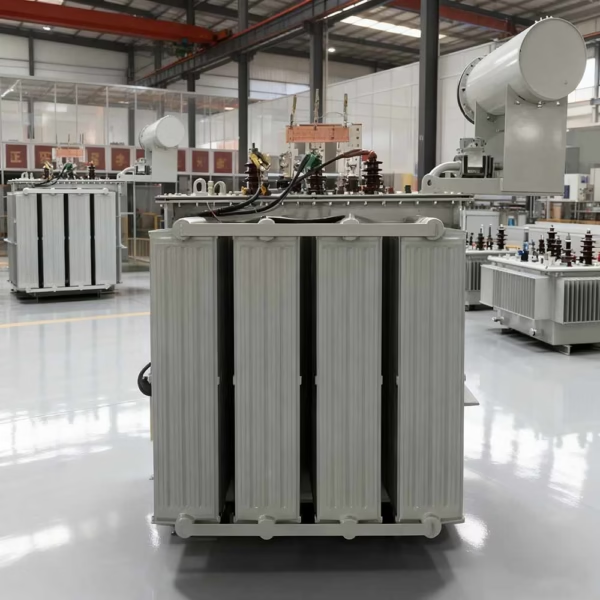
Description of 1 MVA Step Down Distribution Transformer
A cornerstone of reliable electrical infrastructure, the 1 MVA Step Down Distribution Transformer integrates precision-engineered components to deliver stable voltage conversion, operational safety, and long-term durability. Below is a detailed breakdown of its core systems and functional modules:
1. Insulated Bushings: Critical Connection Interfaces
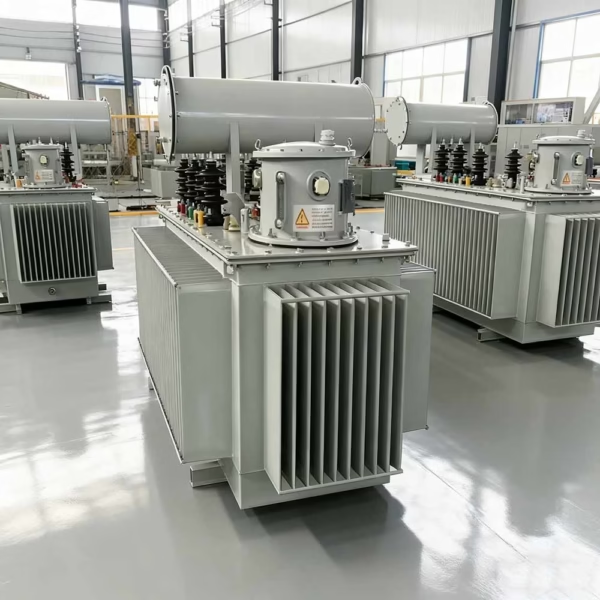
Acting as insulated bridging components, the transformer’s bushings establish secure electrical links between the 1 MVA unit’s high-voltage (HV) and low-voltage (LV) terminals with overhead power lines or underground cables. Designed to withstand electrical stress and environmental exposure, these bushings are available in three specialized variants—porcelain, resin, and composite—each tailored to match specific application scenarios (e.g., industrial harshness, urban utility networks) and environmental conditions (humidity, dust, temperature fluctuations).
2. Efficient Cooling Systems: Thermal Management
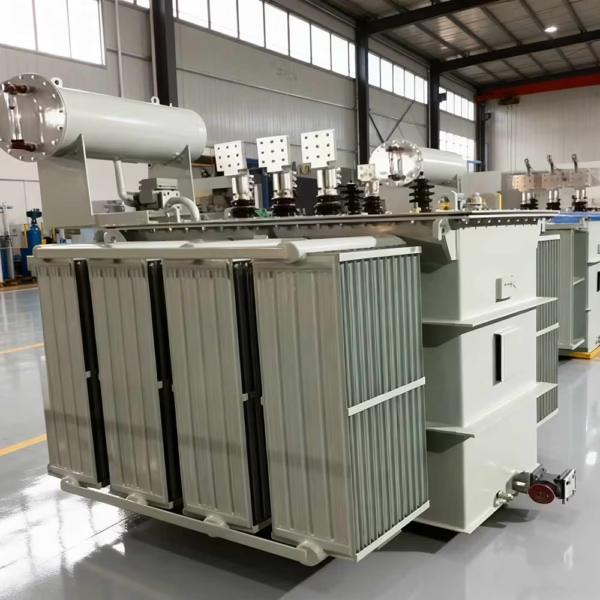
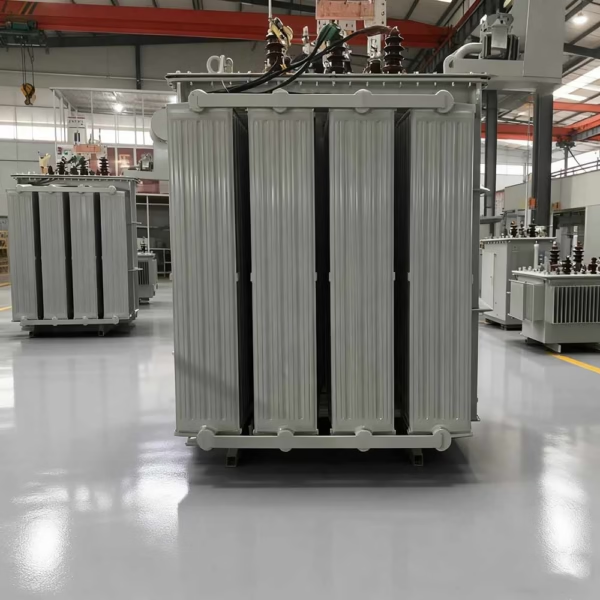
During continuous operation, the 1 MVA step down transformer generates inevitable thermal energy—excessive heat risks degrading internal windings and core materials. To maintain safe operating temperatures, it employs targeted cooling solutions optimized for its power rating: radiators for passive heat dissipation, variable-speed fans for enhanced airflow, oil circulation pumps for liquid-cooled models, and dedicated coolers for high-demand environments. These systems work in tandem to prevent overheating, ensuring consistent performance even under peak load conditions.
3. Voltage Tap Changers: Precision Regulation
Tap changers are vital for adapting the transformer’s output voltage to fluctuating grid demands or specific load requirements. By adjusting the number of active turns in the secondary winding, these devices enable precise voltage calibration for the 1 MVA unit. Two primary types are offered: on-load tap changers (OLTC), which adjust voltage without interrupting power flow (ideal for critical applications like data centers or hospitals), and off-load tap changers, which require shutdowns for adjustments (suited for stable, low-interruption environments). Selection is guided by operational flexibility needs and grid stability goals.
4. Protective Devices: Safety Backbone
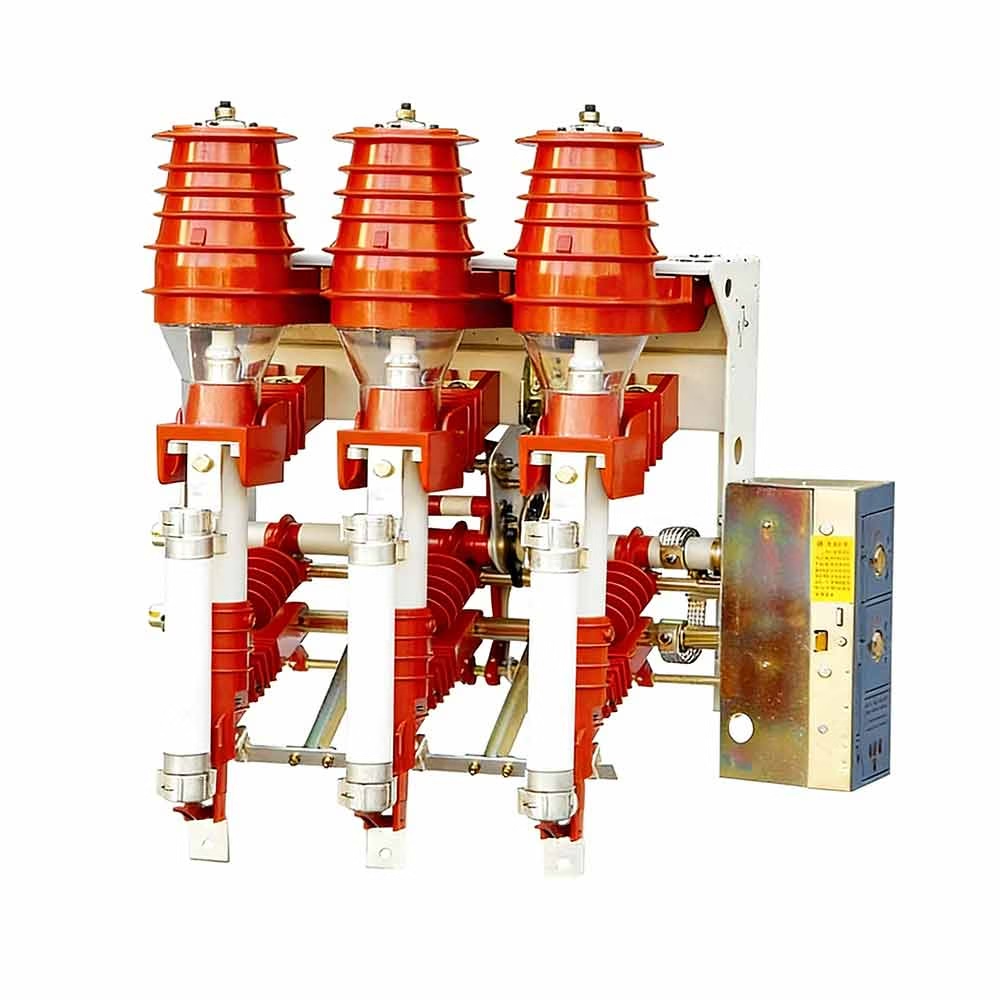
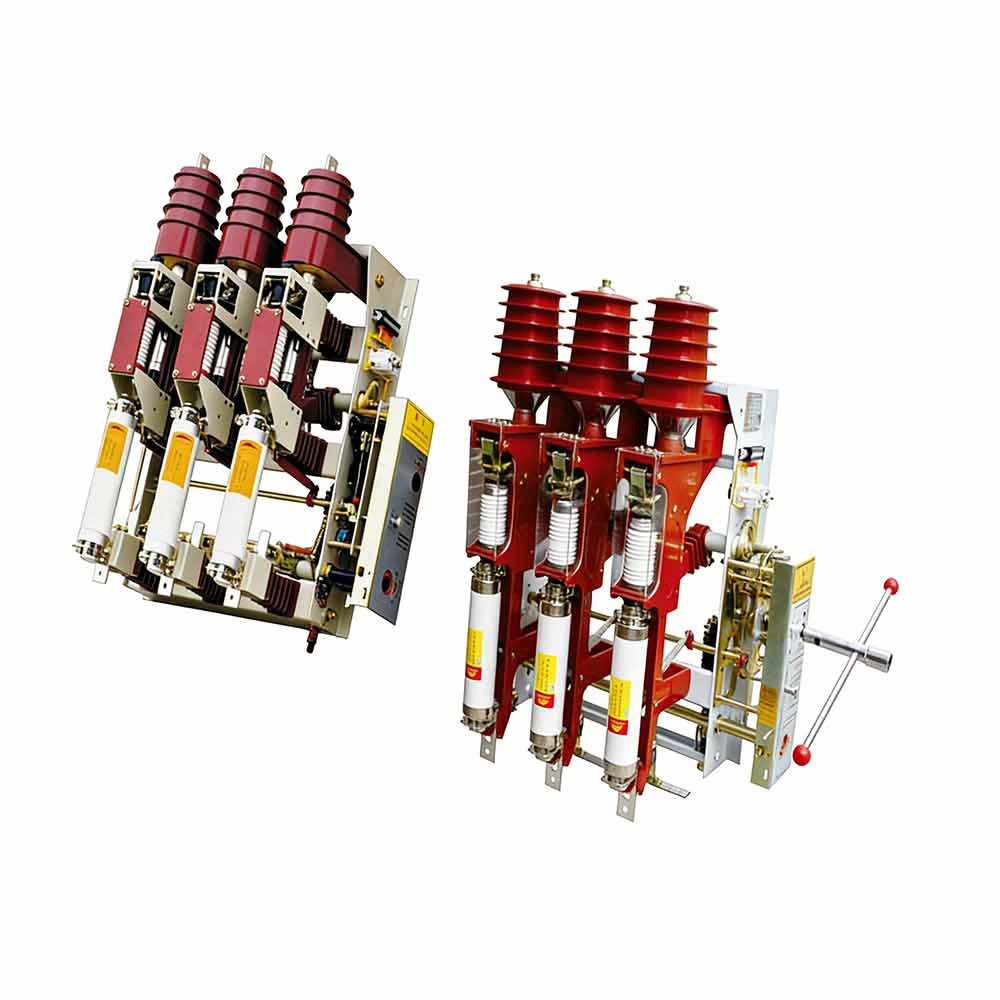
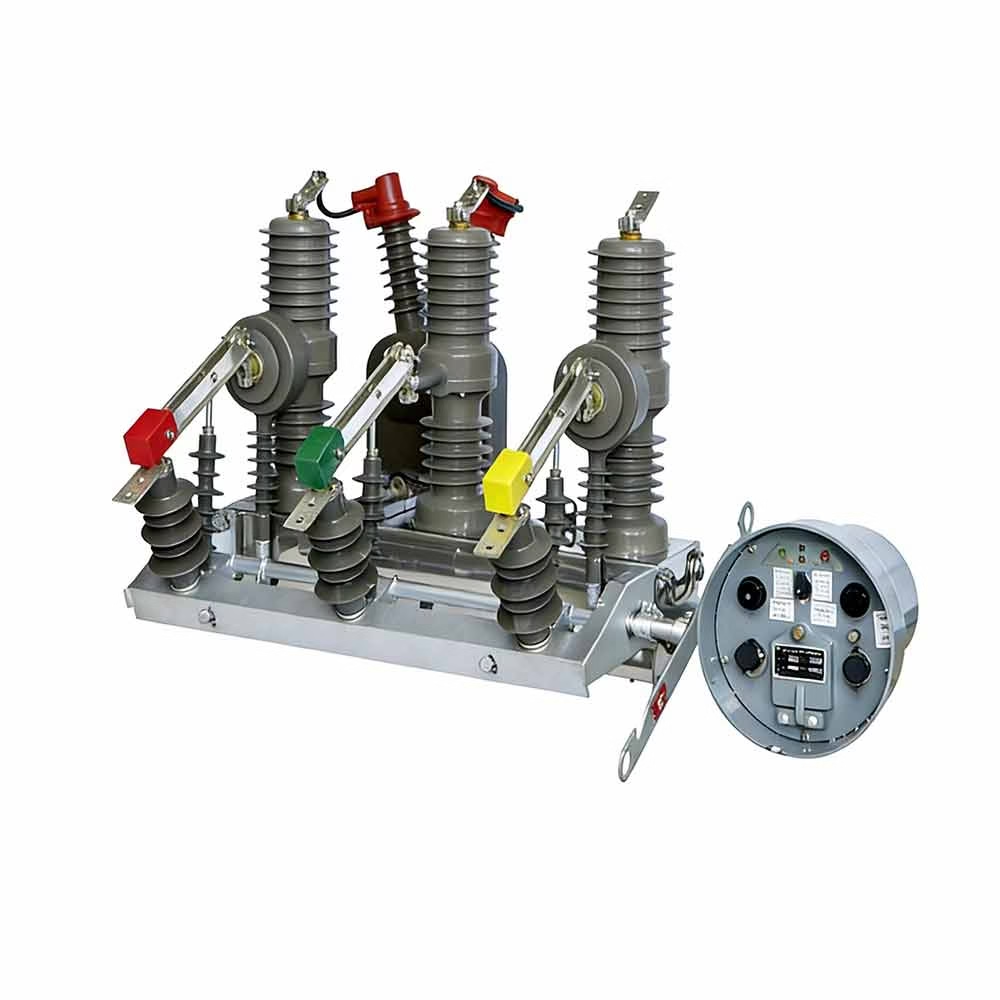
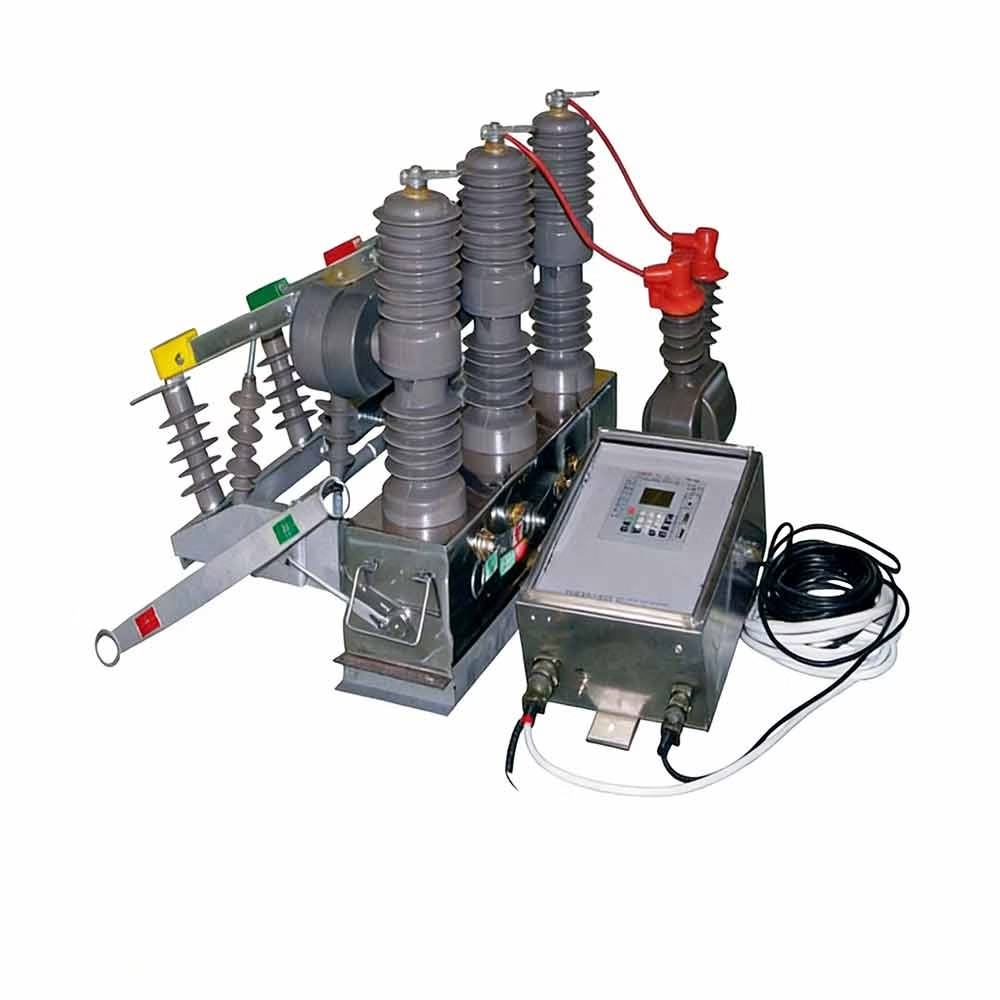
To shield the 1 MVA transformer from electrical faults and operational hazards, integrated protective devices form a robust safety net. These include fast-acting fuses to block excessive current, circuit breakers to isolate the unit during short circuits, and intelligent relays that detect anomalies (e.g., overloads, voltage spikes) and trigger protective actions. Together, these components minimize downtime, prevent catastrophic equipment damage, and safeguard the broader electrical network from cascading failures.
5. Real-Time Monitoring Devices: Proactive Maintenance
Equipped with advanced monitoring tools, the transformer provides actionable insights into its operational health. Temperature probes track winding and oil temperatures, oil level indicators ensure proper lubrication and cooling (for oil-immersed models), and pressure gauges detect abnormal internal pressure buildup. This real-time data allows maintenance teams to identify potential issues—such as insulation degradation or coolant leaks—before they escalate, enabling proactive repairs, extending service life, and maximizing the transformer’s reliability and cost-effectiveness.
Parameter of 1 MVA Step Down Distribution Transformer
1. Rated Power: 1 MVA
2. Rated Voltage High Side (HV): 11 kV
3. Rated Voltage Low Side (LV): 415 V
4. Frequency: 50 Hz
5. Cooling Type: ONAN (Oil Natural Air Natural)
6. Vector Group: Dyn11
7. Tap Changer: Off Circuit
8. Standards: IEC 6007
9. Efficiency: Not less than 99%
10. Insulation Class: Class A
11. Ambient Temperature: 40°C
12. Impedance: 6%
13. Winding Material: Copper
14. Overall Dimensions: As per drawing
15. Weight: As per drawing
Note: The above specification is indicative and can be customized to meet specific requirements.
FAQ of 1 MVA Step Down Distribution Transformer
1. Does a 1 MVA step-down transformer draw power when unloaded?
You might wonder if an unloaded transformer consumes electricity—and the short answer is: not in an ideal scenario. Ideal transformers operate without energy loss when no load is connected to the secondary winding, as there’s no circuit for current to flow through. However, real-world 1 MVA step-down transformers do experience minimal energy dissipation (often called “no-load losses”) due to core hysteresis, eddy currents, and minor winding resistance. These losses are extremely low—typically just a fraction of the transformer’s rated capacity—and are negligible compared to the power consumed by connected loads during normal operation.
2. What’s the step-by-step guide to purchasing a 1 MVA step-down distribution transformer?
Buying the right transformer requires careful planning to match your needs and ensure long-term reliability. Follow this practical roadmap:
Step 1: Finalize your technical requirements
Confirm the non-negotiables: 1 MVA rated capacity, 11kV primary voltage, and 415V secondary voltage. Additionally, note auxiliary needs like frequency (50Hz/60Hz), short-circuit withstand capability, and any special environmental or regulatory compliance (e.g., IEC, ANSI, or local safety standards).
Step 2: Select the appropriate transformer type
Choose a variant that aligns with your installation environment and safety goals:
- Oil-immersed transformers: Ideal for outdoor use, high-power applications, and areas with adequate ventilation.
- Dry-type/cast resin transformers: Perfect for indoor settings (e.g., factories, data centers, commercial buildings) where fire safety, low maintenance, and dust resistance are critical (a popular choice for urban and industrial hubs).
Step 3: Source a reputable supplier
Prioritize manufacturers or distributors with a proven track record in producing 1 MVA step-down transformers. Look for certifications (ISO, CE), customer reviews, and a history of delivering products that meet technical specifications. Avoid unknown suppliers—quality and after-sales support matter most for critical electrical equipment.
Step 4: Evaluate total cost of ownership
Don’t just compare upfront prices: Factor in hidden costs like transportation, on-site installation, commissioning, and long-term maintenance. A slightly higher initial investment in a quality transformer often leads to lower energy losses and fewer repairs over time.
Step 5: Verify warranty and after-sales support
Ensure the supplier offers a robust warranty (typically 1–5 years) covering manufacturing defects. Additionally, confirm access to reliable after-sales service—including technical support, spare parts, and on-call maintenance— to minimize downtime if issues arise.
Always work with licensed electricians or electrical engineers for installation, and adhere to local safety codes to ensure safe and efficient operation.