
Power transformers stand as the unsung heroes of modern electrical infrastructure, enabling the efficient transmission and distribution of electricity across vast distances. These critical devices bridge the gap between power plants and end-users by converting high-voltage energy to safe, usable low-voltage power—ensuring homes, businesses, and industries receive reliable electricity without waste or risk.
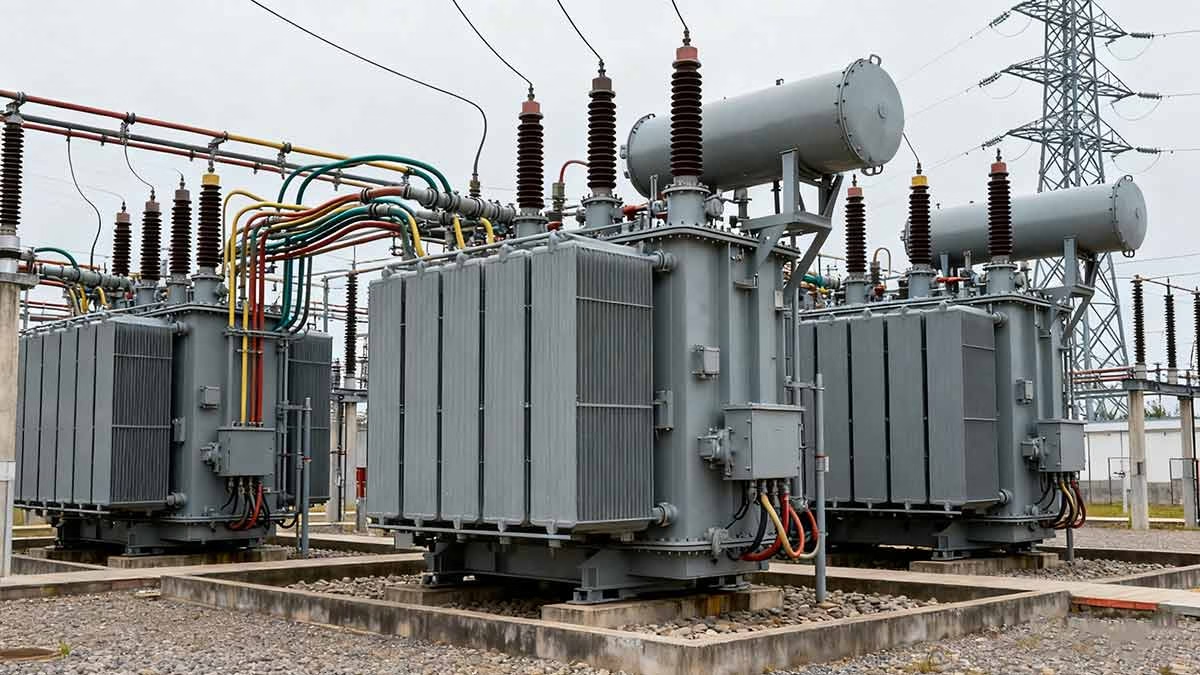
Having worked in electrical systems engineering for over a decade, I’ve witnessed firsthand how power transformers shape the reliability of our grids. They’re far more than metal enclosures and windings; they’re the lifeline of energy distribution, quietly powering our daily lives. Let’s explore the world of power transformers—from their core functionality to cutting-edge innovations.
What Is a Power Transformer?
Ever questioned how electricity travels hundreds of miles from a power plant to your smartphone charger without losing efficiency or causing harm? The answer lies in power transformers—specialized devices designed to regulate voltage for safe, long-distance energy transport.
A power transformer is an electromagnetic device that alters voltage levels while maintaining electrical power (minus minimal losses). By stepping up voltage for transmission and stepping it down for end use, transformers solve two critical challenges: high voltage minimizes energy loss during long-distance travel, while low voltage ensures safety for consumers and equipment.
How Power Transformers Work
At their core, power transformers operate on the principle of electromagnetic induction, with three key components:
- Laminated Silicon Steel Core: Reduces eddy current losses, maximizing energy efficiency.
- Primary & Secondary Windings: Copper or aluminum coils with varying numbers of turns—these determine the voltage transformation ratio.
- Insulation System: Protects windings and core from electrical breakdown, often using oil, resin, or gas.
The relationship between voltage and windings follows a simple yet powerful principle:
V₁/V₂ = N₁/N₂
(V = voltage; N = number of winding turns)
I often explain this to clients using a plumbing analogy: think of voltage as water pressure and current as flow rate. A transformer acts like a pipe reducer—narrowing the pipe (increasing voltage) reduces flow resistance (energy loss) for long distances, while widening it (lowering voltage) makes the pressure safe for use.
Real-World Applications
Power transformers are integral to every stage of energy distribution:
- Power Plants: Step-up transformers boost generator output (typically 11kV) to transmission-level voltages (132kV–765kV) for cross-country transport.
- Substations: Step-down transformers reduce high transmission voltages to medium levels (11kV–33kV) for local distribution.
- Distribution Networks: Final step-down transformers (often pad-mounted or pole-mounted) convert medium voltage to 120/240V (residential) or 480V (commercial/industrial) for direct use.
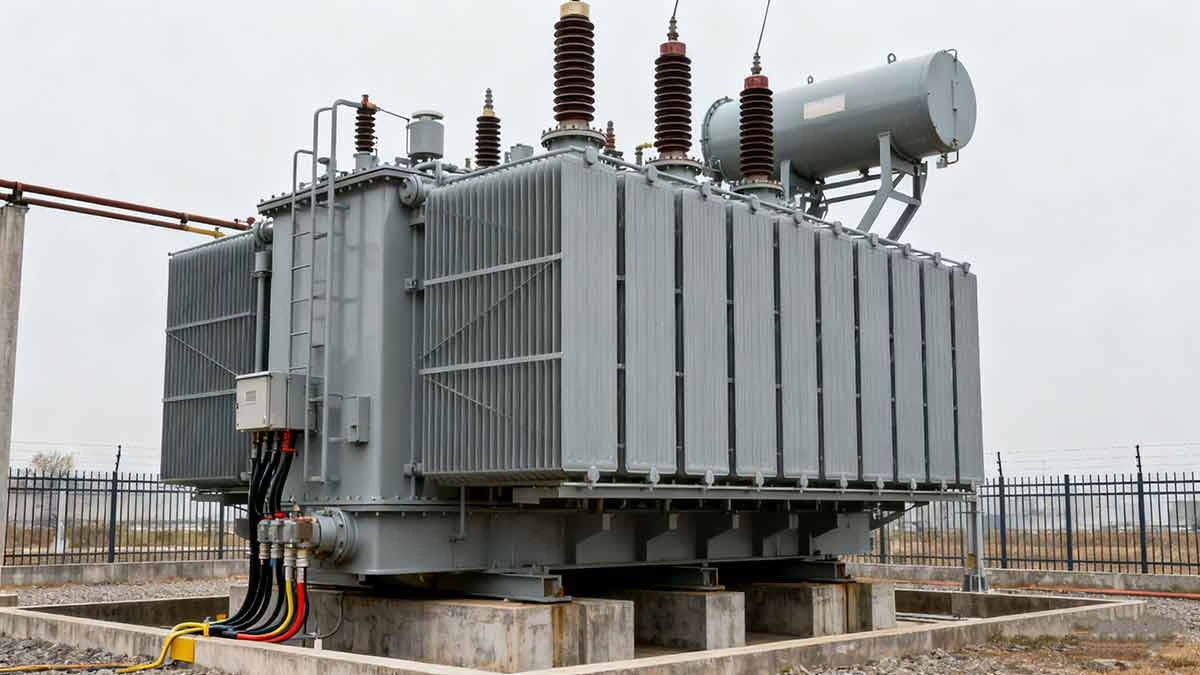
One memorable project involved upgrading transformers at a suburban substation. The old units struggled with peak demand, causing voltage dips during evening hours. By installing high-efficiency transformers with better load handling, we eliminated outages and improved power quality for 5,000+ homes—all while reducing energy losses by 18%.
Types of Transformers
Not all transformers serve the same purpose. Each type is engineered to address specific voltage, load, and application needs—working in tandem to keep grids running smoothly. From powering entire cities to monitoring industrial equipment, transformers are as diverse as the systems they support.
Step-Up Transformers
These heavy-duty units are the workhorses of long-distance transmission:
- Purpose: Increase voltage to minimize energy loss during transport.
- Key Use Case: Located at power plants (fossil fuel, solar, wind) to boost generator output.
- Example: Converting 25kV generator voltage to 345kV for cross-regional transmission.
I once visited a wind farm in the Great Plains where step-up transformers stood taller than SUVs. Their hum was a constant reminder of how critical they are—without them, the wind’s energy would dissipate before reaching urban centers 200+ miles away.
Step-Down Transformers
The final link between high-voltage grids and end-users:
- Purpose: Reduce voltage to safe, usable levels for homes, businesses, and machinery.
- Key Use Case: Substations, neighborhood distribution points, and industrial facilities.
- Example: Lowering 132kV transmission voltage to 120/240V for residential use—preventing appliances from frying and ensuring electrical safety.
Current Transformers (CTs)
Precision tools for monitoring and protection:
- Purpose: Convert high currents (thousands of amps) to manageable levels (typically 5A) for measurement and safety devices.
- Key Use Case: Industrial systems, grid monitoring, and circuit breakers.
- Safety Benefit: Isolate measurement equipment from high-voltage circuits, protecting technicians and devices.
During a factory outage investigation, current transformers proved invaluable. They revealed an abnormal current spike in a production line—allowing us to pinpoint a faulty motor before it caused widespread damage.
Specialized Transformers
Beyond the basics, specialized designs cater to unique needs:
- Pad-Mounted Transformers: Compact, weatherproof units for urban areas, commercial parks, and data centers.
- Single-Phase vs. Three-Phase: Single-phase for residential use (simple, low-power), three-phase for industrial/commercial applications (high-power, efficient).
- Dry-Type Transformers: Oil-free designs for indoor use (hospitals, high-rises) where fire safety is critical.
Each type plays a non-negotiable role in the energy ecosystem—step-up transformers enable long-distance transport, step-down units deliver safe power, and specialized models adapt to specific environments.
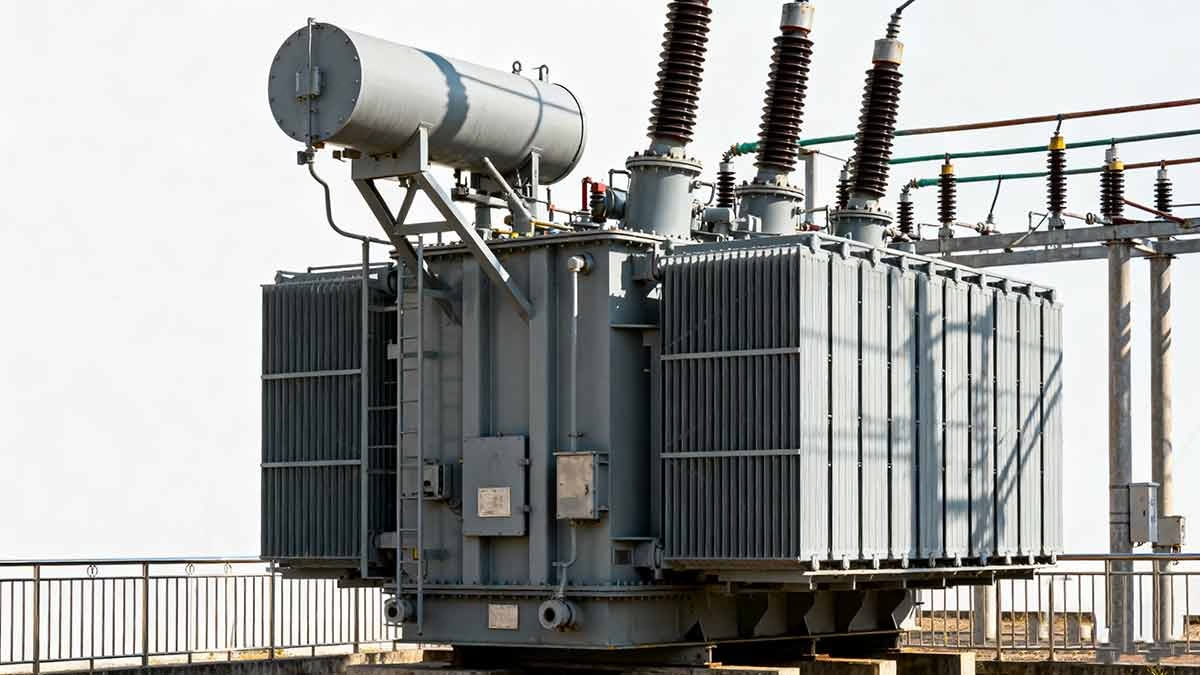
The Importance of Power Transformers in Electricity Distribution Systems
Electricity’s journey from power plant to outlet is a marvel of engineering—one that would be impossible without power transformers. These devices are the backbone of distribution systems, addressing three critical challenges: energy loss, safety, and stability.
Core Benefits of Power Transformers
Minimized Transmission Losses:
High-voltage transmission reduces resistive losses (calculated via Joule’s Law: P = I²R). For example, transmitting 1MW of power at 132kV instead of 11kV reduces current by 92%, cutting energy loss by over 80%. This efficiency is why cross-country transmission lines carry voltages upwards of 500kV.
Voltage Stability:
Transformers maintain consistent voltage levels despite fluctuating demand (e.g., morning coffee makers or evening EV charging). Without this regulation, voltage dips could damage sensitive electronics, while surges might start fires.
Grid Resilience:
Transformers isolate grid sections, preventing localized faults from spreading. During a storm-induced line failure in a suburban area, transformers contained the issue to 200 homes instead of causing a citywide blackout—minimizing downtime and repair costs.
A Real-World Impact
I led a distribution system upgrade for a mid-sized city a few years ago. The project involved replacing 30+ aging transformers with high-efficiency models. The results were striking: energy losses dropped by 22%, voltage fluctuations decreased by 35%, and customer complaints about outages fell by 40%. It was a powerful demonstration of how transformers directly impact grid reliability and cost-effectiveness.
Transformers aren’t just components—they’re the guardians of our electrical infrastructure, ensuring energy flows efficiently, safely, and consistently to where it’s needed most.
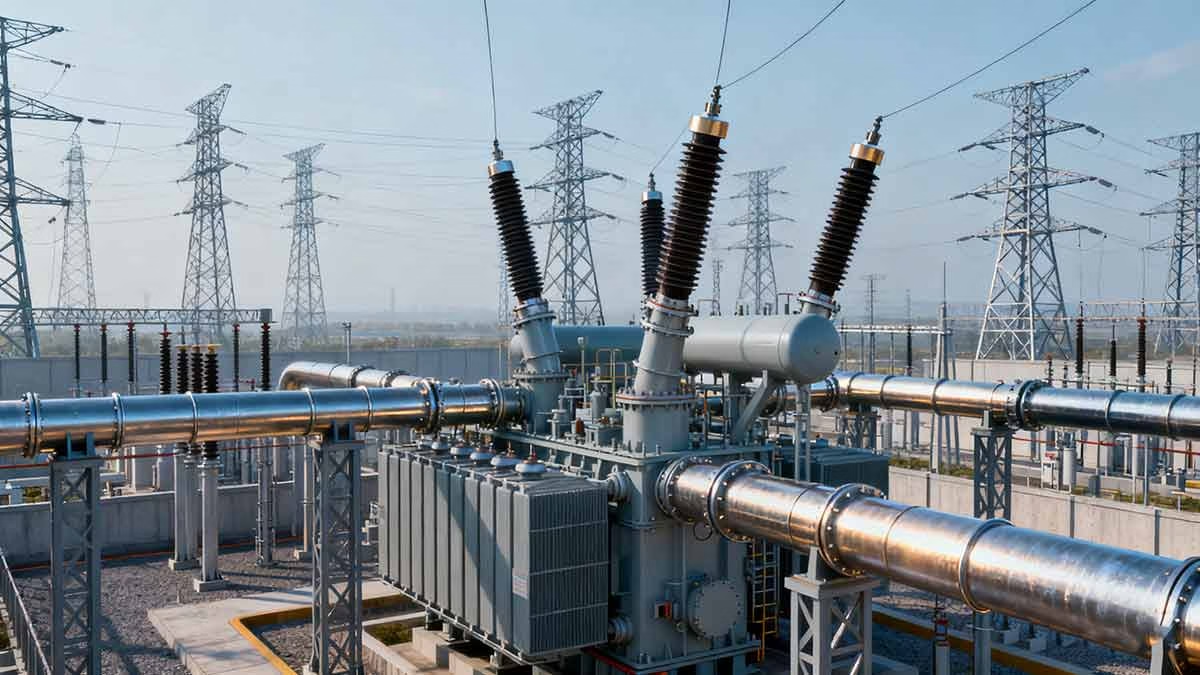
Power Transformers in the National Power Grid
A country’s power grid is a complex network of power plants, transmission lines, and distribution systems—all unified by power transformers. These devices enable interconnection between regional grids, regulate voltage across vast distances, and ensure the entire system operates in harmony.
National grids rely on transformers to handle three critical functions:
- Interconnection: Link regional grids with different generation sources (e.g., coal in the Midwest, solar in the Southwest) by standardizing voltage and frequency.
- Voltage Regulation: Step up voltage for long-distance transmission and step it down at distribution hubs, maintaining efficiency across thousands of miles.
- Fault Isolation: Prevent localized issues (e.g., a downed line or faulty generator) from destabilizing the entire grid.
The Complexity of Grid Integration
Visiting a national grid control center was a career highlight—walls of monitors tracked power flow across 10,000+ miles of lines, with transformers acting as the “traffic controllers.” One example stuck with me: during a heatwave, demand spiked 30% above normal. Transformers automatically adjusted voltage and load distribution, diverting power from low-demand rural areas to high-demand cities—preventing rolling blackouts.
Another critical role is integrating renewable energy. Wind and solar farms generate variable power, which transformers smooth out by regulating voltage and frequency. This ensures intermittent energy sources can reliably contribute to the grid without causing instability.
Power transformers are the unsung architects of national energy security. They turn fragmented generation sources into a unified, reliable grid—powering millions of homes and businesses with a consistency we often take for granted.
Innovations in Power Transformer Technology
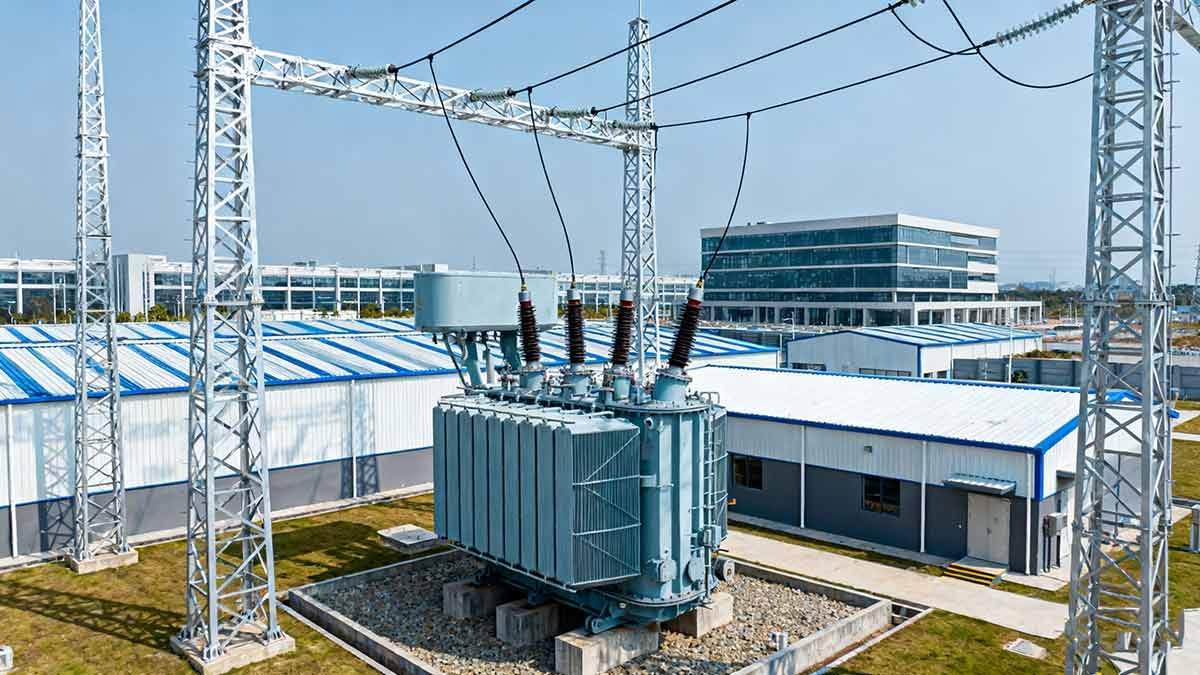
The transformer industry isn’t static—advancements in materials, design, and sustainability are redefining efficiency, safety, and environmental impact. One standout innovation is the Ester Oil-Immersed Power Transformer, showcased at CIGRE 2024, which sets new standards for large-scale energy projects.
The Ester Oil-Immersed Transformer: A Game-Changer
This 750kV transformer replaces conventional mineral oil with biodegradable ester oil, offering a host of benefits:
- Superior Thermal Performance: Ester oil has a higher flash point (300°C vs. 160°C for mineral oil) and better heat dissipation, enabling the transformer to handle 20% higher loads without overheating.
- Enhanced Fire Safety: The non-flammable nature of ester oil reduces fire risk, making the transformer ideal for urban areas, data centers, and industrial facilities.
- Environmental Compatibility: Ester oil is biodegradable and non-toxic—eliminating the risk of soil or water contamination in case of leaks.
- Renewable Integration: Designed to handle the variable output of solar and wind farms, with improved voltage regulation for fluctuating inputs.
I recently collaborated on a solar farm project that adopted these transformers. The results were impressive: energy losses dropped by 15% compared to traditional units, and the farm qualified for green energy incentives due to the transformer’s low environmental impact. For large-scale renewable projects, this technology isn’t just a luxury—it’s a necessity.
Other Key Innovations
Beyond ester oil designs, the industry is advancing in:
- Amorphous Core Transformers: Use non-crystalline steel cores to reduce no-load losses by 70% compared to traditional transformers.
- Smart Transformers: Integrate IoT sensors for real-time monitoring of temperature, load, and faults—enabling predictive maintenance and reducing downtime.
- Compact Design: High-voltage transformers with smaller footprints, ideal for urban areas where space is at a premium.
These innovations aren’t just improving performance—they’re aligning transformers with global sustainability goals, reducing carbon footprints while enhancing grid reliability.
Conclusion
Power transformers are the silent workhorses of our electrical systems, enabling everything from morning coffee to industrial manufacturing. They bridge the gap between power generation and end use, minimizing energy loss, ensuring safety, and stabilizing grids across cities and nations.
As technology evolves, transformers are becoming more efficient, sustainable, and intelligent—with innovations like ester oil-immersed designs leading the way. These advancements aren’t just technical improvements; they’re critical to supporting the growth of renewable energy and building resilient, low-carbon grids.
The next time you flip a switch or charge your device, take a moment to appreciate the complex journey electricity undertakes—one made possible by the humble power transformer. As our energy needs grow and evolve, these devices will remain at the forefront of reliable, sustainable energy distribution.
More FAQ About Power Transformer
Q: What are the key rated parameters of power transformers?
A: The core rated parameters of power transformers include rated capacity (expressed in kVA/MVA, indicating the maximum power that can be transmitted under rated conditions), rated voltage (the standard voltage of primary and secondary windings), rated current (the current corresponding to rated capacity and rated voltage), and rated frequency. In addition, important parameters such as winding connection group (determining the phase relationship between primary and secondary voltages), impedance voltage (affecting short-circuit current and voltage regulation performance), no-load loss, load loss, and insulation level also need to be considered in selection and operation.
Q: What are the main causes of power transformer overheating faults?
A: Overheating is one of the most common faults of power transformers, mainly caused by the following factors: long-term overloading operation (exceeding the rated capacity, leading to excessive winding copper loss); poor cooling system performance (such as blockage of cooling oil circuit, failure of cooling fans or oil pumps); insulation deterioration (increasing dielectric loss and generating heat); poor contact of tap changers (causing local resistance increase and heat generation); and core defects (such as core multipoint grounding, leading to eddy current loss increase). Excessive temperature will accelerate insulation aging and even cause insulation breakdown, seriously affecting transformer life and operation safety.
Q: What are the global mainstream standards for power transformers?
A: The global mainstream power transformer standards are mainly formulated by the International Electrotechnical Commission (IEC) and the Institute of Electrical and Electronics Engineers (IEEE)/American National Standards Institute (ANSI). The IEC 60076 series is the global benchmark, covering general requirements (IEC 60076-1), temperature rise limits (IEC 60076-2), insulation levels (IEC 60076-3), short-circuit withstand capacity (IEC 60076-5) and other core contents. IEEE C57 series is widely used in North America, including general specifications (IEEE C57.12.00) and DGA fault diagnosis guidelines (IEEE C57.104). In addition, China’s GB 20052 and the European Union’s Ecodesign Directive are important regional standards focusing on energy efficiency and environmental protection requirements.
Q: How to correctly select the capacity of a power transformer?
A: The correct selection of transformer capacity needs to be based on the actual electrical load and its development trend, following the principle of “matching load and avoiding excessive or insufficient capacity”. First, calculate the total calculated load (considering the load coefficient of various electrical equipment and simultaneous operation rate). On this basis, reserve 10%-20% of the margin to cope with future load growth. If the capacity is too large, it will lead to long-term light-load operation, increase no-load loss, reduce power factor, and cause economic waste; if the capacity is too small, the transformer will operate overloaded for a long time, resulting in overheating, accelerating insulation aging, and even damaging equipment. For scenarios with large load fluctuations, it is recommended to configure multiple transformers for parallel operation to improve operational efficiency.
Q: What are the intelligent development trends of power transformers?
A: The intelligent development of power transformers is mainly reflected in three aspects: first, full-dimensional state monitoring, which embeds sensors for online monitoring of winding temperature, partial discharge, core grounding current, oil quality and other parameters; second, digital integration, which supports IEC 61850 and other digital communication protocols, realizing remote monitoring, data uploading and cloud analysis; third, predictive maintenance, which uses AI and machine learning algorithms to analyze monitoring data, predict potential faults and remaining life, and convert from “planned maintenance” to “predictive maintenance”. In addition, the application of digital twin technology (building virtual models to simulate operation status) is also an important development direction, which can optimize design and operation strategies.
Q: What are the common winding faults of power transformers and their preventive measures?
A: Common winding faults include insulation breakdown, short circuit (turn-to-turn, inter-winding, winding-to-ground), and open circuit. The main causes are manufacturing defects (such as uneven winding), mechanical stress (from transportation, installation or short-circuit impact), insulation aging (caused by long-term high temperature), and moisture ingress. Preventive measures include: strictly controlling the manufacturing and installation quality to ensure winding tightness and insulation integrity; avoiding excessive short-circuit current impact (configuring appropriate protective devices); regularly testing insulation performance (such as insulation resistance, dielectric loss test); and maintaining a dry and clean operating environment to prevent moisture and pollution.
Q: What are the differences between on-load tap-changer and off-load tap-changer transformers?
A: The core difference between the two lies in whether the voltage can be adjusted under load. On-load tap-changers can adjust the turns ratio and output voltage without cutting off the load, which is suitable for scenarios where the grid voltage fluctuates frequently and the load requires stable voltage (such as high-voltage transmission and distribution networks). Its structure is complex, with a voltage regulation mechanism and arc-extinguishing device, and the cost is high. Off-load tap-changers can only adjust the tap position when the transformer is de-energized and unloaded, which is suitable for scenarios with stable grid voltage and little load change (such as small distribution transformers). It has a simple structure, low cost, and high reliability, but the voltage regulation is not flexible.
Q: How to carry out daily maintenance of power transformers?
A: Daily maintenance of power transformers focuses on “inspection, monitoring and regular testing”: daily visual inspection includes checking the oil level (whether it is within the normal range), oil color (whether it is transparent and free of impurities), leakage, and the operation status of cooling devices (fans, oil pumps); regular monitoring of operating parameters such as load current, winding temperature and ambient temperature; periodic testing includes DGA of insulating oil, insulation resistance test, winding DC resistance test, and tap-changer contact resistance test. In addition, it is necessary to keep the transformer body and the surrounding environment clean and ensure that the ventilation and heat dissipation are unobstructed. For outdoor transformers, attention should also be paid to preventing moisture, dust, and animal damage.
Q: Why is the core of power transformers made of laminated silicon steel sheets?
A: The core of power transformers uses laminated silicon steel sheets mainly to reduce two types of losses: eddy current loss and hysteresis loss. Silicon steel has high magnetic permeability and low hysteresis loss, which can improve the efficiency of electromagnetic induction. Laminating the silicon steel sheets (with insulating paint coated between the sheets) can cut off the closed loop of eddy current (induced current generated in the core under the action of an alternating magnetic field), thereby significantly reducing eddy current loss. The thickness of the laminated sheets (usually 0.27-0.35mm) is also optimized to balance magnetic permeability and loss. For high-efficiency transformers, high-performance oriented silicon steel sheets (such as Hi-B silicon steel) are often used to further reduce losses.
Q: What are the key factors affecting the service life of power transformers?
A: The service life of power transformers (usually designed for 20-30 years) is mainly affected by insulation aging, which is determined by multiple factors: operating temperature (the most critical factor, every 6-8°C increase in temperature will halve the insulation life); moisture and pollution (moisture will reduce insulation resistance, and pollution will cause surface discharge); electrical stress (overvoltage, harmonic impact will damage insulation); mechanical stress (short-circuit impact, vibration during operation); and the quality of maintenance (regular oil treatment, fault handling in time can extend service life). To prolong the service life, it is necessary to control the operating temperature within the limit, maintain good insulation status, and avoid excessive electrical and mechanical impacts.
Q: How to deal with power transformer oil leakage faults?
A: The treatment of transformer oil leakage should follow the principle of “finding the source first, then handling it according to the severity”. First, locate the leakage point (common positions include oil tank welds, flange connections, bushing roots, and tap-changer interfaces) through visual inspection, oil level monitoring and other methods. For minor leakage (such as seepage), measures such as tightening bolts, replacing sealing gaskets (using high-temperature and oil-resistant rubber gaskets) or applying sealants can be taken; for major leakage (such as oil dripping or spraying), the transformer should be de-energized and unloaded immediately, and then maintenance measures such as welding (for oil tank weld leakage) or replacing faulty components (such as damaged bushings) should be taken. During the treatment process, attention should be paid to collecting leaked oil to avoid environmental pollution, and after the treatment, the oil level and insulation performance should be tested to ensure safe operation.