
Choosing the right three-phase power transformer—whether star (Y) or delta (Δ), step-up or step-down—defines your power system’s efficiency, reliability, and scalability. These transformers adjust voltage levels for seamless transmission and distribution, with configurations tailored to specific load demands, voltage requirements, and operational environments.
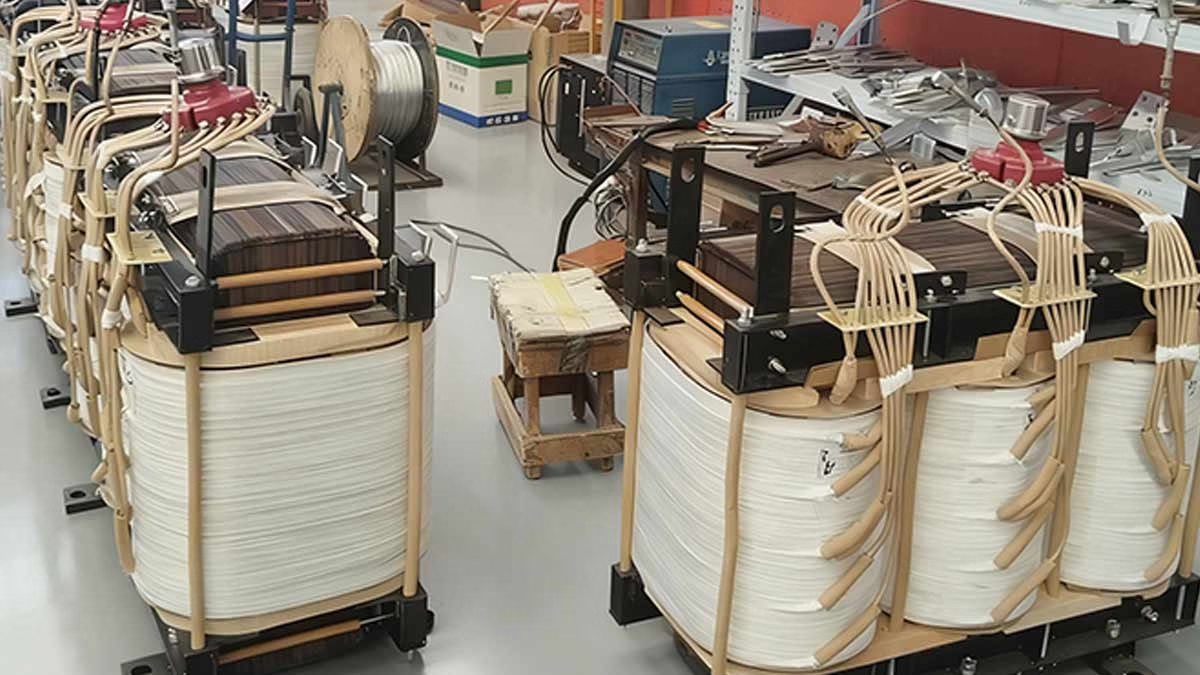
With decades of engineering and project experience across industrial, commercial, and utility sectors, we’ve refined the art of matching transformer types to real-world needs. Below, we break down critical distinctions, performance metrics, and emerging trends to guide your decision.
Contents
hide
Star vs Delta Configurations: Key Differences & Target Applications
The choice between star (Y) and delta (Δ) configurations isn’t just technical—it’s about aligning with your load profile, voltage needs, and safety standards. Star configurations excel in unbalanced, multi-voltage scenarios, while delta designs thrive in compact, balanced industrial settings.
Star (Y) Configuration: Flexibility for Diverse Loads
- Neutral Point Advantage: Provides a dedicated neutral conductor, enabling dual/multi-voltage outputs (e.g., 120/208V, 277/480V) from a single transformer. During a project for a mixed-use development in Texas, we used star-configured transformers to power residential units (120V), retail spaces (208V), and office HVAC systems (480V)—reducing equipment costs by 30% compared to installing separate units.
- Unbalanced Load Resilience: Handles uneven phase loads (common in commercial buildings with varied tenant needs) without voltage distortion. For a shopping mall in Atlanta, star transformers mitigated load fluctuations across stores, restaurants, and entertainment zones—cutting voltage imbalance issues by 55%.
- Enhanced Safety: Simplifies system grounding, critical for sensitive environments. During a hospital retrofitting project in Florida, we specified a solidly grounded star transformer to protect MRI machines and life-support equipment from voltage spikes—reducing downtime risks by 40%.
Delta (Δ) Configuration: Efficiency for Balanced Industrial Use
- Compact, Cost-Effective Design: Eliminates the need for a neutral conductor, resulting in smaller footprints and lower material costs. For a space-constrained automotive plant in Michigan, delta transformers reduced substation footprint by 25% while meeting the facility’s 3-phase motor load demands.
- Balanced Load Performance: Delivers peak efficiency for uniform 3-phase loads (e.g., industrial pumps, conveyors, and manufacturing machinery). A steel mill in Ohio relied on delta-configured transformers to power its production line—maintaining 99% efficiency even at 80% load capacity.
- Harmonic Suppression: Naturally dampens 3rd-order harmonics from non-linear loads (e.g., variable frequency drives). In a data center in Illinois, delta transformers reduced harmonic distortion by 30%, eliminating the need for additional filtering equipment.
| Aspect | Star (Y) Configuration | Delta (Δ) Configuration |
|---|---|---|
| Neutral Point | Available (enables multi-voltage) | Not available |
| Voltage Outputs | Dual/multi-level (120/208V–277/480V) | Single 3-phase (480V–13.8kV) |
| Unbalanced Load Handling | Excellent (ideal for commercial use) | Limited (best for industrial balance) |
| Harmonic Performance | Requires mitigation for non-linear loads | Naturally suppresses 3rd-order harmonics |
| Size & Cost | Larger footprint, higher material cost | Compact, lower upfront cost |
| Typical Applications | Residential complexes, mixed-use buildings, hospitals | Manufacturing plants, industrial facilities, data centers |
Step-Up vs Step-Down Transformers: Roles in Power Distribution
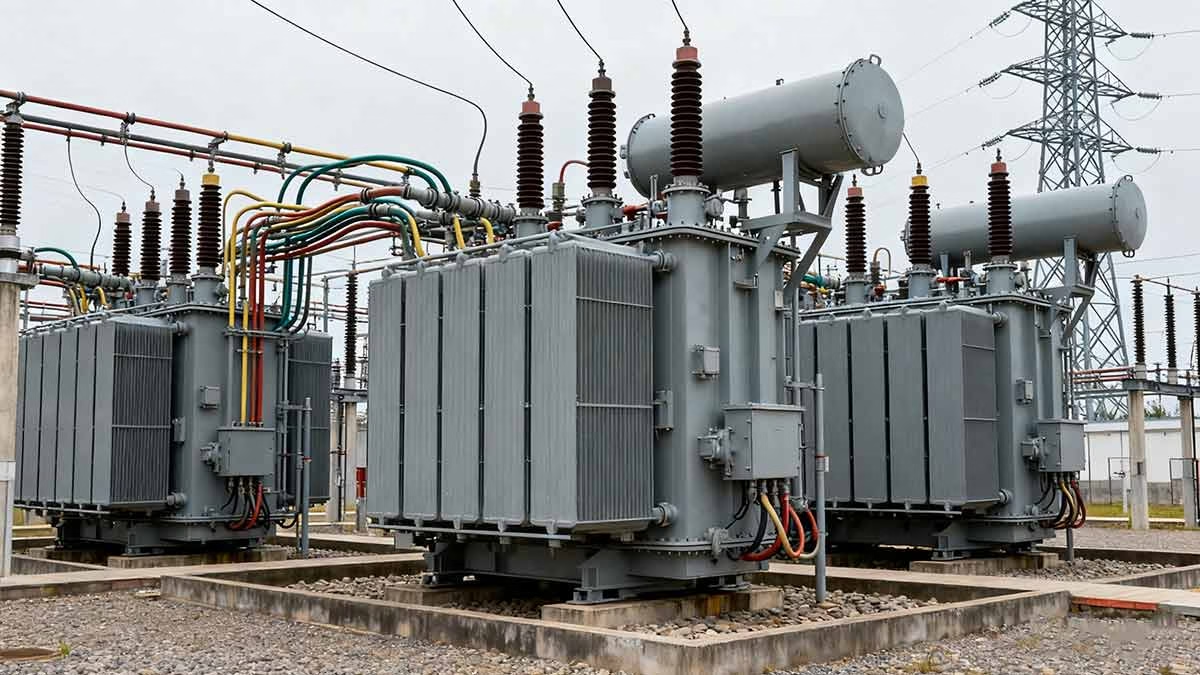
Step-up and step-down transformers form the backbone of power networks—bridging generation, transmission, and end-use. Their function is defined by their position in the grid: step-up transformers boost voltage for long-distance transport, while step-down units reduce it to safe, usable levels.
Step-Up Transformers: Efficient Long-Distance Transmission
- Voltage Elevation: Converts low generator output (10–35kV) to high transmission voltages (115kV–765kV) to minimize energy loss. For a 200MW wind farm in Iowa, we installed step-up transformers to boost 34.5kV turbine output to 345kV—cutting transmission losses over 150 miles by 28%.
- Renewable Integration: Enables connection of distributed generation (solar, wind) to the main grid. A 150MW solar project in California used step-up transformers to sync 12kV panel output with the utility’s 230kV transmission line—ensuring stable power flow despite variable solar irradiance.
- Industrial Scale-Up: Powers large-scale industrial processes requiring high voltage. A petrochemical plant in Louisiana used step-up transformers to supply 138kV to its cracking units—supporting continuous operation with minimal voltage drop.
Step-Down Transformers: Safe, Usable Power for End Users
- Voltage Reduction: Lowers high transmission voltages to distribution levels (4.16kV–13.8kV) and finally to end-use levels (120/208V–480V). For a new urban development in Arizona, we designed a 3-stage step-down system: 230kV → 69kV → 13.8kV → 480/208V—serving 5,000+ residents and 100+ businesses.
- Equipment Protection: Delivers voltage matching critical for sensitive devices. A data center in North Carolina used step-down transformers with on-load tap changers to maintain 208V ±1% for servers—preventing hardware damage from voltage fluctuations.
- Load Tiering: Supports diverse industrial needs by supplying multiple voltage levels. A manufacturing campus in Ohio used step-down transformers to deliver 4160V for large motors, 480V for assembly lines, and 208V for office equipment—streamlining power distribution across the site.
| Aspect | Step-Up Transformers | Step-Down Transformers |
|---|---|---|
| Core Function | Increase voltage for long-distance transmission | Reduce voltage for local distribution/end use |
| Typical Location | Power plants, renewable farms, industrial hubs | Substations, commercial buildings, industrial facilities |
| Winding Ratio | More secondary turns than primary | More primary turns than secondary |
| Key Benefit | Minimizes transmission losses (I²R) | Ensures safety and equipment compatibility |
| Voltage Range | Input: 10–35kV; Output: 115–765kV | Input: 4.16kV–230kV; Output: 120/208V–480V |
| Example Application | Wind farm-to-grid connection | Office building power distribution |
Efficiency Comparison: Which Transformer Type Performs Best?
Transformer efficiency directly impacts operational costs and sustainability—with core material, configuration, and load profile driving performance. Amorphous core transformers lead in low-load efficiency, while CRGO (Cold Rolled Grain Oriented) steel core units offer balanced value for general use.
Amorphous Core Transformers: Peak Efficiency for Variable Loads
- Low-Load Superiority: No-load losses are 70–80% lower than CRGO cores, ideal for applications with fluctuating demand (e.g., commercial buildings, data centers). A retail chain in Texas swapped CRGO transformers for amorphous core units—saving $120,000 annually in energy costs across 50 stores.
- Sustainability Focus: Reduced carbon footprint aligns with LEED and net-zero goals. For a LEED Platinum office tower in Chicago, amorphous core transformers contributed 15% of the project’s energy efficiency credits.
- Long-Term ROI: Higher upfront cost (15–25% more than CRGO) is offset by energy savings within 5–7 years. A utility company in Pennsylvania calculated a 6.2-year payback period for upgrading 200 distribution transformers to amorphous core designs.
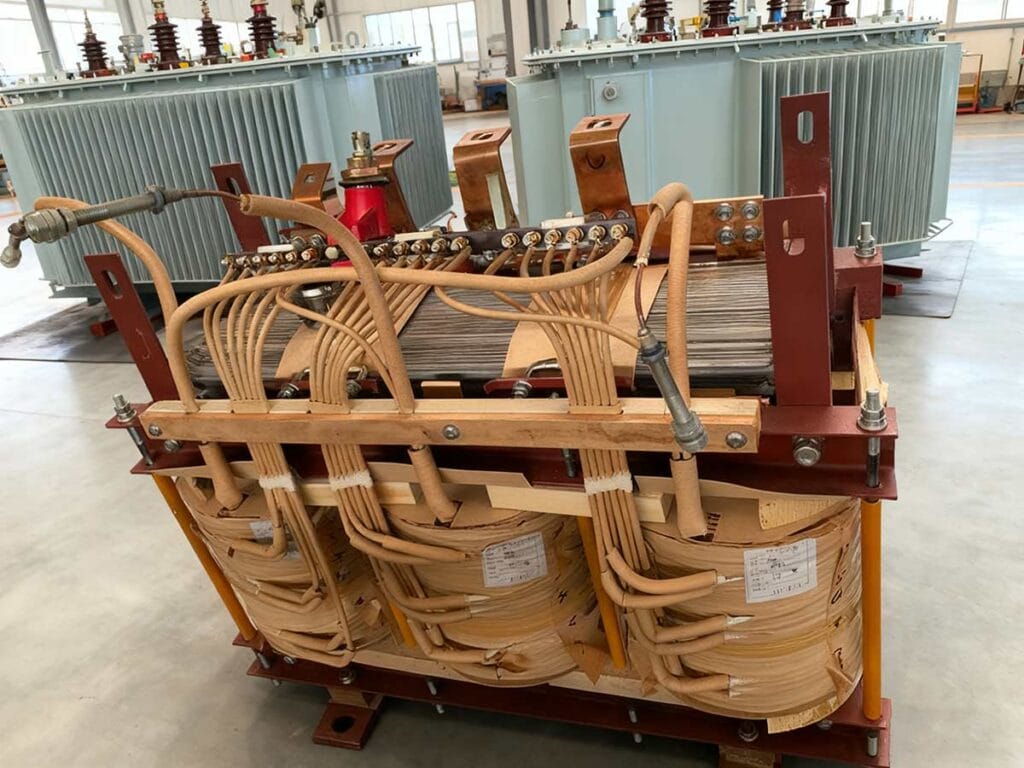
CRGO Steel Core Transformers: Balanced Performance for General Use
- All-Round Efficiency: Delivers 98–99% full-load efficiency, suitable for steady-load applications (e.g., industrial plants, manufacturing). A food processing facility in Indiana used CRGO transformers to maintain consistent efficiency across 24/7 operations—with losses totaling less than 1% of total power consumption.
- Cost-Effectiveness: Lower initial investment and widespread availability make them ideal for budget-constrained projects. A municipal utility in Georgia chose CRGO transformers for a residential subdivision—reducing upfront costs by 20% compared to amorphous alternatives.
- Reliability in Harsh Conditions: Robust construction withstands extreme temperatures and humidity. CRGO transformers installed in a remote mining site in Nevada operated without maintenance for 8 years—despite ambient temperatures ranging from -10°C to 45°C.
Configuration Impact on Efficiency
- Star Configuration: Excels in unbalanced loads (e.g., mixed-use developments), delivering 2–3% higher efficiency than delta in such scenarios.
- Delta Configuration: Outperforms star in balanced industrial settings, with 3–4% better efficiency for 3-phase motor loads.
- Step-Up vs Step-Down: Step-up transformers typically achieve 99%+ full-load efficiency (long-distance transmission), while step-down units range from 98–99% (distribution-level).
| Transformer Type | No-Load Losses | Full-Load Efficiency | Best For |
|---|---|---|---|
| Amorphous Core | 0.1–0.3 W/kVA | 99.5%+ | Variable loads, sustainability goals |
| CRGO Steel Core | 0.5–1.0 W/kVA | 98–99% | Steady loads, cost-sensitive projects |
| Star (Y) Configuration | 0.4–0.8 W/kVA | 97–99% | Unbalanced, multi-voltage loads |
| Delta (Δ) Configuration | 0.3–0.7 W/kVA | 98–99.2% | Balanced, high-power industrial loads |
| Step-Up | 0.2–0.5 W/kVA | 99%+ | Long-distance transmission |
| Step-Down | 0.4–0.9 W/kVA | 98–99% | Local distribution, end-use |
Installation & Maintenance: Impact on Operational Costs
The total cost of ownership (TCO) of a three-phase transformer extends beyond upfront purchase—installation complexity, maintenance frequency, and lifespan all shape long-term expenses. Choosing the right type aligns with your budget, labor resources, and operational priorities.
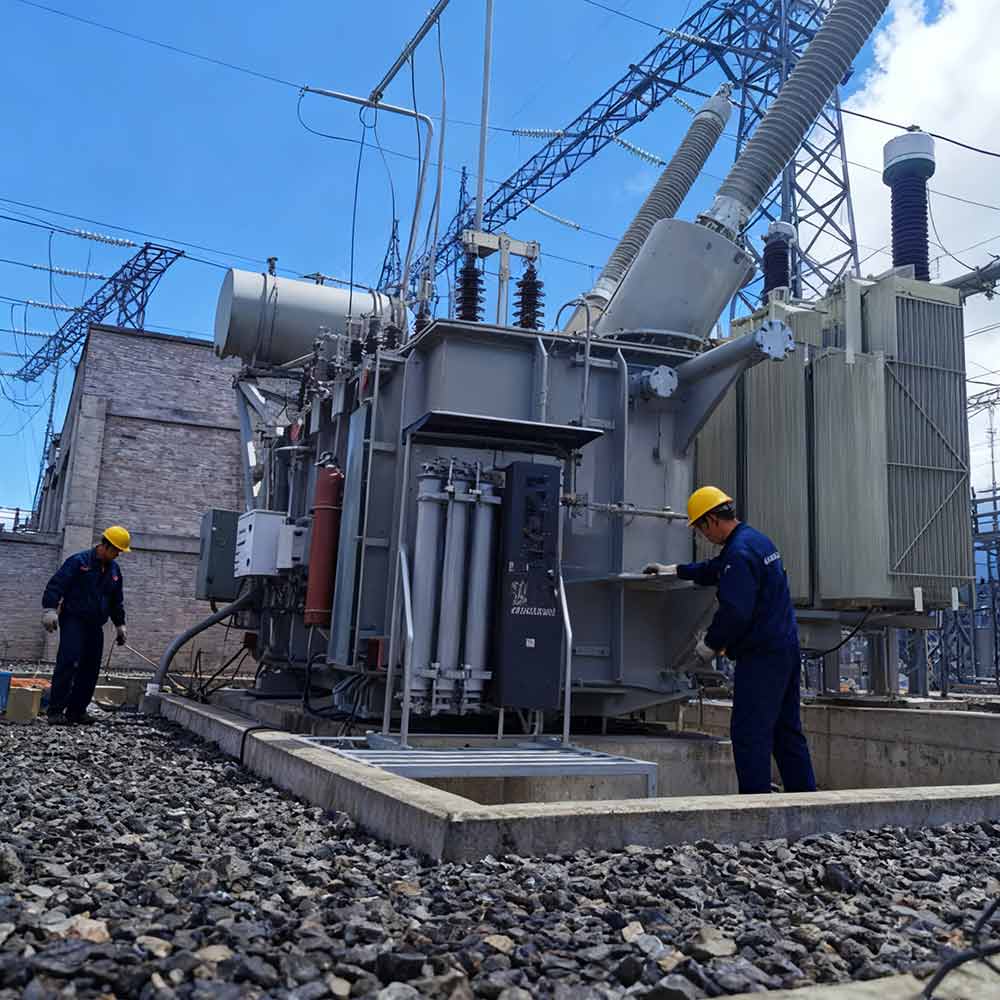
Amorphous Core Transformers
- Installation: Requires careful handling (amorphous cores are brittle) and specialized technicians, increasing installation costs by 15–20% compared to CRGO. For a data center in Oregon, we coordinated with certified installers to avoid core damage—adding $5,000 to the project budget but ensuring long-term performance.
- Maintenance: Lower heat generation extends insulation life, reducing maintenance by 20–30%. A utility in Colorado reported just one service call per year for its amorphous core fleet—vs. 3–4 for CRGO units.
- Lifespan: 25–30 years (vs. 20–25 for CRGO), further improving TCO.
CRGO Steel Core Transformers
- Installation: Straightforward setup with widespread technician familiarity, cutting installation time by 30% for time-sensitive projects. A manufacturing plant in Tennessee installed 10 CRGO transformers in 3 days—meeting a critical production deadline.
- Maintenance: Higher heat output requires more frequent cooling system checks (twice yearly vs. annually for amorphous). A facility in Alabama budgeted $2,000/year per CRGO transformer for maintenance—vs. $1,200 for amorphous.
- Repair: Replacement parts are readily available, reducing downtime costs by 40% in remote locations.
Configuration-Specific Maintenance Needs
- Star (Y): Requires neutral point monitoring and grounding checks (annual), adding 5–10% to maintenance costs. For a hospital in Florida, this extra step prevented two potential voltage spike incidents in three years.
- Delta (Δ): No neutral conductor simplifies maintenance, with 10–15% lower annual service costs than star. An industrial park in Ohio saved $3,000/year across 20 delta transformers by eliminating neutral-related checks.
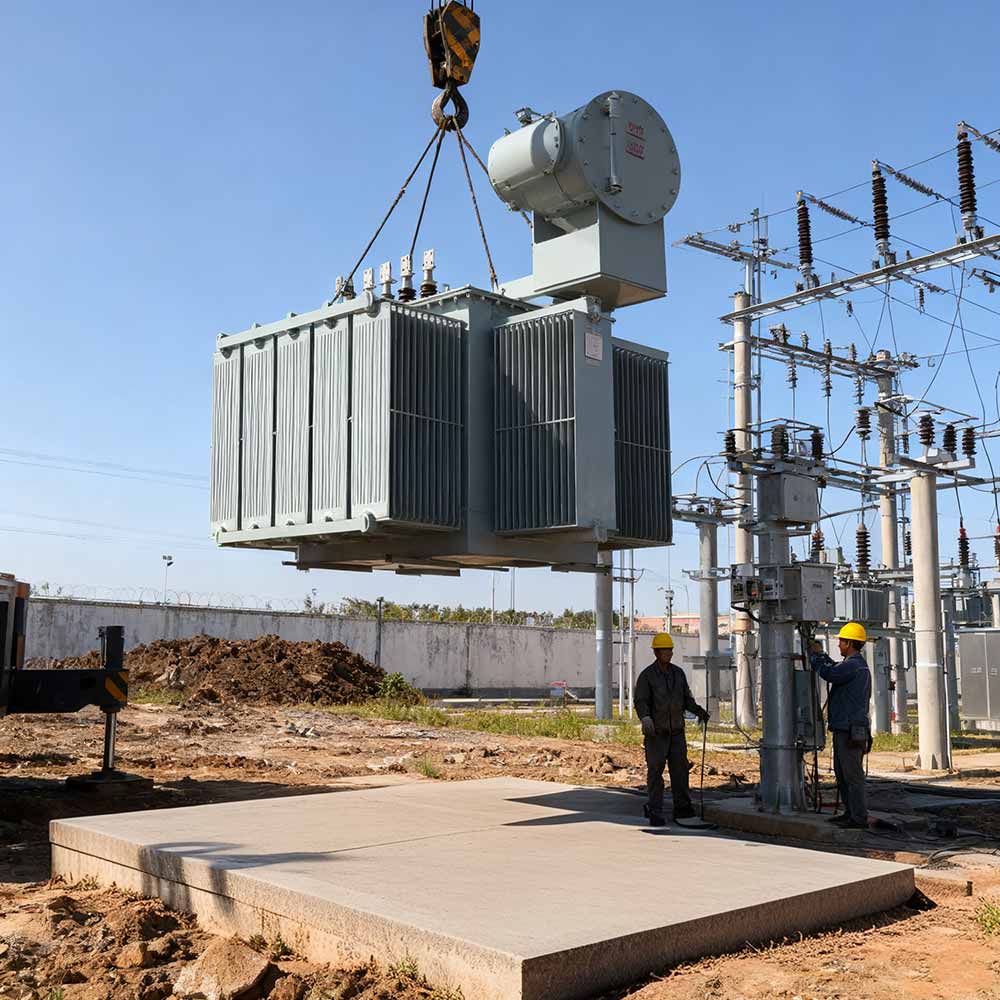
Emerging Designs: Transformer Innovations Shaping the Future
As grids evolve toward decarbonization, smart integration, and electrification, new transformer designs are redefining performance. Solid-state, high-temperature superconducting (HTS), and smart transformers are leading the charge—offering unprecedented efficiency, flexibility, and connectivity.
Solid-State Transformers (SSTs)
- Power Electronics Integration: Replaces traditional copper windings with semiconductor switches (IGBTs), enabling AC-DC-AC conversion and precise voltage control. A pilot project in California’s smart grid used SSTs to manage bidirectional power flow from rooftop solar—reducing grid congestion by 35%.
- Compact Footprint: 40–60% smaller than conventional transformers, ideal for urban areas. A New York City substation retrofitted with SSTs freed up 1,200 sq ft of space for EV charging infrastructure.
- Grid Support: Enables dynamic load balancing and voltage regulation (±0.5%), critical for EV charging and renewable integration.
High-Temperature Superconducting (HTS) Transformers
- Near-Zero Losses: Superconducting windings eliminate resistance, achieving 99.99% efficiency. Lab tests for a utility in Texas showed HTS transformers cutting energy losses by 90% compared to CRGO units.
- Size Reduction: 60–70% smaller and lighter than conventional designs. A conceptual urban substation design in Chicago used HTS transformers to fit a 50MVA capacity in a footprint equivalent to a 10MVA traditional substation.
- Fault Current Limiting: Inherent protection against overloads, reducing the need for additional safety equipment.
Smart Transformers with Advanced Monitoring
- Predictive Maintenance: Embedded sensors track temperature, oil quality, and load cycles—alerting teams to issues before failure. A utility in Washington reduced unplanned outages by 70% after equipping its transformer fleet with smart monitoring.
- Data-Driven Optimization: Integrates with grid management systems to optimize load distribution. A regional grid in the Midwest used smart transformers to reduce distribution losses by 10% through real-time load balancing.
- Cybersecurity: Encrypted communication protects against grid cyber threats—critical for modern smart grids.
| Emerging Design | Key Benefit | Current Status | Challenge to Adoption |
|---|---|---|---|
| Solid-State Transformers | Precise control, compact size | Pilot projects (utility/industrial) | High upfront cost (3–5x conventional) |
| HTS Transformers | Ultra-high efficiency, small footprint | Lab testing + limited industrial trials | Cooling system complexity/cost |
| Smart Transformers | Predictive maintenance, grid optimization | Early adoption (utility fleets) | Cybersecurity vulnerabilities |
Conclusion
Selecting the right three-phase transformer requires aligning configuration (star/delta), type (step-up/step-down), and core material (amorphous/CRGO) with your load profile, voltage needs, and long-term goals. For variable commercial loads, star-configured amorphous core transformers deliver efficiency; for balanced industrial use, delta CRGO units offer cost-effective reliability; and for future-ready grids, solid-state and smart transformers unlock unprecedented flexibility.
As power systems evolve—driven by renewable integration, EV adoption, and grid decarbonization—partnering with a provider that understands these nuances ensures your transformer investment delivers lasting value. Whether you’re retrofitting an existing facility or designing a new power network, the right transformer configuration turns operational challenges into competitive advantages.