
Modular substations have revolutionized power infrastructure construction, addressing the inefficiencies and environmental impacts of traditional substations. As a pioneer in modular power solutions, CHH Power has leveraged advanced technologies to develop modular substations that redefine how substations are designed, manufactured, and deployed. Below is an overview of how these substations differ from traditional models, their core characteristics, and why they have become a preferred choice for modern power grid projects.
Contents
hide
1. The Rise of CHH Power’s Modular Substations: Solving Traditional Pain Points
Traditional substation construction was a resource-intensive and time-consuming process. It demanded substantial labor, materials, and time investments, often involving on-site welding, concrete pouring, and lengthy assembly—all of which extended project timelines and increased costs. Additionally, the decentralized on-site construction posed notable environmental impacts, such as soil disturbance and waste generation.
Against this backdrop, CHH Power’s modular substations emerged as a transformative alternative. By integrating cutting-edge design and manufacturing approaches, these substations address the key limitations of traditional models, offering a more efficient, sustainable, and flexible solution for today’s power grid needs.
2. BIM Technology & Standardization: The Backbone of CHH Power’s Design
A cornerstone of CHH Power’s modular substation design is the application of Building Information Modeling (BIM) technology. This digital tool enables collaborative design across all project stakeholders—engineers, manufacturers, and installers—ensuring seamless coordination from concept to completion.
- Compliance with National Grid Standards: CHH Power’s modular substations are designed and manufactured in strict adherence to the technical specifications of the State Grid Corporation of China. This compliance ensures that every module meets uniform quality, safety, and performance benchmarks.
- Three Core Pillars of Design:
- Modularization: Functional components (e.g., transformer modules, switchgear modules, control room modules) are pre-designed as independent units, allowing flexible combination based on project needs.
- Standardization: Standardized module sizes, interfaces, and electrical parameters eliminate customization delays, enabling mass production and easy replacement.
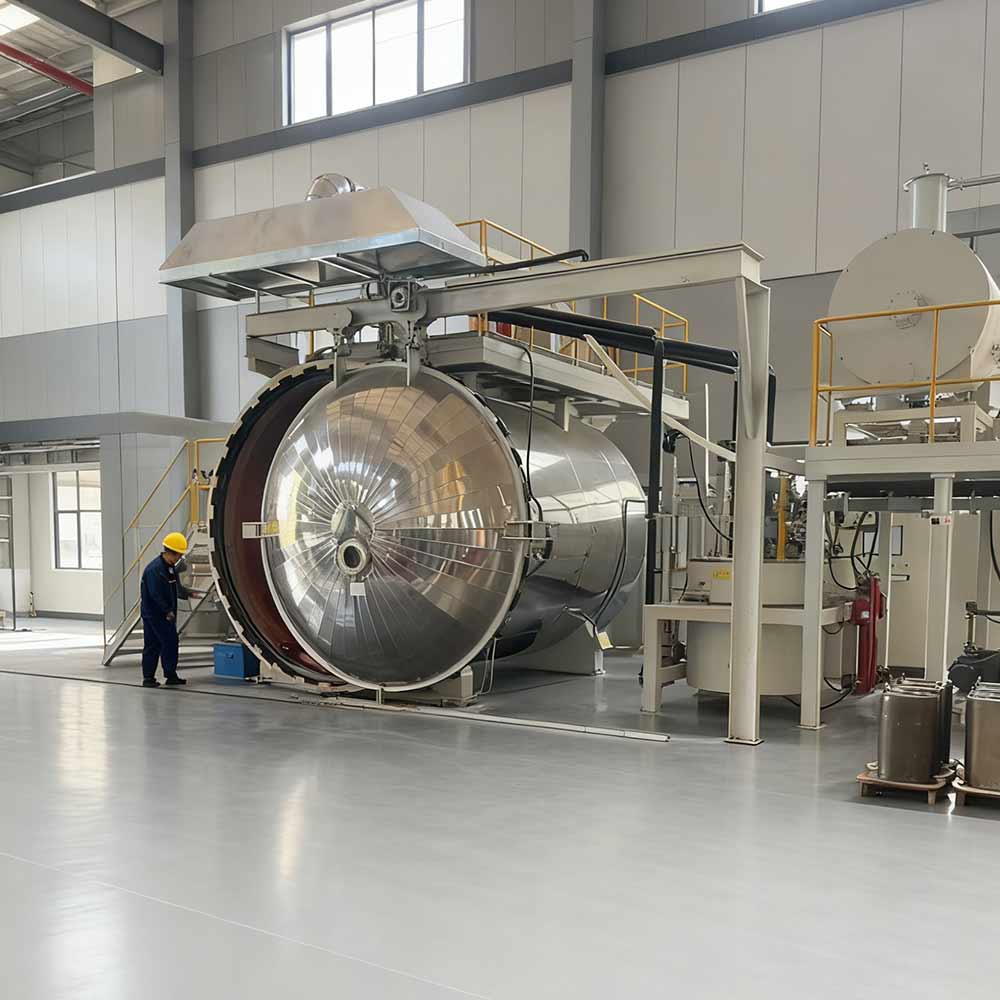
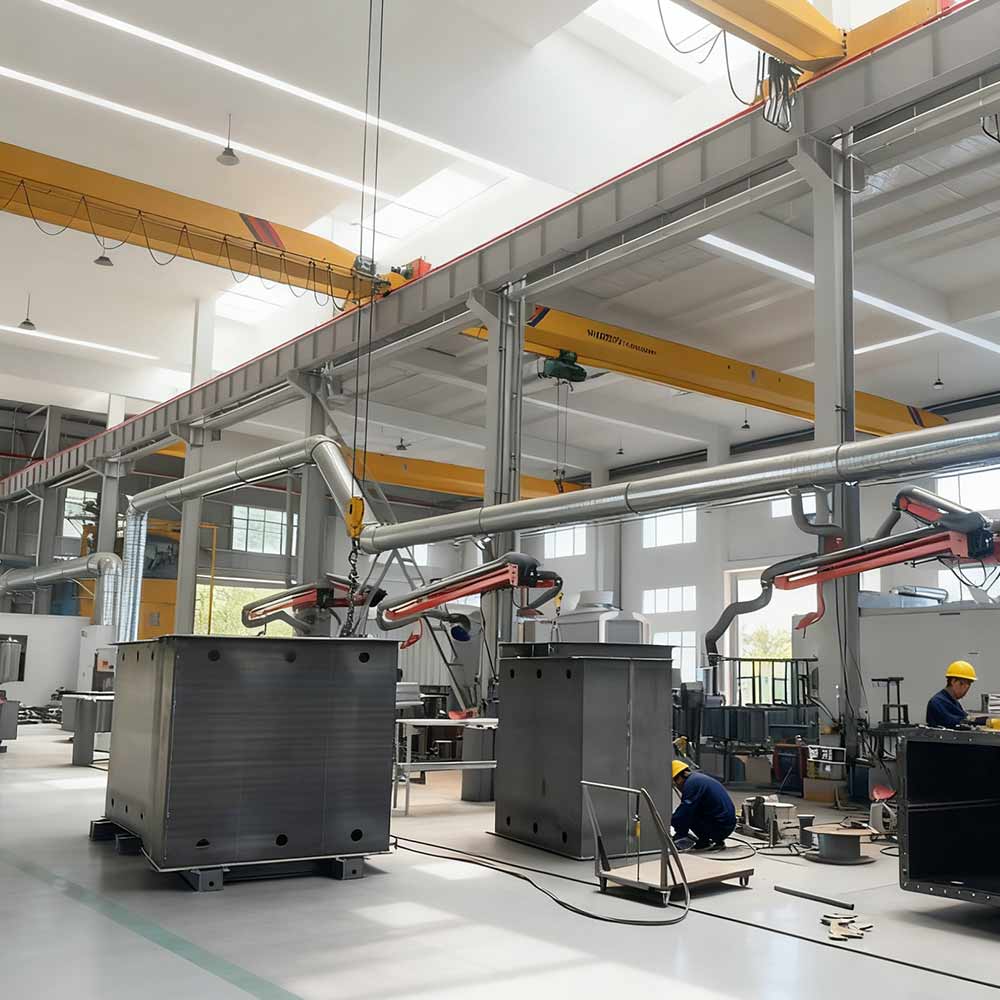
- Prefabrication: All modules are fully assembled and tested in CHH Power’s factories, reducing on-site work to simple connection and commissioning.
For technical inquiries about BIM application details, standard compliance, or custom module designs, CHH Power’s engineering team is available for consultation. For procurement needs, direct contact with CHH Power’s sales team ensures tailored solutions aligned with project requirements.
3. Core Characteristics: Efficiency, Sustainability, and Quality
CHH Power’s modular substations stand out for a set of defining features that drive their performance and value:
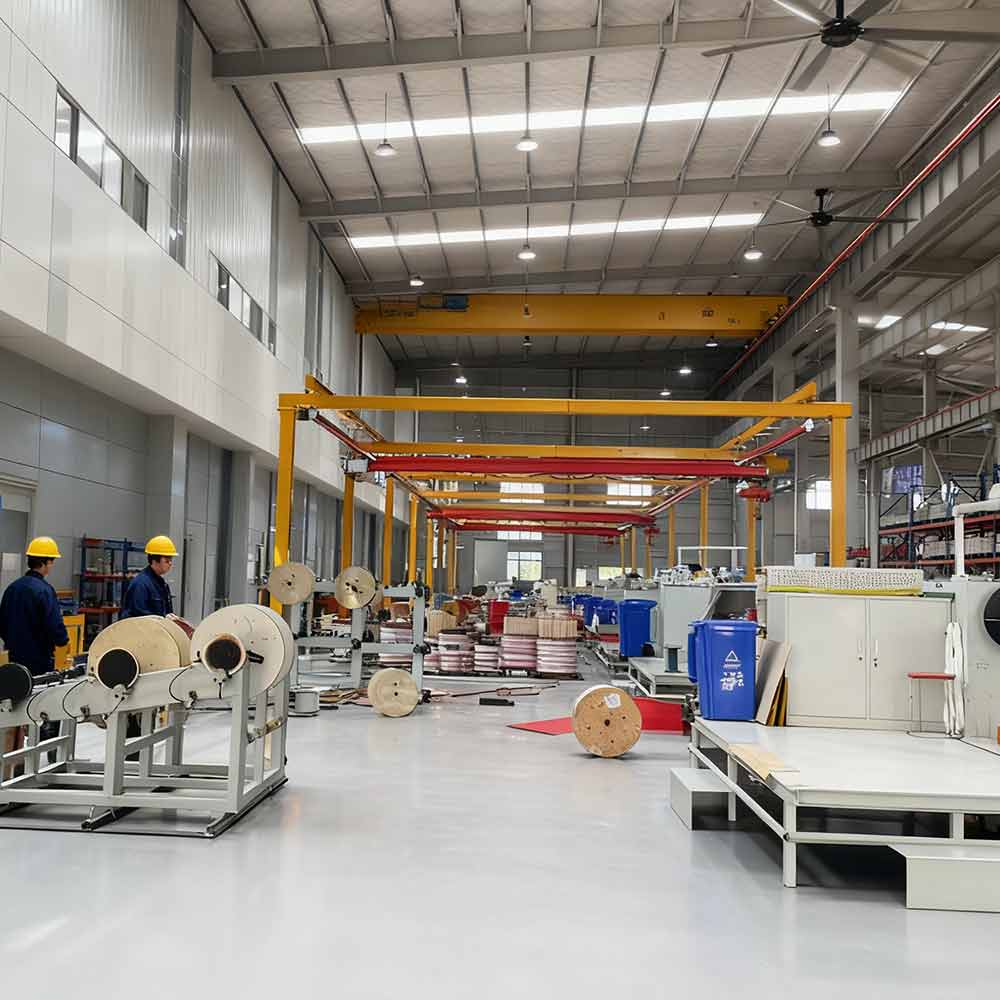
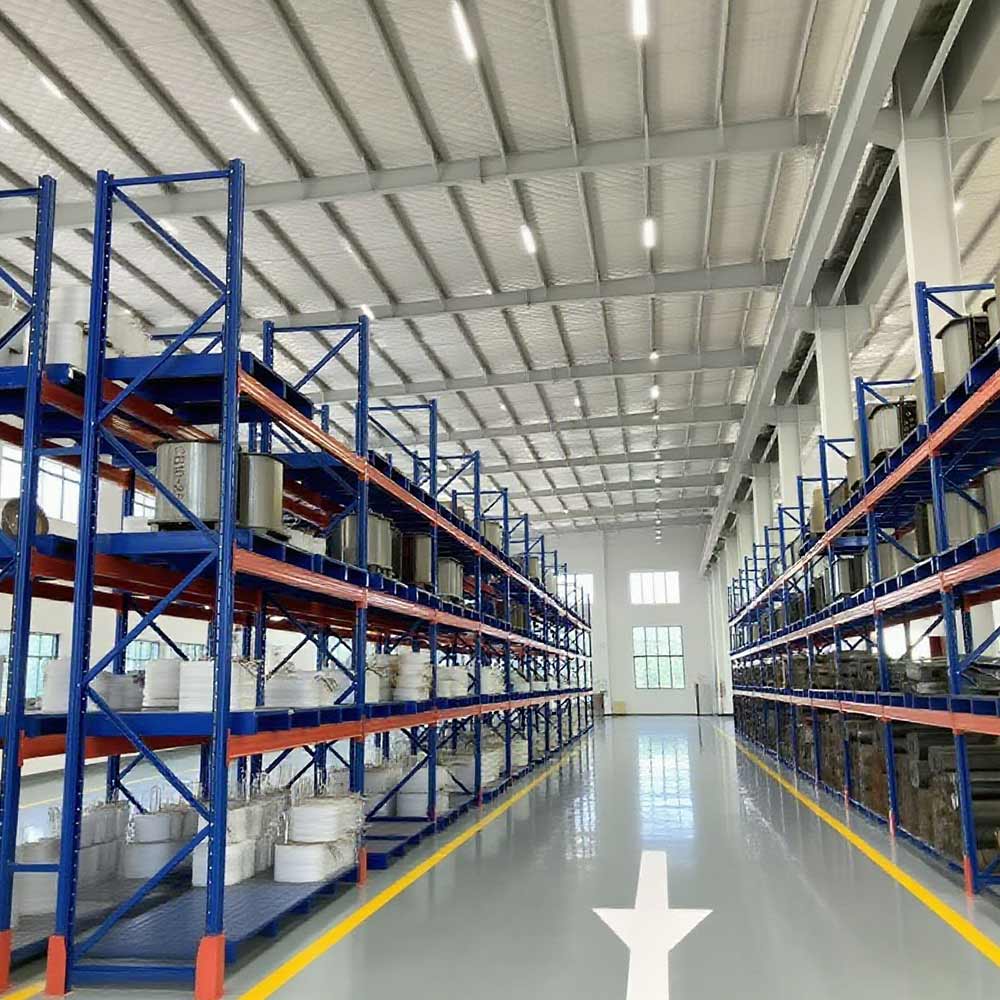
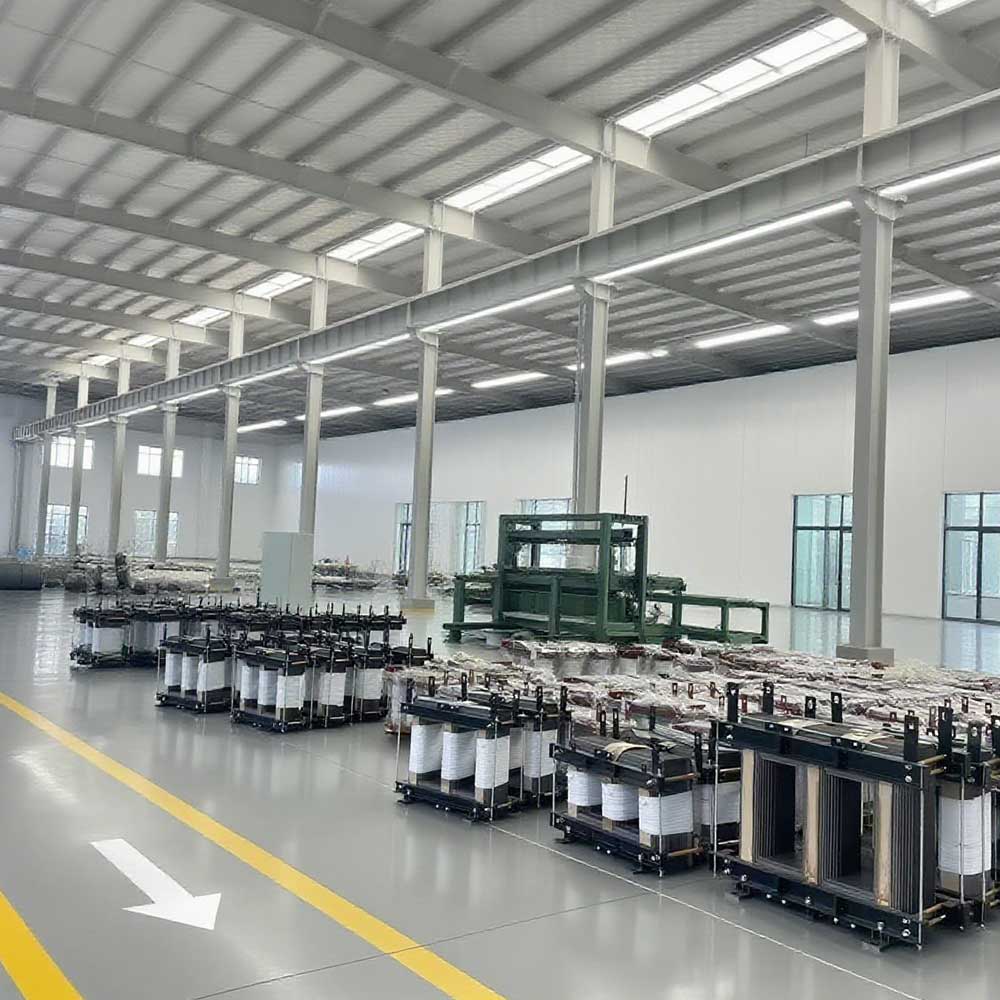
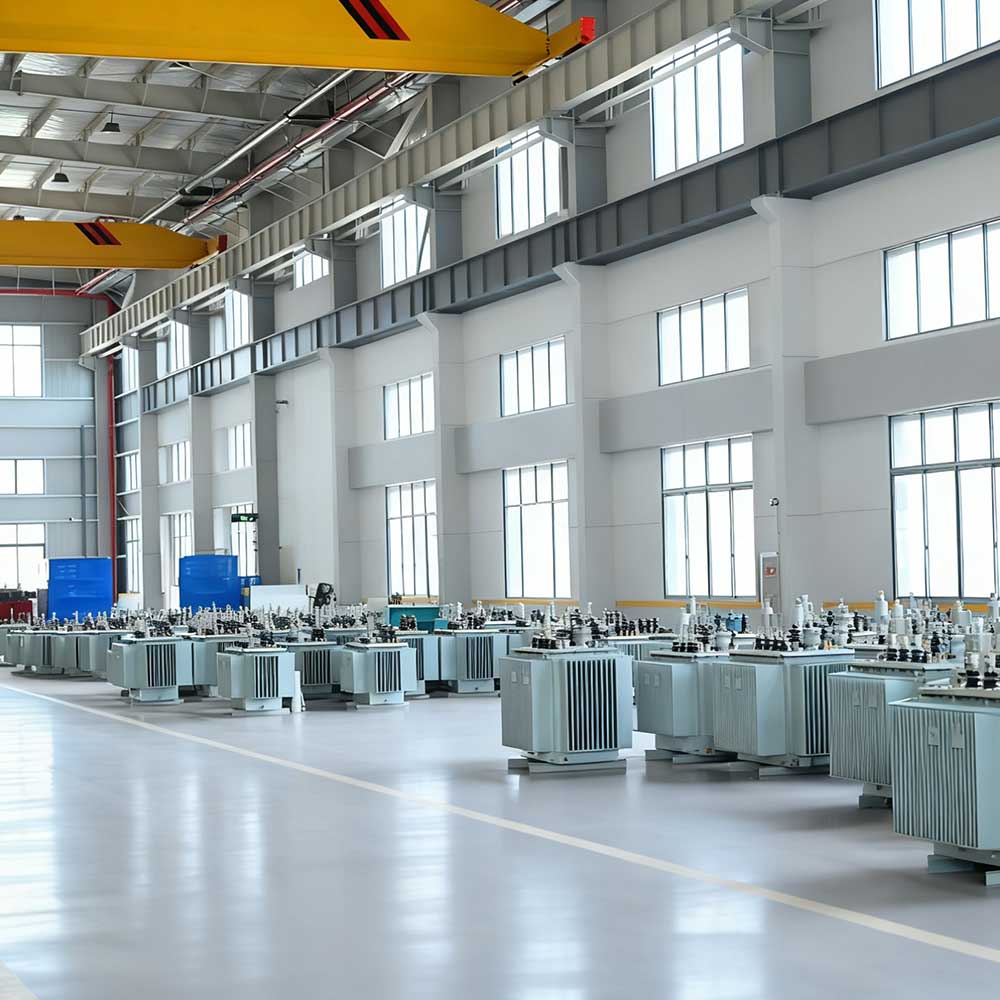
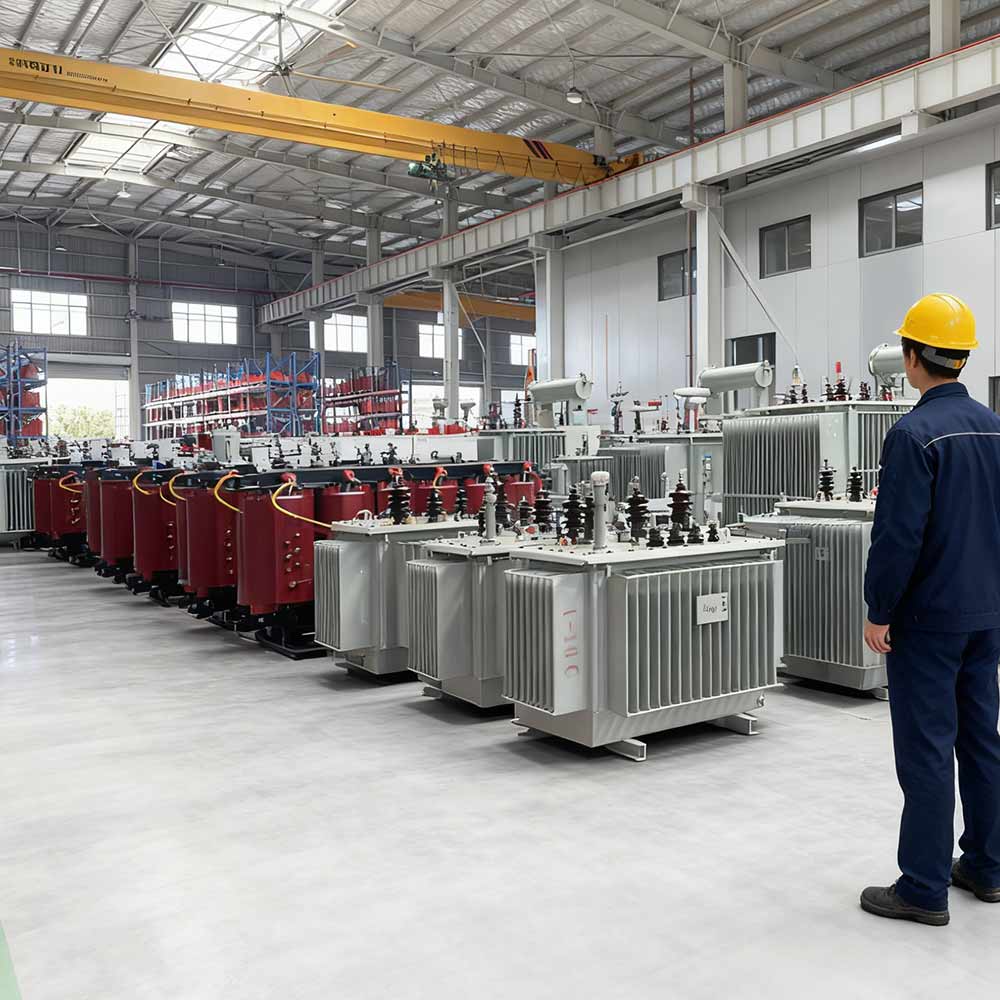
- Factory Prefabrication & Mass Production: Key components and equipment—from transformers to secondary control panels—are prefabricated in CHH Power’s state-of-the-art factories. Mass production not only ensures consistent quality but also slashes production costs by 15–20% compared to on-site manufacturing.
- High Integration: Modules are designed for high integration, combining multiple functions (e.g., power transformation, protection, monitoring) into a single unit. This integration reduces the substation’s overall footprint by 30% and simplifies on-site installation.
- Rapid Assembly: Factory-tested modules are shipped to the site and assembled like building blocks. CHH Power’s modular substations can be commissioned in as little as 2–4 weeks, compared to 3–6 months for traditional substations—cutting construction time by over 60%.
- Environmental Sustainability: By minimizing on-site construction, these substations reduce resource consumption (e.g., water, concrete) and construction waste by 40%. The factory-controlled production process also lowers carbon emissions, aligning with global green infrastructure goals.
4. Versatile Applications & Key Advantages
CHH Power’s modular substations are engineered to meet high standards for safety, reliability, and adaptability:
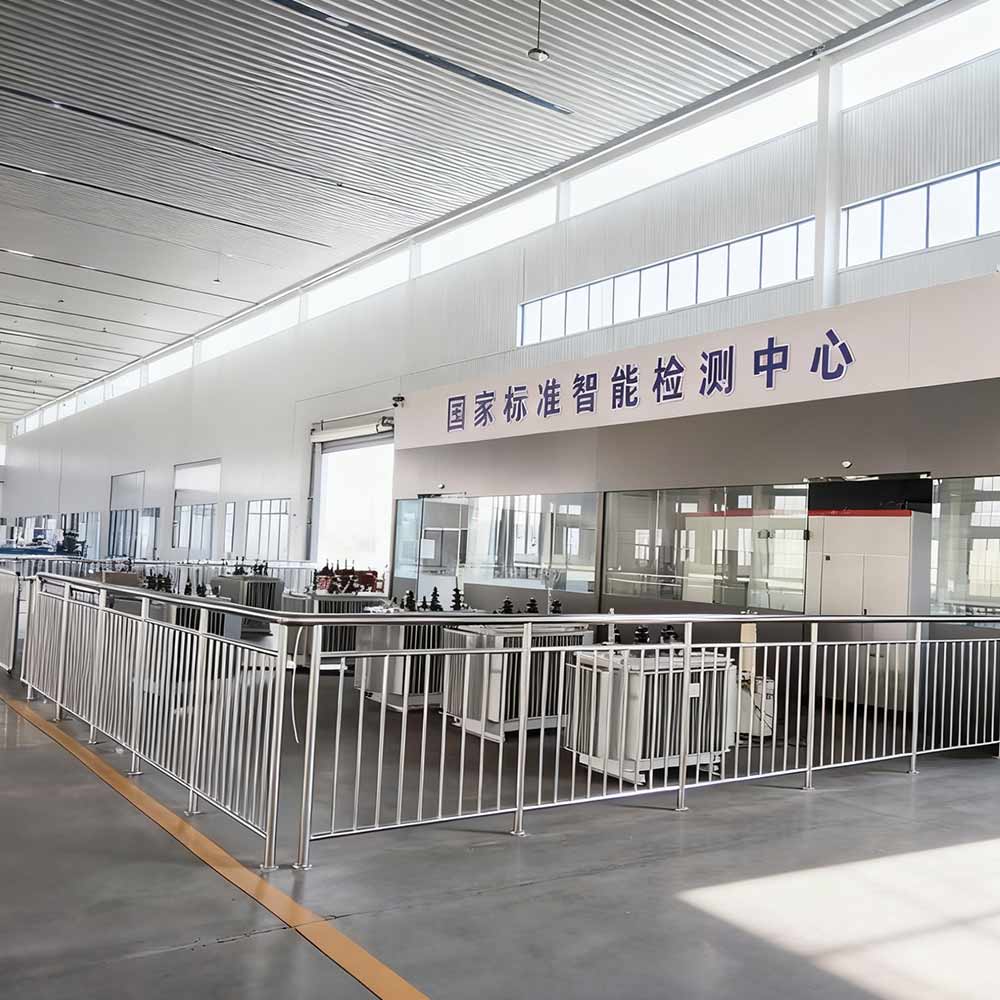
- Safety & Reliability: Rigorous factory testing—including insulation resistance tests, short-circuit withstand tests, and environmental simulation tests—ensures that each module operates safely and reliably in the field. CHH Power’s modular substations maintain a 99.8% operational uptime record.
- Adaptability to Diverse Scenarios: They perform exceptionally well in various applications and complex terrains, from urban distribution networks and industrial parks to remote rural areas and mountainous regions. Their compact design also makes them ideal for projects with limited space.
- Flexibility & Portability: Modules can be easily reconfigured or expanded to accommodate changing power demands. For temporary projects (e.g., construction site power supply, emergency disaster relief), the substations can be disassembled, relocated, and reused—maximizing asset value.
By reimagining substation construction through modularization, standardization, and advanced technology, CHH Power has created a solution that not only addresses the flaws of traditional models but also sets new benchmarks for efficiency, sustainability, and adaptability in the power industry.






OUR CERTIFICATE


OUR PROJECTS


