
This comprehensive guide delves into five hazardous fluctuation patterns of power transformer oil and delivers actionable solutions to mitigate risks. We will dissect abrupt oil level declines, misleading sensor measurements, thermal expansion-induced anomalies, cutting-edge leak identification approaches, and advanced real-time surveillance technologies. These insights are designed to help facility managers and maintenance teams uphold the peak operational efficiency of power transformers and avoid costly downtime or catastrophic failures.
Contents
hide
Power Transformer Oil Fluctuation Patterns: An Overview
For seasoned professionals who have spent years diagnosing and resolving power transformer oil-related issues, it is clear that unaddressed fluctuation anomalies can escalate into major operational crises in a matter of hours or days. Overlooking subtle changes in oil levels, consistency, or pressure can compromise the transformer’s insulating capacity, heat dissipation function, and overall structural integrity. Below is an in-depth exploration of the most critical fluctuation patterns, their root causes, and step-by-step remedies to safeguard your power equipment.
Sudden Power Transformer Oil Level Drops: 3 Critical Faults That Demand Immediate Action
Have you ever encountered an unexplained, rapid decline in your power transformer’s oil level with no prior warning signs? This is far from a trivial inconvenience—it is a critical red flag that necessitates urgent intervention to prevent irreversible damage to the transformer.
Abrupt oil level drops in power transformers are typically symptomatic of severe underlying issues, including unforeseen seepages, internal component malfunctions, or accelerated oil degradation. Among these threats, three faults stand out as the most perilous: tank ruptures, gasket deterioration, and intense internal arcing. Failing to address these issues promptly can lead to full-scale transformer breakdowns, power outages, and even safety hazards for on-site personnel.
Power Transformer Oil Level Monitoring: Lessons From Field Experience
Veteran maintenance technicians have encountered countless cases of sudden oil level drops, each offering valuable lessons about proactive intervention. Below is a detailed breakdown of the three high-priority faults that require non-negotiable attention:
- Tank RupturesTank ruptures represent the most alarming trigger for sudden power transformer oil loss, as they often lead to large-scale oil spills and immediate operational shutdowns. The primary causes of tank ruptures include:
- Excessive internal pressure accumulation due to the release of fault-generated gases
- Physical damage from external impacts, such as construction equipment collisions or severe weather events
- Gradual corrosion that weakens the tank’s metal structure over time
Key warning signs to watch for include:
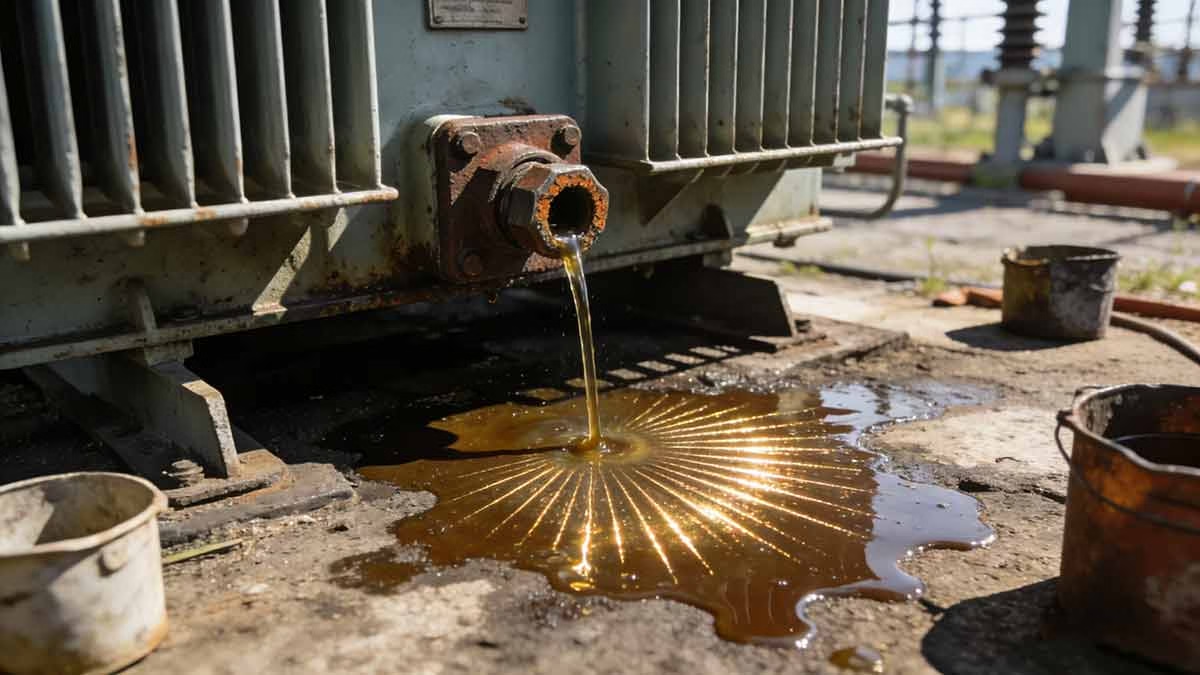
- Visible oil stains or puddles accumulating around the transformer base
- Abnormal bulging or deformation of the tank’s outer casing
- A sharp oil level decline of more than 10% within a short window (typically a few hours)
Immediate response protocols:
- De-energize the transformer without delay to eliminate fire or explosion risks
- Deploy containment barriers to prevent spilled oil from contaminating soil or water sources
- Conduct a comprehensive visual inspection of the tank to identify rupture points and assess structural damage
- Coordinate with specialized technicians for emergency repairs or full tank replacement if the damage is irreparable
- Gasket FailuresGasket failures are a prevalent yet frequently underestimated cause of power transformer oil leaks. These failures often develop gradually over time, making them easy to overlook until the oil loss becomes significant. Common catalysts for gasket deterioration include:
- Natural aging and material fatigue, especially for gaskets made from low-quality rubber or synthetic compounds
- Improper installation during routine maintenance, such as uneven tightening of bolts or misalignment of sealing surfaces
- Repeated thermal cycling stress, which causes the gasket to expand and contract excessively, leading to cracks and gaps
Indicators of impending or active gasket failure include:
- A slow but consistent decline in oil levels over days or weeks
- Oil seepage around the transformer’s joint areas, particularly at the top cover, valve connections, and flange interfaces
- Elevated gas concentrations in the oil, caused by air ingress through the faulty gasket
Targeted resolution steps:
- Use dye testing or ultrasonic scanning to pinpoint the exact location of the gasket leak
- Plan a controlled transformer shutdown during a low-demand period to minimize operational disruption
- Replace the compromised gasket with high-grade, transformer oil-compatible materials that meet industry standards (e.g., nitrile rubber or fluorocarbon-based gaskets)
- Perform a vacuum oil filling process to remove trapped air from the transformer, which can otherwise cause further insulation degradation
- Severe Internal ArcingSevere internal arcing ranks as the most dangerous fault linked to sudden power transformer oil level drops, as it can trigger explosive failures that pose severe risks to personnel and surrounding equipment. Internal arcing is commonly caused by:
- Insulation breakdown due to moisture ingress, overheating, or contamination
- Winding displacement resulting from mechanical vibrations or short-circuit events
- Prolonged overloading that exceeds the transformer’s design capacity
Critical warning signs of internal arcing include:
- A rapid oil level drop coupled with a sharp increase in internal gas pressure
- Activation of protective devices, such as the Buchholz relay or sudden pressure relay
- Abnormal dissolved gas analysis (DGA) results, particularly a spike in acetylene concentrations— a telltale marker of arcing
Emergency response measures:
- Immediately disconnect the transformer from the power grid to stop the arcing process
- Conduct an emergency DGA test to confirm the presence of arcing-related gases and assess the severity of internal damage
- Arrange for a thorough internal inspection by certified professionals to evaluate winding condition, core integrity, and insulation status
- Prepare for a full transformer rewind or complete replacement if the internal components are beyond repair
| Fault Type | Oil Drop Rate | Secondary Indicators | Urgency Level |
|---|---|---|---|
| Tank Rupture | Extremely Fast (hours) | Visible tank deformation, large oil puddles | Extreme |
| Gasket Failure | Slow to Moderate (days to weeks) | Localized seepage at joints, rising gas levels | High |
| Internal Arcing | Rapid (minutes to hours) | Relay activation, high acetylene in DGA | Extreme |
A real-world case study underscores the importance of vigilance: A regional utility company dismissed a slow, gradual oil level decline as normal consumption, delaying maintenance for over a month. By the time the maintenance team conducted an inspection, multiple gasket failures had allowed significant moisture to seep into the transformer, leading to severe insulation degradation. The transformer narrowly avoided a catastrophic explosion during a peak demand period, but the cost of repairs and unplanned downtime exceeded $200,000. This incident highlights that even minor, slow-paced oil level changes should never be ignored.
Key Takeaways for Addressing Sudden Oil Level Drops
- Consistent Surveillance: Implement daily manual oil level checks and automated trend analysis to identify deviations from baseline values.
- Rapid Response Framework: Develop a detailed emergency action plan tailored to each fault type, including contact lists for specialized technicians and containment equipment deployment procedures.
- Root Cause Investigation: After resolving the immediate issue, conduct a thorough analysis to address the underlying cause (e.g., upgrading gaskets, reinforcing tank corrosion protection) to prevent recurrence.
- Preventive Maintenance Schedules: Schedule regular gasket inspections and replacements every 2–3 years, regardless of visible signs of wear, to proactively avoid leaks.
- Advanced Monitoring Systems: Install real-time oil level sensors with programmable alarm thresholds to trigger alerts at the first sign of abnormal declines.
It is critical to remember that sudden power transformer oil level drops are never a “normal” occurrence. They are urgent warning signals that demand immediate, targeted action. By mastering the identification and resolution of these three core faults, maintenance teams can protect their transformers from catastrophic failures and ensure the uninterrupted stability of power supply systems.
Power Transformer Oil Level Sensor Inaccuracies: How to Identify Misleading Readings in 5 Minutes
Have you ever authorized costly maintenance work or emergency shutdowns based on power transformer oil level sensor data, only to discover later that the readings were entirely inaccurate? Misleading sensor measurements can lead to unnecessary operational disruptions, wasted resources, and—even more dangerously—overlooked genuine issues that can escalate into major failures.
Inaccuracies in power transformer oil level sensors stem from a range of factors, including calibration drift, mechanical component wear, and environmental interference. To distinguish false readings from actual oil level fluctuations quickly, maintenance teams can rely on a systematic cross-verification process that combines visual inspections, trend analysis, and sensor health checks. Below is a proven, 5-minute protocol to spot deceptive sensor data and avoid costly decision-making errors.
Power Transformer Oil Level Sensor Calibration: A Field-Tested Verification Method
Seasoned technicians who have dealt with dozens of sensor malfunctions have refined a streamlined 5-step process to validate oil level readings in under 5 minutes. This foolproof method eliminates guesswork and ensures that maintenance decisions are based on accurate, reliable data:
- Visual Cross-Validation (1 minute)Begin with a straightforward visual inspection of the transformer’s built-in oil level gauge, which provides a direct, mechanical reference point.
- Compare the digital sensor reading with the gauge’s analog indicator
- Look for any noticeable discrepancies (a difference of more than 2% is a clear red flag)
- Pro Tip: In case of conflicting data, always prioritize the mechanical gauge’s reading, as it is less susceptible to electronic glitches or calibration errors.
- Historical Trend Analysis (1 minute)Retrieve the sensor’s historical data log for the past 24–48 hours to identify unusual patterns.
- Look for sudden, unexplained spikes or drops in readings that do not align with operational changes (e.g., load adjustments, temperature fluctuations)
- Keep in mind: Normal power transformer oil level changes are gradual and predictable, correlating with external temperature shifts or load variations
- Critical Warning: Any reading change of more than 2% within a 24-hour window, without corresponding operational or environmental triggers, requires immediate further investigation.
- Environmental Factor Assessment (1 minute)Evaluate external conditions that can impact oil volume and skew sensor readings.
- Check recent temperature fluctuations, as power transformer oil expands and contracts with temperature changes (a 10°C increase typically causes a 1% volume expansion)
- Verify if any recent maintenance activities, such as oil top-ups, filter changes, or valve adjustments, have been performed on the transformer
- Note: Even minor maintenance work can temporarily disrupt sensor readings, so it is essential to cross-reference with work logs.
- Multi-Sensor Data Comparison (1 minute)If the transformer is equipped with multiple oil level sensors (a best practice for critical equipment), cross-check readings across all devices.
- Compare data from all installed sensors to identify outliers
- Look for consistency between sensors—if one device shows a drastically different reading, it is likely faulty
- Industry Best Practice: Install at least two independent sensor types (e.g., float-based and pressure-based sensors) for critical transformers to create a redundant verification system.
- Quick Sensor Health Check (1 minute)Perform a rapid diagnostic test to assess the physical and operational status of the sensor.
- Inspect the sensor’s wiring and connections for signs of damage, corrosion, or loose fittings
- Verify that the sensor is receiving a stable power supply, as voltage fluctuations can cause inaccurate readings
- Pro Tip: Most modern smart sensors have built-in self-diagnostic features; familiarize yourself with accessing these reports to quickly identify internal sensor malfunctions.
| Verification Step | Key Observations | Common Causes of False Readings |
|---|---|---|
| Visual Inspection | Mismatch between sensor and gauge | Sensor calibration drift, mechanical gauge blockage |
| Trend Analysis | Suddenly, untriggered reading changes | Sensor hardware failure, data transmission errors |
| Environmental Assessment | Unexplained reading variations | Unaccounted temperature shifts, recent maintenance |
| Multi-Sensor Comparison | Outlier readings from one device | Individual sensor malfunction, wiring damage |
| Sensor Health Check | Physical damage or unstable power | Corroded connections, voltage fluctuations |
A real-world example illustrates the value of this process: A manufacturing plant nearly shut down its critical 10MVA transformer after a sensor indicated a dangerously low oil level. By applying this 5-minute verification protocol, the maintenance team discovered that a recent software update had reset the sensor’s calibration parameters, causing the false alert. This quick check saved the plant from 8 hours of unplanned downtime and prevented unnecessary oil top-ups that could have led to overfilling and pressure buildup in the transformer.
Key Strategies for Maintaining Power Transformer Oil Level Sensor Accuracy
- Regular Calibration Schedules
- Schedule full sensor calibration at least once a year, or immediately after any maintenance work that could affect oil levels (e.g., oil replacement, tank repairs)
- Use certified calibration tools and reference standards to ensure accuracy, and document all calibration activities for compliance purposes.
- Sensor Redundancy and Diversity
- Install multiple sensors of different types to create a cross-verification system
- Implement a voting logic system for critical transformers, where alerts are only triggered if a majority of sensors detect an anomaly, reducing false alarms.
- Integrated Monitoring Systems
- Deploy a centralized monitoring platform that cross-references oil level data with other transformer parameters, such as temperature, load, and gas concentrations
- Set up smart alarm thresholds that adjust based on environmental conditions (e.g., higher tolerance for oil level changes during summer heatwaves) to minimize unnecessary alerts.
- Technician Training and Drills
- Ensure all maintenance staff are trained to perform the 5-minute sensor verification protocol
- Conduct regular simulation drills to practice responding to false sensor alerts, reinforcing the importance of cross-verification before taking action.
- Comprehensive Documentation
- Maintain detailed logs of all sensor readings, calibration activities, and false alert incidents
- Use this data to identify patterns (e.g., sensors that frequently drift after temperature spikes) and proactively replace high-failure-rate devices.
While power transformer oil level sensors are indispensable tools for continuous monitoring, they are not infallible. This 5-minute verification process empowers maintenance teams to cut through the noise of false readings, make informed decisions, and protect their transformers from both avoidable downtime and unaddressed genuine issues. A critical eye and systematic cross-checking are the keys to leveraging sensor data effectively without falling victim to its limitations.
The “Bubble Effect” in Power Transformers: Why Summer Heatwaves Cause Deceptive Oil Shortages
Have you ever panicked over a sudden, apparent oil level drop in your power transformer during a summer heatwave, only to find the level return to normal once temperatures cool down? You are not alone. This phenomenon, known as the “Bubble Effect,” is a common seasonal anomaly that tricks even experienced technicians into thinking their transformer is experiencing a dangerous oil shortage—when in reality, it is a harmless result of thermal expansion and gas behavior in high temperatures.
Summer heatwaves trigger the Bubble Effect by causing power transformer oil to expand, reducing the solubility of dissolved gases, and vaporizing trace moisture within the oil. These changes create air bubbles and foam that displace oil in the transformer’s conservator tank, leading to misleading low-level readings on sensors or gauges. Understanding this phenomenon is critical to avoiding unnecessary maintenance interventions, overfilling, and the associated risks of pressure buildup in transformers.
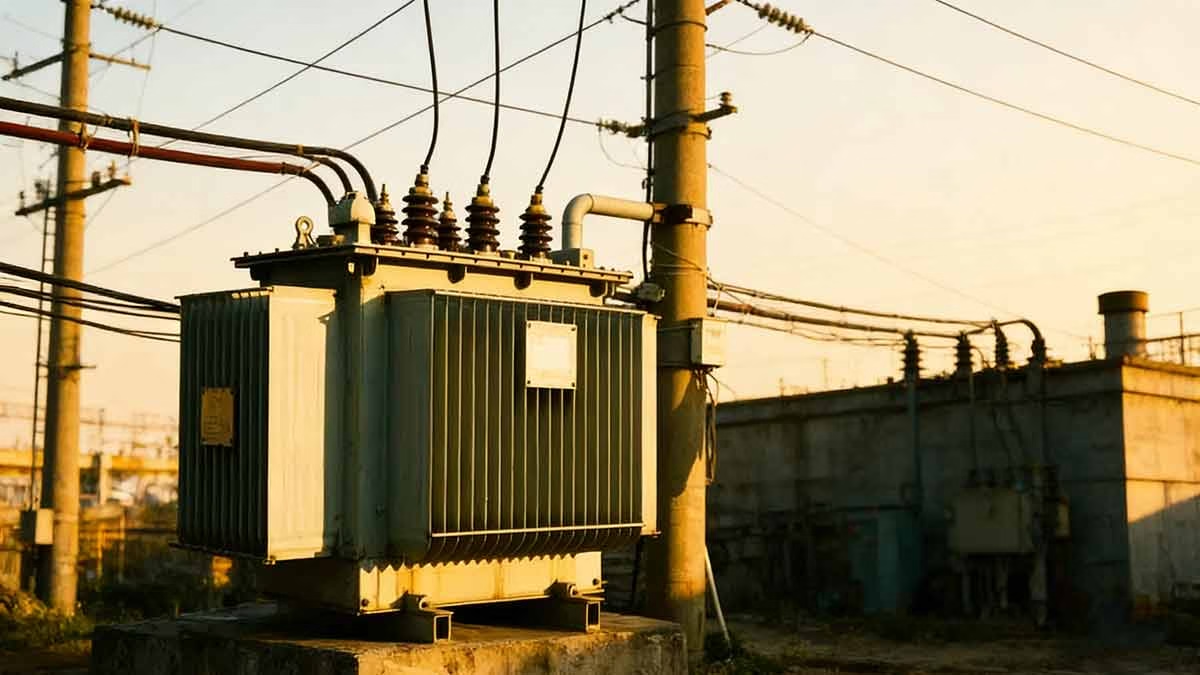
Power Transformer Oil Thermal Expansion: Science Behind the Bubble Effect
For maintenance teams that have navigated multiple summer maintenance seasons, the Bubble Effect is a familiar yet often misunderstood challenge. To address it effectively, it is essential to break down the three core mechanisms that drive this phenomenon:
- Thermal Expansion of Power Transformer OilPower transformer oil is a hydrocarbon-based fluid whose volume increases with rising temperatures—a basic physical property that has significant implications for transformer operation. As summer temperatures soar, the oil inside the transformer absorbs heat from both the external environment and internal load-generated heat. This causes the oil to expand, increasing the pressure inside the transformer tank. In transformers equipped with conservator tanks, the expanded oil flows into the conservator, which is designed to accommodate volume changes. However, when temperatures rise rapidly, the expansion can outpace the conservator’s capacity to adjust, leading to temporary pressure spikes.
- Reduced Gas Solubility in High TemperaturesPower transformer oil naturally contains dissolved gases, such as nitrogen, oxygen, and trace amounts of fault-generated gases (e.g., methane, ethane). The solubility of these gases in oil decreases as the temperature rises. During heatwaves, the elevated temperature forces dissolved gases out of the oil, forming small bubbles. These bubbles rise to the top of the transformer tank and conservator, displacing oil and causing the oil level gauge or sensor to register a false low reading. The effect is similar to shaking a carbonated drink—rising temperature releases dissolved gas, creating foam that takes up space.
- Moisture VaporizationEven trace amounts of moisture in power transformer oil can contribute to the Bubble Effect. High summer temperatures cause this moisture to vaporize, forming water vapor bubbles that further displace oil. Moisture ingress is a common issue in transformers, often resulting from faulty gaskets, improper maintenance, or condensation in conservator tanks. During heatwaves, this moisture vaporizes rapidly, exacerbating the false low-level readings caused by thermal expansion and gas release.
The following table outlines the approximate volume change of power transformer oil in response to temperature fluctuations, based on industry-standard mineral oil properties:
| Temperature Increase | Approximate Oil Volume Expansion | Impact on Level Readings |
|---|---|---|
| 10°C (18°F) | 0.7% | Minor, barely detectable shift |
| 20°C (36°F) | 1.4% | Noticeable level drop in the conservator |
| 30°C (54°F) | 2.1% | Significant false low-level reading |
Note: These values are approximate and can vary based on oil type (mineral vs. synthetic), age, and contamination levels.
A notable case study illustrates the cost of misunderstanding the Bubble Effect: A utility company servicing rural power grids consistently topped up transformer oil during summer heatwaves, responding to what they thought were genuine oil shortages. Over three years, this practice led to overfilling in more than 50 transformers. The excess oil caused pressure buildup, leading to gasket failures and actual oil leaks during temperature cool-downs. After implementing temperature-compensated monitoring systems, the utility eliminated 90% of unnecessary oil top-ups and reduced gasket replacement costs by 65%. This experience underscores the importance of distinguishing between thermal expansion-induced anomalies and real oil loss.
Proven Strategies to Manage the Bubble Effect in Summer
To prevent the Bubble Effect from causing unnecessary alarms and costly maintenance errors, maintenance teams can implement the following targeted strategies:
- Temperature-Compensated Monitoring SystemsInstall advanced monitoring systems that automatically adjust oil level readings based on real-time temperature data. These systems use the formula:
Compensated Oil Volume = Measured Volume / (1 + β × (T – T_ref))Where:
- β = Volumetric expansion coefficient of the transformer oil (typically 0.0007 per °C for mineral oil)
- T = Current transformer oil temperature
- T_ref = Reference temperature (usually 20°C, the standard calibration temperature for oil level sensors)
This compensation eliminates the impact of thermal expansion on level readings, providing an accurate picture of the actual oil volume.
- Data-Driven Trend AnalysisEstablish baseline oil level readings for transformers at various temperatures during normal operation. Track these readings over multiple seasons to create a temperature-oil level correlation curve. During heatwaves, compare real-time readings to this curve to determine if the level drop is within the expected range for the current temperature. This historical data provides a reliable reference point to distinguish between normal thermal expansion and genuine oil loss.
- Proactive Dissolved Gas Analysis (DGA)Conduct regular DGA tests during the summer months to monitor gas levels in the transformer oil. Elevated levels of dissolved gases during heatwaves are a normal part of the Bubble Effect, but a sudden spike in fault-related gases (e.g., acetylene, hydrogen) indicates a genuine issue. DGA data helps maintenance teams separate normal seasonal changes from signs of internal transformer faults.
- Optimized Conservator Tank MaintenanceInspect and maintain conservator tanks before the start of summer to ensure they are functioning correctly. Clean the conservator’s breather system to prevent clogging, which can impede the tank’s ability to accommodate oil volume changes. For transformers with nitrogen-blanketed conservators, adjust nitrogen pressure settings to match summer temperature conditions, preventing pressure buildup and gas release.
- Targeted Cooling System UpgradesFor transformers located in regions with extreme summer heat, upgrade cooling systems to maintain stable oil temperatures. Options include installing additional radiators, upgrading to forced-air cooling systems, or implementing shade structures to reduce direct sunlight exposure. Keeping oil temperatures within the manufacturer’s recommended range minimizes thermal expansion and gas release.
Summer Power Transformer Oil Management Best Practices
- Establish Seasonal Baselines: Record oil levels and temperatures weekly during the first month of summer to create a reference dataset for the season.
- Adjust Alarm Thresholds: Widen oil level alarm margins by 2–3% during summer months to account for thermal expansion, reducing false alerts.
- Train Maintenance Teams: Educate technicians about the Bubble Effect, providing clear guidelines on distinguishing between thermal anomalies and real oil loss (e.g., checking for visible leaks, cross-referencing with DGA data).
- Schedule Off-Season Maintenance: Conduct major maintenance work, such as oil replacement or gasket changes, during cooler months to avoid interfering with summer monitoring efforts.
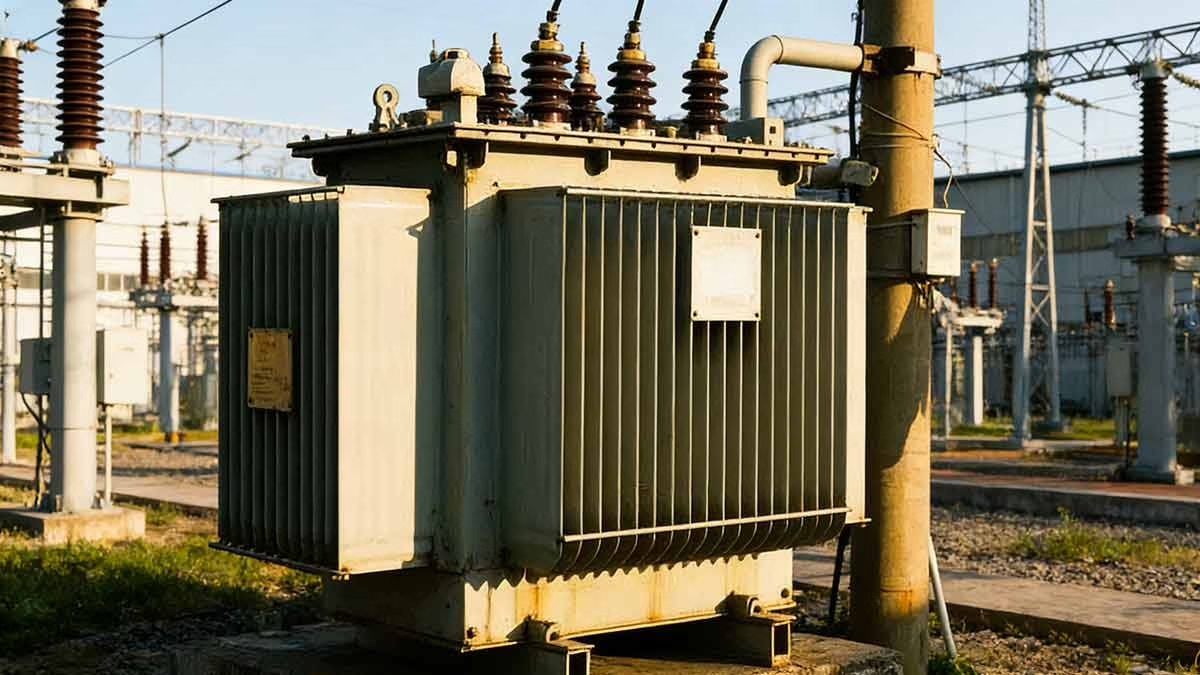
The Bubble Effect is a natural, predictable phenomenon that can be managed effectively with the right knowledge and tools. By implementing temperature-compensated monitoring, leveraging historical trend data, and conducting proactive maintenance, maintenance teams can avoid the pitfalls of unnecessary oil top-ups and ensure their transformers operate safely and efficiently—even during the hottest summer days.
Infrared vs. Ultrasonic Technology: Which Tools Deliver the Best Power Transformer Oil Leak Detection?
Are you tired of chasing elusive power transformer oil leaks that seem to disappear when you try to locate them? Leaks are one of the most persistent and costly issues facing transformer maintenance teams, as even small seepages can lead to oil loss, environmental contamination, and insulation degradation over time. The choice between infrared and ultrasonic detection technologies can make the difference between quickly pinpointing leaks and wasting hours on fruitless inspections.
Infrared leak detection tools identify oil seepages by detecting temperature differences between the leaking oil and the transformer’s surface, while ultrasonic detectors pick up the high-frequency sound waves emitted by escaping oil molecules. Each technology has unique strengths and limitations, and the most effective leak detection strategy often combines both methods to cover all possible leak scenarios. Below is a detailed comparison of these two technologies, their real-world applications, and best practices for maximizing their effectiveness.
Infrared and Ultrasonic Leak Detection: A Head-to-Head Comparison
Seasoned leak detection specialists who have tracked down hundreds of hidden transformer oil leaks understand that no single tool is universally effective. The performance of infrared and ultrasonic technologies depends on factors such as leak size, location, ambient conditions, and transformer design. Here is a comprehensive breakdown of how these two technologies stack up:
Infrared Leak Detection Technology
Infrared (IR) leak detection relies on thermal imaging cameras to capture the temperature signature of leaking power transformer oil. Transformer oil has a different thermal conductivity than the metal surface of the tank, so when it seeps out, it creates a distinct temperature anomaly that shows up on IR cameras. This technology is particularly effective for detecting leaks in large, outdoor transformers where visual inspections are time-consuming.
Key Advantages:
- Wide-Area Scanning Capability: IR cameras can scan an entire transformer from a distance of 10–20 meters, making them ideal for quick, initial inspections of large facilities with multiple transformers.
- Early Leak Detection: IR technology can identify temperature anomalies caused by micro-leaks before they become visible to the naked eye, allowing maintenance teams to address issues before they escalate.
- Non-Contact Operation: Technicians can operate IR cameras from a safe distance, eliminating the need to climb on transformers or work in confined spaces during initial scans.
Key Limitations:
- Temperature Sensitivity: IR cameras struggle to detect leaks in hot ambient conditions, as the temperature difference between the oil and the transformer surface becomes minimal. They perform best in cool, overcast weather.
- Surface Reflectivity Issues: Shiny metal surfaces on transformers can reflect infrared radiation, obscuring leak signatures and leading to false negatives.
- Higher Equipment Cost: Professional-grade IR thermal imaging cameras are significantly more expensive than ultrasonic detectors, making them a larger upfront investment for maintenance teams.
Ideal Applications:
- Routine large-scale facility inspections to identify potential leak hotspots
- Detecting leaks on transformer tank walls, radiators, and external piping
- Identifying hot spots that may indicate impending leaks (e.g., overheated gaskets)
Ultrasonic Leak Detection Technology
Ultrasonic leak detectors work by picking up the high-frequency sound waves (typically 20–100 kHz) generated when oil seeps out of a transformer under pressure. These sound waves are beyond the range of human hearing, but ultrasonic detectors convert them into audible signals or visual alerts for technicians. This technology excels at pinpointing the exact location of small, pressurized leaks that are difficult to detect with other methods.
Key Advantages:
- Exceptional Sensitivity: Ultrasonic detectors can identify pinhole leaks as small as 0.1 mm, even in noisy industrial environments.
- Ambient Temperature Independence: Unlike IR cameras, ultrasonic detectors perform consistently regardless of ambient temperature, making them ideal for summer inspections.
- Cost-Effective: Handheld ultrasonic detectors are significantly more affordable than IR thermal imaging cameras, making them accessible to small maintenance teams.
Key Limitations:
- Short Detection Range: Technicians must be within 1–2 meters of the leak to detect the ultrasonic signal, requiring close proximity to the transformer.
- Background Noise Interference: High levels of background noise from nearby machinery can mask the sound of small leaks, requiring technicians to use noise-canceling headphones.
- Limited to Pressurized Leaks: Ultrasonic detectors cannot detect slow, non-pressurized seepages where oil does not escape with enough force to generate sound waves.
Ideal Applications:
- Pinpointing the exact location of leaks identified during initial IR scans
- Detecting small, pressurized leaks in valve connections, flange joints, and gasket interfaces
- Inspecting transformers in noisy industrial environments where visual inspections are impractical
The following table provides a side-by-side comparison of the core features of infrared and ultrasonic leak detection technologies:
| Feature | Infrared Technology | Ultrasonic Technology |
|---|---|---|
| Core Detection Principle | The temperature difference between the oil and the transformer surface | High-frequency sound waves from escaping oil |
| Effective Detection Range | Long (10–20 meters) | Short (1–2 meters) |
| Sensitivity Level | Moderate (detects visible and micro-leaks) | Very High (detects pinhole leaks down to 0.1 mm) |
| Optimal Operating Conditions | Cool, overcast weather with low ambient temperature | Any temperature; low background noise preferred |
| Equipment Cost | High (professional cameras cost $5,000–$20,000) | Low (handheld detectors cost $500–$2,000) |
| Skill Requirement | Moderate (training needed to interpret thermal images) | Low to Moderate (intuitive operation with minimal training) |
A compelling case study demonstrates the power of combining these two technologies: A large industrial plant struggled with a mysterious oil loss in a 25MVA transformer for three months. Visual inspections and IR scans failed to identify the leak, as the seepage was located in a hidden welded seam under the transformer’s base. When technicians deployed ultrasonic detectors, they quickly pinpointed the pinhole leak by listening for the characteristic high-frequency sound of oil escaping under pressure. The leak was repaired in a single maintenance window, saving the plant from ongoing oil loss and potential environmental fines. This success highlights that infrared and ultrasonic technologies are complementary, not competitive.
Best Practices for Power Transformer Oil Leak Detection
To maximize the effectiveness of leak detection efforts and minimize transformer downtime, maintenance teams can adopt the following integrated approach:
- Two-Step Inspection Protocol
- Step 1: Broad-Area IR Scan: Begin with an IR thermal imaging scan of the entire transformer and surrounding equipment to identify potential leak hotspots. This initial scan covers large areas quickly and eliminates the need for time-consuming manual inspections of every component.
- Step 2: Ultrasonic Pinpointing: Follow up on identified hotspots with an ultrasonic detector to pinpoint the exact location of the leak. This targeted approach saves time and ensures that no small leaks are missed.
- Regular Inspection Schedules
- Conduct full IR scans of all transformers on a monthly or quarterly basis, depending on their age and operational status.
- Perform ultrasonic inspections of high-risk areas (e.g., gasket joints, valve connections) every two months to catch small leaks before they escalate.
- Thermal Baseline DevelopmentCreate a library of thermal images for each transformer under normal operating conditions. These baseline images provide a reference point to identify temperature anomalies that may indicate leaks, even if the seepage is not yet visible.
- Ultrasonic Technique Refinements
- Use a “gross to fine” scanning approach with ultrasonic detectors: Start with a broad scan of the transformer, then narrow down to specific areas as you detect sound signals.
- Listen for a characteristic rushing or hissing sound that intensifies as you move the detector closer to the leak source.
- In noisy environments, use noise-canceling headphones to filter out background interference and focus on the leak’s ultrasonic signal.
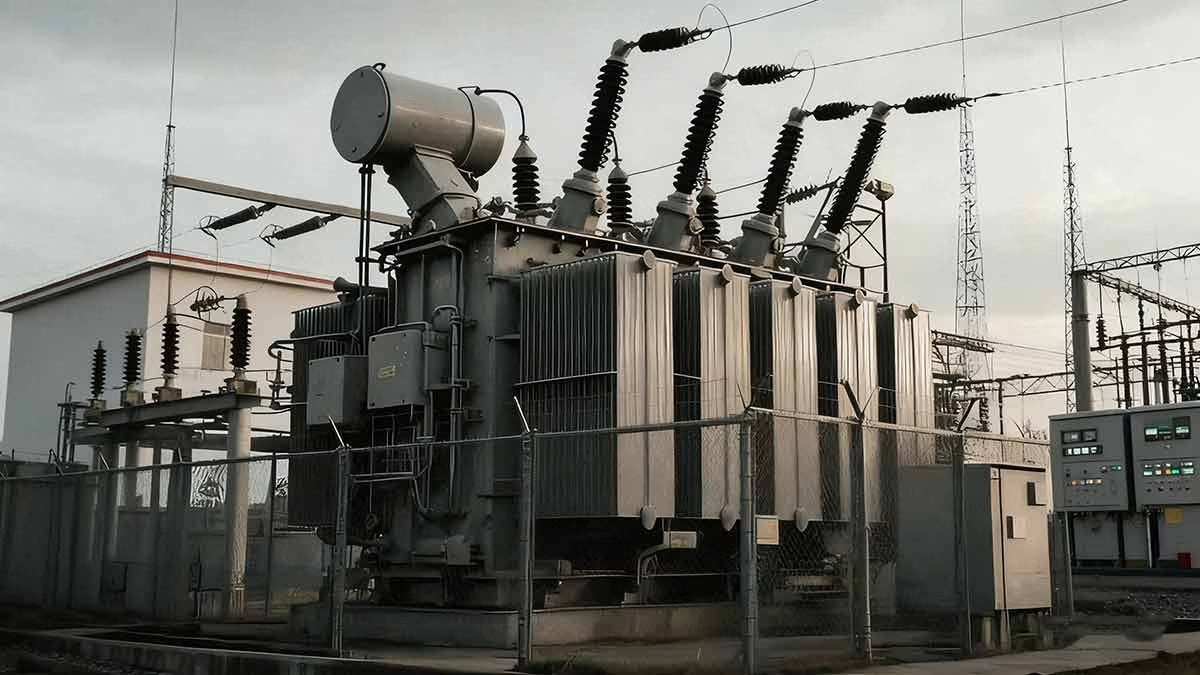
- Environmental Adjustments for IR Scans
- Conduct IR scans during the coolest part of the day (early morning or late evening) to maximize the temperature difference between the oil and the transformer surface.
- Clean shiny metal surfaces before scanning to reduce infrared reflection and improve image clarity.
- Data Integration and Analysis
- Correlate leak detection data with oil level trends, DGA results, and temperature logs to identify patterns (e.g., leaks that worsen under high load conditions).
- Store all inspection data in a centralized database to track leak recurrence and measure the effectiveness of repair work over time.
- Technician Training and Certification
- Ensure technicians are trained to operate both IR and ultrasonic equipment and interpret the data accurately.
- Provide certification for technicians who demonstrate proficiency in thermal image analysis and ultrasonic leak detection, ensuring consistent inspection quality.
The debate over infrared vs. ultrasonic leak detection is not a question of which technology is better—it is about how to use both tools in a complementary way to achieve comprehensive leak coverage. By combining the broad-area scanning capability of infrared technology with the pinpoint accuracy of ultrasonic detectors, maintenance teams can detect and repair leaks quickly, reduce transformer downtime, and extend the operational life of their power equipment.
Conclusion
Effective power transformer oil management is the cornerstone of maintaining reliable, efficient power distribution systems. The five fluctuation patterns explored in this guide—abrupt oil level drops, misleading sensor readings, the summer Bubble Effect, hidden oil leaks, and the need for advanced monitoring—represent the most common and high-risk challenges facing maintenance teams today. By understanding the root causes of these patterns and implementing the practical, field-tested solutions outlined above, facility managers can avoid costly transformer failures, minimize unplanned downtime, and protect their investments in critical power infrastructure.
The key takeaway from this guide is that proactive maintenance and data-driven decision-making are far more effective than reactive repairs. Regular monitoring, temperature-compensated sensor systems, integrated leak detection protocols, and technician training are the pillars of a successful transformer oil management strategy. Whether you are dealing with a sudden oil level drop in a critical transformer or a deceptive Bubble Effect during a summer heatwave, the insights in this guide provide the knowledge and tools to address the issue quickly and confidently.
In an era where power reliability is more important than ever, prioritizing power transformer oil health is not just a maintenance task—it is a strategic imperative. By staying vigilant, leveraging the right technologies, and learning from real-world experience, maintenance teams can ensure that their transformers operate at peak performance for years to come.