
Many people often wonder about the large, humming electrical devices that form the backbone of our energy infrastructure—so, let’s start with the most fundamental question: What is a power transformer? This in-depth guide is designed to unravel all aspects of power transformers, from their basic definition and core components to operational principles, diverse types, efficiency optimization, maintenance protocols, and cutting-edge technological trends. Whether you’re an industry professional, a facility manager, or simply someone seeking to understand the technology that powers our daily lives, this guide offers authoritative, easy-to-understand insights backed by practical experience and industry expertise.
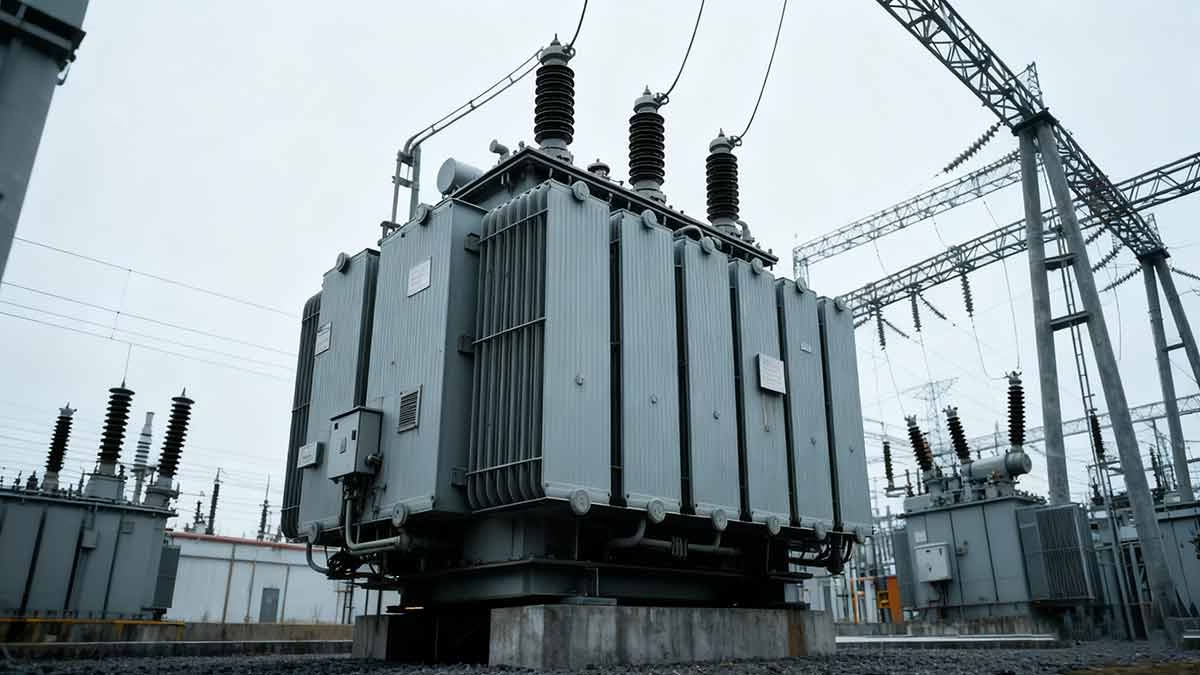
Power transformers are indispensable in modern electrical systems, enabling the safe and efficient transmission and distribution of electrical energy across vast distances. Without them, the high-voltage electricity generated at power plants would be impossible to deliver to homes, businesses, and industrial facilities at usable voltage levels. As someone with decades of hands-on experience in the transformer industry, I’ve witnessed firsthand how these devices impact energy reliability, operational costs, and environmental sustainability. Let’s dive deep into the world of power transformers to answer all your pressing questions.
Contents
hide
What is a Power Transformer? Essential Components Unveiled
If you’ve ever driven past an electrical substation and noticed those large, cylindrical or rectangular units, you’ve seen power transformers in action. But what exactly is a power transformer, and what makes it work? At its core, a power transformer is an electrical apparatus that transfers electrical energy between two or more circuits through the principle of electromagnetic induction, without any direct electrical connection between the circuits. Its primary function is to adjust voltage levels—either stepping them up for long-distance transmission or stepping them down for safe end-use—while maintaining the overall power balance (minus minimal energy losses).
To fully grasp what a power transformer is, it’s critical to understand its key components, each of which plays a vital role in its performance, efficiency, and longevity. Let’s break down these essential parts with a focus on their design, materials, and functionality:
Iron Core: The Magnetic Heart of the Power Transformer
The iron core is often referred to as the “heart” of a power transformer, as it serves as the path for magnetic flux and concentrates the magnetic field generated by the windings. Without a properly designed core, the transformer would suffer from excessive energy losses and poor efficiency.
Key characteristics of iron cores include:
- Purpose: Facilitates the transfer of magnetic energy between the primary and secondary windings, ensuring efficient electromagnetic induction. By concentrating the magnetic field, the core minimizes flux leakage, which would otherwise waste energy.
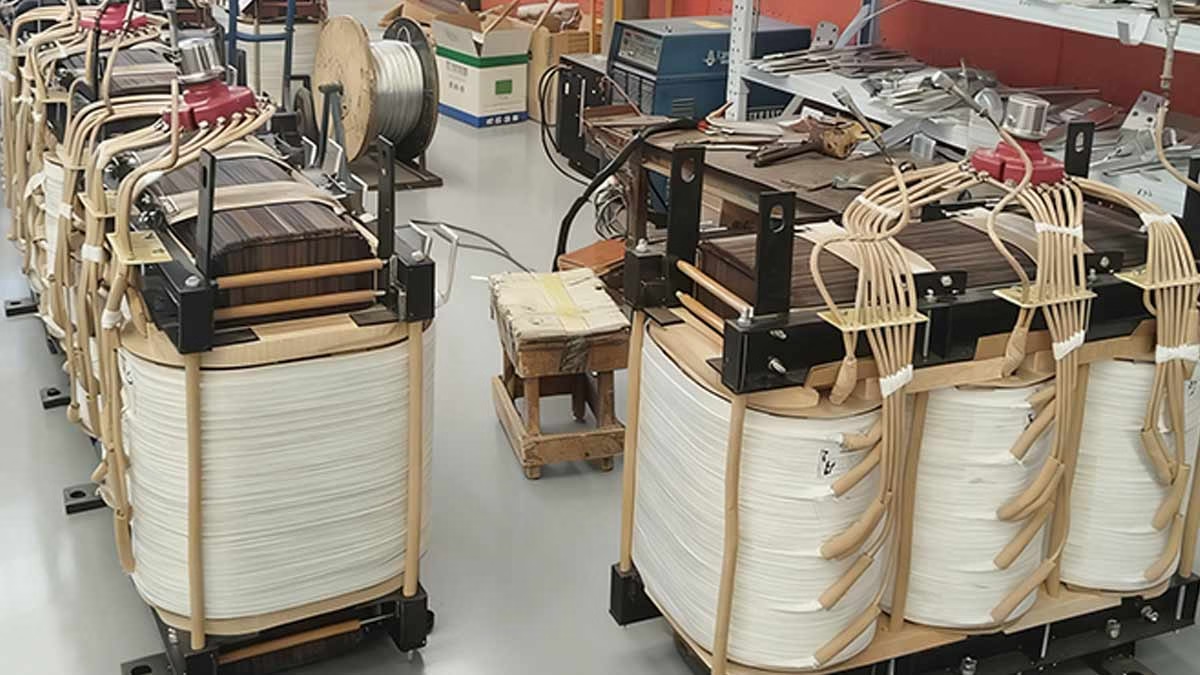
- Construction: Most modern power transformer cores are made of thin laminations of silicon steel (also known as electrical steel). These laminations are coated with an insulating layer to reduce eddy current losses—circular currents that form within the core material due to the changing magnetic field, generating heat and wasting energy.
- Common Types: There are two primary core designs: core-type and shell-type. Core-type cores have windings wrapped around the core legs, making them suitable for high-voltage applications. Shell-type cores, on the other hand, surround the windings, offering better mechanical strength and lower flux leakage, making them ideal for low-voltage, high-current scenarios.

In recent years, advanced core materials like amorphous metal have gained popularity. Amorphous metal cores offer significantly lower core losses (up to 70% less than traditional silicon steel) but come with a higher initial cost. They are particularly useful in applications where energy efficiency is a top priority, such as renewable energy projects.
Windings: The Conductive Pathways of Electrical Energy
Windings are the conductive coils that carry electrical current and are responsible for generating and receiving the magnetic field. Every power transformer has at least two windings: the primary winding and the secondary winding.
Key details about windings:
- Primary Winding: This winding receives electrical energy from the input source (e.g., a power plant or transmission line). When alternating current (AC) flows through the primary winding, it creates a changing magnetic field in the iron core.
- Secondary Winding: This winding is inductively coupled to the primary winding via the magnetic field. The changing magnetic field from the primary winding induces a voltage in the secondary winding, which then delivers electrical energy to the output circuit (e.g., a distribution line or industrial load).
- Materials & Insulation: Windings are typically made of copper or aluminum. Copper offers better conductivity and lower resistive losses but is more expensive, while aluminum is a cost-effective alternative with slightly higher losses. Both materials are insulated with high-quality materials (such as paper, polymer films, or enamel) to prevent short circuits between turns or between windings and the core.

The number of turns in each winding determines the voltage transformation ratio. For example, a step-up transformer has more turns in the secondary winding than the primary, while a step-down transformer has fewer turns in the secondary.
Insulation System: Safeguarding Efficiency and Safety
The insulation system is a critical component that prevents electrical breakdown and ensures the safe and efficient operation of the power transformer. It separates conductive parts (windings, core, leads) from each other and from the transformer’s tank or frame.
Common insulation types used in power transformers:
- Oil Insulation: Used in oil-filled transformers, insulating oil serves dual purposes: it provides electrical insulation and dissipates heat (cooling). High-quality transformer oil has excellent dielectric strength, thermal conductivity, and chemical stability. Modern eco-friendly options include biodegradable vegetable-based oils, which reduce environmental risks in case of leaks.
- Solid Insulation: This includes materials like kraft paper, pressboard, and polymer composites. Solid insulation is used to wrap windings, separate core laminations, and insulate leads. It is often impregnated with oil or resin to enhance its dielectric properties and moisture resistance.
- Gas Insulation: Primarily used in dry-type transformers and some high-voltage applications, gases like sulfur hexafluoride (SF₆) or nitrogen provide electrical insulation. SF₆ is highly effective for high-voltage applications due to its excellent dielectric strength and arc-quenching properties.
Cooling System: Maintaining Optimal Operating Temperatures
Power transformers generate heat during operation (due to core losses and copper losses). If this heat is not dissipated effectively, it can damage the insulation, reduce efficiency, and shorten the transformer’s lifespan. Cooling systems are designed to keep the transformer operating within safe temperature limits.
Common cooling systems for power transformers:
- Oil-Based Cooling: Used in oil-filled transformers, this includes natural oil circulation (ONAN: Oil Natural, Air Natural) and forced oil circulation (OFAF: Oil Forced, Air Forced). ONAN relies on natural convection of oil and air, making it suitable for small to medium-sized transformers. OFAF uses pumps to circulate oil and fans to cool the radiators, enabling higher heat dissipation for larger transformers.
- Air Cooling: Typical in dry-type transformers, air cooling can be natural (AN) or forced (AF). Natural air cooling uses convection to dissipate heat, while forced air cooling uses fans to blow air over the windings and core. Dry-type transformers with forced air cooling can handle higher loads temporarily.
- Water Cooling: Reserved for very large power transformers (e.g., those used in power plants or industrial complexes), water cooling uses water as a coolant. The water circulates through coils or heat exchangers, absorbing heat from the transformer oil or windings. This system offers high heat dissipation efficiency but requires additional infrastructure (water supply, treatment) to prevent corrosion and scaling.
I once worked on a retrofitting project for a 40-year-old substation transformer. When we opened the unit, we were impressed by how well the core and windings were preserved—all thanks to the original insulation system and cooling design. This experience highlighted the importance of high-quality components in ensuring the long-term durability of power transformers.
How Do Power Transformers Work? Exploring Electromagnetic Induction for Power Transformer
Now that we understand the core components of a power transformer, let’s answer another key question: How do power transformers work? The operation of all power transformers is based on the fundamental principle of electromagnetic induction, first discovered by Michael Faraday in the 19th century. While the science behind it may seem complex, we can break it down into simple, easy-to-understand steps.
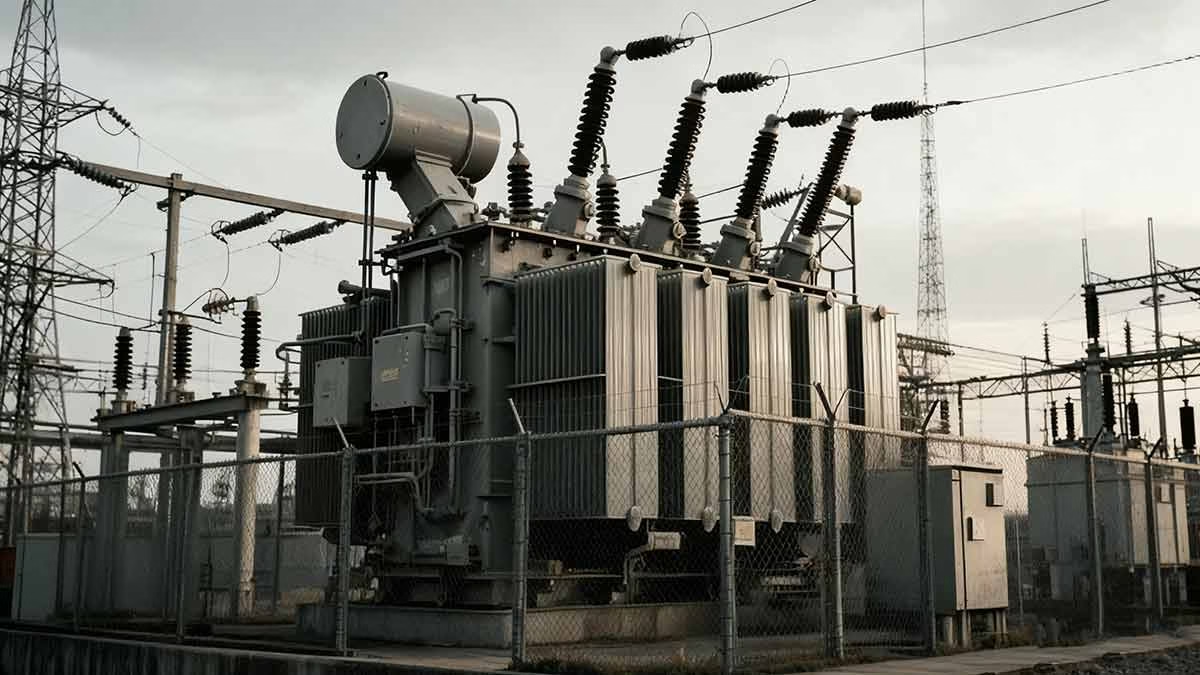
At its simplest, a power transformer works by converting electrical energy into magnetic energy and then back into electrical energy, with the ability to adjust voltage levels in the process. Let’s walk through the step-by-step operation:
The Basic Operational Process of a Power Transformer
- Input Current Creates a Magnetic Field: When alternating current (AC) is supplied to the primary winding, it produces a changing magnetic field around the winding. Unlike direct current (DC), AC changes direction periodically (typically 50 or 60 times per second in power systems), which causes the magnetic field to expand and collapse continuously.
- Magnetic Field Concentrates in the Core: The iron core of the transformer acts as a pathway for this changing magnetic field, concentrating it and minimizing leakage. This ensures that most of the magnetic flux links with the secondary winding.
- Induced Voltage in the Secondary Winding: As the changing magnetic field cuts through the turns of the secondary winding, it induces an electromotive force (EMF) or voltage in the secondary winding. This is Faraday’s Law of Electromagnetic Induction in action: the magnitude of the induced voltage is proportional to the rate of change of the magnetic flux and the number of turns in the secondary winding.
- Electrical Energy is Transferred to the Load: The induced voltage in the secondary winding drives an alternating current through the secondary circuit, delivering electrical energy to the connected load (e.g., homes, factories, or commercial buildings). The power transferred is nearly the same as the input power (minus small losses from core and copper heating).
Key Electromagnetic Principles Governing Power Transformer Operation
Three core electromagnetic principles are essential to understanding how power transformers work:
Principle | Description | Application in Power Transformers |
|---|---|---|
Faraday’s Law | A changing magnetic field through a coil of wire induces a voltage in the coil. The induced voltage is proportional to the number of turns in the coil and the rate of change of the magnetic flux. | Forms the basis of voltage induction in the secondary winding. Determines the voltage transformation ratio between primary and secondary windings. |
Ampère’s Law | The magnetic field around a current-carrying conductor is proportional to the current flowing through the conductor. | Explains how the primary current generates the magnetic field in the core. Helps in designing the core and windings to handle specific current levels. |
Lenz’s Law | The induced current in a coil flows in a direction that opposes the change in magnetic flux that induced it. | Ensures that the power balance is maintained between the primary and secondary circuits. Prevents sudden voltage spikes and stabilizes the transformer’s operation. |
Voltage Transformation Ratio: Step-Up vs. Step-Down Power Transformer
The most critical feature of a power transformer is its ability to adjust voltage levels, which is determined by the turns ratio between the primary and secondary windings. The turns ratio is the ratio of the number of turns in the primary winding (Np) to the number of turns in the secondary winding (Ns).
The voltage transformation ratio follows this formula:
Vp / Vs = Np / Ns
Where: Vp = Primary voltage, Vs = Secondary voltage, Np = Number of primary turns, Ns = Number of secondary turns
This formula leads to two primary types of power transformers based on voltage adjustment:
- Step-Up Power Transformer: When the secondary winding has more turns than the primary (Ns > Np), the secondary voltage is higher than the primary voltage (Vs > Vp). Step-up transformers are used at power plants to increase the voltage of generated electricity (from around 11 kV to 220 kV or higher) for long-distance transmission. Higher voltage reduces current, which minimizes power losses (I²R losses) in the transmission lines.
- Step-Down Power Transformer: When the secondary winding has fewer turns than the primary (Ns < Np), the secondary voltage is lower than the primary voltage (Vs < Vp). Step-down transformers are used at substations near populated areas or industrial facilities to reduce high transmission voltages to usable levels (e.g., 220 kV to 11 kV, then 11 kV to 415 V for commercial/industrial use or 230 V for residential use).
To explain this to non-technical stakeholders in a past project, I used a bicycle gear analogy: a small gear (primary winding with few turns) connected to a large gear (secondary winding with many turns) acts like a step-up transformer, increasing “voltage” (torque) but decreasing “current” (speed). Conversely, a large gear connected to a small gear acts like a step-down transformer, decreasing torque but increasing speed. This visual analogy helped them quickly grasp the core concept of voltage transformation.
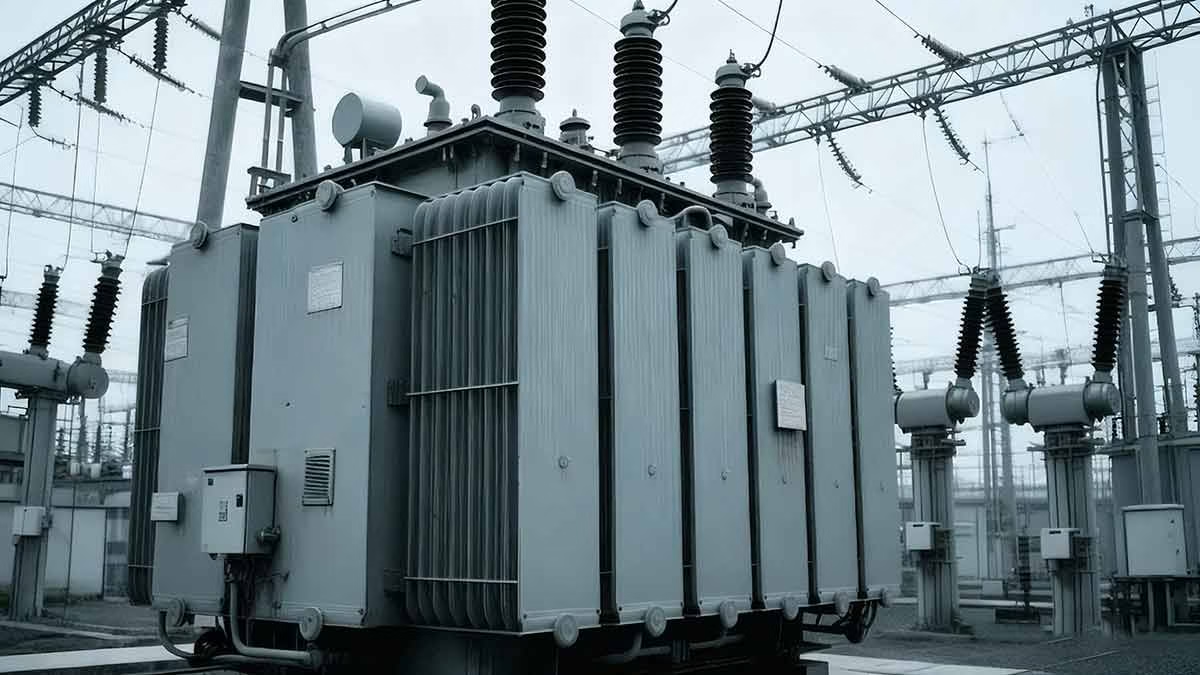
Practical Considerations for Power Transformer Operation
While the basic principles of power transformer operation are straightforward, real-world performance is influenced by several practical factors:
- Energy Losses: No power transformer is 100% efficient. The main losses are core losses (hysteresis and eddy current losses) and copper losses (resistive losses in the windings). Core losses are constant regardless of load, while copper losses increase with the square of the current (I²R). Manufacturers design transformers to minimize these losses through advanced materials and optimized winding designs.
- Frequency Dependence: Power transformers are designed for specific AC frequencies (typically 50 Hz in Europe, Asia, and Africa; 60 Hz in North America and parts of Asia). Operating a transformer at a frequency outside its design range can lead to excessive heating, reduced efficiency, and premature failure.
- Load Characteristics: The performance of a power transformer varies based on the type of load it supplies. Resistive loads (e.g., heaters, incandescent lights) draw current in phase with voltage, while inductive loads (e.g., motors, pumps) draw lagging current and capacitive loads (e.g., capacitors, power electronics) draw leading current. Transformers must be sized to handle the total apparent power (kVA) of the load, including any reactive power components.
Different Types of Power Transformer: Which One Suits Your Application?
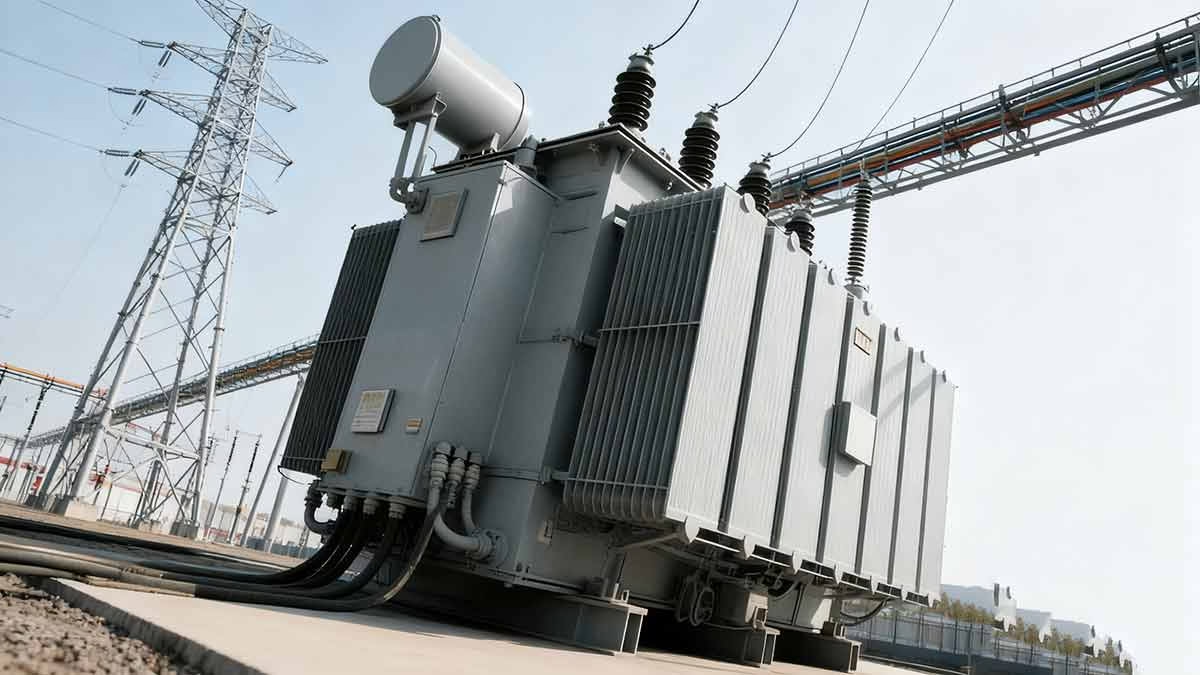
When asking “what is a power transformer,” it’s important to recognize that not all power transformers are the same. There are several distinct types of power transformers, each designed to meet specific application requirements, voltage levels, and system configurations. Choosing the right type of power transformer is critical for ensuring efficiency, reliability, and cost-effectiveness. Let’s explore the most common types and their key applications:
Step-Up Power Transformer
As we touched on earlier, step-up power transformers are designed to increase voltage levels from the primary to the secondary winding. Their primary application is at power generation facilities (thermal, hydro, nuclear, or renewable energy plants) where electricity is generated at relatively low voltages (11 kV to 33 kV). Step-up transformers boost this voltage to high levels (132 kV, 220 kV, 400 kV, or higher) for long-distance transmission. By increasing voltage, the current is reduced, minimizing energy losses in the transmission lines and making long-distance power delivery economically feasible.
Key features of step-up power transformers: Higher number of turns in the secondary winding, robust insulation to handle high voltages, and efficient cooling systems to manage the heat generated during high-power transmission.

Step-Down Power Transformer
Step-down power transformers are the opposite of step-up transformers—they reduce high transmission voltages to lower, usable levels for distribution and end-use. They are commonly installed at substations, industrial facilities, commercial buildings, and residential areas. For example, a step-down transformer might reduce 220 kV transmission voltage to 11 kV for local distribution, then another step-down transformer might further reduce 11 kV to 415 V for industrial machinery or 230 V for household appliances.
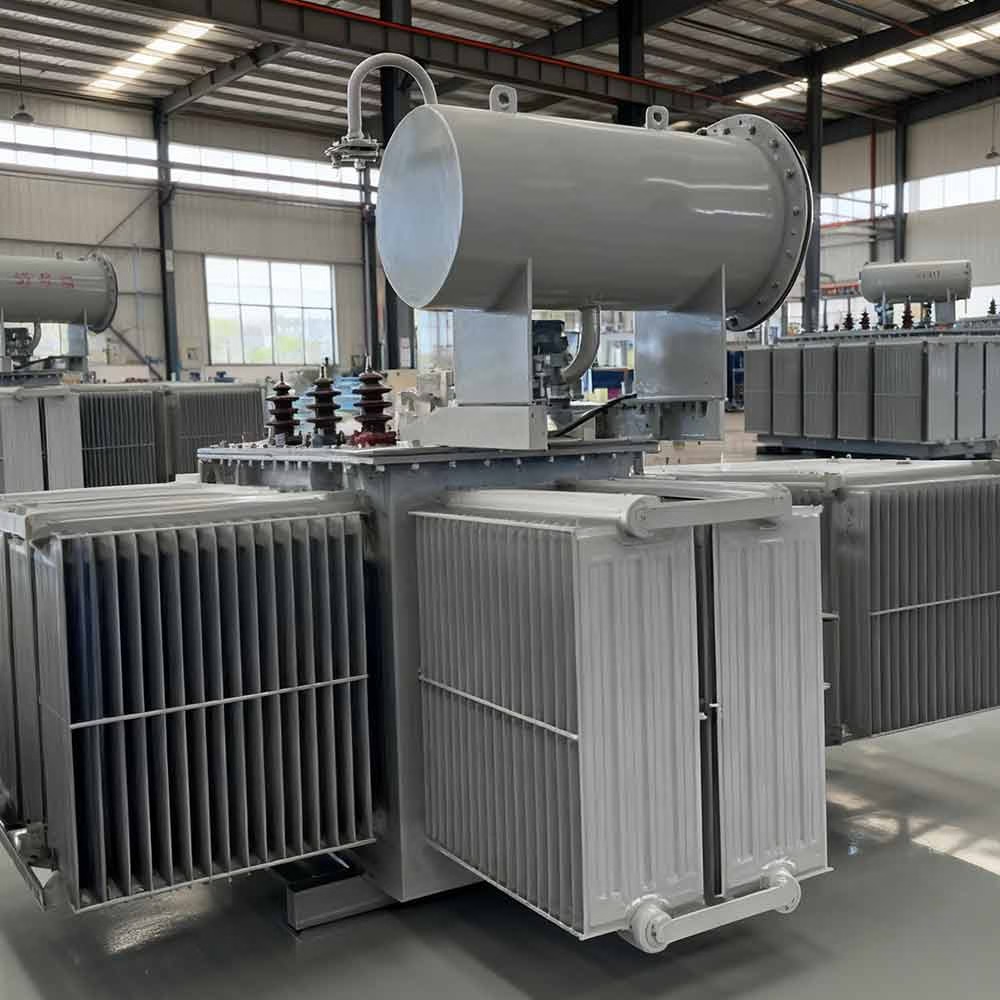
Key features of step-down power transformers: Fewer turns in the secondary winding, multiple tap points to adjust voltage levels (accommodating variations in load or input voltage), and compact designs for indoor or outdoor installation.
Isolation Power Transformer
Isolation power transformers are designed to provide electrical isolation between the primary and secondary circuits, meaning there is no direct electrical connection between the two windings. They have a 1:1 turns ratio (so voltage levels remain the same), but their primary function is to protect sensitive equipment from voltage spikes, ground loops, and electrical noise.
Applications of isolation power transformers include medical facilities (where patient safety requires isolation from the main power grid), laboratories (protecting sensitive test equipment), industrial control systems (preventing noise interference), and audio/video equipment (reducing hum and distortion). Isolation transformers also help in situations where the load requires a separate ground reference from the source.
Auto Transformer
Unlike traditional transformers with separate primary and secondary windings, auto transformers use a single winding that acts as both primary and secondary. A portion of the winding is shared between the input and output circuits, making auto transformers more efficient and compact than equivalent two-winding transformers. They are used for voltage adjustment (e.g., boosting or reducing voltage by a small percentage) rather than large voltage transformations.
Common applications of auto transformers include voltage regulators (maintaining stable voltage for sensitive equipment), motor starting (reducing inrush current when starting large motors), and electrical distribution systems where small voltage adjustments are needed (e.g., compensating for voltage drops in long distribution lines). Auto transformers are also used in traction systems (e.g., trains) and industrial processes that require variable voltage.
Instrument Power Transformer
Instrument power transformers are specialized transformers used to measure high voltages or currents safely and accurately. They are not designed to transfer power to loads but rather to provide low-voltage, low-current signals that can be measured by standard instruments (e.g., voltmeters, ammeters, or protective relays).
There are two main types of instrument power transformers:
- Current Transformer (CT): Converts high primary current (e.g., hundreds or thousands of amps) into a low, standardized secondary current (typically 1 A or 5 A). CTs are used in metering systems to measure power consumption and in protective relays to detect overcurrent conditions (e.g., short circuits) and trigger circuit breakers.
- Voltage Transformer (VT) or Potential Transformer (PT): Converts high primary voltage (e.g., 11 kV, 33 kV) into a low, standardized secondary voltage (typically 110 V or 220 V). VTs are used in metering systems to measure voltage and in protective relays to detect overvoltage or undervoltage conditions.
Instrument power transformers are critical for the safe operation of power systems, as they allow operators to monitor and protect high-voltage/current circuits without direct exposure to dangerous levels of electricity.
Rectifier Power Transformer
Rectifier power transformers are designed to supply power to rectifier circuits, which convert alternating current (AC) to direct current (DC). They are optimized to handle the harmonic currents generated by rectifiers, which can cause additional heating and reduce efficiency in standard transformers.
Applications of rectifier power transformers include industrial electroplating, battery charging systems, DC motor drives, electrochemical processes (e.g., aluminum smelting), and power supplies for electronic equipment. Rectifier transformers often have specialized winding designs and insulation systems to withstand the stress of harmonic currents and DC components.
Phase-Shifting Power Transformer
Phase-shifting power transformers are advanced transformers used to control the flow of power in electrical grids. They adjust the phase angle between the input and output voltage, which allows grid operators to redirect power flow, balance loads, and improve grid stability. Phase-shifting transformers are particularly useful in interconnected power grids where power flow needs to be controlled to avoid overloading transmission lines or to integrate renewable energy sources (which have variable output).
Key applications include cross-border power interconnections, large industrial complexes with multiple power sources, and grids with high penetration of wind or solar energy. Phase-shifting transformers are complex, high-cost devices, but they play a critical role in ensuring the reliability of modern power systems.
In one memorable project, we were tasked with upgrading a substation for a growing industrial park. Initially, the client considered a standard step-down transformer, but after analyzing the grid’s power flow patterns and future expansion plans, we recommended a phase-shifting transformer. This decision allowed the client to better manage power distribution across their facility, reduce transmission line losses, and improve overall grid stability—proving that choosing the right type of power transformer requires a deep understanding of both current and future needs.
Power Transformer Efficiency: Strategies to Reduce Energy Losses and Costs
A key aspect of understanding “what is a power transformer” is recognizing the importance of efficiency. Power transformer efficiency refers to the ratio of output power (in watts) to input power (in watts), expressed as a percentage. Higher efficiency means lower energy losses, which translates to reduced operational costs and a smaller environmental footprint. For many businesses and utilities, inefficient transformers can lead to significant energy waste and unnecessary expenses. Let’s explore proven strategies to improve power transformer efficiency, along with a detailed cost-benefit analysis.
Key Sources of Energy Loss in Power Transformers
Before diving into efficiency improvement strategies, it’s important to understand the two main types of energy losses in power transformers:
- Core Losses (Iron Losses): These losses occur in the transformer’s iron core and are caused by hysteresis and eddy currents. Hysteresis loss is the energy wasted as the magnetic field reverses direction (due to AC current), while eddy current loss is the energy wasted as circular currents flow through the core laminations. Core losses are constant regardless of the load (as long as the input voltage and frequency are constant).
- Copper Losses (Load Losses): These losses occur in the transformer’s windings and are caused by the resistance of the copper or aluminum conductors. Copper losses are proportional to the square of the load current (I²R), so they increase as the load increases. At full load, copper losses are typically the largest source of energy loss in a transformer.
Total transformer losses are the sum of core losses and copper losses. Improving efficiency requires reducing one or both types of losses.
Proven Strategies to Improve Power Transformer Efficiency
Here are five effective strategies to reduce energy losses in power transformers, along with implementation details and cost-benefit analysis:
1. Upgrade to High-Grade Core Materials
The most effective way to reduce core losses is to use advanced core materials. Traditional silicon steel cores can be replaced with high-grade silicon steel (with lower iron content) or amorphous metal cores.
- Implementation: Replace the existing core with a core made of high-grade silicon steel or amorphous metal. Amorphous metal cores are made by cooling molten metal rapidly (quenching), creating a non-crystalline structure that has significantly lower hysteresis and eddy current losses.
- Cost: High-grade silicon steel cores have a moderate initial cost increase (10-20% compared to standard cores), while amorphous metal cores have a higher initial cost (30-50% more than standard cores).
- Energy Savings: High-grade silicon steel can reduce core losses by 20-30%, while amorphous metal can reduce core losses by 60-70%.
- Payback Period: For amorphous metal cores, the payback period typically ranges from 3-5 years (depending on energy costs and load factors). For high-grade silicon steel, the payback period is 2-3 years.
2. Optimize Winding Design to Minimize Copper Losses
Reducing copper losses involves minimizing the resistance of the windings. This can be achieved by using larger conductor cross-sections, parallel conductors, or high-conductivity materials.
- Implementation: Increase the cross-sectional area of the winding conductors (reducing resistance), use parallel conductors for high-current windings (spreading the current and reducing I²R losses), or replace aluminum windings with copper (which has 60% higher conductivity than aluminum).
- Cost: Larger conductors or parallel conductors have a moderate cost increase (15-25%), while copper windings are 30-40% more expensive than aluminum windings.
- Energy Savings: Larger conductors or parallel conductors can reduce copper losses by 15-20%, while copper windings can reduce copper losses by 25-30% (compared to aluminum).
- Payback Period: 2-4 years, depending on the load factor and energy costs. Copper windings have a longer payback period but offer better long-term durability.
3. Upgrade Cooling Systems for Enhanced Heat Dissipation
Efficient cooling systems help maintain optimal operating temperatures, which reduces thermal stress on the insulation and minimizes energy losses (heat is a form of energy loss). Upgrading cooling systems can also allow transformers to handle higher loads without increasing losses.
- Implementation: For oil-filled transformers, upgrade from natural oil circulation (ONAN) to forced oil circulation (OFAF) with upgraded radiators or heat exchangers. For dry-type transformers, add forced air cooling fans or upgrade to advanced air-cooled designs. For large transformers, consider water cooling systems.
- Cost: Low to high, depending on the system. Forced air cooling fans cost a few thousand dollars, while OFAF systems cost $10,000-$50,000. Water cooling systems are the most expensive (>$100,000) but are only needed for very large transformers.
- Energy Savings: 5-10% overall efficiency improvement, as cooler operating temperatures reduce resistance in the windings and improve insulation performance.
- Payback Period: 1-3 years for forced air or OFAF upgrades; 4-6 years for water cooling systems (only viable for large, high-load transformers).
4. Use Advanced Insulation Materials
High-quality insulation materials allow for more efficient transformer designs by reducing dielectric losses and enabling closer winding spacing (reducing flux leakage). Advanced insulation materials also have better thermal stability, allowing transformers to operate at higher temperatures without degrading.
- Implementation: Replace traditional paper insulation with advanced materials like aramid paper (e.g., Nomex) or polymer composites. For oil-filled transformers, use high-quality, low-loss insulating oil (e.g., synthetic ester or vegetable-based oil) instead of standard mineral oil.
- Cost: Moderate, with advanced insulation materials costing 20-30% more than traditional materials. High-quality insulating oil costs 15-25% more than mineral oil.
- Energy Savings: Indirect savings by enabling more efficient core and winding designs (reducing core and copper losses by 5-10%). Advanced insulation also extends the transformer’s lifespan, reducing replacement costs.
- Payback Period: 3-6 years, depending on the transformer’s size and load factor.
5. Implement Dynamic Load Management
Many transformers operate at less than full load for much of their lifespan, which reduces efficiency (transformers are most efficient at 70-80% of full load). Dynamic load management involves matching transformer capacity to actual load demand, avoiding overloading or underloading.
- Implementation: Install load monitoring systems to track real-time load levels. Use multiple smaller transformers instead of one large transformer (allowing some transformers to be shut down during low-load periods). Implement tap changers to adjust voltage levels based on load demand.
- Cost: Low to moderate. Load monitoring systems cost $1,000-$5,000, while multiple smaller transformers may have a higher initial cost than one large transformer (but offer better efficiency). Tap changers cost $5,000-$20,000.
- Energy Savings: Up to 15% improvement in overall system efficiency, as transformers operate closer to their optimal load range.
- Payback Period: 1-2 years, making this one of the most cost-effective efficiency strategies.
Cost-Benefit Analysis Example for Power Transformer Efficiency Upgrades
Let’s consider a 1000 kVA oil-filled power transformer operating 24/7 at an average load factor of 70%. The current energy cost is $0.15 per kWh, and the transformer’s current efficiency is 97% (total losses = 30 kW).
Efficiency Upgrade | Implementation Cost | Annual Energy Savings (kWh) | Annual Cost Savings ($) | Payback Period (Years) |
|---|---|---|---|---|
Amorphous Core Upgrade | $15,000 | 219,240 (70% reduction in core losses) | $32,886 | 0.46 |
Copper Winding Upgrade | $5,000 | 73,080 (25% reduction in copper losses) | $10,962 | 0.46 |
OFAF Cooling Upgrade | $3,000 | 21,924 (7% overall loss reduction) | $3,289 | 0.91 |
Advanced Insulation | $4,000 | 14,616 (5% overall loss reduction) | $2,192 | 1.83 |
Load Management System | $2,000 | 43,848 (15% overall loss reduction) | $6,577 | 0.30 |
In this example, the combined implementation cost of all upgrades is $29,000, with total annual savings of $55,806. The overall payback period is just 0.52 years (6.2 months), demonstrating the significant financial benefits of improving power transformer efficiency.
Additional Benefits of Efficient Power Transformers
Beyond cost savings, improving power transformer efficiency offers several other benefits:
- Regulatory Compliance: Many regions (e.g., the EU, USA, China) have implemented minimum efficiency standards for power transformers (e.g., IE3 or IE4 efficiency classes). Upgrading to efficient transformers ensures compliance with these regulations and avoids penalties.
- Environmental Sustainability: Reduced energy losses mean lower carbon emissions, helping organizations meet their sustainability goals and reduce their environmental footprint.
- Extended Lifespan: Efficient transformers operate at lower temperatures, which reduces thermal stress on the insulation and core. This extends the transformer’s lifespan by 10-20%, reducing replacement costs and downtime.
- Improved Reliability: Lower operating temperatures and reduced stress on components minimize the risk of unexpected failures, improving the overall reliability of the power system.
Oil-Filled vs. Dry-Type Power Transformer: A Detailed Comparison
When answering “what is a power transformer,” another common question is: What’s the difference between oil-filled and dry-type power transformers? Both types serve the same basic function (voltage transformation) but use different cooling and insulation systems, making them suitable for different applications. Choosing between oil-filled and dry-type power transformers depends on factors like installation location, voltage level, load capacity, fire safety requirements, and environmental considerations. Let’s compare these two types in detail:
Core Differences: Cooling and Insulation Systems
The primary difference between oil-filled and dry-type power transformers lies in their cooling and insulation systems:
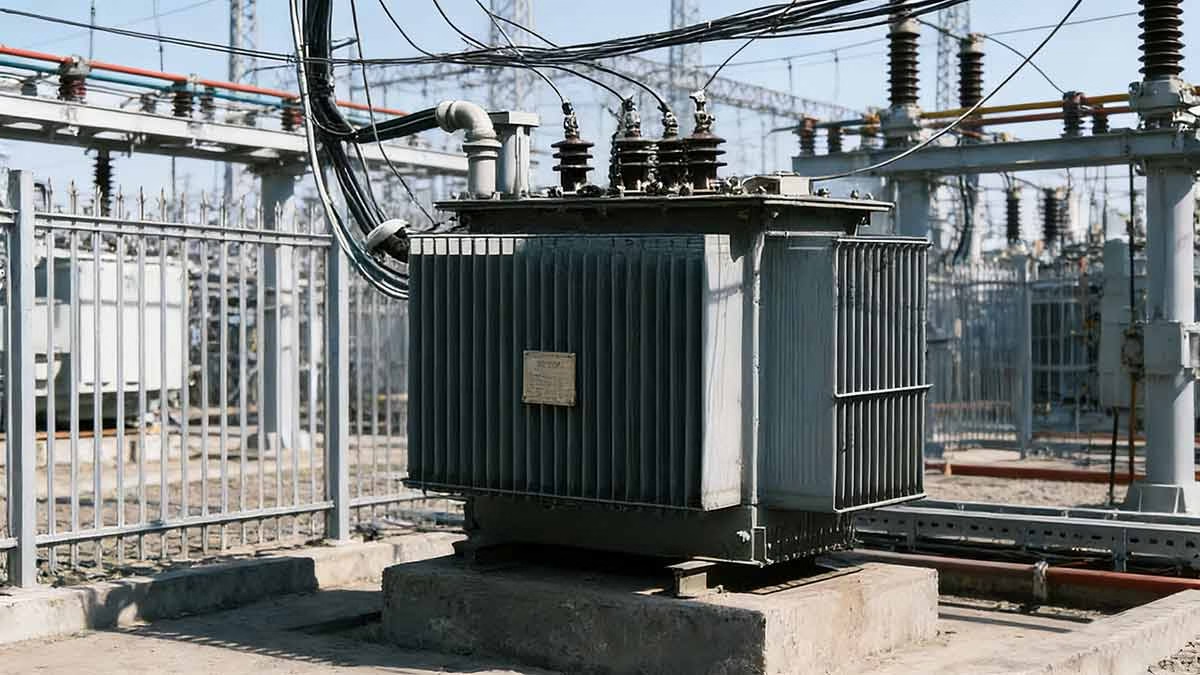
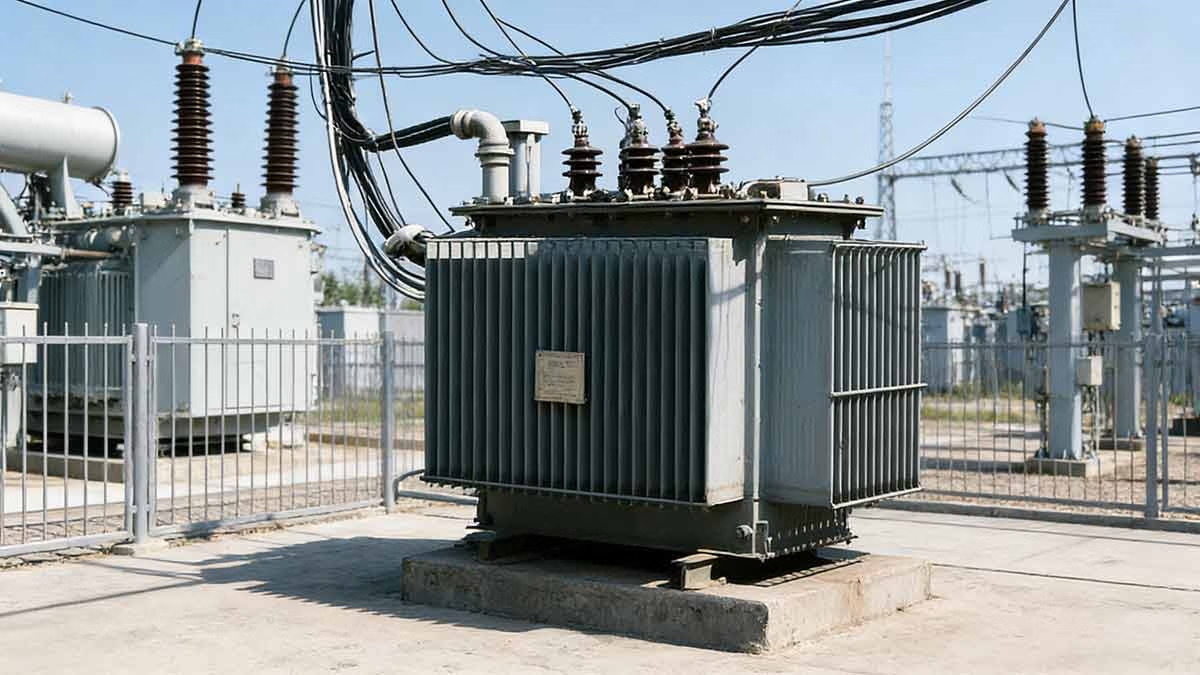
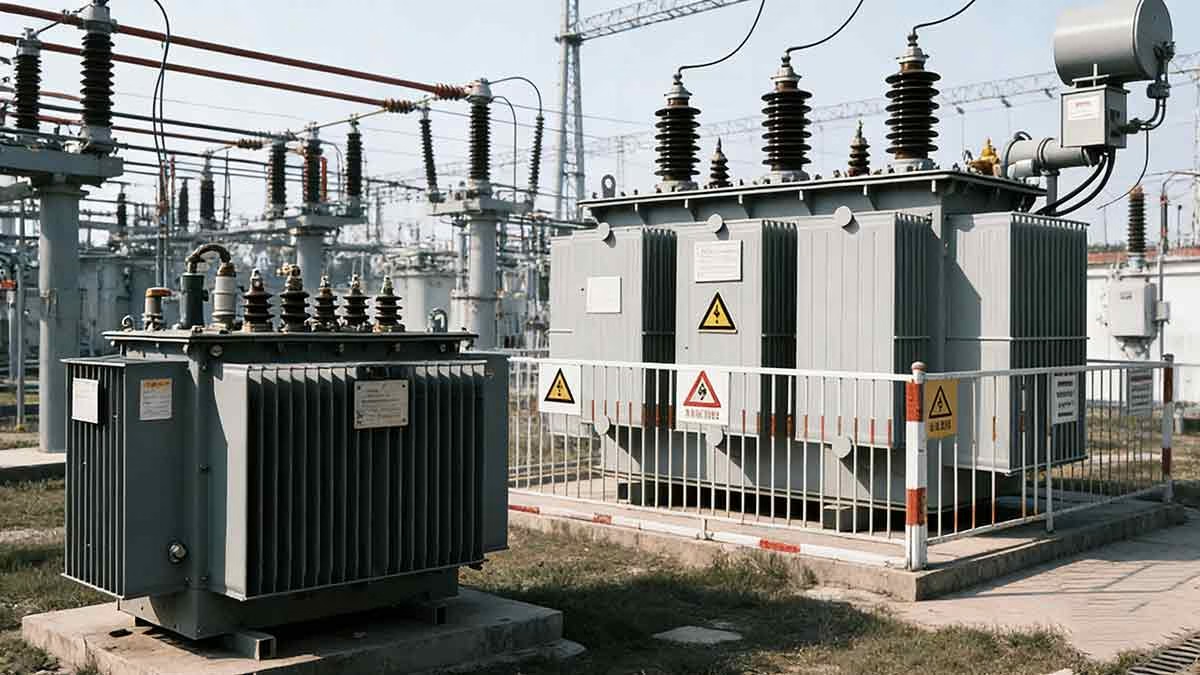
- Oil-Filled Power Transformer: Uses insulating oil (mineral oil, synthetic ester, or vegetable-based oil) for both insulation and cooling. The oil surrounds the core and windings, dissipating heat through radiators or heat exchangers. The oil also provides electrical insulation between conductive components.
- Dry-Type Power Transformer: Uses air as the primary coolant and solid insulation (paper, polymer, or resin) for the windings and core. Heat is dissipated through natural convection or forced air (via fans). Some dry-type transformers use gas insulation (e.g., SF₆) for high-voltage applications.
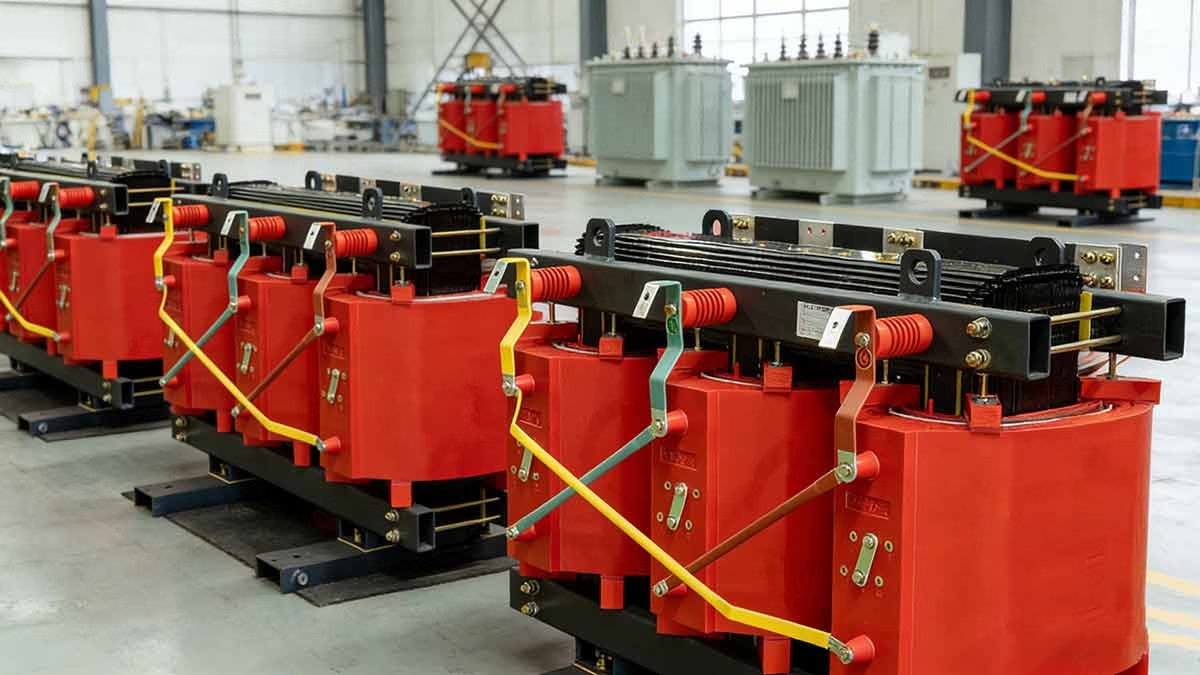
Performance Comparison: Oil-Filled vs. Dry-Type Power Transformer
Performance Aspect | Oil-Filled Power Transformer | Dry-Type Power Transformer |
|---|---|---|
Efficiency | Higher (typically 97-99.5% at full load). Oil has excellent thermal conductivity, reducing energy losses. | Slightly lower (typically 95-98.5% at full load). Air is a less effective coolant, leading to higher operating temperatures and losses. |
Cooling Capacity | Excellent. Oil can absorb and dissipate large amounts of heat, making oil-filled transformers suitable for high-power applications. | Good. Natural air cooling is sufficient for small to medium loads; forced air cooling extends capacity but increases noise. |
Overload Capacity | Better. Can handle short-term overloads (110-120% of full load) for extended periods without significant damage. | Limited. Forced air cooling allows short-term overloads (120-150% of full load) but only for short durations (1-2 hours). |
Noise Level | Lower. Oil dampens vibration, resulting in quieter operation (typically 50-60 dB at full load). | Higher. Air cooling (especially forced air) generates more noise (typically 60-75 dB at full load). |
Size & Weight | More compact and lighter for a given power rating. Oil-filled transformers have a higher power density than dry-type. | Larger and heavier for the same power rating. Requires more space for air circulation. |
Moisture Resistance | Better. Oil is hydrophobic, protecting the core and windings from moisture damage. | More susceptible. Moisture can degrade solid insulation, reducing lifespan and increasing the risk of failure. |
Safety and Environmental Considerations
Safety and environmental factors are critical when choosing between oil-filled and dry-type power transformers:
- Fire Safety: Oil-filled transformers pose a higher fire risk, as mineral oil is flammable. They require fire containment systems (e.g., oil sumps, fire walls) when installed indoors or near flammable materials. Dry-type transformers are non-flammable (especially those with resin-impregnated windings) and are preferred for indoor installations, data centers, hospitals, and high-rise buildings where fire safety is a top priority.
- Environmental Impact: Oil-filled transformers carry a risk of oil leaks or spills, which can contaminate soil and water. Modern oil-filled transformers use eco-friendly, biodegradable oils (e.g., vegetable-based oils) to reduce this risk. Dry-type transformers have no oil, making them environmentally friendly with minimal impact in case of failure.
Cost Analysis: Oil-Filled vs. Dry-Type Power Transformer
Cost is another key factor in the decision-making process:
- Initial Cost: For low to medium power ratings (up to 5 MVA), dry-type transformers are often cheaper than oil-filled transformers. For high power ratings (above 5 MVA), oil-filled transformers become more cost-effective due to their higher power density.
- Maintenance Cost: Oil-filled transformers have higher maintenance costs, as they require regular oil testing (dielectric strength, acidity, moisture content), oil filtration, and gasket replacement. Dry-type transformers have lower maintenance costs, requiring only periodic cleaning and insulation resistance testing.
- Operational Cost: Oil-filled transformers have lower operational costs due to their higher efficiency. The energy savings from oil-filled transformers often offset their higher maintenance costs over the long term.
Application Suitability
The choice between oil-filled and dry-type power transformers depends largely on the application:
- Oil-Filled Power Transformer is Best For: Outdoor installations (substations, power plants), high voltage applications (above 35 kV), large power ratings (above 5 MVA), industrial facilities with outdoor space, and areas with less stringent fire safety regulations.
- Dry-Type Power Transformer is Best For: Indoor installations (data centers, hospitals, commercial buildings), areas with strict fire safety requirements, environmentally sensitive locations (national parks, waterways), medium voltage applications (up to 35 kV), and small to medium power ratings (up to 5 MVA).
In a recent project for a new data center, the client initially leaned toward oil-filled transformers due to their higher efficiency. However, after considering the indoor installation and strict fire safety regulations (the data center was located in a high-rise building), we recommended dry-type transformers with forced air cooling. The decision proved wise when a small fire broke out in an adjacent server room— the dry-type transformers remained unaffected, and the fire was quickly contained without any additional risk of oil ignition.
Power Transformer Ratings Decoded: kVA, Voltage, and Safety Standards
When exploring “what is a power transformer,” understanding its ratings is essential for selecting the right unit, ensuring safe operation, and complying with industry standards. Power transformer ratings are a set of specifications that define the transformer’s capacity, operating limits, and performance characteristics. Misinterpreting these ratings can lead to costly mistakes, such as overloading the transformer, compromising safety, or failing to meet regulatory requirements. Let’s decode the key ratings and safety standards:
kVA Rating: The Power Capacity of a Power Transformer
The kVA (kilovolt-ampere) rating is the most critical specification, as it indicates the transformer’s maximum power-handling capacity. Unlike kW (kilowatts), which measures real power (useful work), kVA measures apparent power (the product of voltage and current, including both real and reactive power).
- Definition: 1 kVA = 1000 volt-amperes. The kVA rating is the maximum apparent power that the transformer can deliver to the load without exceeding its temperature limits.
- Importance: The kVA rating determines the size of the transformer needed for a specific application. Undersizing a transformer (using a lower kVA rating than required) will lead to overloading, excessive heating, and premature failure. Oversizing (using a higher kVA rating than needed) is inefficient and increases initial costs.
- Common kVA Ratings: Power transformers are available in a wide range of kVA ratings:
- Distribution Transformers: 5 kVA to 5000 kVA (used for local power distribution to homes and small businesses).
- Power Transformers: 5 MVA (megavolt-amperes) to 1000 MVA (used for high-voltage transmission and large industrial applications).