
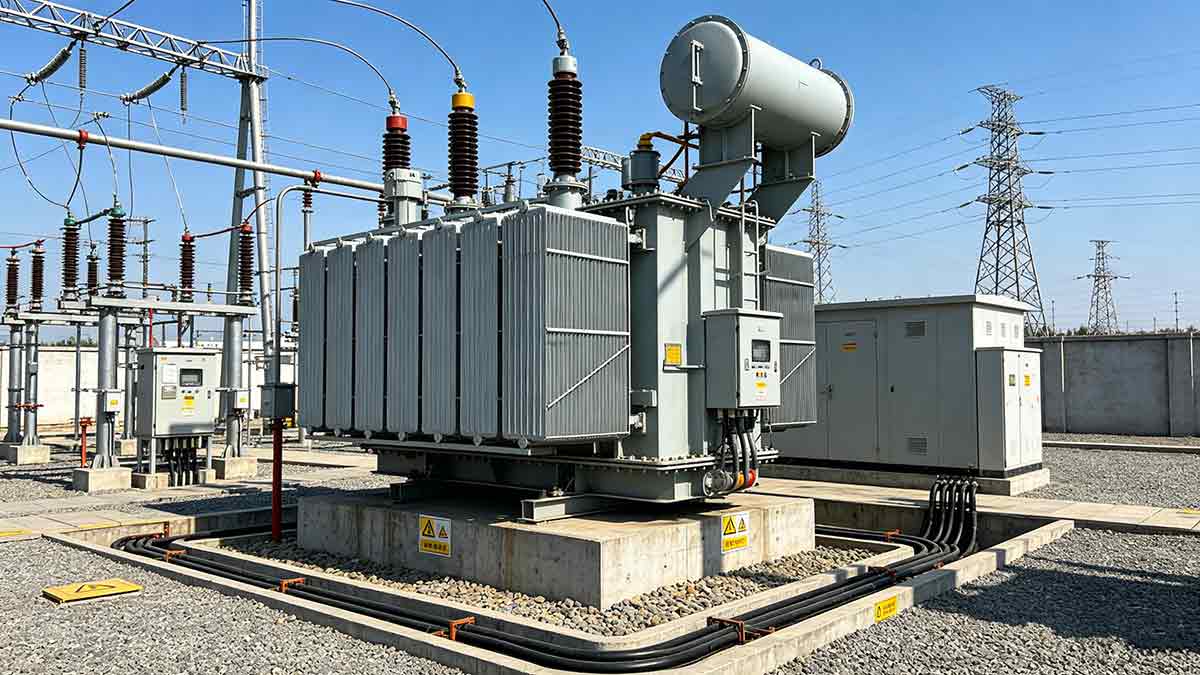
What is a three winding transformer? It’s a vital electrical device designed to transfer electrical energy between three different voltage levels, playing an irreplaceable role in modern power systems, from power plants to industrial facilities and residential distribution networks. Unlike standard two winding transformers that only handle two voltage levels, three winding transformers offer greater flexibility, efficiency, and versatility, making them a top choice for complex power distribution needs. This article breaks down everything you need to know about three winding transformers—from how they work to why they matter, addressing common questions and sharing practical insights to help you understand their value in power systems.
Contents
hide
⚙️ What is a Three Winding Transformer? Simple Definition & Core Structure
A three winding transformer is an electrical device that features three independent windings (coils) wrapped around a single iron core, allowing it to convert and transfer electrical energy between three distinct voltage levels simultaneously. Unlike two winding transformers, which only have a primary and secondary winding, this type adds a third winding (often called the tertiary winding) to expand its functionality. The key to its design is that all three windings share the same magnetic core, enabling efficient energy transfer without a direct electrical connection between the windings.
🔧 Core Components of a Three Winding Transformer
Every three winding transformer has four essential components, each playing a critical role in its operation. These components are designed to work together to ensure safe, efficient energy transfer, and they are easy to understand even for those new to power systems:
- Iron Core: The magnetic backbone of the transformer, made of laminated steel sheets to minimize energy loss (called eddy current loss). It channels the magnetic flux generated by the windings, enabling energy transfer between the three windings.
- Three Windings: Three separate coils (high-voltage, medium-voltage, and low-voltage) wrapped around the iron core. Each winding is insulated to prevent electrical short circuits and is designed to handle a specific voltage level.
- Insulation System: High-quality insulation materials (such as oil or resin) that separate the windings from each other and from the iron core. This insulation ensures safe operation by preventing electrical arcing and leakage.
- Tank & Cooling System: For oil-immersed models (the most common type for industrial use), a sealed tank holds transformer oil that cools the windings and provides additional insulation. Some models use air cooling for smaller applications.
📊 Three Winding Transformer Structure vs Two Winding Transformer
Many people wonder how three winding transformers differ from the more common two winding models. The table below highlights the key differences, making it easy to understand their unique value:
Feature | Three Winding Transformer | Two Winding Transformer |
|---|---|---|
Number of Windings | Three (high-voltage, medium-voltage, low-voltage) | Two (primary and secondary) |
Voltage Handling | Transfers energy between three distinct voltage levels | Only transfers energy between two voltage levels |
Complexity | Slightly more complex design (additional winding and insulation) | Simple, straightforward design |
Space & Cost | Saves space vs using two separate two winding transformers; lower long-term cost | Lower initial cost, but requires multiple units for three voltage levels |
Best For | Complex power systems (power plants, industrial facilities, large substations) | Simple applications (residential distribution, small businesses) |
🔄 How Does a Three Winding Transformer Work? No Technical Jargon
The working principle of a three winding transformer is similar to that of a two winding transformer, but with the added flexibility of a third winding. At its core, it uses electromagnetic induction to transfer energy between the windings—no direct electrical connection, just magnetic flux. Here’s a simple breakdown of how it works, without confusing technical terms:
📌 Step-by-Step Working Process
- Energy Input: The high-voltage (HV) winding is connected to the main power source (e.g., a power plant generator). When electricity flows through the HV winding, it creates a magnetic field around the iron core.
- Magnetic Flux Generation: The iron core amplifies this magnetic field, creating a strong magnetic flux that passes through all three windings (HV, medium-voltage/MV, and low-voltage/LV).
- Induced Voltage: The magnetic flux induces an electric current in the MV and LV windings. The voltage in each winding depends on the number of turns in the coil—more turns mean higher voltage, fewer turns mean lower voltage.
- Energy Output: The MV and LV windings deliver electricity at their respective voltage levels to power different loads (e.g., industrial machinery, residential homes, commercial buildings).
- Flexible Energy Flow: Unlike two winding transformers, energy can flow between any two windings (e.g., HV to MV, HV to LV, or MV to LV), making it ideal for complex power distribution needs.
❓ Common Question: Can a Three Winding Transformer Work with Only Two Windings?
Yes! A three winding transformer can operate with only two windings if needed. For example, if you only need to transfer energy between the HV and MV windings, you can leave the LV winding open (unconnected). The transformer will still work efficiently, as the magnetic flux will simply pass through the open winding without inducing a current. This flexibility is one of the key benefits of three winding transformers—it can adapt to changing power needs without requiring additional equipment.
⚡ Key Working Principles to Remember
- No direct electrical connection between windings—energy is transferred via magnetic flux.
- Voltage ratio = number of turns ratio (e.g., a winding with 1000 turns will have twice the voltage of a winding with 500 turns).
- All windings share the same iron core, ensuring efficient energy transfer and minimal energy loss.
- The tertiary (third) winding can also help stabilize voltage and reduce harmonics in the power system, improving overall efficiency.
💡 What is a Three Winding Transformer Used For? Practical Applications
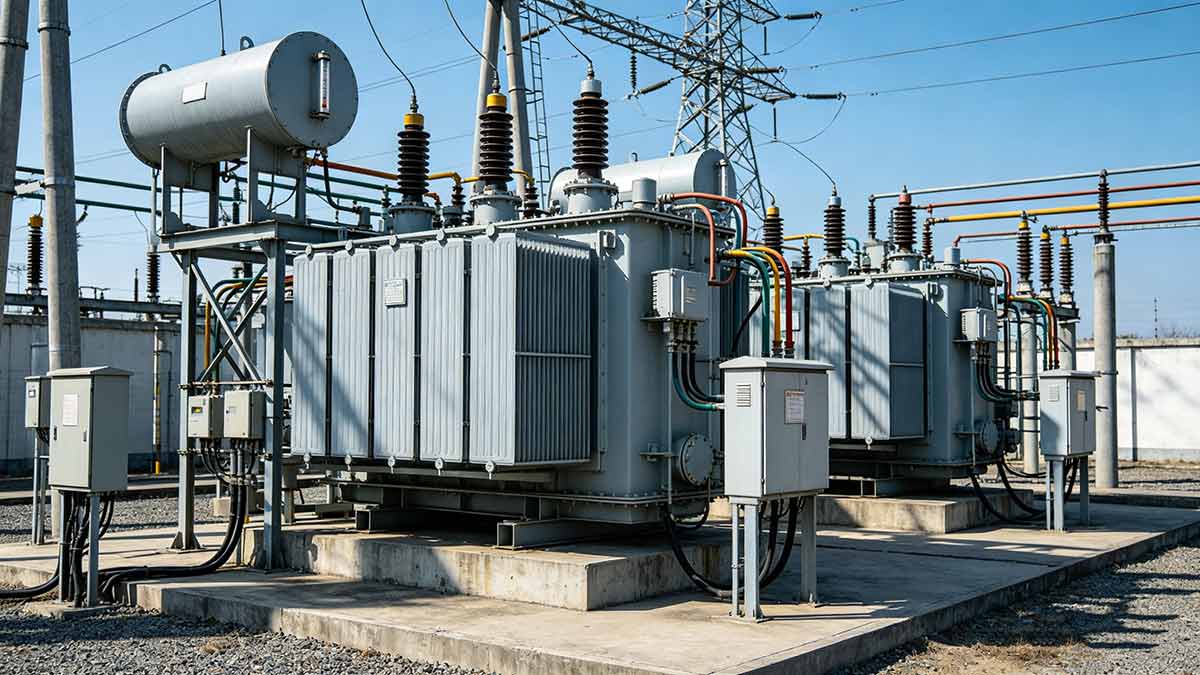
Three winding transformers are used in a wide range of applications where multiple voltage levels are needed. Their versatility and efficiency make them essential in power systems, industrial facilities, and even renewable energy projects. Below are the most common practical applications, organized by industry:
🏭 Industrial Applications
Large industrial facilities (e.g., manufacturing plants, refineries, chemical plants) often require multiple voltage levels to power different types of equipment. Three winding transformers are ideal here because they can:
- Supply high-voltage power to large machinery (e.g., motors, pumps) and low-voltage power to control systems and lighting.
- Reduce the number of transformers needed, saving space and maintenance costs. For example, one three winding transformer can replace two separate two winding transformers.
- Handle fluctuating loads efficiently, ensuring stable power delivery to critical equipment.
Case Study: A large chemical plant in Texas was using two separate two winding transformers to power its high-voltage pumps and low-voltage control systems. After switching to a single three winding transformer, the plant reduced its equipment footprint by 30% and cut annual maintenance costs by 25%. The transformer also improved power stability, reducing equipment downtime by 15%.
🏛️ Power Plants & Substations
Power plants and substations are the backbone of the electrical grid, and three winding transformers play a critical role in transferring power from generators to the grid and to end users. Their key uses here include:
- Stepping down high-voltage power from generators (e.g., 24kV) to medium-voltage (e.g., 11kV) for distribution to substations, and further to low-voltage (e.g., 400V) for residential and commercial use.
- Connecting different parts of the power grid that operate at different voltage levels, ensuring seamless energy transfer.
- Stabilizing the grid by reducing voltage fluctuations and harmonics can damage equipment and reduce power quality.
🔋 Renewable Energy Projects
With the growth of solar, wind, and hydropower, three winding transformers have become essential in renewable energy systems. They help address the unique challenges of renewable energy, such as variable power output:
- Transfer power from renewable energy generators (e.g., wind turbines, solar panels) to the main grid. For example, wind turbines often generate medium-voltage power, which needs to be stepped up to high-voltage for grid distribution and stepped down to low-voltage for on-site use.
- Integrate energy storage systems (e.g., batteries) into the power grid, allowing excess energy to be stored and used when needed.
- Handle variable loads from renewable sources, ensuring stable power delivery even when wind or solar output fluctuates.
🏡 Commercial & Residential Complexes
Large commercial buildings (e.g., malls, office towers) and residential complexes often require multiple voltage levels for different systems. Three winding transformers are used to:
- Supply high-voltage power to HVAC systems and elevators, and low-voltage power to lighting, outlets, and security systems.
- Reduce energy loss by transferring power at higher voltages, which is more efficient than low-voltage transfer.
- Provide backup power capabilities, ensuring critical systems (e.g., emergency lighting, fire alarms) remain operational during power outages.
✅ Why It Matters: Key Benefits of Three Winding Transformers
Now that you know what a three winding transformer is and how it works, you might be wondering—why does it matter? What makes it better than other transformer types? The answer lies in its unique benefits, which make it a critical component in modern power systems. Below are the most important advantages, backed by real-world data:
💰 Cost & Space Savings
One of the biggest benefits of three winding transformers is that they replace the need for two separate two winding transformers. This leads to high cost and space savings:
- Lower initial investment: Buying one three winding transformer is cheaper than buying two two winding transformers.
- Reduced space requirements: A single three winding transformer takes up less space than two separate units, which is critical in crowded industrial facilities and substations.
- Lower maintenance costs: Maintaining one transformer is simpler and cheaper than maintaining two, reducing labor and parts costs over time.
Table: Cost & Space Comparison (1000kVA Capacity)
Metric | Three Winding Transformer | Two Separate Two Winding Transformers |
|---|---|---|
Initial Cost | $85,000–$95,000 | $110,000–$125,000 |
Space Required | 120 sq. ft. | 200 sq. ft. |
Annual Maintenance Cost | $3,000–$4,000 | $5,000–$6,500 |
5-Year Total Cost | $100,000–$115,000 | $135,000–$157,500 |
🔄 Flexibility & Adaptability
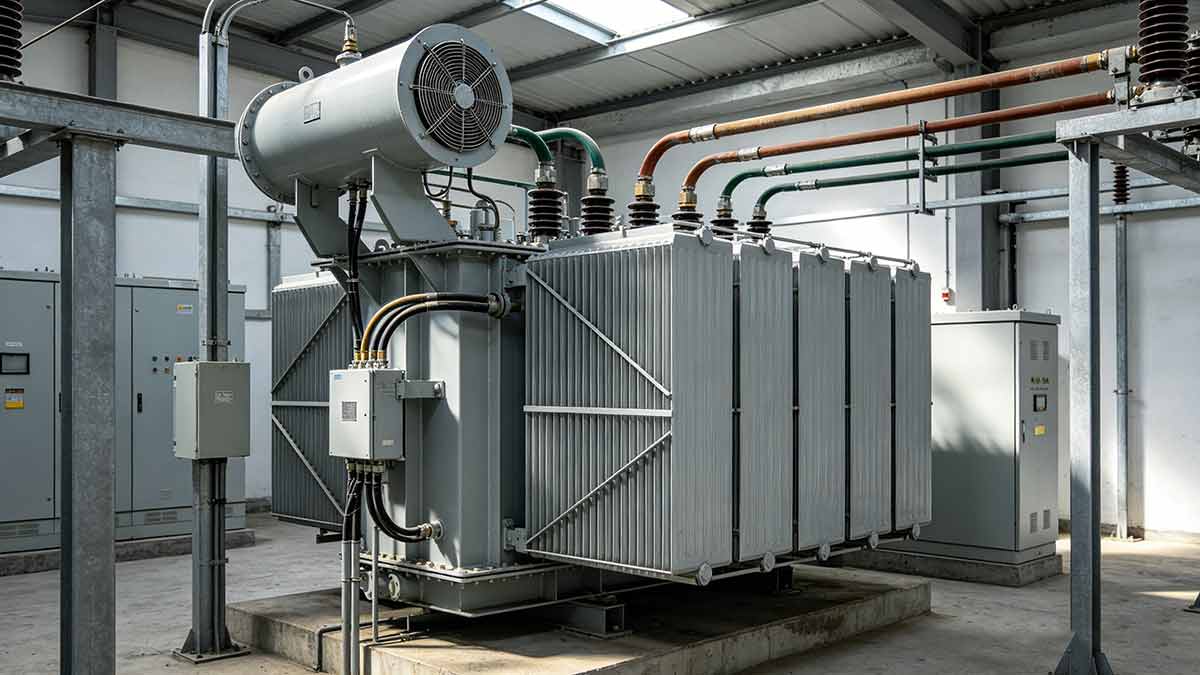
Three winding transformers are highly flexible, making them suitable for a wide range of applications and adaptable to changing power needs. Key flexibility features include:
- Ability to operate with any two of the three windings, allowing for temporary or permanent changes to power distribution.
- Compatibility with different voltage levels, making them easy to integrate into existing power systems.
- Option to add or modify windings (in some models) to meet new power requirements, without replacing the entire transformer.
⚡ Improved Efficiency & Power Quality
Three winding transformers are more efficient than using two separate two winding transformers, thanks to their shared iron core. This reduces energy loss (called core loss) and improves power quality:
- Lower core loss: Since all three windings share the same iron core, there is only one core to generate energy loss, compared to two cores with two separate transformers.
- Reduced harmonics: The tertiary winding helps suppress harmonics in the power system, which can cause equipment damage and reduce power efficiency.
- Stable voltage output: Three winding transformers maintain stable voltage levels even when loads fluctuate, ensuring consistent power delivery to critical equipment.
🛡️ Enhanced Reliability & Durability
Three winding transformers are built to be reliable and durable, even in harsh operating conditions. Their design features contribute to long service life and minimal downtime:
- Robust insulation system: High-quality insulation materials protect the windings from short circuits and electrical arcing, reducing the risk of failure.
- Efficient cooling systems: Oil-immersed models use transformer oil to cool the windings, preventing overheating and extending service life.
- Low maintenance requirements: With fewer moving parts and a simple design, three winding transformers require minimal routine maintenance, reducing downtime.
On average, three winding transformers have a service life of 25–35 years, compared to 15–20 years for two winding transformers—another key reason they are a smart long-term investment.
❌ Common Myths About Three Winding Transformers (Debunked)
Despite their many benefits, there are some common myths about three winding transformers that prevent people from using them. Below are the most prevalent myths, debunked with facts:
Myth 1: Three Winding Transformers Are Too Complex to Maintain
Fact: While three winding transformers have an extra winding, their maintenance requirements are similar to two winding transformers. Routine maintenance includes oil sampling (for oil-immersed models), visual inspections, and occasional insulation testing—tasks that most maintenance teams can easily perform. In fact, maintaining one three winding transformer is simpler than maintaining two separate two winding transformers.
Myth 2: Three Winding Transformers Are More Expensive Than Two Winding Transformers
Fact: While the initial cost of a three winding transformer is slightly higher than a single two winding transformer, it is much cheaper than buying two separate two winding transformers. When you factor in space savings, maintenance costs, and long-term efficiency, three winding transformers are more cost-effective overall.
Myth 3: Three Winding Transformers Are Only for Large Industrial Applications
Fact: While three winding transformers are commonly used in large industrial facilities and power plants, they are also suitable for smaller applications. For example, large commercial buildings, residential complexes, and even some renewable energy projects (e.g., small wind farms) can benefit from the flexibility and efficiency of three winding transformers.
Myth 4: Three Winding Transformers Are Less Reliable Than Two Winding Transformers
Fact: Three winding transformers are just as reliable as two winding transformers—if not more so. Their robust design, efficient cooling systems, and reduced number of components (compared to two separate transformers) make them less prone to failure. Many utilities and industrial facilities report lower downtime with three winding transformers.
📋 How to Choose the Right Three Winding Transformer for Your Needs
Choosing the right three winding transformer depends on your specific power requirements, application, and budget. Below are key factors to consider to ensure you select the best unit for your needs:
🔍 Voltage & Load Requirements
- Determine the three voltage levels you need (high, medium, low). Common voltage combinations include 24kV/11kV/0.4kV and 35kV/11kV/0.4kV.
- Calculate the maximum load capacity (in kVA) you need. This depends on the total power required by your equipment or system.
- Consider future load growth—choose a transformer with a slightly higher capacity than your current needs to avoid needing to replace it later.
🏗️ Application & Environment
- Indoor vs. outdoor installation: Outdoor transformers need to be weather-resistant, while indoor transformers may require smaller footprints.
- Harsh conditions: If the transformer will be installed in a hot, humid, or dusty environment, choose a model with enhanced insulation and cooling systems.
- Renewable energy integration: If using the transformer for solar or wind power, choose a model designed to handle variable loads.
💸 Budget & Long-Term Costs
- Balance initial cost with long-term savings. While a higher-quality transformer may cost more upfront, it will have lower maintenance costs and a longer service life.
- Consider the total cost of ownership (initial cost + maintenance + energy loss) rather than just the initial purchase price.
✅ Quality & Compliance
- Choose a transformer from a reputable manufacturer that complies with industry standards (e.g., IEEE, IEC) to ensure reliability and safety.
- Look for models with certifications (e.g., ISO 9001) to guarantee quality manufacturing.
🎯 Conclusion: Why Three Winding Transformers Matter for Modern Power Systems
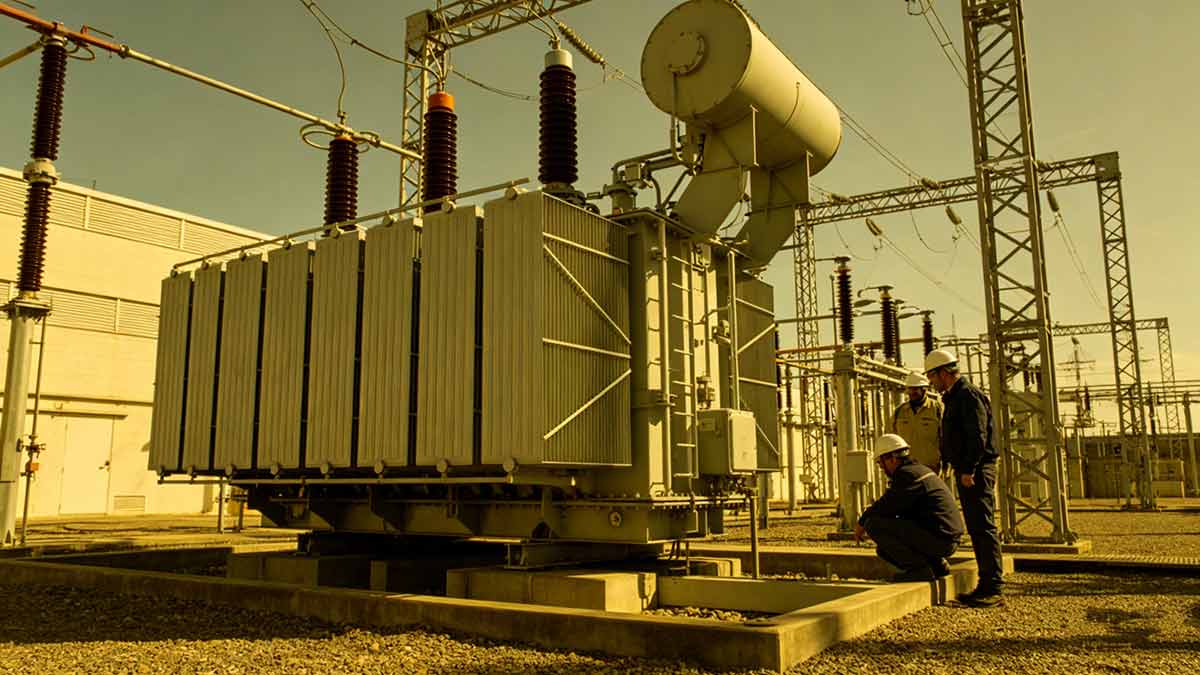
What is a three winding transformer? It’s a versatile, efficient, and cost-effective electrical device that plays a critical role in transferring energy between three different voltage levels. From power plants to industrial facilities, renewable energy projects to commercial buildings, three winding transformers offer unique benefits that two winding transformers cannot match—including cost and space savings, flexibility, improved efficiency, and enhanced reliability.
In today’s complex power systems, where multiple voltage levels are needed and efficiency is a top priority, three winding transformers are more important than ever. They help utilities and businesses reduce costs, improve power quality, and adapt to changing energy needs—making them a smart long-term investment.
Whether you’re upgrading an existing power system, building a new facility, or integrating renewable energy, a three winding transformer can provide the flexibility and efficiency you need. To learn more about how a three winding transformer can benefit your specific application, or to find the right model for your needs, reach out to our team of transformer experts—we’re here to help you make the best choice for your power system.