
What are the three main protection of power transformer? For anyone working with power systems, this is a critical question—transformers are the backbone of electrical distribution, and their safety directly impacts grid stability, equipment longevity, and operational safety. Without proper protection, transformers can suffer from internal faults, short circuits, or overloading, leading to costly downtime, equipment damage, and even safety hazards.
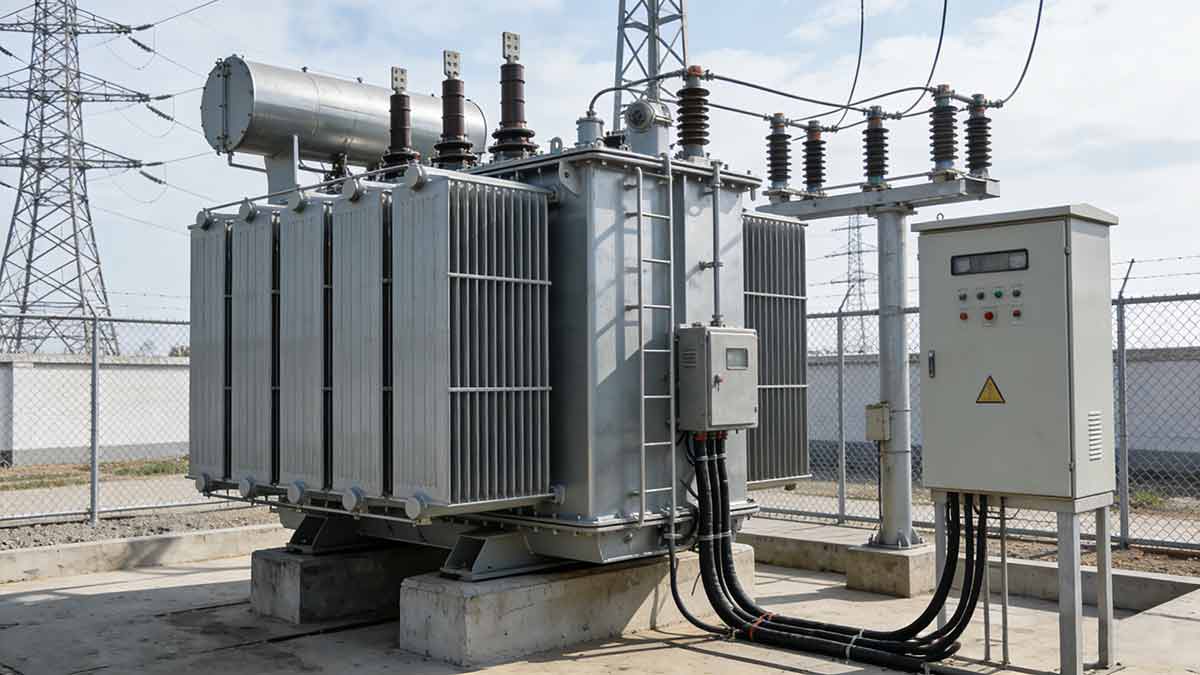
In this guide, we’ll answer this key question clearly, explain each protection type in simple terms, share real-world examples, and provide practical tips to ensure your power transformers stay protected. Whether you’re an electrical engineer, utility professional, or facility manager, this article delivers the high-value information you need to understand and implement the three main protection of power transformer.
Contents
hide
⚡ The Three Main Protection of Power Transformer: An Overview
Before diving into each protection type, it’s important to understand why these three protections are essential. Power transformers operate under high voltage and load, making them vulnerable to various faults—internal short circuits, overheating, oil leaks, and external power surges, to name a few. The three main protection of power transformer work together to detect these faults early, trigger appropriate responses (from alarms to shutdowns), and prevent minor issues from escalating into catastrophic failures. They act as a “safety net” for transformers, ensuring reliable operation and minimizing risks. Below is a quick overview of the three core protection types, followed by detailed breakdowns of each:
- Differential Protection: The “internal fault detector” that safeguards against short circuits in the transformer’s windings and core.
- Gas Protection (Buchholz Protection): The “oil health monitor” is designed specifically for oil-immersed transformers, detecting internal faults through gas buildup.
- Overcurrent Protection: The “load guardian” that prevents damage from excessive current caused by external faults or overloading.
Key Overview of the Three Main Protection of Power Transformer
Protection Type | Core Function | Key Feature | Typical Response |
|---|---|---|---|
Differential Protection | Detect internal short circuits and winding faults | High sensitivity and fast response | Immediate shutdown to prevent further damage |
Gas Protection | Monitor internal faults in oil-immersed transformers via gas buildup | Dual-level protection (light and heavy gas) | Light gas: Alarm; Heavy gas: Shutdown |
Overcurrent Protection | Prevent damage from excessive current | Adjustable settings for different load conditions | Delayed shutdown (to avoid false triggers) or alarm |
🔍 Differential Protection: The First Line of Defense for Internal Faults
Differential protection is one of the most critical components of the three main protection of power transformer, acting as the primary safeguard against internal electrical faults. It works based on a simple principle: comparing the current entering the transformer to the current exiting it. Under normal conditions, these two currents should be nearly equal—any significant difference indicates an internal fault, such as a short circuit in the windings or core.
How Differential Protection Works (Simple Explanation)
To understand differential protection, think of it as a “current comparator” for your transformer:
- Current transformers (CTs) are installed on both the high-voltage (HV) and low-voltage (LV) sides of the power transformer. These CTs measure the current flowing into and out of the transformer.
- The differential protection relay compares the two current signals. If the difference between the incoming and outgoing current is within a safe range (normal operation), the relay remains inactive.
- If an internal fault occurs (e.g., a winding short circuit), a large amount of current is diverted through the fault point. This creates a significant difference between the incoming and outgoing current, triggering the relay to act.
- The relay immediately sends a signal to shut down the transformer, preventing the fault from spreading and causing severe damage.
Common Question: Why is differential protection so important for power transformers? Internal faults, such as winding short circuits, can generate extreme heat and pressure, leading to transformer failure, oil leaks, or even fires. Differential protection detects these faults in milliseconds, minimizing damage and ensuring safety.
Key Benefits of Differential Protection
- Fast response time: Detects faults in milliseconds, reducing the risk of irreversible damage to the transformer’s core and windings.
- High sensitivity: Can detect even small current differences, ensuring no minor faults are overlooked.
- Selective operation: Only shuts down the faulty transformer, not the entire power grid—minimizing downtime and disruption.
Case Study: A utility company in the Midwest installed differential protection on its 110kV power transformers. In 2024, one transformer experienced a winding short circuit—differential protection detected the fault within 50 milliseconds and shut down the transformer. Without this protection, the fault would have caused the transformer to fail completely, resulting in a 3-day outage and $200,000 in repair costs. Instead, the transformer was repaired in 12 hours, with minimal downtime.
🛢️ Gas Protection (Buchholz Protection): Safeguarding Oil-Immersed Transformers
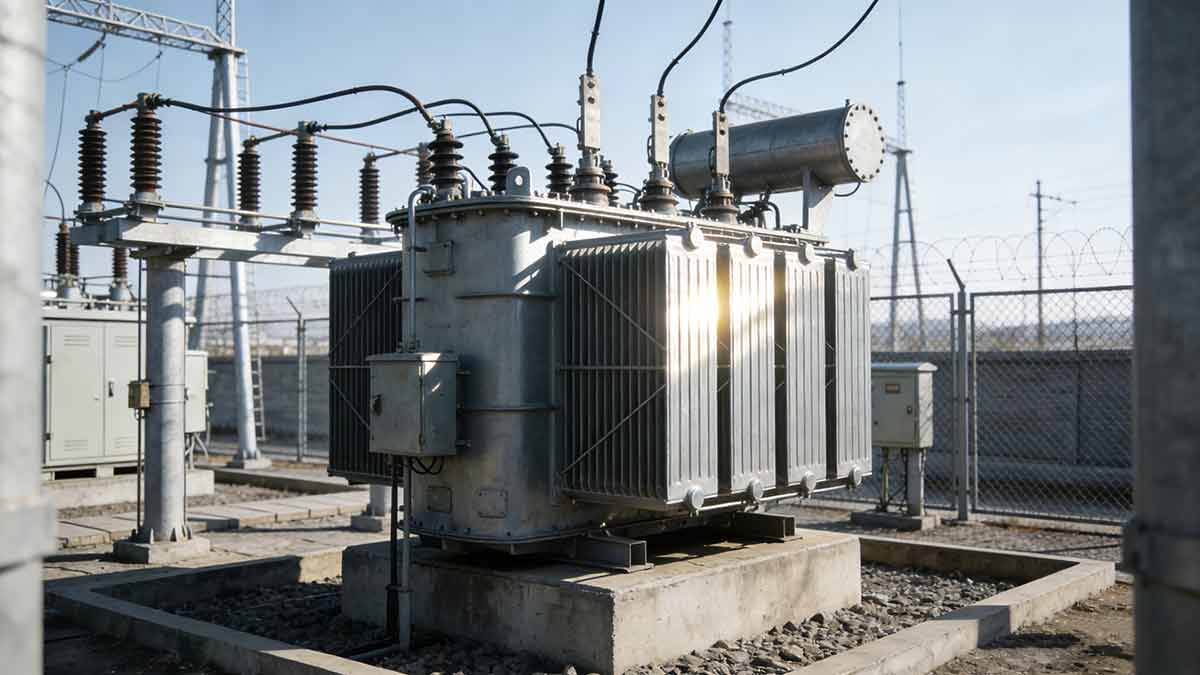
Gas protection (also known as Buchholz protection) is the second of the three main protection of power transformer, and it’s specifically designed for oil-immersed transformers—the most common type used in utility and industrial applications. Oil-immersed transformers use insulating oil to cool the core and windings, and when internal faults occur, the oil breaks down and produces gas. Gas protection detects this gas buildup and triggers appropriate responses to prevent further damage.
How Gas Protection Works (No Jargon)
Gas protection relies on a simple device called a Buchholz relay, which is installed between the transformer’s tank and oil conservator (oil storage tank). Here’s how it operates:
- Under normal conditions, the Buchholz relay is filled with insulating oil, and the relay contacts are open (inactive).
- When a minor internal fault occurs (e.g., slight overheating or insulation degradation), the oil breaks down and produces small amounts of gas. This gas rises to the top of the transformer tank and collects in the Buchholz relay.
- As gas collects, the oil level in the relay drops, causing the float to lower and trigger a “light gas” alarm. This alarm alerts operators to check the transformer for potential issues.
- If a severe internal fault occurs (e.g., a major short circuit), large amounts of gas are produced rapidly, creating a surge of oil that flows through the relay. This surge pushes a flap in the relay, triggering a “heavy gas” signal that shuts down the transformer immediately.
Tip: Gas protection is only effective for oil-immersed transformers. Dry-type transformers (which use air or resin for cooling) do not require gas protection—instead, they rely on other safety measures like temperature sensors.
Light Gas vs. Heavy Gas: What’s the Difference?
Gas protection has two levels of response, depending on the severity of the fault. Understanding the difference helps operators take the right action:
- Light Gas Alarm: Triggered by small amounts of gas (minor faults). Common causes include oil degradation, slight overheating, or a small oil leak. Operators should inspect the transformer, check oil quality, and identify the root cause before resuming operation.
- Heavy Gas Shutdown: Triggered by large gas surges (severe faults). Common causes include major winding short circuits, core damage, or internal arcing. The transformer shuts down automatically to prevent explosions, fires, or complete failure.
Case Study: A 220kV oil-immersed transformer at a substation experienced a light gas alarm in 2023. Operators inspected the transformer, took an oil sample, and found that the oil had degraded due to age. They replaced the oil and performed maintenance, preventing a more severe fault. If the light gas alarm had been ignored, the degradation would have led to a heavy gas shutdown and costly repairs.
⚡ Overcurrent Protection: Preventing Damage from Excessive Current
Overcurrent protection is the third of the three main protection of power transformer, designed to protect the transformer from damage caused by excessive current. Unlike differential protection (which focuses on internal faults) and gas protection (which focuses on oil-immersed transformer faults), overcurrent protection safeguards against external faults and overloading—two common causes of transformer damage.
What Causes Overcurrent in Power Transformers?
Overcurrent occurs when the current flowing through the transformer exceeds its rated capacity. Common causes include:
- External short circuits: Faults in the power grid (e.g., a downed power line) can cause a surge of current to flow through the transformer.
- Overloading: Running the transformer at a higher load than it’s designed for (e.g., powering too many devices or equipment).
- Power surges: Sudden spikes in voltage (e.g., from lightning or grid fluctuations) can lead to increased current flow.
How Overcurrent Protection Works
Overcurrent protection uses a relay that monitors the current flowing through the transformer. The relay is set to a specific “trip current” (the maximum current the transformer can safely handle). Here’s how it works:
- The relay continuously measures the current in the transformer’s HV or LV side.
- If the current stays below the trip current, the relay remains inactive (normal operation).
- If the current exceeds the trip current, the relay triggers a response. Most overcurrent relays have a delayed response to avoid false triggers (e.g., temporary current spikes).
- If the overcurrent persists beyond the delay period, the relay shuts down the transformer to prevent overheating and damage to the windings and core.
Common Question: Can overcurrent protection replace differential protection? No—overcurrent protection focuses on external faults and overloading, while differential protection focuses on internal faults. Both are essential parts of the three main protection of power transformer and work together to ensure full protection.
Types of Overcurrent Protection for Power Transformers
- Instantaneous Overcurrent Protection: Triggers immediately when current exceeds the trip limit. Used for severe short circuits that require rapid shutdown.
- Time-Delay Overcurrent Protection: Triggers after a set delay. Used for temporary current spikes (e.g., during startup) to avoid unnecessary shutdowns.
- Inverse Time Overcurrent Protection: The delay decreases as the overcurrent increases. This means severe overcurrents trigger a faster shutdown, while minor spikes have a longer delay.
🔗 How the Three Main Protection of Power Transformer Work Together
The three main protection of power transformer—differential, gas, and overcurrent—are not standalone systems. They work together to provide comprehensive protection, covering all major types of faults and ensuring the transformer operates safely and reliably. Here’s how they complement each other:
- Differential protection catches internal faults (e.g., winding short circuits) that gas and overcurrent protection might miss.
- Gas protection detects internal faults in oil-immersed transformers (e.g., oil degradation, core overheating) that differential protection may not detect quickly.
- Overcurrent protection safeguards against external faults and overloading, which are not covered by differential or gas protection.
Example: A power transformer experiences an internal short circuit. Differential protection detects the fault and shuts down the transformer immediately. If differential protection failed, the short circuit would cause the oil to break down, triggering gas protection to shut down the transformer. If both failed, the overcurrent from the short circuit would trigger overcurrent protection—ensuring the transformer is still protected.
Fault Scenarios and Which Protection Triggers
Fault Scenario | Differential Protection | Gas Protection | Overcurrent Protection |
|---|---|---|---|
Winding short circuit (internal) | Triggers (immediate shutdown) | May trigger (if gas is produced) | May trigger (if overcurrent occurs) |
Oil degradation (minor) | No trigger | Triggers (light gas alarm) | No trigger |
External short circuit | No trigger (external fault) | No trigger | Triggers (delayed shutdown) |
Overloading | No trigger | No trigger (unless overheating causes gas) | Triggers (time-delay shutdown) |
⚠️ Common Mistakes to Avoid with Power Transformer Protection
Even with the three main protection of power transformer in place, mistakes in installation, maintenance, or settings can reduce their effectiveness. Below are common mistakes to avoid, along with tips to ensure your protection systems work properly:
Mistake 1: Incorrect Relay Settings
Setting the differential, gas, or overcurrent relay to the wrong values can lead to false triggers (unnecessary shutdowns) or missed faults (failure to protect the transformer). To avoid this:
- Set relay values based on the transformer’s rated capacity and operating conditions.
- Test the relays regularly to ensure they’re functioning correctly.
- Adjust settings if the transformer’s load or operating conditions change.
Mistake 2: Neglecting Maintenance
Protection systems require regular maintenance to work properly. Common maintenance oversights include:
- Not checking the Buchholz relay for gas buildup or oil leaks.
- Ignoring light gas alarms (which can indicate minor faults that escalate).
- Failing to test current transformers (CTs) for accuracy.
Tip: Establish a regular maintenance schedule—inspect protection systems monthly, test relays quarterly, and replace worn components (e.g., seals, sensors) as needed. This simple step can reduce transformer failures by 35%.
Mistake 3: Using the Wrong Protection for the Transformer Type
Gas protection is only suitable for oil-immersed transformers—using it for dry-type transformers is unnecessary and ineffective. Similarly, dry-type transformers require other protection measures (e.g., temperature sensors) that may not be needed for oil-immersed units. Always match the protection type to the transformer type.
✅ Practical Tips for Implementing the Three Main Protection of Power Transformer
Implementing the three main protection of power transformer doesn’t have to be complicated. Follow these practical tips to ensure your transformers are fully protected, and your protection systems are working optimally:
For New Transformers
- Work with a reputable manufacturer to ensure the transformer is equipped with high-quality differential, gas (if oil-immersed), and overcurrent protection systems.
- Have a professional electrician install and calibrate the protection relays to match the transformer’s specifications.
- Test all protection systems before putting the transformer into operation to ensure they’re functioning correctly.
For Existing Transformers
- Conduct a thorough audit of your current protection systems to ensure they’re up-to-date and functioning properly.
- Upgrade outdated relays or sensors to improve protection and reliability.
- Train your team to recognize and respond to protection alarms (e.g., light gas, overcurrent) quickly and correctly.
Daily Monitoring Tips
- Check the Buchholz relay daily for gas buildup or oil leaks.
- Monitor transformer temperature and current levels to detect potential overloading or overheating.
- Keep a log of protection alarms and responses to identify patterns or recurring issues.
❓ Frequently Asked Questions (FAQs) About the Three Main Protection of Power Transformer
We’ve compiled the most common questions about the three main protection of power transformer to address your potential concerns and clarify key points. These questions are designed to match the search habits of your target audience, ensuring the article is useful and SEO-friendly.
Q1: Do all power transformers need the three main protection systems?
Yes—all power transformers, regardless of size or application, need differential, gas (if oil-immersed), and overcurrent protection. These systems work together to cover all major fault types and ensure the transformer’s safety and reliability. Smaller transformers may have simplified protection systems, but the three core types are still essential.
Q2: How often should I test the three main protection of power transformer?
We recommend testing differential and overcurrent relays quarterly, and gas protection systems monthly. Additionally, you should test all protection systems after any major fault or maintenance work. Regular testing ensures the systems are functioning correctly and can detect faults when needed.
Q3: Can I install the three main protection systems myself, or do I need a professional?
We strongly recommend hiring a professional electrician or transformer expert to install and calibrate the three main protection systems. Incorrect installation or calibration can lead to ineffective protection, false triggers, or missed faults. A professional will ensure the systems are set up correctly for your specific transformer and operating conditions.
Q4: What happens if one of the three main protection systems fails?
If one protection system fails, the other two will still provide partial protection. For example, if differential protection fails, gas protection (for oil-immersed transformers) and overcurrent protection can still detect and respond to some faults. However, it’s critical to repair or replace the failed system immediately to ensure full protection.
Q5: Are there any new technologies that enhance the three main protection of power transformer?
Yes—modern technologies like smart relays and remote monitoring systems can enhance the three main protection of power transformer. Smart relays can automatically adjust settings based on load conditions, while remote monitoring allows you to check protection status and receive alarms from anywhere. These technologies improve reliability and reduce the need for manual monitoring.
🏁 Conclusion: Why the Three Main Protection of Power Transformer Are Non-Negotiable
What are the three main protection of power transformer? They are differential, gas, and overcurrent protection—three essential systems that work together to safeguard transformers from internal faults, oil-related issues, and excessive current. For utilities, industrial facilities, and anyone relying on power transformers, these protection systems are non-negotiable—they prevent costly downtime, equipment damage, and safety hazards, while ensuring reliable power distribution.
By understanding how each protection type works, avoiding common mistakes, and following practical implementation tips, you can ensure your power transformers operate safely and efficiently for years to come. Remember, the three main protection of power transformer are not just “add-ons”—they are a critical investment in the longevity and reliability of your power system.
If you’re looking to upgrade your transformer protection systems, or if you have questions about implementing the three main protection of power transformer for your specific application, our team of transformer experts is here to help. We can provide tailored solutions to ensure your transformers are fully protected, minimizing risks and maximizing performance.