
This comprehensive guide details five indispensable emergency response measures for addressing malfunctions in power transformer cooling systems. It delves into urgent intervention tactics, precise diagnostic methodologies, temporary remedial solutions, and long-term preventive strategies, all designed to stave off disastrous overheating incidents and guarantee uninterrupted power delivery to critical infrastructure and end-users.
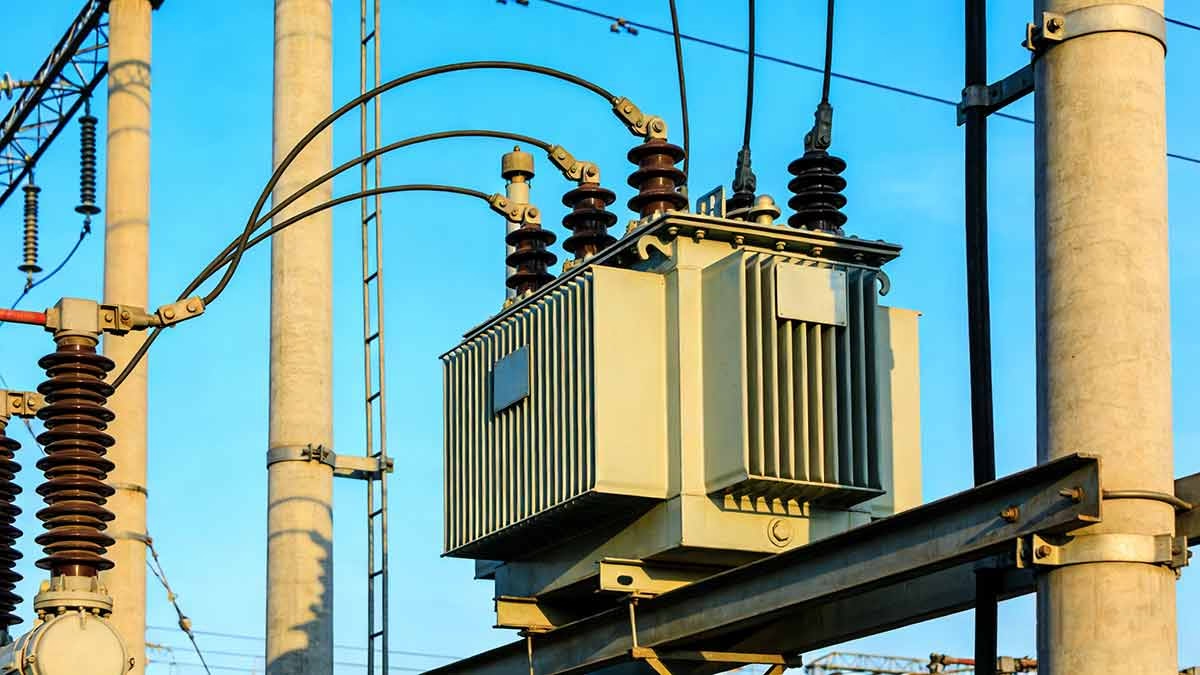
When malfunctions strike power transformer cooling systems, the sudden blare of alarms and the spike in operational temperatures can trigger intense pressure for on-site technicians and facility managers. Having navigated countless such cooling-related emergencies throughout my career, I understand the urgency of the moment and the consequences of delayed action. Yet, armed with proven protocols and hands-on expertise, it is entirely feasible to mitigate risks and prevent minor glitches from escalating into costly, system-wide outages. Let’s explore the essential steps that can turn a potential catastrophe into a manageable situation.
Contents
hide
Red Alert Signs: Overheating Symptoms That Demand Immediate Action
Power transformers communicate their distress long before a full-scale breakdown occurs—but only if operators can decode these subtle or overt warning cues. Ignoring these critical indicators can lead to irreversible equipment damage, fire hazards, and extended power outages that disrupt entire communities or industrial operations.
Three primary overheating red flags that require urgent attention include abrupt surges in top oil temperature, anomalous sounds or vibrations emanating from cooling fans and pumps, and the activation of pressure relief mechanisms. Swiftly addressing these symptoms can curb irreversible harm and eliminate the risk of explosive failures that pose threats to both personnel and assets.
In my decades of overseeing transformer fleets across diverse industrial and utility settings, I’ve learned that timely recognition of these warning signs is the line between a minor maintenance task and a major operational crisis. Let’s break down each symptom in detail, along with actionable responses:
Sudden Spikes in Top Oil Temperature
Normal Operational Behavior: Under standard load conditions, transformer top oil temperature changes gradually, staying within the temperature thresholds specified by the equipment manufacturer. For most mineral oil-filled transformers, the typical operating range hovers between 60°C and 95°C during peak demand periods.
Critical Warning Indicators: A rapid temperature surge of 10°C or more within a 60-minute window, or a sustained top oil temperature exceeding 105°C for mineral oil-based units, signals a severe cooling system malfunction.
Immediate Response Tactics:
- Reduce the transformer’s load to 50% of its rated capacity or lower, coordinating with grid operators to redirect power flow through alternative routes if available.
- Conduct a rapid inspection to confirm that all cooling fans and pumps are running as intended; check for tripped circuit breakers or disconnected power supplies to auxiliary cooling components.
- Inspect the transformer casing, pipework, and valve connections for oil leaks, which can reduce the cooling medium volume and compromise heat dissipation efficiency.
I once encountered a scenario where a 200 MVA distribution transformer experienced a 17°C top oil temperature spike in just 25 minutes during a summer heatwave. By immediately slashing the load and deploying a technical team to inspect the cooling system, we identified a seized cooling pump as the root cause. Replacing the pump within two hours prevented a potential fire and saved the utility company from a projected $2 million in repair costs and downtime losses.
Unusual Noise or Vibration from Cooling Systems
Normal Operational Sounds: A healthy power transformer cooling system emits a consistent, low hum from its fans and a steady, rhythmic flow noise from circulating pumps. These sounds remain stable regardless of minor load fluctuations, serving as a baseline for normal operation.
Critical Warning Indicators:
- Suddenly, loud grinding, rattling, or screeching noises from fan motors or pump assemblies
- Intermittent buzzing or clicking sounds that disrupt the system’s steady operational hum
- Complete silence from cooling components during periods when they should be active (e.g., during high-load hours when fans are programmed to engage automatically)
Immediate Response Tactics:
- Perform a visual and auditory inspection of all cooling system components, paying close attention to fan blades, motor bearings, and pump impellers for signs of damage or obstruction.
- Check for loose mounting brackets, disconnected wiring, or debris accumulation (such as leaves, dirt, or industrial debris) that could interfere with moving parts.
- Isolate the faulty component if possible, activating backup cooling systems to maintain heat dissipation while repairs are initiated.
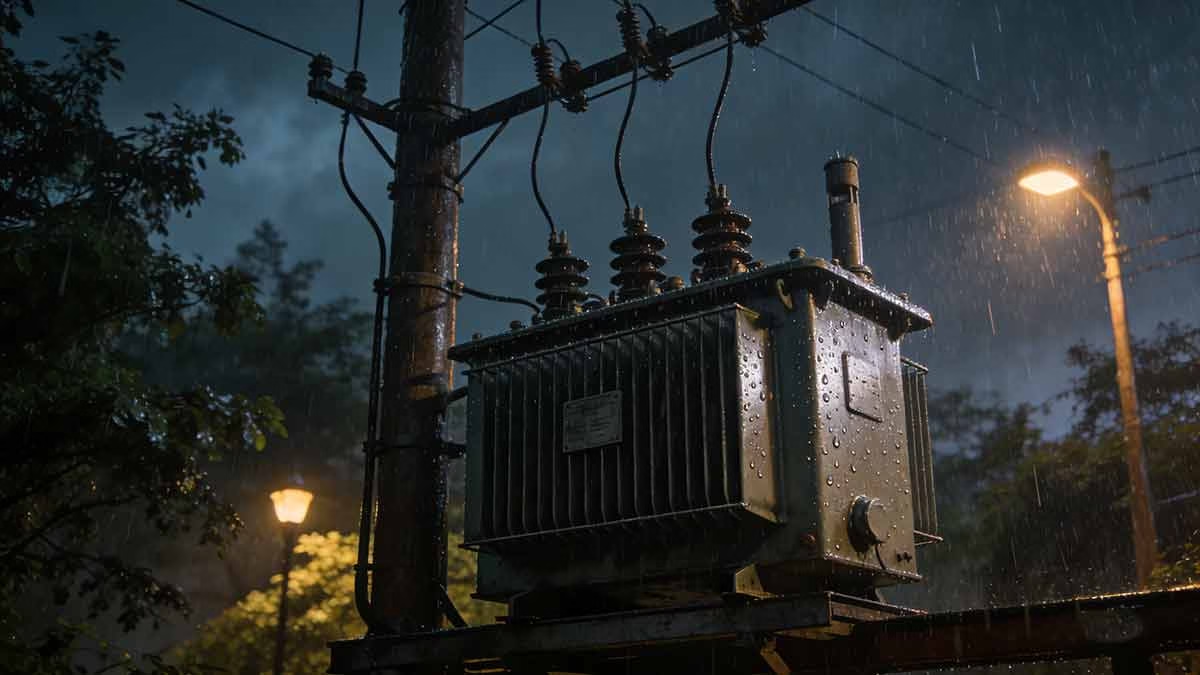
During a routine preventive maintenance check at a manufacturing plant, I detected an unusual clicking sound from one of the cooling fans on a 150 MVA power transformer. A closer inspection revealed a cracked fan blade that was on the verge of detaching from the motor assembly. Replacing the blade immediately avoided a total cooling system shutdown, which would have forced the plant to halt production lines and incur daily losses of over $500,000.
Activation of Pressure Relief Devices
Normal Operational State: Pressure relief valves and devices on power transformers remain sealed and inactive under standard operating conditions, with no visible oil leakage or pressure release events. These components are designed to activate only when internal pressure exceeds safe limits, typically due to extreme overheating or internal arcing.
Critical Warning Indicators:
- Visible oil spray or dripping from pressure relief valve outlets
- Audible hissing or whooshing sounds indicate the release of hot oil vapor or pressure
- A popped indicator pin or lever on spring-loaded pressure relief devices confirms that the valve has been triggered
Immediate Response Tactics:
- De-energize the transformer if the situation is deemed unsafe, following lockout-tagout (LOTO) procedures to protect personnel from electrical hazards.
- Deploy oil containment barriers and absorbent materials to prevent spilled oil from contaminating the surrounding environment or igniting.
- Notify the fire department and environmental protection authorities if the oil spill is substantial, and prepare for potential fire suppression measures.
I was on call during a late-night emergency where a 300 MVA substation transformer triggered a pressure relief device alarm. Upon arrival, our team observed oil seepage from the relief valve and detected a faint odor of hot oil vapor. Immediate de-energization of the unit revealed a case of severe internal arcing caused by a failed insulation component. Prompt action prevented an explosion that could have destroyed the entire substation and cut power to 50,000 residential customers.
Critical Response Checklist for Overheating Symptoms
| Symptom | Verification Method | Immediate Action | Follow-Up Measures |
|---|---|---|---|
| Abrupt Top Oil Temperature Surge | Cross-check data from SCADA systems and on-site temperature gauges | Reduce transformer load; activate backup cooling systems | Conduct a root cause analysis to identify cooling system malfunctions; calibrate temperature sensors |
| Unusual Cooling System Noises | On-site audio inspection and visual examination of fan/pump components | Isolate faulty parts; clear debris or repair damaged components | Schedule a comprehensive maintenance check for all cooling system motors and bearings |
| Pressure Relief Device Activation | Visual inspection for oil leaks and auditory confirmation of pressure release | De-energize the transformer if safe; contain oil spills | Perform an internal transformer inspection to assess for arcing or insulation damage; replace pressure relief components if necessary |
It is crucial to note that these symptoms often manifest simultaneously. A sudden temperature spike may coincide with strange noises from cooling pumps as the system struggles to maintain heat dissipation. Always evaluate the full scope of operational anomalies before implementing a response strategy.
Key Takeaways for Symptom Recognition and Intervention
- Continuous Monitoring Protocols: Implement 24/7 real-time temperature monitoring via SCADA systems, and conduct daily manual audio checks of cooling components to establish a baseline of normal operation.
- Personnel Training Programs: Ensure all on-site technicians and operators can identify these critical overheating symptoms and are trained to execute emergency response protocols safely. Conduct quarterly emergency drills to reinforce these skills.
- Baseline Documentation: Maintain detailed records of normal operating temperatures, sound profiles, and pressure levels for each transformer. Establish clear alarm thresholds that trigger immediate response actions.
- Integrated Alarm Systems: Integrate temperature sensors and acoustic monitors with the site’s SCADA system to receive real-time alerts for abnormal conditions. Install automated notification systems that alert on-call teams immediately when thresholds are breached.
- Predictive Trend Analysis: Track temperature and pressure patterns over weeks and months to identify gradual changes that may signal developing cooling system issues. For example, a slow, steady rise in top oil temperature over time could indicate declining cooling efficiency due to oil contamination or pump wear.
By remaining vigilant and responding promptly to these red alert signs, operators can prevent minor cooling system issues from escalating into major operational crises. In the realm of power transformer management, every minute counts—swift recognition and decisive action are the most effective defenses against catastrophic failures.
First 30 Minutes Protocol: Life-Saving Interventions for Cooling Pump Failure Scenarios
When the alarm sounds, and a power transformer’s cooling pump fails, the clock starts ticking—every passing minute brings the unit closer to dangerous overheating levels. Do you have a clear, step-by-step protocol to follow in those high-pressure first 30 minutes?
The initial half-hour following a cooling pump malfunction is the most critical window for preventing transformer damage. Core actions during this period include immediate load reduction, manual activation of backup cooling systems, implementation of emergency oil circulation methods, rapid diagnostic assessments, and preparation for potential transformer shutdown if necessary. These targeted interventions can avert catastrophic overheating and preserve the integrity of critical power infrastructure.
Having navigated dozens of high-stakes pump failure scenarios—from urban substations to remote industrial facilities—I’ve refined a minute-by-minute response protocol that balances speed, safety, and effectiveness. Here’s a detailed breakdown of how to manage the crisis:
Minutes 0–5: Immediate Emergency Response
This phase is all about rapid verification and critical initial actions to buy time for further diagnostics.
- Verify Pump Failure (30 Seconds):
- Check the site’s SCADA system or local control panel for pump status alerts (e.g., “pump motor overload” or “no flow detected”).
- Conduct a quick on-site visual and auditory inspection: listen for the absence of the pump’s characteristic hum, and check for tripped circuit breakers in the auxiliary power panel.
- Confirm oil flow rates using on-site flow meters; a sudden drop to zero or near-zero confirms a complete pump failure.
- Initiate Load Reduction (2 Minutes):
- Coordinate with grid operators or plant control teams to reduce the transformer’s load to 50% of its rated capacity immediately. For critical units that cannot be easily unloaded, prioritize transferring non-essential loads to alternative power sources.
- Document the load reduction process in real time to ensure compliance with operational safety standards and to inform post-crisis analysis.
- Activate Backup Cooling Systems (2 Minutes):
- Engage all available redundant cooling fans and backup pumps via the control panel or manual switches. In many transformer designs, backup systems are programmed to activate automatically, but manual verification is essential to confirm functionality.
- Open manual isolation valves for auxiliary cooling loops if they are not already in use, ensuring maximum oil circulation through remaining functional components.
- Alert the Emergency Response Team (30 Seconds):
- Notify the on-site maintenance crew and the off-site technical support team via the established emergency communication channel.
- Provide a clear, concise update: transformer ID, location, confirmed pump failure, current top oil temperature, and initial load reduction status.
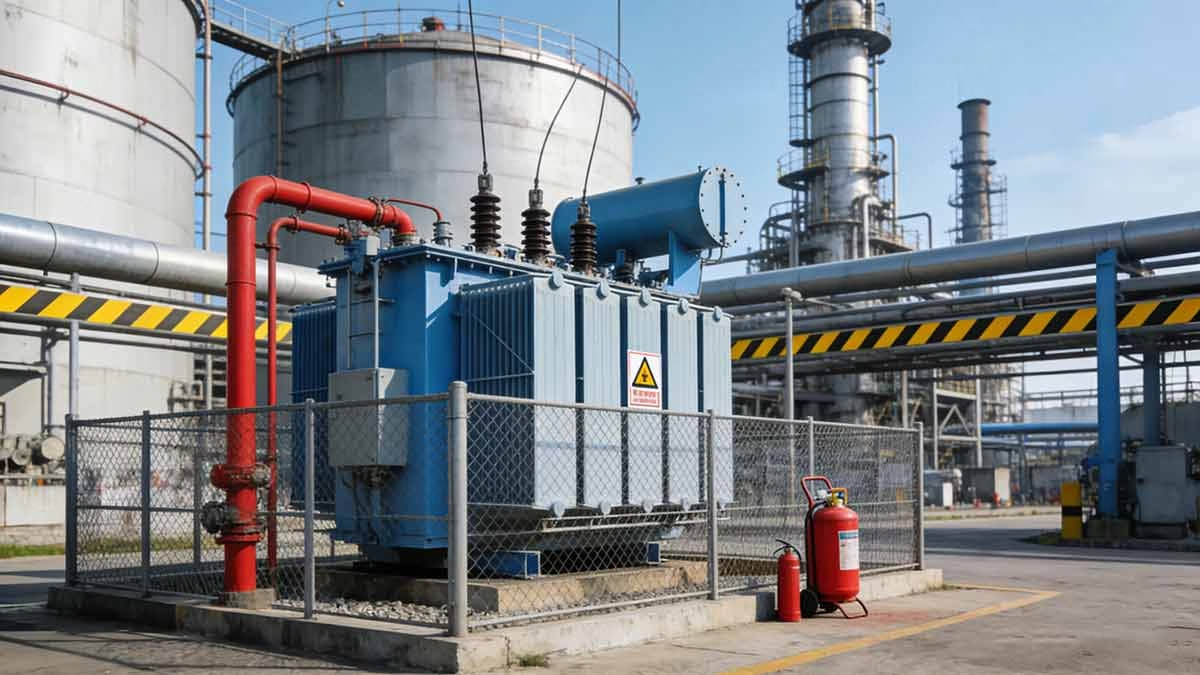
Minutes 5–10: Rapid Diagnostic Assessment
With initial actions complete, this phase focuses on identifying the root cause of the pump failure to guide targeted interventions.
- Visual Inspection of Pump Components (3 Minutes):
- Inspect the pump motor, impeller housing, and connecting pipework for visible damage, leaks, or debris obstruction. Look for signs of overheating (e.g., discolored motor casings or melted wiring insulation).
- Check the pump’s coupling and mounting brackets for signs of misalignment or wear, which can cause motor seizure or reduced flow rates.
- Electrical System Checks (2 Minutes):
- Verify the power supply to the failed pump: check for tripped circuit breakers, blown fuses, or damaged power cables.
- Test the pump motor’s continuity using a multimeter to determine if the motor windings have failed, which would require a full motor replacement.
Minutes 10–20: Emergency Mitigation Measures
If the pump failure cannot be resolved immediately, this phase focuses on maintaining oil circulation and temperature control to prevent further damage.
- Manual Oil Circulation (5 Minutes):
- If it is safe to do so, manually rotate the pump impeller using a hand crank (where equipped) to create minimal oil flow and prevent stagnation.
- Deploy portable, diesel-powered emergency pumps to connect to the transformer’s oil circulation loop, if available on-site or via prearranged emergency service contracts.
- Continuous Parameter Monitoring (Ongoing):
- Assign a dedicated technician to monitor top oil temperature, winding temperature, and load current at 1-minute intervals. Record all data to track temperature trends—stable or declining temperatures indicate effective intervention, while continuing rises signal the need for shutdown.
- Use thermal imaging tools to monitor temperature distribution across the transformer’s radiator banks, identifying areas of poor heat dissipation that may require additional attention.
- Prepare for Potential Shutdown (5 Minutes):
- Alert grid operators or plant management of the possibility of a forced transformer shutdown, providing an estimated time window based on temperature trends.
- Identify critical loads that require priority power restoration in the event of an outage, and coordinate with relevant stakeholders to implement contingency power plans.
Minutes 20–30: Decision-Making and Action Implementation
This final phase of the initial protocol requires a data-driven decision to either continue operations with emergency measures or initiate a controlled shutdown.
- Situation Assessment (5 Minutes):
- Evaluate temperature trends over the previous 10 minutes: if the top oil temperature has stabilized or decreased, emergency measures are working, and the unit can remain online at reduced load while permanent repairs are planned. If temperatures continue to rise, a controlled shutdown is necessary to prevent equipment damage.
- Assess the safety of on-site personnel: if oil leaks are present or temperatures are approaching critical thresholds, prioritize personnel safety over equipment preservation.
- Make the Go/No-Go Decision (2 Minutes):
- Go Decision: If temperatures are stable and emergency cooling measures are effective, authorize continued operation at reduced load, and initiate plans for on-load pump repairs or replacement if feasible.
- No-Go Decision: If temperatures are rising uncontrollably, initiate the transformer’s controlled shutdown procedure, following all safety protocols to prevent arcs or fires during the de-energization process.
- Implement the Chosen Action (3 Minutes):
- For a Go Decision: Deploy maintenance teams to begin repairs on the failed pump, and arrange for the delivery of replacement parts if needed. Increase the frequency of temperature and flow rate monitoring to ensure ongoing stability.
- For a No-Go Decision: Execute the shutdown procedure in coordination with grid operators, and activate fire suppression systems as a precautionary measure. Prepare the unit for offline maintenance and inspection.
Time-Sensitive Response Breakdown for Pump Failures
| Time Window | Core Actions | Key Considerations |
|---|---|---|
| 0–5 Minutes | Verify failure, reduce load, activate backups, alert teams | Speed is critical—every second delays increase temperature risks |
| 5–10 Minutes | Visual/electrical diagnostics | Focus on identifying the root cause to guide targeted fixes |
| 10–20 Minutes | Manual circulation, continuous monitoring, shutdown prep | Maintain minimal oil flow to prevent hotspot formation |
| 20–30 Minutes | Assess trends, make a go/no-go decision, and implement action | Balance equipment preservation with personnel safety |
I once managed a pump failure at a 500 MVA critical urban substation during peak summer demand, when temperatures exceeded 40°C. By strictly adhering to this 30-minute protocol, we reduced the transformer’s load to 45%, activated backup cooling fans, and deployed portable emergency pumps within 25 minutes. This allowed the unit to remain online while a replacement pump was delivered and installed, avoiding a projected 72-hour blackout that would have affected over 100,000 customers.
Critical Success Factors for Pump Failure Response
- Temperature Control Priority: The primary objective of all interventions is to prevent a runaway temperature increase. Research shows that every 10°C rise in transformer oil temperature can halve the lifespan of the unit’s insulation, making temperature stabilization the top priority.
- Oil Flow Maintenance: Even minimal oil circulation is far better than stagnation, as it prevents localized hotspots that can cause insulation breakdown. In the absence of mechanical pumps, gravity-fed oil circulation—enabled by opening appropriate valves—can provide temporary heat dissipation support.
- Strategic Load Management: Reducing the transformer’s load is often the most effective immediate action to lower heat generation. Coordination with grid operators is essential to ensure load reduction does not cause cascading issues in the broader power system.
- Clear Communication Channels: Rapid, accurate communication between on-site technicians, off-site support teams, and grid operators is critical to making informed decisions. Establish a dedicated emergency communication line for such scenarios to avoid delays.
- Safety First Principle: Never compromise the safety of on-site personnel to keep a transformer online. If temperatures approach critical thresholds or oil leaks create fire hazards, a controlled shutdown is the only responsible course of action.
It is important to note that this 30-minute emergency protocol is just the first phase of managing a cooling pump failure. Once the immediate crisis is resolved, a comprehensive root cause analysis and long-term maintenance plan are essential to prevent recurrence. By mastering these critical initial steps, facility managers and technicians can approach pump failure scenarios with confidence, protecting valuable transformer assets and ensuring an uninterrupted power supply.
Infrared Thermometers vs. Thermal Imaging Cameras: Which Tools Deliver Rapid, Accurate Temperature Diagnostics?
When a power transformer cooling system shows signs of trouble, technicians need to obtain precise temperature data quickly to guide their response. But with two common diagnostic tools available—infrared thermometers and thermal imaging cameras—which one is best suited for rapid, comprehensive temperature assessment in high-pressure emergency scenarios?
Infrared thermometers provide instant spot temperature readings for accessible components, while thermal imaging cameras generate detailed, full-field heat distribution maps that reveal hidden hotspots and temperature gradients. For rapid, holistic diagnostics of power transformer cooling system issues, thermal imaging cameras emerge as the superior choice, offering unmatched visibility into the unit’s thermal performance and enabling technicians to identify problems in hard-to-reach areas that spot measurements would miss.
Having utilized both technologies extensively in emergency and routine maintenance scenarios, I can attest to their unique strengths and limitations. Below is a detailed comparison to help technicians select the right tool for the task at hand.
Infrared Thermometers: Quick Spot Checks for Accessible Components
Infrared (IR) thermometers, also known as temperature guns, are handheld devices that measure surface temperatures by detecting the infrared radiation emitted by an object. They are a staple in every technician’s toolkit due to their portability and ease of use.
Key Advantages:
- Instant Readings: IR thermometers provide temperature measurements in seconds, allowing technicians to verify temperature spikes in accessible areas without delay.
- Exceptional Portability: Compact and lightweight, these devices can be carried in a tool belt or pocket, making them ideal for quick on-site checks during emergency responses.
- Cost-Effectiveness: IR thermometers are significantly more affordable than thermal imaging cameras, with basic models available for under $50 and professional-grade units costing less than $500. This makes them accessible for facilities with limited maintenance budgets.
- Simple Operation: Minimal training is required to use an IR thermometer effectively—technicians can point and shoot to obtain readings, with no complex calibration or data analysis needed in the field.
Key Limitations:
- Single-Point Measurements: The most significant drawback of IR thermometers is their inability to capture temperature data beyond a single spot. This means technicians may miss adjacent hotspots or temperature gradients that indicate a larger problem.
- Limited Accessibility: IR thermometers require a clear line of sight to the target surface, making them ineffective for measuring temperatures in hard-to-reach areas, such as the inner sections of radiator banks or behind protective barriers.
- Susceptibility to Environmental Interference: Factors like ambient temperature, sunlight, and surface reflectivity can skew IR thermometer readings, leading to inaccurate data if not properly accounted for.
- No Data Documentation: Basic IR thermometers do not store measurement data or generate visual records, making it difficult to track temperature trends over time or share findings with off-site technical teams.
Best Use Cases:
- Quick verification of temperature readings for accessible components, such as transformer casing surfaces, fan motor housings, and pump outlets
- Routine daily spot checks to confirm that key components are operating within normal temperature ranges
- Budget-constrained operations that require a cost-effective tool for basic temperature monitoring
Thermal Imaging Cameras: Comprehensive Heat Mapping for Holistic Diagnostics
Thermal imaging cameras capture the infrared radiation emitted by objects and convert it into visual heat maps, where different colors represent varying temperature levels. These tools provide a complete picture of an object’s thermal profile, revealing patterns and anomalies that are invisible to the naked eye or IR thermometers.
Key Advantages:
- Full-Field Temperature Visualization: Thermal cameras generate comprehensive heat distribution maps, allowing technicians to see the entire surface temperature profile of a transformer and its cooling system in a single image. This makes it easy to identify hotspots, temperature gradients, and areas of poor heat dissipation.
- Hidden Problem Detection: Thermal imaging can reveal issues in hard-to-reach areas, such as blocked radiator fins, internal component overheating, or oil flow restrictions, that would be missed by spot measurements. For example, a blocked section of a radiator may appear as a cold spot on a thermal image, indicating reduced oil flow and impending overheating.
- Data Storage and Analysis: Professional thermal imaging cameras store high-resolution images and temperature data, which can be downloaded to a computer for detailed analysis, trend tracking, and reporting. This documentation is invaluable for post-crisis root cause analysis and long-term maintenance planning.
- Temperature Range Flexibility: High-end thermal imaging cameras can measure temperatures ranging from -20°C to 2000°C, making them suitable for diagnosing a wide range of transformer cooling system issues, from minor fan malfunctions to severe overheating events.
Key Limitations:
- Higher Initial Cost: Thermal imaging cameras are a significant investment, with entry-level models starting at $1,000 and professional-grade units costing upwards of $10,000. This can be a barrier for smaller facilities or those with limited maintenance budgets.
- Steeper Learning Curve: Interpreting thermal images requires specialized training to distinguish between normal temperature variations and genuine anomalies. Technicians must learn to account for factors like emissivity, ambient temperature, and reflective surfaces to avoid misdiagnosis.
- Reduced Portability: While portable, thermal imaging cameras are bulkier than IR thermometers and require careful handling to protect their delicate lenses and sensors from damage in rugged field conditions.
Best Use Cases:
- Comprehensive diagnostic assessments of power transformer cooling systems during emergency response scenarios
- Routine preventive maintenance inspections to identify developing issues before they escalate into failures
- Post-failure root cause analysis to document temperature patterns and pinpoint the source of cooling system malfunctions
Head-to-Head Comparison of Diagnostic Tools
| Feature | Infrared Thermometer | Thermal Imaging Camera |
|---|---|---|
| Measurement Type | Discrete single-point reading | Continuous full-area thermal mapping |
| Typical Temperature Range | -50°C to 800°C | -20°C to 2000°C (professional models) |
| Accuracy | ±2% or ±2°C | ±2% or ±2°C |
| Visual Output | Numeric temperature reading only | Color-coded thermal image with temperature overlays |
| Data Storage | Minimal or none (basic models) | Extensive storage with image and temperature data logging |
| Ease of Use | Very simple; minimal training required | Moderate learning curve; requires training for image interpretation |
| Cost Range | $50–$500 | $1,000–$10,000+ |
| Ideal Application | Quick spot checks; routine daily monitoring | Comprehensive diagnostics; hidden hotspot detection; preventive maintenance |
I once led a diagnostic team investigating a transformer that was consistently running hot despite repeated spot checks with an infrared thermometer showing normal temperatures. A thermal imaging scan revealed a blocked section of the radiator bank—hidden behind a protective metal grille—that was causing restricted oil flow and localized overheating. The IR thermometer had failed to detect the issue because technicians could not get a clear line of sight to the blocked area. By cleaning the radiator fins and restoring oil flow, we resolved the problem and prevented a potential failure that would have cost the facility over $1 million in downtime and repairs.
Best Practices for Effective Temperature Diagnostics
To maximize the value of both tools and ensure accurate, reliable temperature data, technicians should follow these industry-proven best practices:
- Establish Baseline Thermal Profiles:Document normal operating temperature patterns for each transformer and its cooling system using both IR thermometers and thermal imaging cameras. Create a “thermal fingerprint” for healthy units, which can be used as a reference to identify anomalies during emergency scenarios.
- Implement a Tiered Monitoring Schedule:Use IR thermometers for daily spot checks of key components (e.g., pump motors, fan housings, radiator inlets). Conduct weekly comprehensive thermal imaging scans to detect developing issues before they trigger alarms. This tiered approach balances efficiency and thoroughness.
- Focus on Critical High-Risk Areas:During both routine and emergency diagnostics, prioritize scanning critical components that are prone to overheating, including transformer bushings, tap changers, radiator banks, and oil circulation pumps. These areas are the most likely to experience failures that impact cooling system performance.
- Account for Environmental Factors:When using either tool, adjust for environmental conditions that can affect readings. For IR thermometers, avoid measuring surfaces exposed to direct sunlight, and use emissivity correction settings for reflective surfaces like metal. For thermal imaging cameras, use protective lens covers in dusty or humid environments, and calibrate the device for ambient temperature before each use.
- Combine Tools for Optimal Results:While thermal imaging cameras are superior for comprehensive diagnostics, IR thermometers play a valuable role in verifying specific temperature points identified in thermal images. For example, if a thermal image reveals a hotspot on a pump motor, an IR thermometer can provide a precise temperature reading to confirm if the component is operating outside safe limits.
- Invest in Technician Training:For facilities that use thermal imaging cameras, provide specialized training to technicians on image interpretation, emissivity adjustment, and data analysis. This ensures that thermal data is used to its full potential, leading to more accurate diagnoses and better-informed maintenance decisions.
- Integrate Thermal Data into Maintenance Plans:Use temperature data from both tools to guide preventive maintenance schedules. For example, a gradual increase in radiator temperature over time may indicate accumulating debris, signaling the need for a cleaning session before a failure occurs.
While thermal imaging cameras are the gold standard for comprehensive, rapid diagnostics of power transformer cooling system issues, infrared thermometers remain an invaluable tool for quick spot checks and routine monitoring. The most effective approach is to deploy both technologies in tandem, leveraging the strengths of each to ensure that no temperature anomaly goes undetected. By investing in these diagnostic tools and training technicians to use them effectively, facilities can significantly reduce the risk of cooling system failures and extend the lifespan of their transformer assets.
Case Study: How an Urban Substation Averted Catastrophic Meltdown Using Mobile Cooling Units
What happens when a critical power transformer’s cooling system fails completely during a record-breaking heatwave, putting an entire city’s power supply at risk? This real-world case study explores how a large urban substation deployed mobile cooling units to stabilize a 500 MVA transformer, avoid a catastrophic meltdown, and prevent a citywide blackout that would have disrupted millions of lives.
Faced with a total cooling system failure on a 500 MVA transformer during a 40°C (104°F) heatwave, the engineering team at a major urban substation successfully averted disaster by rapidly deploying three trailer-mounted mobile cooling units. This emergency intervention not only stabilized the transformer’s temperature and prevented a meltdown but also saved the utility company an estimated $5 million in equipment replacement costs and avoided 72 hours of citywide power outages that would have affected over 1 million residents. The case highlights the critical role of pre-planned emergency cooling strategies and mobile equipment in safeguarding critical power infrastructure.
As the lead on-call engineer for the utility company during this crisis, I was on the ground coordinating the response from the moment the alarm was triggered. Below is a detailed account of the incident, the challenges faced, the interventions implemented, and the key lessons learned that can help other facilities prepare for similar emergencies.
The Crisis Scenario: A Perfect Storm of Failures
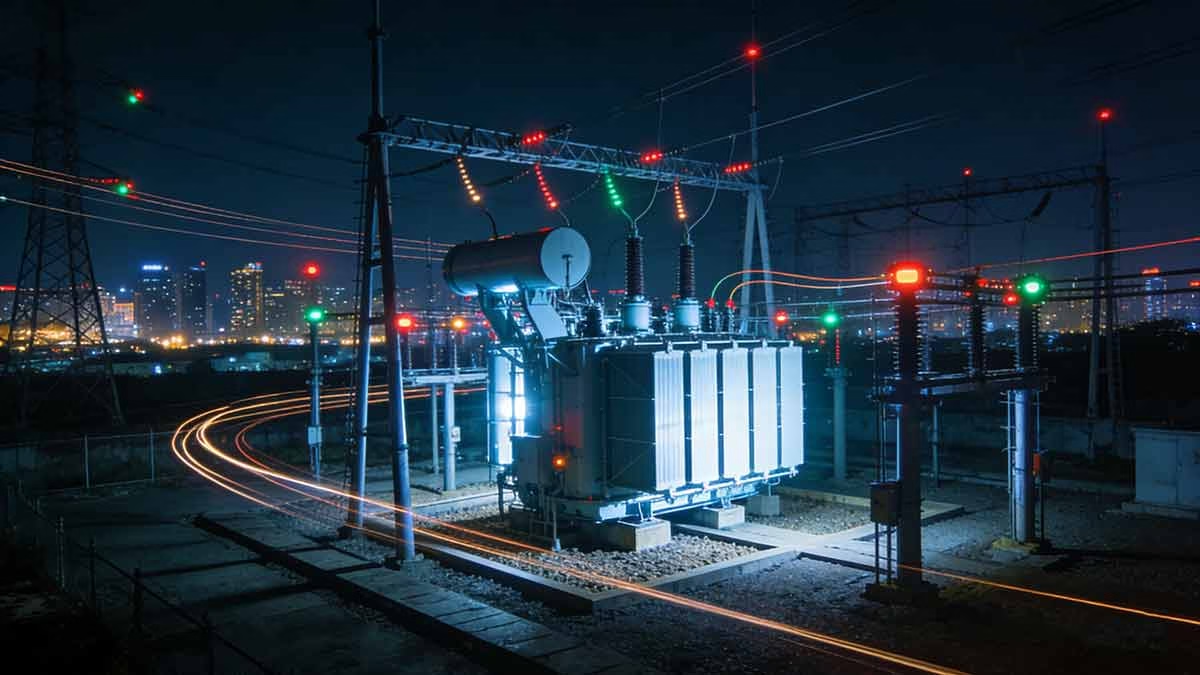
Facility Profile: The substation at the center of the crisis is a key hub in a major city’s power grid, housing four 500 MVA transformers that supply electricity to residential, commercial, and industrial areas across the city’s downtown core.
Equipment Details: The affected transformer was a 10-year-old mineral oil-filled unit, equipped with a forced-air cooling system consisting of 12 radiator banks, four main circulation pumps, and 24 cooling fans. The unit was operating at 90% of its rated capacity at the time of the failure, due to peak summer demand driven by air conditioning use.
Triggering Event: At 2:00 PM on a record-breaking hot day, the substation’s SCADA system issued a cascade of alarms: cooling pump failure, fan motor overload, and a rapid spike in top oil temperature—climbing from 92°C to 108°C in just 15 minutes. A subsequent on-site inspection revealed a complete failure of the transformer’s cooling control system, which had caused all pumps and fans to shut down simultaneously.
The Stakes: With the transformer’s temperature rapidly approaching the critical 110°C threshold (which would trigger an automatic shutdown), the engineering team faced a dire situation. A forced shutdown of the 500 MVA unit would cut power to 40% of the city’s downtown core, affecting hospitals, emergency services, transportation systems, and millions of residents. Worse, if temperatures continued to rise beyond 120°C, the transformer’s oil could ignite, leading to a catastrophic meltdown that would destroy the unit and potentially damage adjacent equipment.
Immediate Response: First 30 Minutes of Intervention
Following the emergency protocol outlined earlier in this guide, the team took decisive action in the first 30 minutes:
- Load Reduction: Coordinated with the grid control center to reduce the transformer’s load to 60% of rated capacity, redirecting excess power through two smaller, underutilized transformers at the substation.
- Manual Intervention: Dispatched technicians to manually activate backup cooling fans, but discovered that the control system failure had rendered these backups inoperable. The team then opened manual valves to enable gravity-fed oil circulation, which provided minimal heat dissipation but slowed the temperature rise.
- Continuous Monitoring: Deployed thermal imaging cameras to monitor temperature distribution across the transformer’s radiator banks, confirming that heat was accumulating uniformly due to the lack of forced air and oil circulation.
- Emergency Equipment Request: Activated the utility company’s emergency response plan, requesting the immediate deployment of three trailer-mounted mobile cooling units from a regional equipment depot located 45 minutes away.
Emergency Cooling Deployment: 30 Minutes to 2 Hours
The critical turning point in the crisis came with the rapid deployment and integration of mobile cooling units—specialized trailer-mounted systems designed to provide emergency heat dissipation for transformers during cooling system failures.
- Mobile Unit Mobilization: The regional equipment depot dispatched three 50-ton mobile cooling units within 10 minutes of the request, with each unit staffed by a certified technician. The units were transported to the substation via dedicated emergency vehicles, bypassing traffic using designated emergency routes.
- Rapid On-Site Setup: Upon arrival at the substation, the team used quick-connect fittings to link the mobile cooling units to the transformer’s oil circulation system. These fittings—installed during a previous maintenance upgrade—allowed the team to establish a connection in just 15 minutes per unit, a process that would normally take several hours with standard fittings.
- Supplementary Cooling Measures: While the mobile units were being connected, the team deployed portable high-velocity fans to blow ambient air over the transformer’s radiator banks, and set up water misting systems to lower the ambient temperature around the unit by 3–5°C. These measures provided temporary relief and slowed the temperature rise while the mobile units were brought online.
- System Activation: After 90 minutes from the initial request, all three mobile cooling units were activated, drawing hot oil from the transformer, cooling it in their on-board heat exchangers, and returning it to the unit at a temperature 20°C lower than the incoming oil.
Results and Impact: Averted Disaster and Minimal Disruption
The deployment of mobile cooling units had an immediate and dramatic impact on the transformer’s operational status, as evidenced by the following key metrics:
| Operational Metric | Before Mobile Cooling Intervention | After Mobile Cooling Activation |
|---|---|---|
| Top Oil Temperature | 108°C (rising rapidly) | Stabilized at 85°C within 1 hour |
| Winding Temperature | 125°C (critical threshold) | Reduced to 100°C within 2 hours |
| Transformer Load Capacity | Restricted to 60% of rated capacity | Restored to 85% of rated capacity |
| Estimated Downtime Avoided | 72 hours of citywide outages | 0 hours of unplanned downtime |
| Cost Savings | $5 million (equipment replacement + downtime losses) | $50,000 (emergency response + mobile unit rental) |
The transformer remained online throughout the crisis, with the mobile cooling units providing continuous support for 72 hours while the substation’s engineering team repaired the failed control system and replaced the damaged cooling pumps and fans. After the repairs were completed, the mobile units were disconnected and returned to the regional depot, with the transformer resuming normal operation using its native cooling system.
Key Lessons Learned: Preparing for Future Emergencies
This crisis highlighted several critical lessons that have since been integrated into the utility company’s emergency preparedness and maintenance programs:
- Invest in Mobile Cooling Infrastructure: Mobile cooling units are not optional luxury equipment—they are essential emergency tools for critical power transformers. The utility company has since expanded its fleet of mobile units from three to ten, with units strategically located at depots across the service area to ensure a 30-minute response time to any substation.
- Install Quick-Connect Fittings: The quick-connect fittings were the single most important factor in the rapid deployment of mobile units. The company has since retrofitted all of its 500 MVA and larger transformers with these fittings, reducing connection time from hours to minutes.
- Conduct Regular Emergency Drills: The team’s ability to respond quickly was a direct result of quarterly emergency drills that simulated cooling system failures and mobile unit deployments. These drills have since been expanded to include cross-training with local emergency services and grid operators.
- Develop Strategic Partnerships: The utility company has established formal partnerships with mobile cooling equipment rental companies to ensure access to additional units in the event of a large-scale crisis. These partnerships include priority access clauses and pre-negotiated rental rates to avoid delays during emergencies.
- Integrate Supplementary Cooling Measures: The water misting and portable fan systems provided critical temporary relief during the deployment phase. The company has since installed permanent misting systems at all major substations and maintains a stock of high-velocity portable fans for emergency use.
I vividly remember the tense moments as we watched the transformer’s temperature gauge, waiting for the mobile units to kick in. When the needle finally began to drop, a wave of relief washed over the team—we had not only saved a valuable piece of equipment but also prevented a citywide crisis that would have disrupted countless lives. This experience underscores a simple but powerful truth: in the world of power transformer management, preparedness is the most effective defense against emergency scenarios.
The Silent Killer: How Oil Viscosity Degradation Accelerates Transformer Overheating
While most facility managers and technicians focus on visible cooling system components—like pumps, fans, and radiators—when addressing overheating issues, there is a less obvious, more insidious factor that often flies under the radar: oil viscosity degradation. This gradual, unseen change in the transformer’s cooling medium can silently sabotage heat dissipation efficiency, leading to accelerated overheating, hidden hotspots, and premature equipment failure if left unaddressed.
Transformer oil viscosity directly impacts the fluid’s ability to flow through cooling systems and transfer heat away from critical components. As oil thickens due to aging, oxidation, or contamination, its flow rate decreases, reducing heat dissipation capacity and creating stagnant zones that spawn hotspots. This process accelerates insulation degradation and can lead to catastrophic transformer failures, all without triggering obvious early warning signs—earning it the title of the “silent killer” of power transformer cooling systems.
Having investigated dozens of transformer overheating cases where viscosity degradation was the root cause, I’ve seen firsthand how this subtle issue can elude even experienced technicians. Below is a detailed exploration of how oil viscosity impacts cooling efficiency, the factors that drive viscosity changes, and the strategies to detect and mitigate this silent threat.
Understanding Transformer Oil Viscosity: The Basics
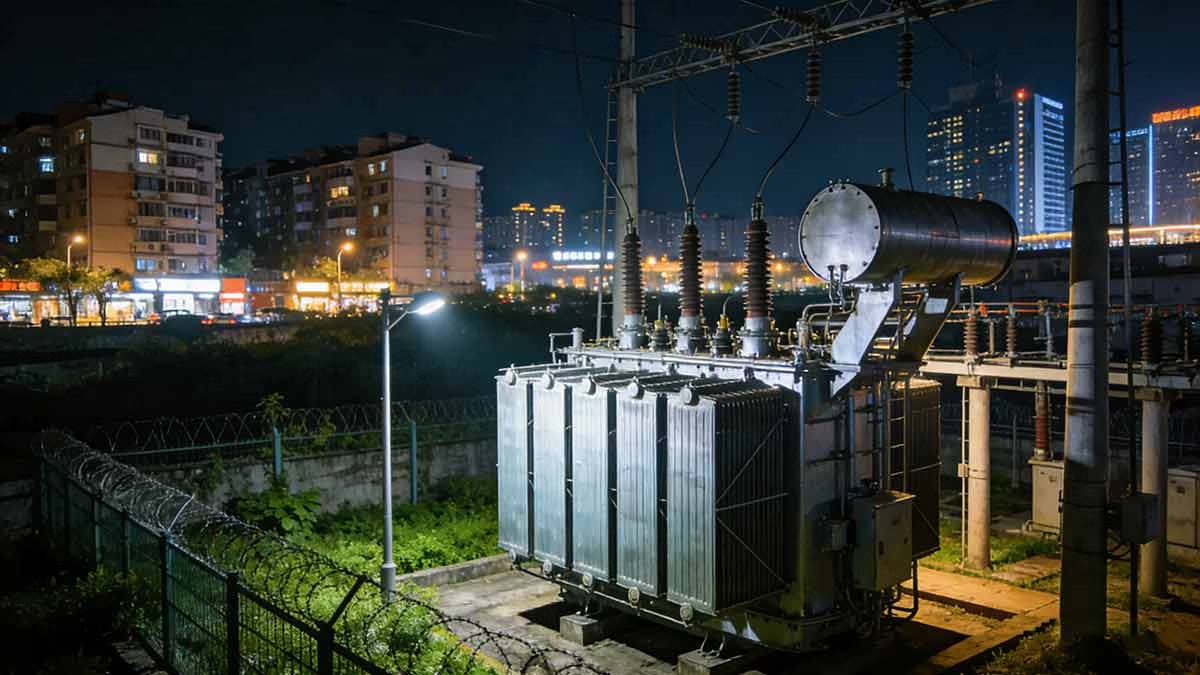
Viscosity is a measure of a fluid’s resistance to flow—essentially, how “thick” or “thin” the oil is. For power transformers, the oil serves two critical functions: it insulates electrical components and transfers heat away from the core and windings to the cooling system. Both functions depend on the oil maintaining its optimal viscosity over time.
Ideal Viscosity Range: The optimal viscosity for mineral transformer oil typically falls between 8 and 12 centistokes (cSt) at 40°C, as specified by international standards such as IEC 60296. Synthetic transformer oils may have different viscosity ranges, depending on their chemical composition and intended application.
Key Factors Affecting Viscosity:
- Temperature Fluctuations: Oil viscosity decreases as temperature rises (thinning) and increases as temperature drops (thickening). While this is a normal physical response, extreme temperature swings can exacerbate viscosity-related issues.
- Oxidation Over Time: When transformer oil is exposed to oxygen over extended periods—especially at high temperatures—it undergoes oxidation, which forms sludge and other byproducts that increase viscosity. This is the primary driver of long-term viscosity degradation in most transformers.
- Moisture Contamination: Water ingress into the transformer can react with oil components to form acids and sludge, both of which increase viscosity and reduce heat transfer efficiency.
- Particle Contamination: Dirt, metal particles, and other debris can accumulate in the oil over time, increasing viscosity and causing abrasion to pump components and radiator fins.
How Viscosity Degradation Undermines Cooling System Performance
As transformer oil viscosity increases beyond its optimal range, it creates a cascade of effects that compromise the cooling system’s ability to dissipate heat, leading to accelerated overheating and equipment damage. Let’s break down these effects in detail:
- Reduced Oil Flow Rates: Thicker oil requires more energy to pump through the transformer’s cooling loop. As viscosity increases, pump efficiency drops, leading to lower oil flow rates. For example, a 25% increase in viscosity can reduce flow rates by 15–20%, directly cutting the cooling system’s heat dissipation capacity.
- Diminished Heat Transfer Efficiency: The heat transfer properties of transformer oil are directly linked to its ability to flow around hot components and carry heat to the cooling system. Thicker oil flows more slowly, reducing its capacity to absorb and transfer heat. A 50% viscosity increase can reduce cooling efficiency by 20–30%, leading to steady temperature rises even under normal load conditions.
- Increased Pump Stress and Wear: Pumps must work harder to circulate thickened oil, leading to higher energy consumption, increased motor temperature, and accelerated wear on pump impellers and bearings. This creates a vicious cycle: pump wear reduces flow rates further, leading to more overheating and more viscosity degradation.
- Hidden Hotspot Formation: The most dangerous consequence of viscosity degradation is the formation of hidden hotspots in areas where oil flow becomes stagnant or extremely slow. These hotspots—often located in the transformer’s core or winding gaps—accelerate local insulation degradation, leading to internal arcing and eventual failure if not detected early.
The Correlation Between Viscosity Increase and Cooling Efficiency Loss
The following table illustrates the direct relationship between oil viscosity elevation and the corresponding reduction in flow rates and cooling efficiency, based on industry testing and field data:
| Percentage of Viscosity Increase | Corresponding Flow Rate Reduction | Resulting Cooling Efficiency Loss |
|---|---|---|
| 10% | 5–8% | 3–5% |
| 25% | 15–20% | 10–15% |
| 50% | 30–40% | 20–30% |
| 100% | 50–60% | 40–50% |
I once investigated a 300 MVA industrial transformer that had been experiencing persistent overheating issues for months, despite repeated inspections of the cooling fans, pumps, and radiators that revealed no visible problems. Thermal imaging scans showed uniform temperature rises across the unit, with no obvious hotspots to indicate a localized failure. A comprehensive oil analysis finally uncovered the root cause: the oil’s viscosity had increased by 40% due to advanced oxidation, likely accelerated by a small, undetected water leak. Replacing the contaminated oil with fresh, high-quality mineral oil restored the transformer’s normal operating temperature and extended its projected lifespan by an estimated 8–10 years.
Detecting Viscosity Degradation: Proactive Monitoring Strategies
Because viscosity degradation is a gradual, invisible process, it requires proactive monitoring to detect before it causes significant cooling system issues. Below are the most effective strategies for identifying viscosity-related problems in power transformers:
- Regular Oil Analysis Testing: The gold standard for detecting viscosity degradation is regular oil sampling and analysis, conducted in accordance with IEC 60422 or ASTM D3487 standards. For critical transformers, oil should be tested at least annually; for units operating in harsh conditions (e.g., high temperatures, high humidity), testing should be conducted every six months. Key tests to include are viscosity measurement at 40°C and 100°C, acid number determination, water content analysis, and particle count.
- Continuous Temperature Trend Monitoring: Unexplained, gradual increases in transformer top oil temperature or winding temperature—especially under normal load conditions—can be a telltale sign of viscosity degradation. Facilities should track temperature trends over time, using SCADA systems to alert operators to slow, steady temperature rises that fall below immediate alarm thresholds but indicate developing issues.
- Oil Flow Rate Monitoring: Install flow meters in the transformer’s cooling loop to track oil flow rates over time. A significant, unexplained decrease in flow rate—without corresponding pump failures or blockages—can indicate increasing oil viscosity.
- Pump Performance Analysis: Monitor pump motor current draw and energy consumption over time. An increase in current draw without a corresponding increase in load can signal that the pump is working harder to circulate thickened oil, indicating potential viscosity issues.
- Thermal Imaging for Flow Pattern Analysis: Advanced thermal imaging techniques can help identify subtle temperature gradients across radiator banks that indicate uneven oil flow— a common symptom of viscosity degradation. For example, cooler sections of a radiator may indicate slow-moving oil, while hotter sections indicate areas where the oil is unable to dissipate heat effectively.
Mitigating Viscosity Degradation: Effective Solutions and Preventive Measures
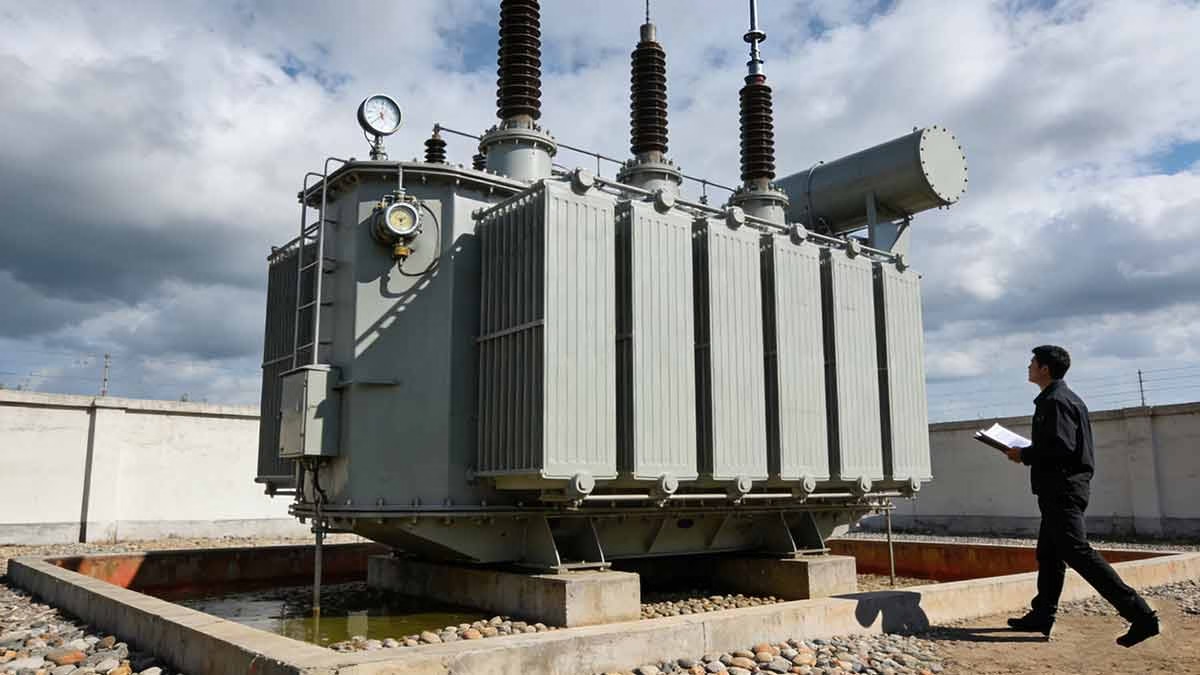
Once viscosity degradation is detected, there are several targeted strategies to address the issue and prevent it from recurring. The appropriate solution depends on the severity of the viscosity increase and the root cause of the problem:
- Oil Filtration and Purification: For minor to moderate viscosity issues caused by contamination (e.g., dirt, metal particles, or low levels of water), on-site oil filtration and purification can be an effective solution. These processes remove contaminants and sludge, restoring the oil’s viscosity to near-original levels without requiring a full oil change. The advantage of this approach is that it can be performed while the transformer remains in service, minimizing downtime.
- Full Oil Replacement: For severe viscosity degradation (e.g., 50% or more increase) caused by advanced oxidation or heavy contamination, a full oil replacement is the most reliable solution. This involves draining the old oil, flushing the transformer’s cooling loop to remove sludge and debris, and refilling the unit with fresh oil that meets the manufacturer’s specifications. This is also an opportunity to upgrade to a higher-quality oil, such as synthetic ester oil, which offers better oxidation resistance and thermal stability than standard mineral oil.
- Antioxidant Additive Treatment: Adding oil-soluble antioxidants to the transformer oil can slow the rate of oxidation and viscosity degradation, extending the oil’s service life. This is a cost-effective preventive measure for transformers operating in high-temperature environments, but it should be done in consultation with an oil specialist to ensure compatibility with the existing oil and transformer components.
- Cooling System Upgrades: For transformers that operate in harsh conditions or are approaching the end of their service life, upgrading the cooling system can help mitigate the effects of viscosity degradation. This may include installing higher-capacity pumps to handle thicker oil, adding additional radiator banks to increase heat dissipation area, or upgrading to a forced-oil forced-air (FOFA) cooling system for improved efficiency.
- Environmental Control Measures: Reducing exposure to factors that accelerate viscosity degradation can significantly extend oil life. This includes installing moisture barriers to prevent water ingress, maintaining proper ventilation to keep ambient temperatures stable, and ensuring that the transformer’s conservator tank is properly sealed to minimize oxygen exposure.
Key Takeaways for Combating the Silent Killer
Oil viscosity degradation is a natural part of transformer aging, but it doesn’t have to be a silent killer. By understanding how viscosity impacts cooling efficiency, implementing proactive monitoring strategies, and taking targeted action to address issues when they arise, facility managers can prevent accelerated overheating and extend the lifespan of their transformer assets.
The most effective defense against viscosity-related problems is a combination of regular oil analysis and comprehensive cooling system maintenance. By integrating these practices into a preventive maintenance program, facilities can catch viscosity degradation early—before it causes costly failures or extended outages. Remember, the key to managing this silent threat is not to wait for alarms to sound, but to stay one step ahead with proactive monitoring and intervention.
Conclusion
Malfunctions in power transformer cooling systems represent one of the most significant threats to the reliability of critical power infrastructure, but they do not have to lead to catastrophic failures or extended outages. By mastering the five critical emergency response steps outlined in this guide—recognizing urgent overheating warning signs, executing a precise 30-minute protocol for pump failures, leveraging the right diagnostic tools for rapid temperature assessment, deploying mobile cooling units as an emergency intervention, and addressing the silent threat of oil viscosity degradation—technicians and facility managers can turn high-pressure crises into manageable situations.
The key to successful emergency response lies in a combination of preparedness, expertise, and proactive monitoring. Establishing clear protocols, investing in essential diagnostic and emergency equipment, and training personnel to recognize and respond to early warning signs are all critical components of a robust cooling system management strategy. Additionally, integrating preventive maintenance practices—such as regular oil analysis, thermal imaging inspections, and equipment drills—can help identify developing issues before they escalate into emergencies.
In the world of power transformer operations, every minute counts during a cooling system failure. But with the knowledge, tools, and protocols outlined in this guide, operators can approach these scenarios with confidence, protecting valuable equipment assets, ensuring uninterrupted power supply, and safeguarding the communities and industries that depend on reliable electricity. By prioritizing the health and efficiency of power transformer cooling systems, facilities can minimize risks, reduce costs, and ensure the long-term reliability of their power infrastructure for years to come.