
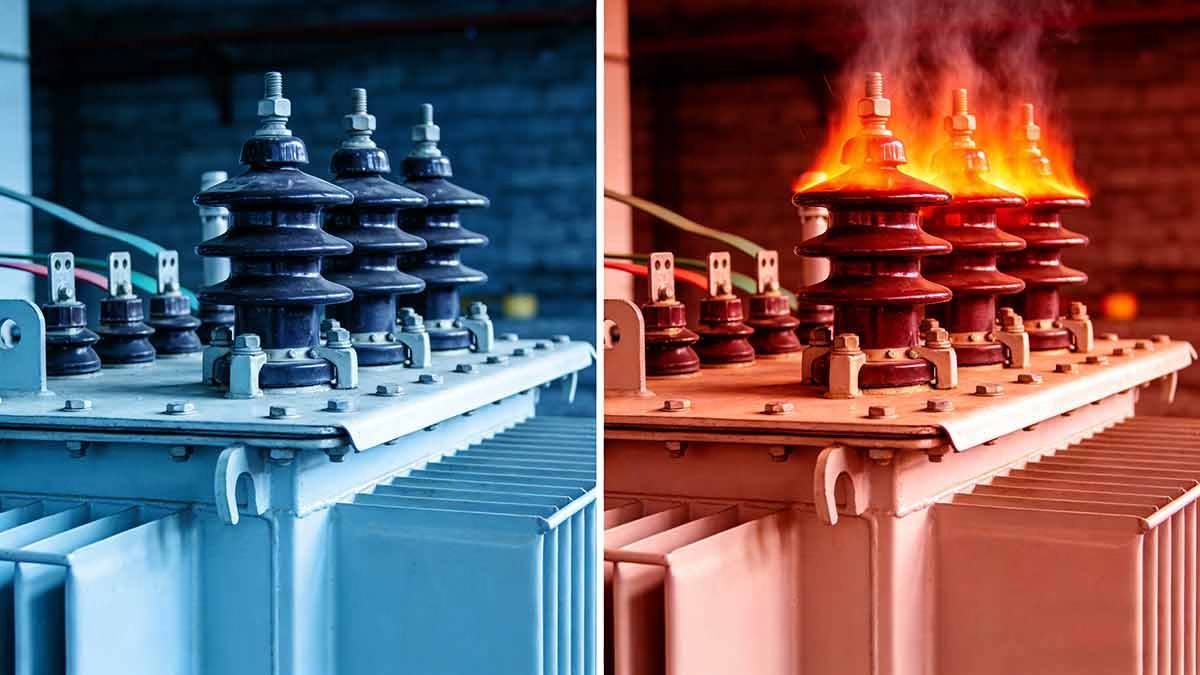
Power transformer overheating is one of the most common and dangerous issues in electrical systems. When a power transformer overheats, it risks insulation damage, shortened service life, unexpected downtime, and even fire or explosion hazards. Understanding the real causes of power transformer overheating helps you take early action, avoid costly failures, and keep operations running safely and efficiently.
Contents
hide
Key Basics: Normal Heat vs. Dangerous Overheating
All transformers produce some heat during normal operation due to energy losses. Mild warmth is expected, but consistently high temperatures indicate a problem.
- Normal operating temperature: Typically below 90°C for most standard units
- Warning zone: 100°C–120°C requires immediate inspection
- Critical zone: Above 120°C risks permanent damage and failure
Heat buildup happens when heat generation > heat dissipation. Any condition that increases heat output or blocks cooling will lead to power transformer overheating.
Top Electrical Causes of Power Transformer Overheating
Electrical issues are the most frequent triggers for power transformer overheating. These problems directly increase current, resistance, and internal heat.
Overloading and Excessive Load
Overloading is the single most common cause of power transformer overheating.
- Operating above the rated kVA capacity increases winding current
- Copper losses rise sharply with higher current, creating excess heat
- Long‑term overload accelerates insulation aging and breakdown
- Common in factories, data centers, and facilities with growing power demand
Three‑Phase Load Imbalance
Unbalanced loads put uneven stress on transformer windings.
- One phase carries significantly more current than the others
- Heavily loaded phase overheats while other phases remain cool
- Common with single‑phase heavy machinery or uneven distribution
- Shortens life and reduces overall efficiency
Harmonic Distortion
Non‑linear loads create harmonics that raise heat without increasing useful power.
- Sources: VFDs, UPS systems, LED lighting, rectifiers, computers
- Harmonics increase eddy current losses in windings and core
- Results in unexplained power transformer overheating even at rated load
- Often overlooked in standard current and voltage checks
Voltage Abnormalities
Overvoltage and undervoltage both stress the transformer and cause overheating.
- Overvoltage increases core flux density and iron losses
- Undervoltage forces a higher current to deliver the same power
- Both lead to higher operating temperatures
- Common in unstable grids or remote power systems
Internal Component Faults That Cause Power Transformer Overheating
Internal defects often create hotspots that lead to sudden power transformer overheating. These issues are hard to see but very destructive.
Winding Insulation Failure
Damaged insulation is a major source of power transformer overheating.
- Turn‑to‑turn or layer‑to‑layer short circuits
- Creates localized high heat and rapid temperature rise
- Caused by aging, moisture, physical damage, or overheating
- May produce burning smells, unusual noise, or gas formation
Core Problems
The transformer core can generate excess heat due to structural issues.
- Core lamination damage increases eddy current losses
- Multiple ground points create circulating currents
- Over‑excitation from high voltage drives overheating
- Hotspots in the core spread to windings and oil
Tap Changer Issues
Tap changers regulate output voltage but often cause local overheating.
- Poor contact increases resistance at connection points
- Contamination, wear, or insufficient pressure create hotspots
- Heat concentrates on contacts and spreads to nearby parts
- Common after tap changes or under heavy load
Poor Connections and Loose Parts
Loose or corroded connections increase resistance and heat.
- Loose bushings, cables, or internal links
- Oxidation and corrosion raise contact resistance
- Vibration worsens connections over time
- Local hotspots can burn insulation and cause failures
Cooling System Failures Leading to Power Transformer Overheating
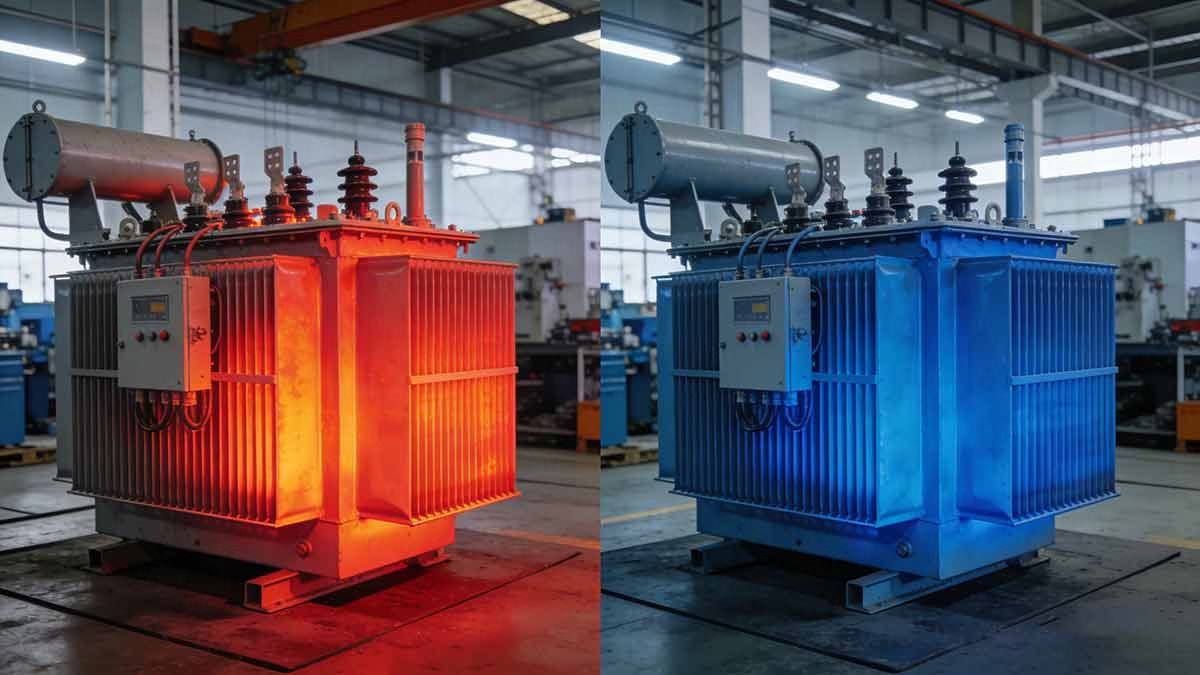
Even a healthy transformer will overheat if cooling fails. Cooling problems are easy to misdiagnose.
Cooling System Malfunctions
Cooling equipment directly controls temperature.
- Fans are not starting or running slowly
- Oil pumps are failing or losing pressure
- Coolant leaks reduce cooling capacity
- Control system errors disable cooling functions
Blocked Radiators and Ventilation
Dust and dirt block heat escape paths.
- Radiators and fins covered in dust, dirt, or debris
- Ventilation ducts are blocked or closed
- Objects placed too close to the transformer
- Airflow severely reduced, leading to power transformer overheating
Transformer Oil Issues (Oil‑Immersed Units)
Oil carries away heat and insulates; degraded oil fails at both.
- Low oil level from leaks
- Contaminated, oxidized, or sludged oil
- Moisture in oil reduces insulation and cooling
- Oil breakdown reduces heat transfer efficiency
Dry‑Type Cooling Problems
Dry‑type transformers rely entirely on airflow.
- Enclosed spaces with no ventilation
- High ambient temperature reduces cooling efficiency
- Blocked air paths inside the unit
- Fans not operating as designed
Environmental and Installation Causes of Power Transformer Overheating
The environment often contributes to power transformer overheating without being obvious.
High Ambient Temperature
Hot surroundings reduce the transformer’s ability to cool down.
- Outdoor units in direct sunlight or summer heat
- Indoor units near boilers, furnaces, or other heat sources
- Poor ventilation in small rooms or enclosed areas
- Cooling capacity drops as ambient temperature rises
Poor Installation and Placement
Wrong location traps heat and causes ongoing overheating.
- Too close to walls, ceilings, or other equipment
- No space for air intake and exhaust
- Installed in non‑ventilated cabinets or buildings
- Heat builds up rapidly under load
Contamination and Harsh Conditions
Dust, chemicals, and moisture damage cooling and insulation.
- Dust, lint, and industrial particles block radiators
- Corrosive fumes damage components and connections
- Moisture ingress degrades insulation
- Contamination increases both heat and risk
Aging, Maintenance, and Operational Causes
Lack of care and natural aging are slow but common causes of power transformer overheating.
Aging and Wear
All transformers degrade over time.
- Insulation becomes brittle and less effective
- Connections loosen and corrode
- Oil breaks down and loses its cooling ability
- Older units run hotter even under normal load
Lack of Preventive Maintenance
Skipped maintenance leads to gradual failure.
- No regular cleaning of radiators and vents
- No oil testing or replacement for oil‑immersed units
- No tightening of connections
- No inspection of cooling systems
Improper Operation
Human error often causes power transformer overheating.
- Overloading to meet temporary demand
- Ignoring warning signs like high temperature alarms
- Incorrect tap settings
- Poor load management
How to Diagnose Power Transformer Overheating: Quick Checklist
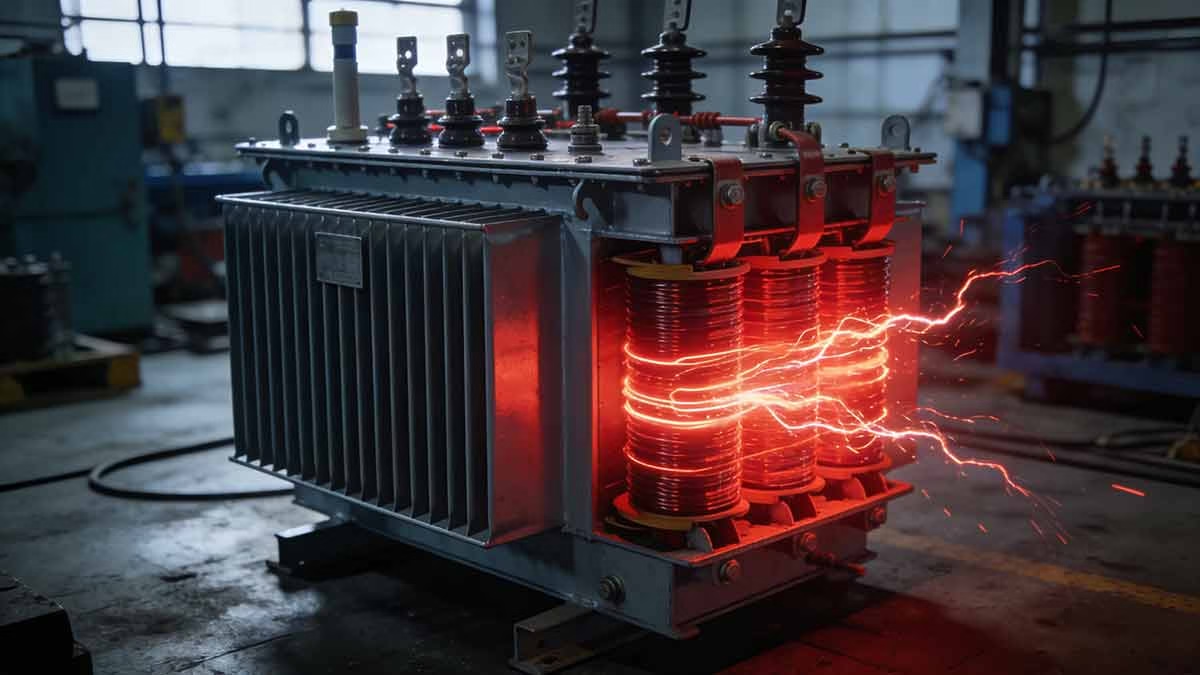
Use this simple checklist to find the cause of power transformer overheating on site.
| Symptom | Likely Cause |
|---|---|
| High temperature at full load | Overloading or imbalance |
| Local hotspots on casing | Poor connections or tap changer issues |
| Overheating with normal load | Harmonics or cooling failure |
| Overheating in hot weather | Environmental or ventilation issues |
| Burning smell or smoke | Internal insulation or winding fault |
| High temperature with clean radiators | Internal component fault |
Step-by-Step Diagnosis
- Check load levels against rated capacity
- Verify three‑phase balance
- Inspect cooling fans, pumps, and radiators
- Test oil condition and level (oil‑immersed)
- Check for loose or corroded connections
- Measure harmonics and voltage stability
- Inspect for physical damage or contamination
How to Prevent Power Transformer Overheating
Prevention is far cheaper than repair or replacement.
- Size transformers correctly for actual and future load
- Balance three‑phase loads evenly
- Install harmonic filters where needed
- Maintain proper ventilation and clear space
- Clean radiators and vents regularly
- Test transformer oil annually (oil‑immersed)
- Tighten connections during maintenance
- Monitor temperature with alarms and monitoring systems
- Train staff to recognize early warning signs
Real‑World Example: Solving Power Transformer Overheating
A manufacturing plant faced repeated power transformer overheating. Initial checks showed normal load and voltage. Further testing revealed high harmonics from VFD‑driven machinery. The solution included harmonic filters, improved ventilation, and a scheduled maintenance plan. Within two weeks, operating temperatures dropped by 25°C, and no further overheating occurred.
This example shows that power transformer overheating often has hidden causes that require systematic checking.
Conclusion
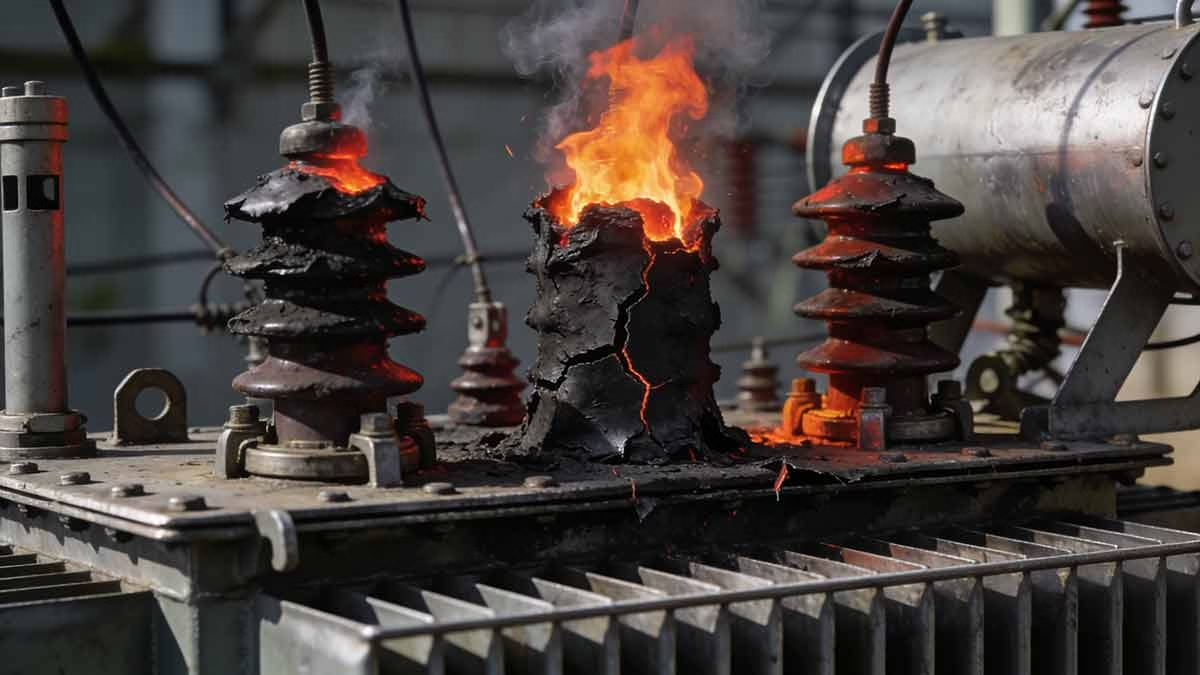
Power transformer overheating is never random. It comes from overload, electrical imbalance, cooling failure, internal faults, environmental conditions, or poor maintenance. By understanding these causes, you can detect problems early, prevent failures, and extend your transformer’s service life.
If you regularly face power transformer overheating or want to upgrade to more reliable, thermally stable transformers designed for continuous safe operation, professional support can help you choose the right equipment for your needs.