
Transformer oil is a vital component in electrical systems. It plays a crucial role in the operation of transformers. Understanding the function of transformer oil is essential for anyone involved in electrical engineering. Transformer oil serves multiple purposes. It acts as an insulator, preventing electrical discharges. The oil also helps in cooling the transformer. It dissipates heat generated during operation.
Moisture prevention is another key function. The oil acts as a barrier against moisture, protecting components. Transformer oil enhances the dielectric strength of transformers. This allows them to handle higher voltages safely. Regular testing and maintenance of transformer oil are crucial. They ensure optimal performance and longevity.
In this article, we will explore the essential functions of transformer oil. We will also discuss transformer oil benefits and the importance of oil in transformers.
What is Transformer Oil?
Transformer oil is a specialized mineral or synthetic oil. It is used in transformers to ensure efficient operation and longevity.
This oil serves several critical roles within the transformer. Its primary functions include insulation, cooling, and protection of components—the core function of oil in transformer operation.
There are two main types of transformer oil: mineral-based and synthetic. Mineral oil is derived from refined petroleum, while synthetic oil is engineered for better performance.
The characteristics of transformer oil make it indispensable in electrical systems:
- Dielectric Strength: Prevents electrical discharges.
- Thermal Conductivity: Facilitates heat dissipation.
- Moisture Barrier: Protects against corrosion and degradation.
Transformer oil’s purity and properties are crucial for maintaining transformer efficiency. It ensures safe operation under varying conditions and demands. Proper selection and handling of oil in transformers further support reliability.
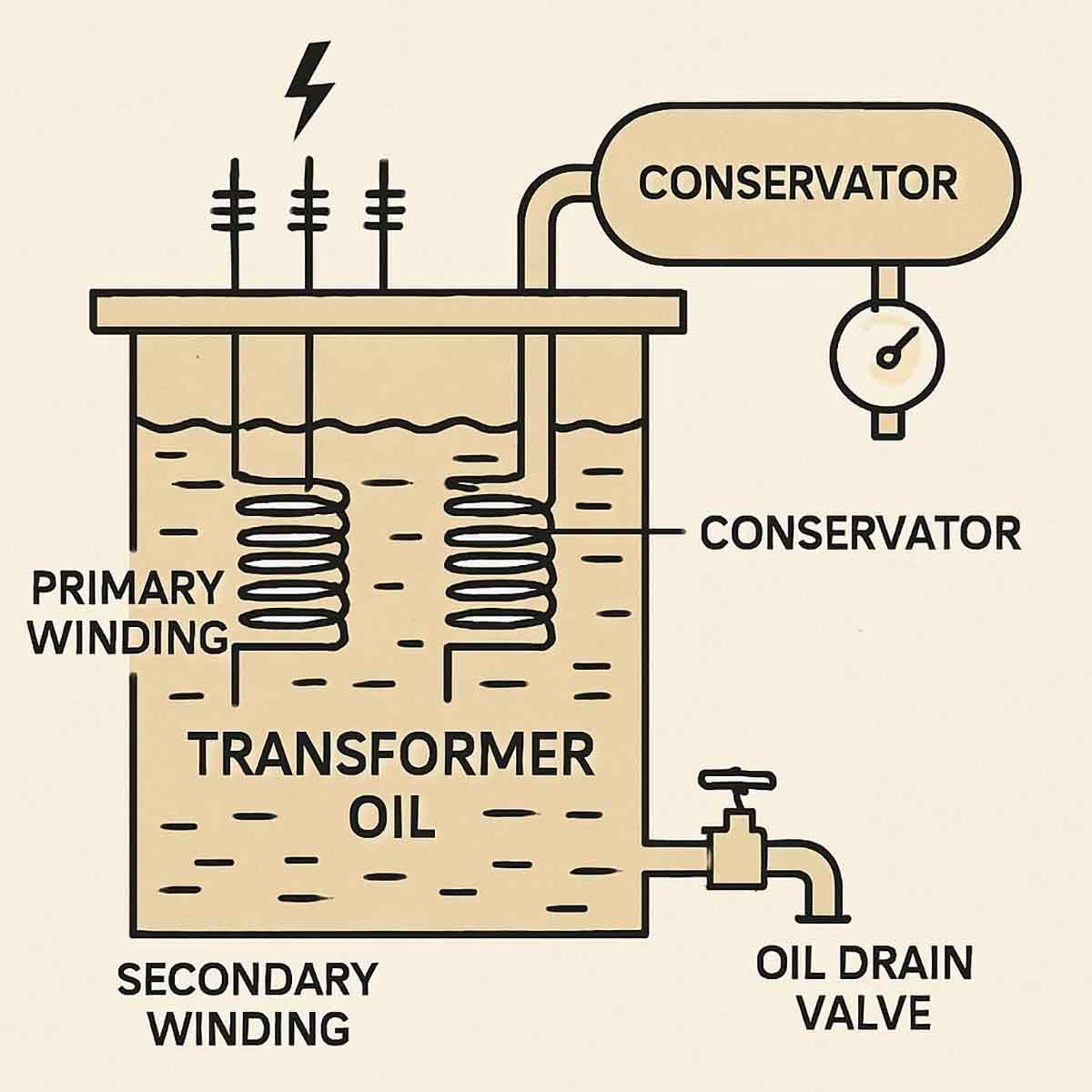
In summary, transformer oil is more than just a lubricant or coolant. It is a multi-functional substance that plays a vital role in keeping transformers reliable and efficient. Understanding its characteristics helps ensure the long-term success of electrical systems.
Key Functions of Transformer Oil
Transformer oil is essential in ensuring optimal performance of transformers. It fulfills multiple critical functions.
One of its primary roles is electrical insulation. By providing a barrier, it prevents electrical discharges within the transformer.
Additionally, transformer oil plays a crucial part in cooling and heat dissipation. It transfers heat away from the core and windings.
The oil also acts as a shield against moisture. Its properties prevent water from damaging the components inside the transformer.
Furthermore, transformer oil protects against oxidation and corrosion. It enhances the lifespan of transformer parts by preventing chemical reactions.
The key functions of transformer oil include:
- Electrical insulation
- Cooling and heat dissipation
- Moisture prevention
- Oxidation protection
These functions make transformer oil indispensable for transformer safety and efficiency, clearly defining the function of transformer oil within the system.
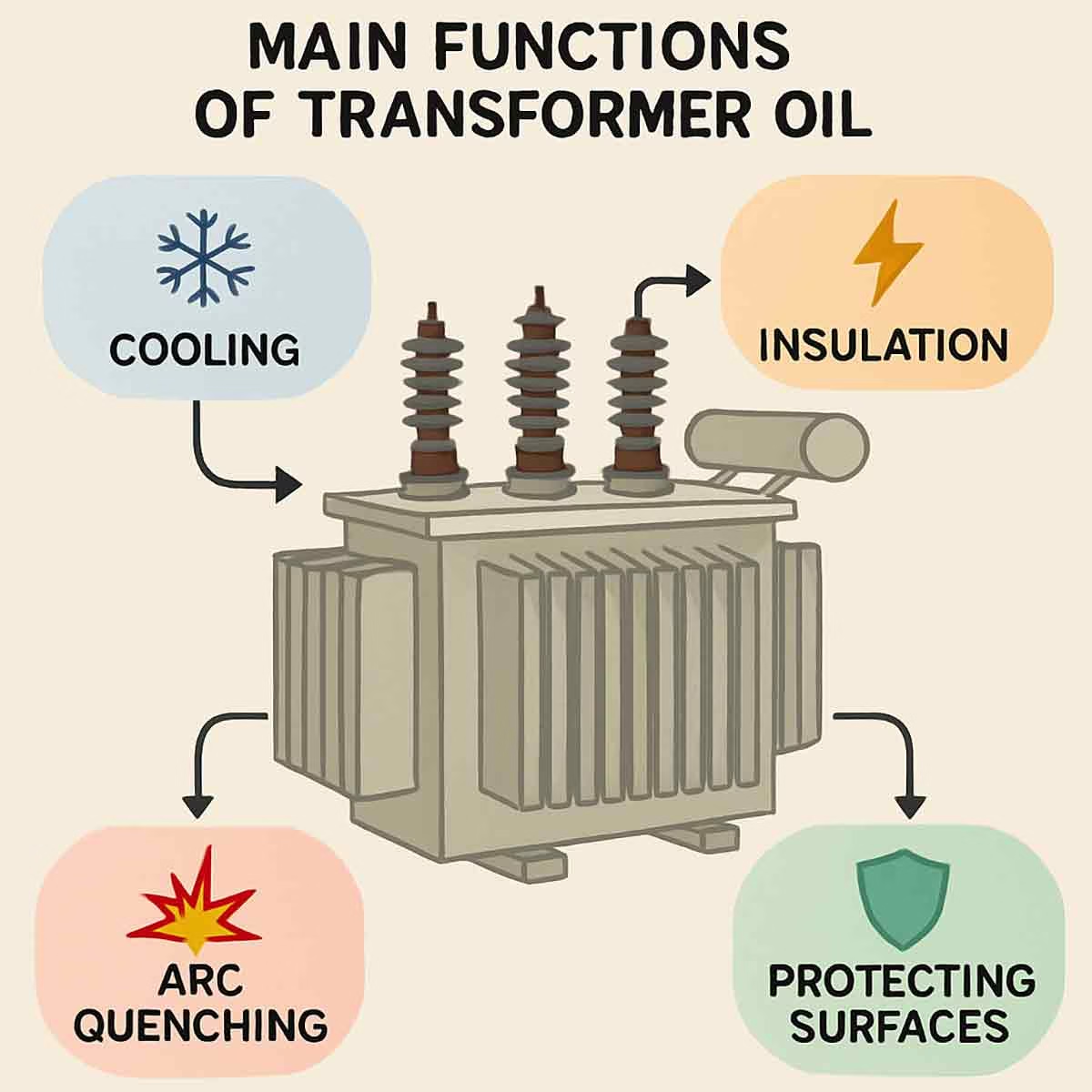
In conclusion, transformer oil serves as a multi-function agent. Its role in transformers is a complex blend of protection, insulation, and cooling. Each function contributes significantly to the transformer’s reliability and longevity. Understanding these roles helps in proper maintenance and operational planning.
Electrical Insulation
Electrical insulation is one of the most vital functions of transformer oil. This characteristic prevents electrical discharges.
Insulating properties of the oil ensure that electricity flows safely. This prevents short circuits and potential failures within the transformer.
Essentially, oil in transformers creates a high-resistance path for electrical currents. This significantly enhances safety measures.
Factors influencing the electrical insulation capabilities include:
- Oil purity and quality
- Dielectric strength levels
- Regular maintenance and testing
Without good electrical insulation, transformers would face constant risks of electrical discharges. This could lead to system failures. Thus, ensuring optimal insulation properties in transformer oil is crucial. Selecting the right oil and regular testing can prevent complications. Safe operation hinges on these factors, making electrical insulation a paramount concern.
Cooling and Heat Dissipation
Cooling and heat dissipation are critical in transformers. Transformer oil plays a major role in these processes.
The oil effectively absorbs and transfers heat away from the core. This prevents overheating, which could cause damage.
Transformer oil circulates, constantly moving heat away and distributing it evenly. This cooling process is key to efficient operation.
Critical aspects of cooling and heat dissipation include:
- Thermal conductivity
- Viscosity of the oil
- Oil circulation systems
The temperature management capabilities of transformer oil are essential. It ensures the transformer runs smoothly under all conditions. Neglecting this function can lead to overheating and reduced efficiency. Thus, selecting oil with optimal thermal properties is necessary for maintaining performance. Regular monitoring and evaluation of the oil’s cooling functions can avert potential failures.
Moisture Prevention and Protection
Moisture can be detrimental to transformers. Transformer oil serves as a barrier against moisture intrusion.
The oil’s properties help prevent water from interacting with key components. This reduces the risk of damage and degradation.
A moisture-free environment is crucial for maintaining electrical insulation. It ensures longevity and effective functioning.
The methods of moisture prevention include:
- High moisture resistance levels
- Regular moisture content testing
- Proper oil handling and storage
Protection against moisture prevents corrosion and failure. Ensuring the oil maintains its protective characteristics is vital. Regular testing and maintenance help keep these properties intact. Effectively managing moisture levels ultimately enhances the reliability and lifespan of transformers. It’s a fundamental aspect of oil function and essential for operational safety.
Oxidation and Corrosion Prevention
Oxidation and corrosion can significantly degrade transformers. Transformer oil helps in preventing these chemical processes.
The oil’s stability acts as a shield, preserving internal components. This is crucial for extending the transformer’s operational life.
By preventing oxidation, transformer oil also maintains electrical insulation. This improves the overall performance and safety of the system.
Key factors in oxidation and corrosion prevention are:
- Chemical stability of the oil
- Regular oil analysis for early detection
- Use of additives for enhanced protection
Proper maintenance of these properties ensures longer life and reduced maintenance costs. Transformer oil’s role in preventing oxidation and corrosion cannot be overlooked. It safeguards the transformer from chemical damage, ensuring sustained efficiency and safety. By prioritizing this function, maintenance professionals can secure operational reliability and longevity.
Types of Transformer Oil
Transformer oils come in various types, each with unique attributes. Understanding these types helps in choosing the right oil for specific applications.
Mineral-based oils are the most common. These oils are derived from refined crude oil. They are cost-effective and have good insulating properties. However, they have a lower resistance to oxidation.
Synthetic oils, on the other hand, offer better performance in extreme conditions. They include silicone-based and ester-based oils. These oils excel in high temperatures and provide excellent oxidation resistance. Though more costly, they often offer longer service life.
Another category includes bio-based oils. These are environmentally friendly and made from natural materials. They offer similar performance levels to mineral-based oils but with higher biodegradability.
The main types of transformer oils include:
- Mineral-based oils
- Synthetic oils
- Bio-based oils

Selecting the appropriate oil type is essential for ensuring optimal transformer performance. Factors like operational temperature, environmental concerns, and budgetary limits often influence this decision. Moreover, understanding each type’s characteristics can facilitate proactive maintenance strategies. The right choice enhances efficiency and reduces operational risks, especially when selecting oil in transformers that operate under demanding conditions.
Transformer Oil Benefits
Transformer oil provides numerous advantages that are essential for efficient transformer operations. These oils are vital not only in safeguarding the transformer but also in optimizing its performance.
One of the main benefits is enhanced electrical insulation. This prevents electrical discharges and ensures safety during transformer operation. By providing a high dielectric strength, transformer oil reduces the likelihood of electrical failure.
Another key advantage is its ability to improve heat dissipation. By efficiently cooling the transformer, the oil prevents overheating. This helps maintain the overall health of the transformer, thereby extending its operational life.
Transformer oil also plays a role in cost reduction. Through its protective qualities, the oil minimizes maintenance needs. This leads to lower repair costs and fewer interruptions in service. Using high-quality oil in transformers supports consistent performance and reliability.
Key transformer oil benefits include:
- Enhanced electrical insulation
- Improved heat dissipation
- Cost-effective maintenance
These benefits collectively contribute to the reliable and safe performance of transformers. Understanding these advantages can guide maintenance practices and operational decisions, ultimately enhancing transformer lifespan and efficiency.
Properties of Good Transformer Oil
Good transformer oil has specific properties that ensure the effective functioning of transformers. These properties are crucial for safety and reliability.
Firstly, a high dielectric strength is essential. This property prevents electrical breakdowns and maintains insulation effectiveness. It ensures the transformer can handle high voltages without failing.
Chemical stability is another vital property. Transformer oil must remain stable over time to retain its insulating abilities. This prevents degradation under operational stresses.
The following are key properties to look for in transformer oil:
- High dielectric strength
- Low moisture content
- Chemical stability
- Low pour point
Viscosity is also important as it affects how well the oil circulates to dissipate heat. Therefore, lower viscosity oils may enhance heat transfer, reducing the risk of overheating.
Choosing oil with these properties ensures transformers operate efficiently and safely. High-quality oil will sustain performance under various conditions, critical for long-term transformer health.
Testing and Maintenance of Transformer Oil
Regular testing of transformer oil is vital for ensuring the longevity and efficiency of transformers. These tests help in identifying potential problems early.
One common test is the dielectric breakdown voltage test. It checks the oil’s ability to withstand high voltage without breaking down. This ensures that the oil remains effective as an insulator.
Monitoring the moisture content is also crucial. Excess moisture can reduce the oil’s insulating capacity and lead to corrosion of internal components.
Key tests for transformer oil include:
- Dielectric breakdown voltage
- Moisture content analysis
- Acidity level measurement
- Dissolved gas analysis
Regular maintenance and analysis can prevent costly transformer failures. By addressing issues identified in testing, you can extend the transformer’s operational life. Maintaining oil quality through routine checks is essential for safe and efficient transformer function.
Common Issues and Troubleshooting
Despite its reliability, transformer oil can sometimes face several issues. Identifying these early can prevent serious damage. Regular monitoring is key to catching these problems before they escalate.
Common issues include increased acidity, moisture contamination, and particle build-up. Each of these factors can compromise the oil’s insulating properties. Addressing them promptly is crucial for effective transformer operation.
A checklist for troubleshooting includes:
- Checking acidity levels for degradation signs
- Inspecting for moisture and contamination
- Analyzing dissolved gases for potential faults
Proper troubleshooting involves not just identifying but also addressing root causes. By implementing corrective actions, you can restore the oil’s functionality and ensure the transformer remains operational. Proactive steps save time and reduce repair costs significantly.
Conclusion
Transformer oil plays a pivotal role in ensuring transformers operate efficiently and safely. Its multifaceted functions, from insulation to cooling, make it indispensable.
Regular maintenance and testing are essential to harness the full range of transformer oil benefits. Maintaining its quality protects transformers from failure and enhances their performance and longevity. Understanding the function of transformer oil ensures the reliable operation of our electrical systems.