
Transformer noise troubles are more than just an annoyance—they’re a sign that your equipment isn’t working as it should. Whether you’re dealing with a persistent buzz, a rattling rattle, or a hissing sound, ignoring these noise troubles can lead to expensive repairs, safety risks, and unplanned downtime. For utilities, businesses, and property managers, quiet, reliable transformers are essential to smooth operations.
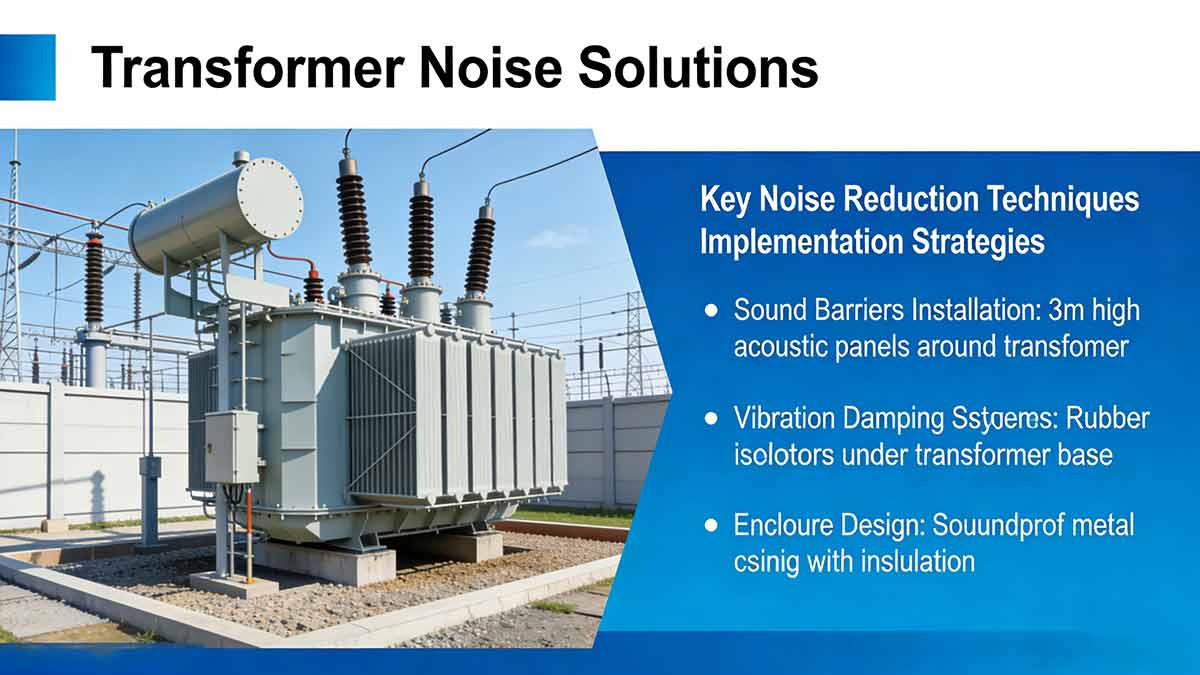
In this guide, we break down why transformer noise happens, how to identify the root cause, and actionable steps to stop it permanently—with real-world examples and easy-to-follow advice that anyone can understand. By the end, you’ll have the tools to resolve transformer noise troubles once and for all.
Contents
hide
Understanding Transformer Noise Troubles: What’s Normal vs. What’s a Problem
First, it’s important to know the difference between normal transformer noise and noise that signals trouble. Transformers are not completely silent—they naturally produce a low, steady hum. This hum comes from the vibration of the transformer’s magnetic core, which is a normal byproduct of electrical current flowing through the windings. But when that hum turns into something louder, inconsistent, or unfamiliar, you’re dealing with transformer noise troubles that need attention. Here’s how to tell the difference:
- Normal Noise: A soft, consistent hum that doesn’t change in volume or tone. It’s barely noticeable, even when standing near the transformer.
- Problem Noise: A sudden increase in volume, a change in tone (e.g., hum to buzz or rattle), or new sounds like hissing, clanking, or popping. This noise often gets worse during peak power usage or extreme weather.
Common Question: Why do transformers make noise in the first place? The primary cause of normal transformer noise is magnetostriction—the slight expansion and contraction of the magnetic core as electrical current passes through it. When this process becomes irregular or amplified, it creates the noise troubles you notice.
Case Study: A small business in Colorado noticed its transformer’s hum had turned into a loud buzz overnight. They initially ignored it, thinking it was a temporary issue. Within a week, the transformer overheated and shut down, causing a 6-hour outage. An inspection revealed a loose core clamp—an easy fix that could have prevented the downtime if addressed when the noise first started. This is why recognizing transformer noise troubles early is critical.
Common Causes of Transformer Noise Troubles (And How to Spot Them)
Transformer noise troubles don’t happen without reason. They’re almost always caused by mechanical issues, electrical problems, or environmental factors. Below are the most frequent culprits, along with key signs to look for and simple ways to identify each one—no advanced technical knowledge required.
Mechanical Issues: Loose or Damaged Components
Mechanical problems are the most common cause of transformer noise troubles. Over time, vibration, temperature changes, and normal wear and tear can loosen or damage internal and external components, leading to rattling, buzzing, or clanking sounds.
- Loose Core or Windings: The transformer’s core and windings are held together by clamps and bolts. When these loosen, they vibrate against each other, creating a loud rattle or buzz. Key signs include a rhythmic noise that gets louder when the transformer is under load, and a change in noise when tapping the transformer’s tank (for oil immersed units).
- Damaged or Worn Bearings: Some transformers use bearings to support internal components. When bearings wear out, they produce a high-pitched whine or grinding sound. You may also feel excessive vibration when touching the transformer.
- Loose External Parts: Bolts, covers, or cooling fins that are loose can rattle against the transformer’s body, creating a distracting noise. This is easy to spot—simply visually inspect the transformer for loose parts and tighten them if safe to do so.
Example: A utility company in Oregon was dealing with persistent transformer noise troubles in a rural distribution unit. The noise was a loud rattle that got worse during windstorms. An inspection found that the transformer’s external cooling fins had come loose due to vibration and wind. Tightening the fins and adding anti-vibration washers eliminated the noise completely.
Electrical Issues: Overloading and Voltage Problems
Electrical issues are another major cause of transformer noise troubles. When a transformer is pushed beyond its limits or experiences voltage fluctuations, it has to work harder, leading to overheating and loud noise.
- Overloading: Every transformer has a rated load (measured in kVA). When you exceed this load—by adding too many appliances, equipment, or circuits—the transformer overheats and produces a loud, strained buzz. Key signs include a noise that gets louder during peak hours and a transformer that feels hot to the touch.
- Voltage Fluctuations: High voltage, power surges, or unstable grid voltage can cause the transformer’s magnetic core to become saturated, leading to a distorted, loud buzz. You may also notice flickering lights or power issues in nearby equipment.
- Electrical Arcing: Damaged bushings, loose connections, or internal faults can cause electrical arcing (sparks between conductors), which produces a hissing or crackling sound. This is a safety hazard and requires immediate attention.
Transformer Load vs. Noise Type (Common Transformer Noise Troubles)
Load Level | Noise Type | Potential Cause |
Normal (≤70% of rated load) | Soft, steady hum | Normal magnetostriction |
Moderate (71–90%) | Slightly louder hum | Minor load strain |
Overload (91–110%) | Loud, strained buzz | Overheating, core strain |
Severe Overload (>110%) | Buzz + hissing | Critical overheating, potential failure |
Environmental Factors: How Surroundings Contribute to Noise Troubles
Your transformer’s environment can also cause or worsen noise troubles. Factors like temperature, humidity, and nearby structures can amplify vibration and noise, making even minor issues sound much worse.
- Poor Installation: Transformers mounted on unstable surfaces (e.g., cracked concrete pads) or without anti-vibration pads will vibrate more, amplifying noise. The noise may even travel through the floor or walls of nearby buildings.
- Extreme Temperatures: Hot weather can cause transformer oil (in oil immersed units) to thin, reducing its cooling efficiency and leading to overheating and noise. Cold weather can make components brittle, increasing the risk of loosening or damage.
- Debris and Obstructions: Dirt, leaves, or other debris stuck in the transformer’s cooling system can block airflow, causing overheating and noise. Debris can also rattle against the transformer’s exterior.
Example: A shopping mall in Florida was dealing with transformer noise troubles during summer heatwaves. The noise was a loud hissing sound that got worse when temperatures exceeded 90°F. An inspection found that the transformer’s radiators were clogged with dust and debris, preventing proper cooling. Cleaning the radiators and installing a protective screen to keep debris out stopped the noise and prevented overheating.
Internal Faults: The Most Serious Transformer Noise Troubles
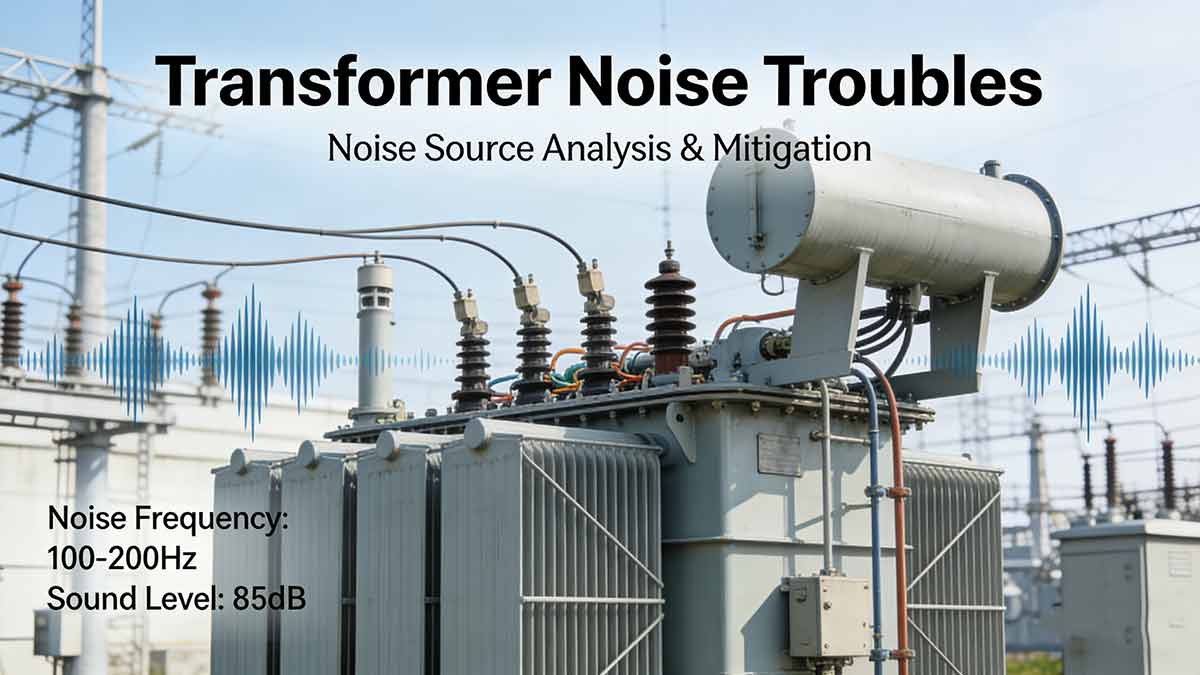
Internal faults are the most dangerous cause of transformer noise troubles, as they can lead to catastrophic failure, fires, or electrical shocks. These issues often require professional repair or replacement, but early detection can save you time and money.
- Winding Damage: Damaged or frayed windings can cause short circuits, leading to a loud bang or pop, followed by a continuous buzz. You may also smell burning or see smoke—immediate shutdown is required.
- Oil Contamination (Oil Immersed Transformers): Contaminated or low oil levels can cause overheating and a gurgling or hissing sound. Oil contamination can occur due to leaks, water intrusion, or age.
- Core Saturation: As mentioned earlier, core saturation from voltage spikes can cause a distorted buzz, but severe saturation can lead to core damage and permanent noise troubles.
How to Stop Transformer Noise Troubles for Good (Step-by-Step Guide)
Resolving transformer noise troubles doesn’t have to be complicated. Follow this step-by-step guide to identify the cause and implement solutions that will stop the noise permanently. Always prioritize safety—never work on a live transformer, and call a professional for complex issues.
Step 1: Identify the Noise Type and Location
The first step to stopping transformer noise troubles is to figure out what kind of noise you’re dealing with and where it’s coming from. This will help you narrow down the cause:
- Buzzing: Likely caused by overloading, core saturation, or loose components.
- Rattling: Usually from loose external parts, core clamps, or cooling fins.
- Hissing/Crackling: Points to electrical arcing, cooling system issues, or oil contamination.
- Clanking/Banging: Indicates severe internal damage or loose internal components.
Note the location of the noise (top, sides, bottom of the transformer) and whether it changes with load or time of day—this information will help with troubleshooting.
Step 2: Perform a Visual Inspection
A simple visual inspection can reveal many common causes of transformer noise troubles. Here’s what to look for:
- Loose parts: Check for loose bolts, clamps, covers, or cooling fins. Tighten them if safe to do so (ensure the transformer is turned off first).
- Visible damage: Look for cracks in the transformer’s tank, damaged bushings (discoloration, oil leaks), or signs of burning (smoke stains, melted components).
- Debris: Clear any dirt, leaves, or debris from the cooling system (radiators, fans) to ensure proper airflow.
- Oil level (oil immersed transformers): Check the sight glass to ensure the oil level is within the recommended range. Low oil levels can cause overheating and noise.
Step 3: Test Load and Voltage
If the visual inspection doesn’t reveal the issue, test the transformer’s load and voltage to rule out overloading or voltage fluctuations:
- Load testing: Use a clamp meter to measure the transformer’s actual load. Compare it to the rated load (found on the nameplate). If the load is consistently above the rated capacity, you’re overloading the unit.
- Voltage testing: Use a voltage meter to check for voltage spikes or fluctuations. If the voltage is above the transformer’s rated voltage, it may be causing core saturation.
Solution for Overloading: If you’re overloading the transformer, reduce the load by disconnecting unnecessary equipment or upgrade to a larger transformer with a higher kVA rating. For voltage fluctuations, install a voltage regulator to stabilize the power supply.
Step 4: Address Mechanical and Environmental Issues
Once you’ve identified the cause, implement these solutions to stop transformer noise troubles:
- Loose components: Tighten loose bolts, clamps, and fins. Add anti-vibration pads to reduce vibration and noise.
- Cooling system issues: Clean radiators and fans, replace faulty fans or pumps, and refill or replace contaminated oil (for oil immersed transformers).
- Poor installation: Reinstall the transformer on a stable, level surface with anti-vibration pads. Ensure there’s enough space around the transformer for airflow.
Step 5: Call a Professional for Internal or Complex Issues
If you suspect internal faults (e.g., winding damage, oil contamination) or if the noise persists after simple fixes, call a qualified transformer technician. They have the tools and expertise to diagnose and repair complex issues safely. Never attempt to open the transformer’s tank or work on internal components yourself—this is extremely dangerous.
Preventing Transformer Noise Troubles: Long-Term Solutions
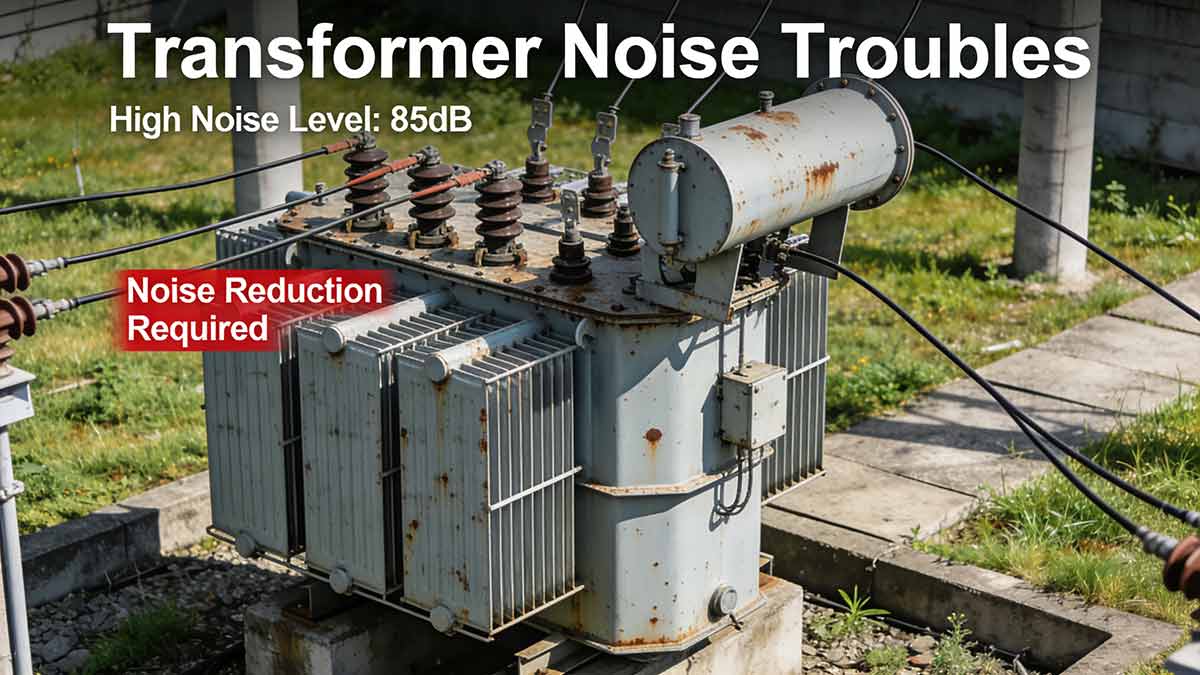
The best way to deal with transformer noise troubles is to prevent them from happening in the first place. By following these maintenance and installation tips, you can keep your transformer quiet and reliable for years to come.
Regular Maintenance
Regular maintenance is key to preventing transformer noise troubles. Create a schedule and stick to it—here’s what to include:
- Oil testing (oil immersed transformers): Test the oil quarterly to check for contamination or degradation. Replace the oil every 5–10 years, or as recommended by the manufacturer.
- Component inspection: Inspect clamps, bolts, bushings, and cooling systems annually for signs of wear or damage. Tighten loose parts and replace damaged components promptly.
- Load and voltage checks: Test the load and voltage biannually to ensure the transformer is operating within its limits.
- Cleaning: Clean the transformer’s exterior and cooling system semi-annually to remove debris and prevent blockages.
Recommended Maintenance Schedule to Prevent Transformer Noise Troubles
Maintenance Task | Frequency | Purpose |
Oil sampling/testing | Quarterly | Prevent oil contamination and overheating |
Component inspection | Annually | Catch loose or damaged parts early |
Load/voltage checks | Bi-annually | Avoid overloading and core saturation |
Cooling system cleaning | Semi-annually | Ensure proper cooling and airflow |
Proper Installation
Poor installation is a common cause of transformer noise troubles. Follow these installation tips to reduce vibration and noise:
- Use anti-vibration pads: Place high-density rubber pads between the transformer and its mounting surface to absorb vibration.
- Choose a stable surface: Mount the transformer on a level, solid concrete pad that can support its weight. Avoid cracked or unstable surfaces.
- Allow for airflow: Ensure there’s at least 2–3 feet of space around the transformer to allow for proper cooling and reduce noise reflection.
- Hire a professional: Have a qualified technician install the transformer to ensure it’s done correctly, including proper wiring and grounding.
Choose the Right Transformer for Your Needs
Selecting the right transformer can prevent noise troubles from the start. Consider these factors when choosing a transformer:
- Load capacity: Choose a transformer with a rated load that exceeds your current and future needs to avoid overloading.
- Environment: For outdoor or harsh environments, choose a transformer designed to withstand extreme temperatures, moisture, and debris.
- Type: Oil immersed transformers are quieter than some dry type transformers, but both can experience noise troubles if not maintained properly. Consult a professional to choose the right type for your application.
When to Replace a Transformer with Persistent Noise Troubles
In some cases, repairing a transformer with ongoing noise troubles is not cost-effective. Here are signs that it’s time to replace your transformer:
- The transformer is over 20 years old and has frequent noise issues or failures.
- Internal damage (e.g., winding damage, core damage) is found, and repairs would cost more than 50% of a new transformer.
- The transformer is consistently overloaded, and upgrading to a larger unit is more efficient than frequent repairs.
- The transformer is not compliant with current safety or environmental standards (e.g., old, non-recyclable oil).
Case Study: A warehouse in Texas had a 22-year-old transformer with persistent noise troubles. Over the course of a year, they spent $7,000 on repairs to fix loose components, cooling issues, and minor winding damage. A new transformer cost $10,000, but it eliminated noise troubles and reduced maintenance costs by 80% in the first year. Replacing the old unit was a smart long-term investment.
Conclusion: Say Goodbye to Transformer Noise Troubles
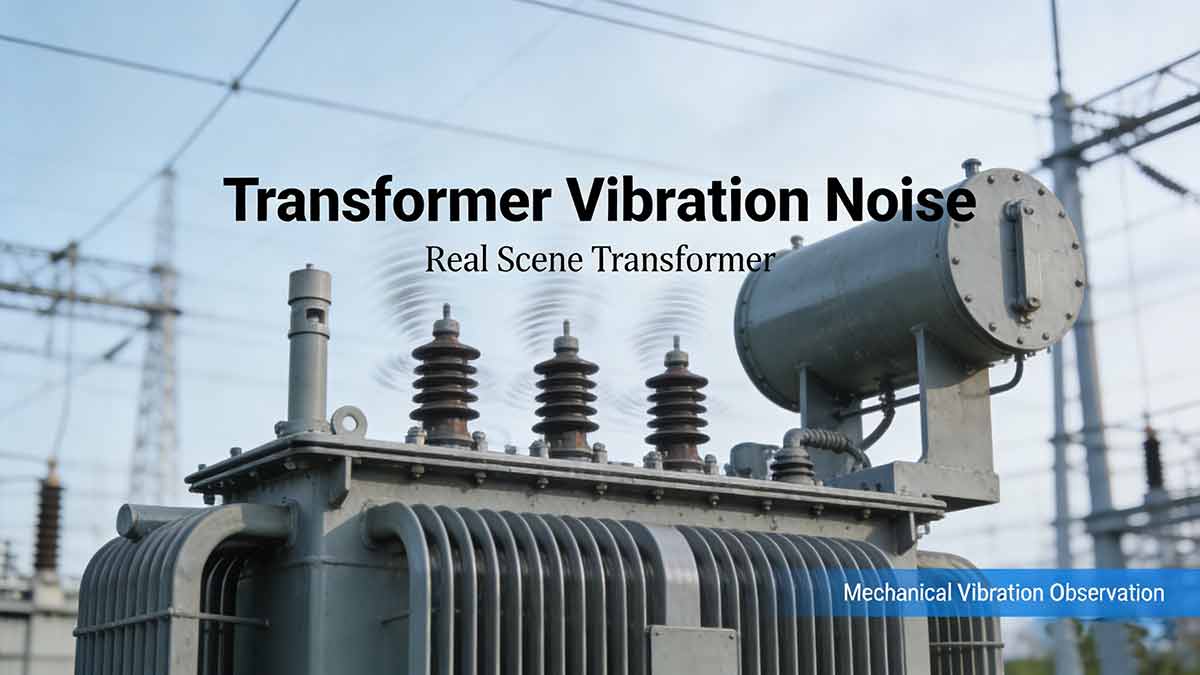
Transformer noise troubles are a common issue, but they don’t have to be a permanent one. By understanding why transformers make noise, identifying the root cause, and following the steps outlined in this guide, you can stop transformer noise troubles for good. Remember, early detection and regular maintenance are the keys to preventing noise issues and extending your transformer’s life.
If you’re dealing with persistent transformer noise troubles and need help diagnosing the issue, or if you’re in the market for a new, quiet transformer that meets your needs, our team of transformer experts is here to assist. We offer reliable, high-quality transformers and professional troubleshooting services to keep your power system running smoothly and quietly. Don’t let transformer noise troubles disrupt your operations—take action today to resolve them for good.