
Reducing the risk of damage to power transformers is essential for maintaining a reliable electrical supply, lowering operational costs, and avoiding unexpected downtime. Power transformers are core assets in power grids, industrial plants, and commercial facilities, and unexpected damage can lead to costly repairs, production losses, and safety hazards. This guide shares proven, easy-to-follow methods to protect transformers from common failure causes, improve reliability, and support long-term stable performance.
Contents
hide
Key Causes of Power Transformer Damage
Understanding the main sources of damage helps create targeted protection plans. Most transformer failures result from a small number of repeatable issues.
- Thermal overload and consistent overheating
- Electrical surges, lightning strikes, and switching overvoltages
- Insulation degradation due to moisture, contamination, or aging
- Oil leakage, oil deterioration, and insufficient oil insulation
- Mechanical stress from transportation, vibration, or poor installation
- Loose connections, corroded components, and inadequate maintenance
- Environmental factors: humidity, dust, salt spray, and extreme temperatures
These issues often develop slowly and become critical without early intervention.
Why Transformer Damage Impacts Operations
- Unplanned power outages and production stops
- Expensive replacement or repair costs
- Increased energy consumption and reduced efficiency
- Safety risks, including overheating, arcing, and fire hazards
- Shortened service life and premature replacement needs
Addressing these causes directly reduces the risk of damage to power transformers.
How to Reduce Thermal Overload and Overheating Damage
Thermal stress is the leading cause of power transformer damage. Controlling temperature directly extends equipment life.
Common Thermal Risk Factors
- Sustained operation above rated load
- Blocked or faulty cooling systems
- Poor ventilation in transformer rooms
- High ambient temperatures in summer or enclosed spaces
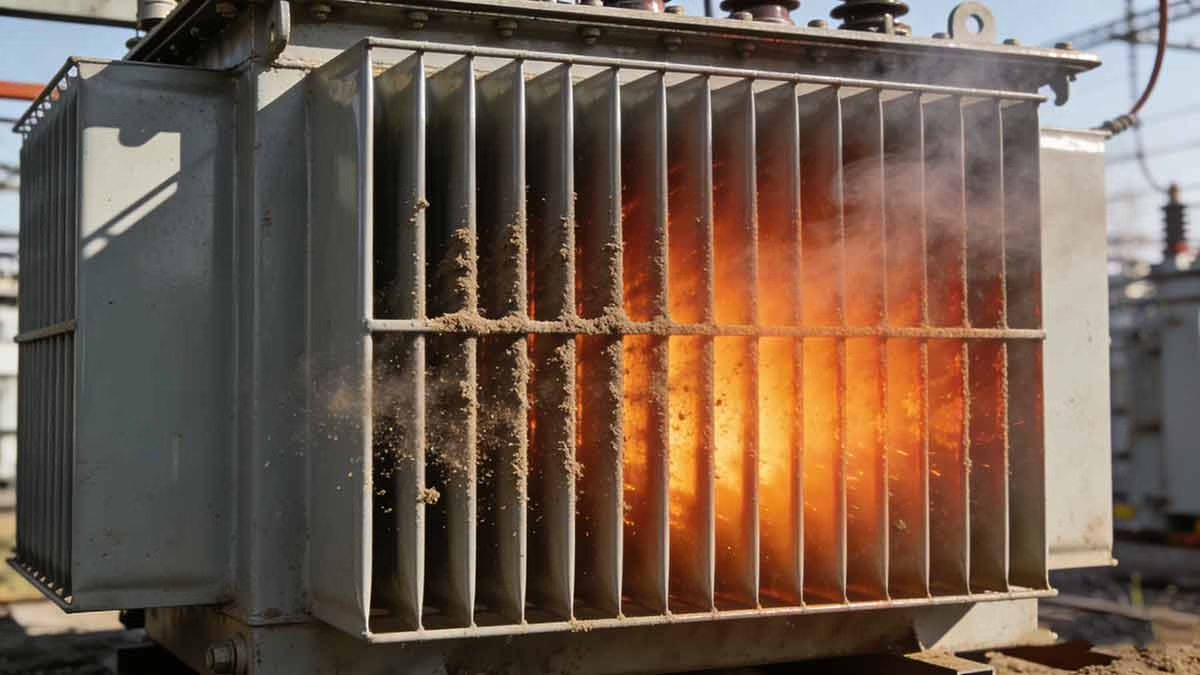
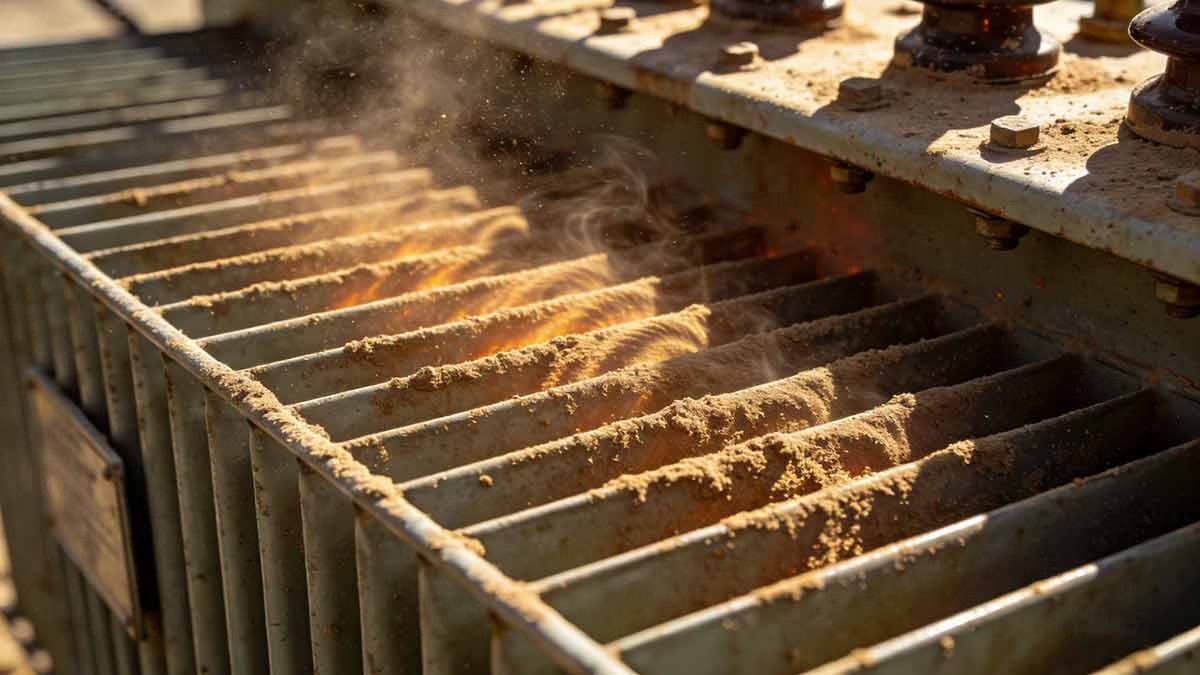
- Accumulated dust on radiators and cooling fins
Practical Steps to Prevent Overheating
- Install real-time temperature monitoring for windings and oil
- Keep cooling fans, pumps, and radiators clean and functional
- Ensure proper ventilation and clear space around transformer enclosures
- Avoid continuous overload; use load management during peak demand
- Perform regular infrared thermography to detect hotspots
Temperature Monitoring Best Practices
- Check the top oil and winding temperatures daily
- Set alarm thresholds for safe operating limits
- Automatically reduce load or activate backup cooling at high temperatures
- Log temperature trends to spot abnormal patterns early
Effective thermal management is one of the most reliable ways of reducing the risk of damage to power transformers.
Protection Against Electrical Surges and Overvoltages
Overvoltages from lightning or grid switching can instantly damage insulation and windings.
Surge Protection Solutions
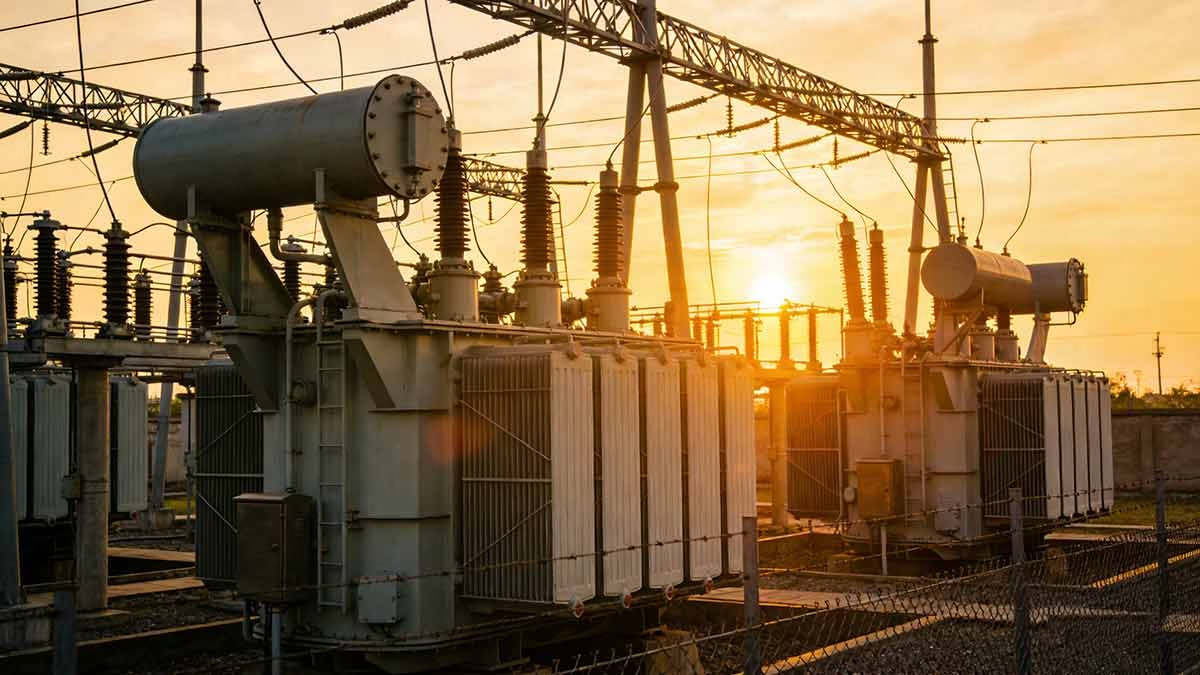
- Install lightning arresters on high-voltage and low-voltage sides
- Use proper grounding systems with low resistance
- Add surge protection devices (SPDs) for control and sensor circuits
- Install shield wires and lightning protection for outdoor installations
Grounding System Requirements
- Maintain grounding resistance within manufacturer specifications
- Inspect grounding connections for corrosion or looseness
- Test grounding performance annually or after severe weather
- Ensure separate but coordinated grounding for transformers and switchgear
Well-designed surge and grounding systems greatly reduce the risk of damage to power transformers from electrical transients.
Insulation Maintenance to Prevent Degradation
Insulation breakdown is a common pathway to permanent transformer failure.
Main Insulation Risks
- Moisture ingress from damaged gaskets or seals
- Contamination from dust, metal particles, or sludge
- Thermal aging from long-term high-temperature operation
- Mechanical stress causes winding deformation
Insulation Care Practices
- Conduct regular insulation resistance tests
- Dry out transformers if moisture levels exceed safe limits
- Repair or replace damaged bushings and seals promptly
- Avoid physical stress on windings during installation or maintenance
Healthy insulation preserves dielectric strength and reduces the risk of damage to power transformers.
Transformer Oil Management and Leakage Prevention
Oil serves as both coolant and insulation. Poor oil quality leads to multiple failure modes.
Common Oil-Related Issues
- Oil leakage from degraded gaskets, welds, or valves
- Oxidation and sludge formation
- Moisture contamination lowers dielectric strength
- Incorrect oil type or insufficient oil level
Oil Maintenance Procedures
- Test oil quality for breakdown voltage, moisture, and acidity
- Filter or regenerate oil to remove contaminants
- Fix leaks and replace aging gaskets and seals
- Maintain the correct oil level and top up with matching oil grade
- Use nitrogen sealing or conservator systems to reduce oxidation
How to Respond to Oil Leaks
- Isolate the unit safely before inspection
- Locate leak points using visual and pressure testing
- Repair or replace damaged components
- Refill with approved oil and test insulation performance
- Monitor closely for recurrence
Proactive oil maintenance strongly reduces the risk of damage to power transformers.
Mechanical Protection During Transportation and Installation
Mechanical damage often occurs before a transformer enters regular service.
Transportation Protection
- Use secure, shock‑absorbent packaging
- Avoid excessive vibration, tilting, or impact
- Perform sweep frequency response testing after delivery
- Choose experienced logistics partners for heavy equipment
Installation Best Practices
- Level the transformer correctly on a stable foundation
- Use vibration dampers in high-vibration areas
- Torque all connections to specified values
- Check internal components before energizing
- Ensure proper clearance for cooling and maintenance
Mechanical reliability at installation reduces the risk of damage to power transformers for years of operation.
Routine Maintenance Schedule for Long-Term Reliability
Preventive maintenance is far more cost-effective than emergency repairs.
Daily Checks
- Visual inspection for leaks, unusual noise, or overheating
- Monitor load, voltage, and temperature readings
- Verify cooling system operation
Monthly Tasks
- Tighten electrical connections
- Clean external surfaces, radiators, and vents
- Check for abnormal sounds or vibrations
Quarterly Services
- Oil sampling and basic testing
- Inspect bushings, insulators, and seals
- Verify control and protection circuits
Annual Overhaul
- Comprehensive oil testing and treatment
- Insulation resistance and turns ratio testing
- Infrared scanning for hidden hotspots
- Mechanical inspection and component tightening
A consistent maintenance schedule is central to reducing the risk of damage to power transformers.
Early Warning Signs of Transformer Damage
Detecting issues early prevents small faults from becoming catastrophic failures.
- Unusual humming, cracking, or buzzing sounds
- Visible oil leaks or discolored oil
- Abnormal temperature increases
- Frequent relay trips or fault alarms
- Visible corrosion, rust, or degradation
- Reduced efficiency and higher energy use
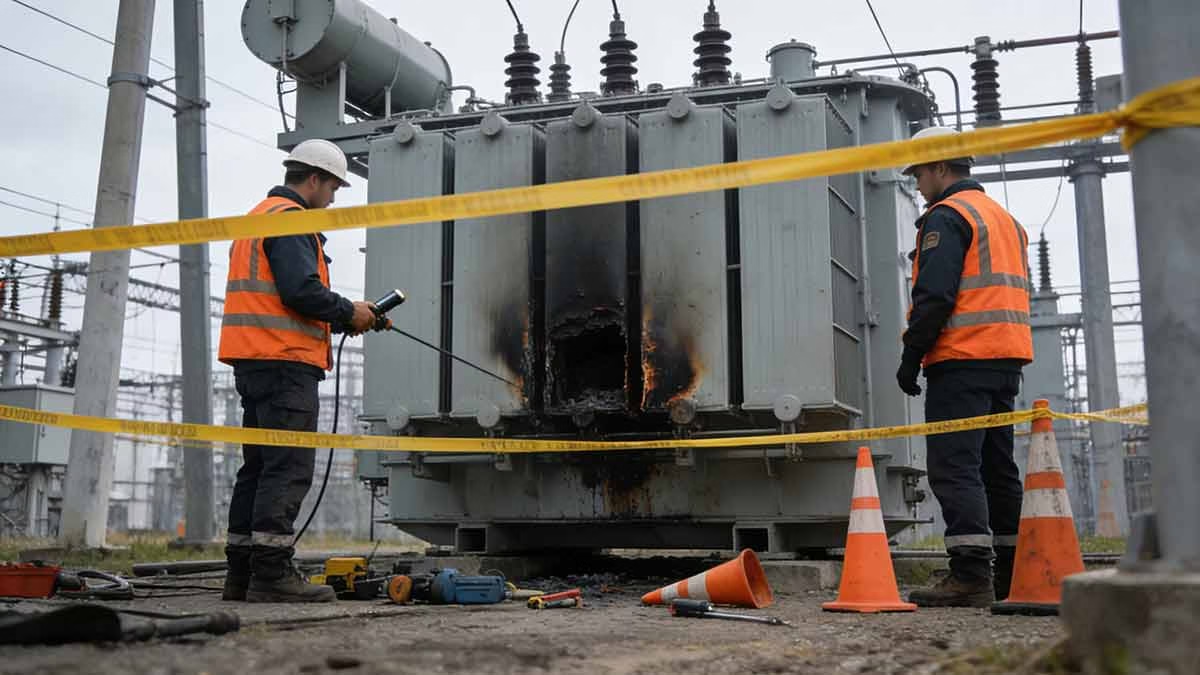
Any of these signs means you should inspect the transformer immediately to reduce further damage risk.
Emergency Response for Transformer Faults
Rapid, safe action limits damage when problems occur.
- Disconnect power and isolate the unit safely
- Extinguish small fires with appropriate extinguishing agents
- Avoid contact with oil or high-voltage components
- Document conditions before repair or re-energizing
- Conduct full diagnostic testing before returning to service
Proper emergency procedures reduce the risk of damage to power transformers and improve personnel safety.
How High-Quality Transformers Lower Damage Risk
Well-designed, built transformers naturally have lower failure rates.
Benefits of reliable transformer design:
- Stronger insulation systems for surge and thermal resistance
- Efficient cooling for stable temperature control
- High-quality oil systems with better sealing
- Robust mechanical structure to resist vibration and stress
- Built-in monitoring and protection features
- Compliance with international safety and performance standards
Selecting durable, well-manufactured units is a long-term strategy for reducing the risk of damage to power transformers.
Conclusion
Reducing the risk of damage to power transformers requires a balanced approach of preventive maintenance, environmental control, operational discipline, and quality equipment. By addressing thermal stress, electrical surges, insulation health, oil condition, mechanical stability, and regular inspection, you can greatly extend transformer life, improve reliability, and lower total operating costs. A well-protected transformer supports stable power systems, avoids unplanned downtime, and delivers consistent value for industrial, utility, and commercial applications.