
Power transformer noise: what causes it & is it dangerous? This is a top question for facility managers, utility workers, and even homeowners living near transformer installations. Most people are familiar with the low, steady “hum” of a working power transformer, but sudden changes in volume, pitch, or tone often spark worry. Is that noise harmless, or is it a warning sign of a costly breakdown or safety hazard?
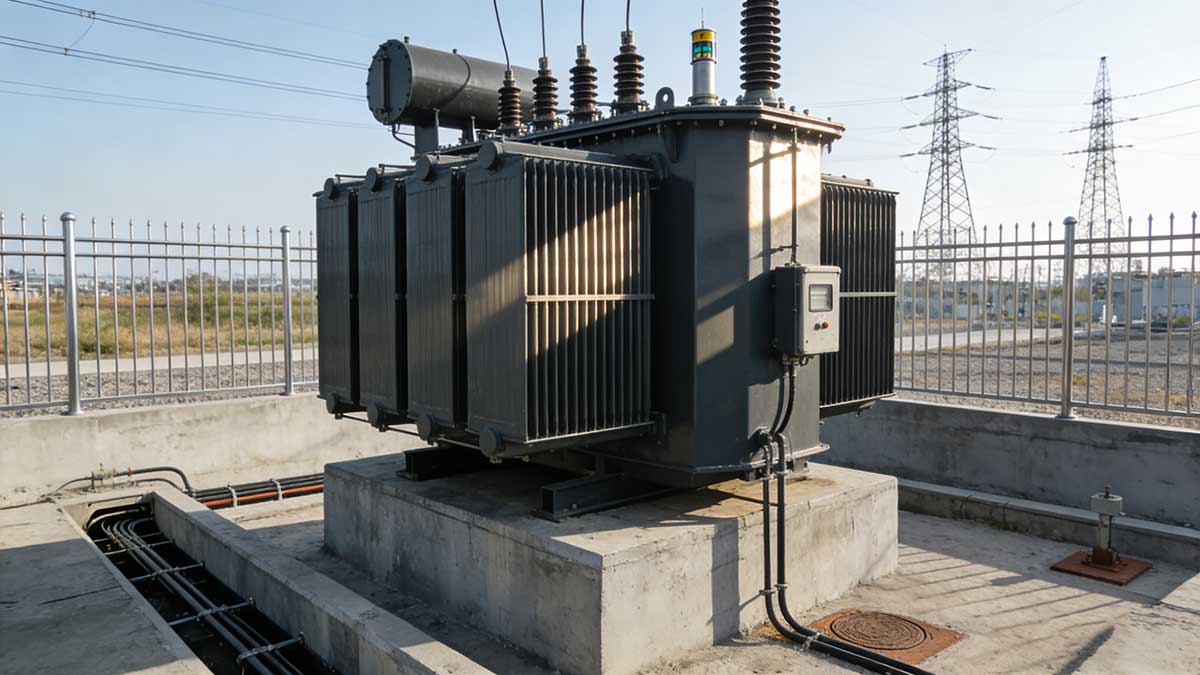
In this guide, we break down the root causes of power transformer noise, explain when it’s dangerous, and share practical tips to identify and address issues—all in simple, easy-to-understand language, no advanced technical jargon required.
Contents
hide
⚙️ What Causes Power Transformer Noise? Common Reasons Explained
Power transformer noise isn’t random—it’s almost always linked to the transformer’s internal components or external conditions. While some causes are completely normal, others indicate underlying problems that need attention. Below are the most common reasons for power transformer noise, organized by how frequently they occur and their severity:
✅ Normal Operational Causes (Harmless Noise)
The majority of power transformer noise is a natural byproduct of how transformers work. These sounds are consistent, predictable, and pose no risk to the transformer or people nearby:
- Magnetostriction in the iron core: This is the #1 cause of normal power transformer noise. When an alternating current flows through the transformer’s iron core, the core’s magnetic fields cause the silicon steel sheets to expand and contract slightly—a phenomenon called magnetostriction. This movement creates the steady “hum” you hear, typically at a frequency of 100Hz (twice the standard power frequency) under normal conditions.
- Cooling system vibration: Transformers generate heat during operation, so most use fans or oil circulation systems to cool down. The movement of these cooling components (fans, pumps) creates additional noise, which is usually a soft whirring sound. For forced-air cooling transformers, the fan can sometimes be a more noticeable noise source than the transformer itself.
- Minor mechanical vibration: Even well-installed transformers vibrate slightly as their internal parts work. This vibration can transfer to the transformer’s tank or the surface it’s mounted on, amplifying the “hum” slightly—especially if the transformer is placed on a hard, rigid surface like concrete.
Normal Power Transformer Noise Characteristics
Noise Type | Sound Description | Cause | Danger Level |
|---|---|---|---|
Steady Hum | Low-pitched, consistent, no fluctuations | Magnetostriction in the iron core | Harmless |
Soft Whir | Gentle, continuous, slightly higher pitch than hum | Cooling fan or oil pump operation | Harmless |
Faint Rumble | Low, dull vibration sound | Minor mechanical vibration transfer | Harmless |
⚠️ Abnormal Causes (Potentially Dangerous Noise)
When power transformer noise changes—becoming louder, sharper, or intermittent—it’s often a sign of a problem. These causes can damage the transformer over time or even pose safety risks if left unaddressed:
- DC bias (geomagnetically induced current): This occurs when direct current (DC) enters the transformer’s windings, causing the iron core to become magnetically saturated. DC bias can be triggered by magnetic storms, unbalanced DC power transmission, or improper grounding, and it makes the transformer’s noise much louder (often increasing by 10–15dB) with irregular, harsh tones. It also introduces odd harmonics into the noise spectrum, which is a key indicator of the issue.
- Loose internal components: Over time, the transformer’s internal parts (like core laminations, windings, or connections) can loosen due to vibration. This causes rattling, clicking, or clanking sounds, especially when the transformer is under load. Loose components can lead to arcing or short circuits if not fixed.
- Insulation damage or partial discharge: If the transformer’s insulation (oil or resin) breaks down, it can cause partial discharge—small electrical sparks inside the unit. This produces a hissing, crackling, or “wheeze” sound (similar to leaking air) that’s often intermittent. Partial discharge is dangerous because it can lead to complete insulation failure and transformer failure, even fires in severe cases.
- Overloading: When a transformer is forced to handle more power than its rated capacity (overloading), it overheats, and the noise becomes much louder and more intense. The hum turns into a loud, strained roar, and the transformer may feel hot to the touch. Overloading for extended periods can damage the windings and shorten the transformer’s lifespan.
- Cooling system failure: If the cooling fan or oil pump stops working, the transformer overheats, and the noise changes. You may hear a loud, continuous hum or a high-pitched whine as the transformer struggles to cool down. Overheating can cause permanent damage to internal components.
- Oil issues: For oil-immersed transformers, low oil levels, contaminated oil, or oil leaks can cause unusual noise. Contaminated oil reduces insulation and cooling efficiency, leading to a louder, harsher hum. Oil leaks may be accompanied by a faint “dripping” sound and a strong oil odor.
Case Study: A new 220kV substation in China experienced sudden, loud power transformer noise just one day after commissioning. The noise level increased from 59dB (normal) to 85dB, and frequency spectrum analysis showed odd harmonics—clear signs of DC bias. Investigation revealed the transformer’s neutral point was directly grounded, allowing geomagnetically induced current (GIC) to flow into the windings. After installing a DC offset device to counteract the GIC, the noise returned to normal levels, preventing further damage.
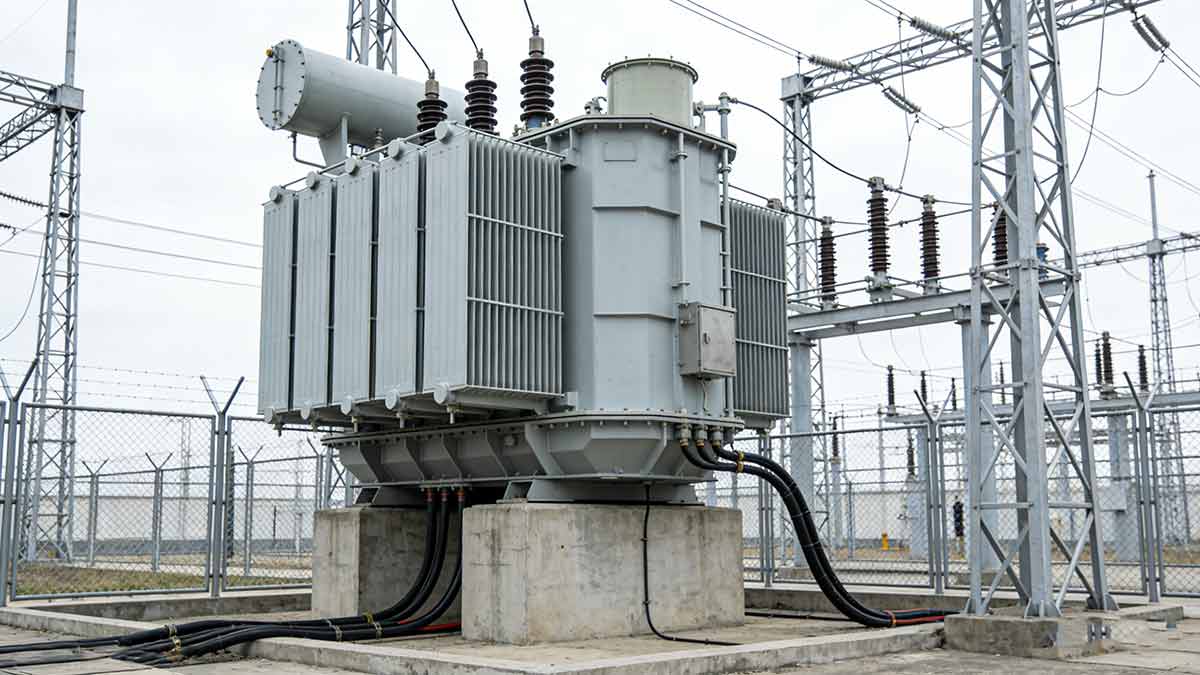
🔍 Is Power Transformer Noise Dangerous? Key Distinctions
The biggest question most people have is: Is power transformer noise dangerous? The short answer is that it depends on the type of noise, its intensity, and the underlying cause. Below, we break down when noise is harmless, when it’s a safety risk, and when it signals equipment damage:
Harmless Power Transformer Noise (No Risk)
Noise is harmless if it meets these criteria—this is the typical “hum” you hear from well-functioning transformers:
- Consistent volume and pitch: No sudden changes in loudness or tone; the hum remains steady even as power load fluctuates slightly.
- Matches standard noise limits: For most residential and commercial areas, transformer noise should stay below 65dB. Oil-immersed transformers have specific noise limits based on their capacity—for example, a 1250kVA transformer should not exceed 58dB.
- No accompanying warning signs: No strange odors (like burning or oil), no overheating, no sparks, and no visible damage (like oil leaks).
Even long-term exposure to normal transformer noise (below 85dB) is not harmful to human health. The low-frequency hum is more of an annoyance than a health risk, though it can disrupt sleep for people living very close to transformers if not properly insulated.
Dangerous Power Transformer Noise (Safety Risks)
Noise becomes dangerous when it’s a sign of internal damage or electrical issues. You should act immediately if you notice any of these warning signs:
- Sudden increase in volume: Noise that becomes significantly louder (10dB or more) overnight or within a few days—this often signals overloading, DC bias, or cooling system failure.
- Unusual tones: Hissing, crackling, clicking, clanking, or high-pitched squealing (not the steady hum or fan whir). These sounds indicate loose parts, partial discharge, or insulation damage, which can lead to electrical arcing or fires.
- Accompanying hazards:
- Burning smell or smoke: Indicates overheating or insulation breakdown—immediate risk of fire.
- Oil leaks: For oil-immersed transformers, leaking oil is a fire hazard and can damage the environment.
- Overheating: The transformer’s case feels hot to the touch (above 60°C) or is emitting heat waves.
- Sparks or arcing: Visible electrical sparks around the transformer’s connections—extreme fire and shock risk.
- Noise exceeding safety limits: If transformer noise exceeds 85dB for extended periods, it can cause hearing damage for anyone working near it regularly. For reference, 85dB is about as loud as a lawnmower.
Real-World Example: A residential community in China experienced persistent power transformer noise that exceeded 60dB, even after multiple Noise reduction rectifications. A resident living near the transformer developed nervous tinnitus after long-term exposure to the low-frequency noise, highlighting the importance of proper noise control—even when levels are slightly above comfortable limits.
How to Measure Power Transformer Noise (Simple Methods)
You don’t need expensive equipment to check if transformer noise is within safe limits. Here are easy ways to measure and assess the noise:
- Smartphone apps: Use a free sound meter app (like “Sound Meter” or “Decibel X”) to measure noise levels. For accuracy, stand 1 meter away from the transformer, at a height equal to the transformer’s midpoint, and ensure background noise is at least 10dB lower than the transformer’s noise.
- Visual and auditory checks: Compare the noise to normal sounds—45dB is like a quiet conversation, 60dB is like a normal conversation, and 85dB is like a loud lawnmower. If the transformer’s noise is louder than nearby traffic or causes discomfort, it may be excessive.
- Professional testing: For commercial or industrial transformers, hire a professional to conduct a noise audit. They will use calibrated equipment to measure noise levels, analyze the frequency spectrum (to detect DC bias or other issues), and ensure compliance with local noise standards (like GB/T 1094.10-2003 or international equivalents).
Power Transformer Noise Levels & Safety Implications
Noise Level (dB) | Sound Comparison | Safety Implication | Action Needed |
|---|---|---|---|
40–55dB | Quiet conversation, library | Harmless; normal for small to medium transformers | None—regular visual checks only |
56–65dB | Normal conversation, busy office | Harmless but may be annoying; check for insulation if near residences | Add sound insulation if needed |
66–84dB | Vacuum cleaner, loud music | Potential annoyance; may indicate minor issues (e.g., loose parts) | Inspect the transformer for loose components or overloading |
85dB+ | Lawnmower, heavy machinery | Dangerous—hearing damage risk; likely internal issues | Shut down the transformer and inspect it immediately |
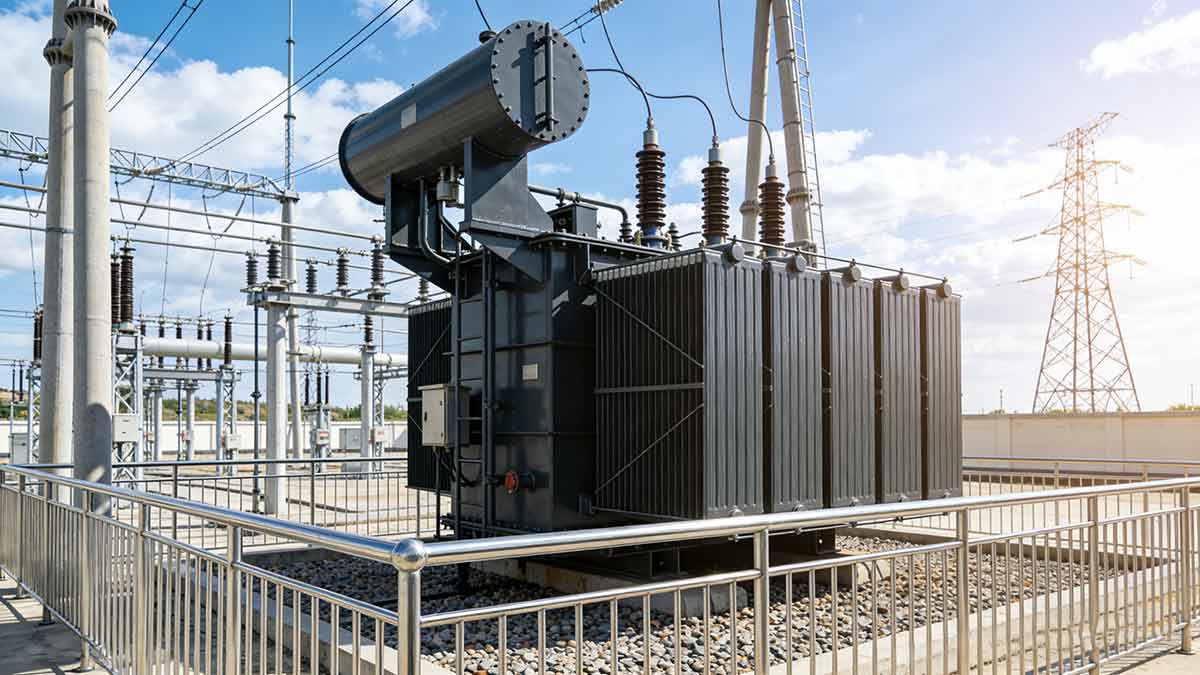
🛠️ How to Troubleshoot & Fix Power Transformer Noise Issues
If you notice abnormal power transformer noise, don’t ignore it—addressing the issue early can prevent costly breakdowns and safety hazards. Below is a step-by-step troubleshooting guide, organized by noise type:
Troubleshooting Common Noise Types
- Loud, irregular hum (DC bias):
- Check the transformer’s neutral point grounding—improper grounding is a common cause of DC bias.
- Test for geomagnetically induced current (GIC) or unbalanced DC transmission.
- Solution: Install a DC offset device to counteract the DC current, or adjust the grounding configuration. A professional electrician should handle this task.
- Hissing/crackling (partial discharge or insulation damage):
- Inspect for oil leaks (oil-immersed transformers) or damaged insulation.
- Solution: Replace damaged insulation, filter or replace contaminated oil, or repair leaks. For severe cases, the transformer may need professional servicing.
- Rattling/clicking (loose components):
- Shut down the transformer and inspect internal components (core, windings, connections) for looseness.
- Check for loose bolts or mounting hardware on the transformer’s tank.
- Solution: Tighten loose components, replace worn parts, or re-secure the transformer to its mounting surface. Avoid over-tightening, as this can damage core laminations.
- Loud roar (overloading):
- Check the transformer’s load capacity—ensure it’s not handling more power than its rated kVA.
- Reduce the load by turning off non-essential equipment connected to the transformer.
- Solution: If overloading is frequent, upgrade to a higher-capacity transformer or distribute the load across multiple transformers.
- Whirring that stops (cooling system failure):
- Check if the cooling fan or oil pump is running—listen for fan movement or feel for air flow.
- Inspect the cooling system’s power supply and wiring for issues.
- Solution: Replace a faulty fan or pump, or repair the power supply. Overheating can cause permanent damage, so address this immediately.
Preventive Maintenance to Reduce Noise & Extend Transformer Life
The best way to avoid abnormal power transformer noise is through regular preventive maintenance. These simple steps can keep your transformer running quietly and reliably:
- Quarterly inspections: Check for loose components, oil leaks, and unusual noise. For oil-immersed transformers, sample and test the oil to ensure it’s clean and at the correct level.
- Annual cooling system check: Clean fan blades, inspect pumps, and ensure the cooling system is working efficiently. Replace worn fans or pumps before they fail.
- Load monitoring: Regularly check the transformer’s load to avoid overloading. Use a load monitor to track usage and identify peak periods.
- Proper installation: Ensure the transformer is mounted on a vibration-damping surface (like rubber pads) to reduce noise transfer. For residential areas, add sound insulation around the transformer or its enclosure.
- DC bias monitoring: For large transformers (110kV+), install a GIC monitoring system to detect DC bias early and prevent noise and damage.
Expert Tip: According to power industry data, transformers that receive regular preventive maintenance experience 40% fewer noise-related issues and have a 25% longer service life. Simple tasks like oil testing and fan cleaning can save thousands in repair costs down the line.
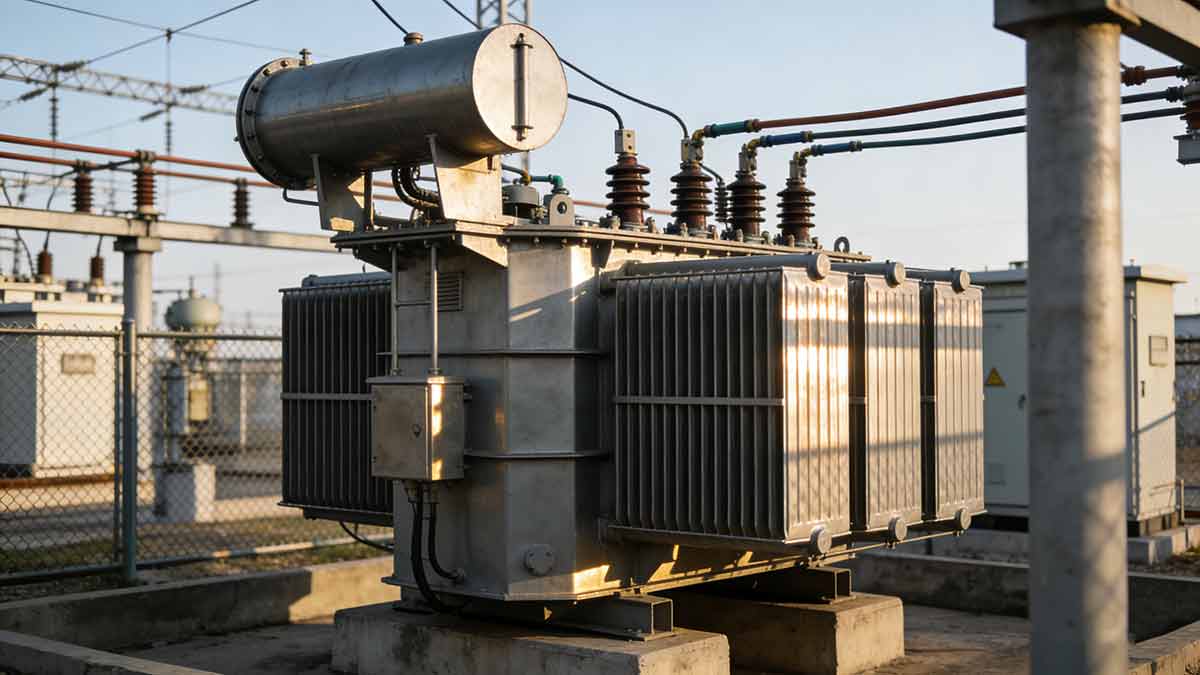
❓ Common Questions About Power Transformer Noise (FAQs)
We’ve compiled the most frequently asked questions about power transformer noise to address common concerns and clarify confusion. These questions align with what users search for on Google, making them ideal for SEO and user value:
Q1: Is the “hum” from a power transformer normal?
A: Yes! The steady, low “hum” from a power transformer is completely normal. It’s caused by magnetostriction in the iron core—when the core’s silicon steel sheets expand and contract with the alternating magnetic field. As long as the hum is consistent and not overly loud (below 65dB), it poses no risk.
Q2: Can power transformer noise make me sick?
A: Normal transformer noise (below 85dB) is not harmful to your health. However, long-term exposure to loud, high-frequency noise (85dB+) can cause hearing damage. Low-frequency noise (the “hum”) can be annoying and disrupt sleep, but it doesn’t cause serious illness, though some people may experience headaches or stress from prolonged exposure. In rare cases, extremely low-frequency noise has been linked to minor health issues like tinnitus (ringing in the ears).
Q3: Why did my power transformer suddenly get louder?
A: A sudden increase in noise usually indicates an issue, such as overloading, DC bias, loose components, or cooling system failure. If the noise went from a steady hum to a loud roar or harsh tone, check the transformer’s load, cooling system, and grounding. If you smell burning or see oil leaks, shut it down immediately and call a professional.
Q4: How do I reduce power transformer noise near my home?
A: If the transformer is on your property, you can reduce noise by installing vibration-damping rubber pads under the transformer, adding a sound-insulating enclosure, or planting trees/shrubs around it to absorb sound. For utility-owned transformers, contact your local utility company to request noise reduction measures (like insulation or repositioning).
Q5: When should I call a professional for transformer noise?
A: Call a professional if you notice: sudden loud noise, hissing/crackling/clicking sounds, burning smells, oil leaks, overheating, or noise exceeding 85dB. A professional can diagnose the issue (like DC bias, insulation damage, or loose parts) and make repairs to prevent breakdowns or safety hazards.
🏁 Conclusion: Power Transformer Noise—Know the Difference Between Harmless & Dangerous
Power transformer noise: what causes it & is it dangerous? Now you have the answers. Most transformer noise is a harmless byproduct of normal operation—caused by magnetostriction, cooling fans, or minor vibration. But abnormal noise—sudden loudness, harsh tones, or accompanying warning signs—can signal serious issues like DC bias, insulation damage, or overloading, which are dangerous and can damage the transformer.
By understanding the causes of power transformer noise, knowing how to distinguish normal from abnormal sounds, and following preventive maintenance steps, you can keep your transformer running quietly and safely. If you’re unsure about the noise from your power transformer, or if you need help troubleshooting or selecting a low-noise transformer for your facility, our team of transformer experts is here to help. We offer tailored solutions to address noise issues and ensure your transformer operates reliably for years to come.