
As global focus on environmental stewardship intensifies, oil filled transformer manufacturers are leading the charge with innovative approaches to minimize ecological impact. From next-generation eco-oils to leak-resistant engineering, circular recycling systems, and smart monitoring tools, these advancements prove sustainability and performance can go hand in hand—without compromising reliability or efficiency.
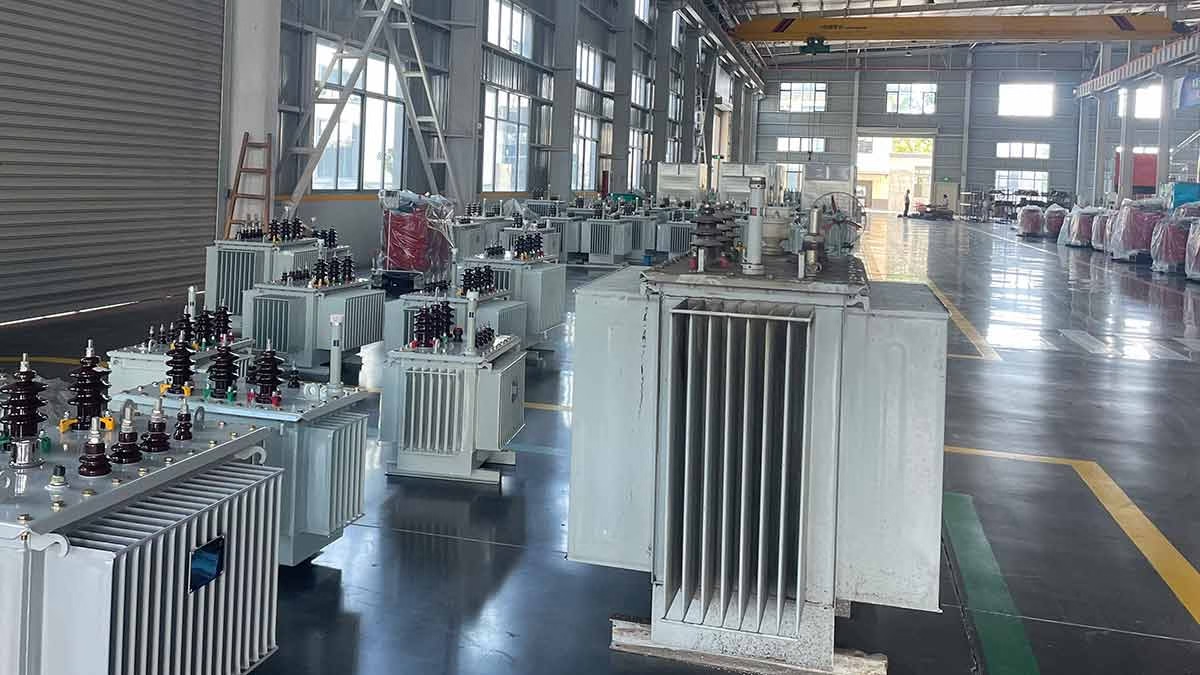
Green transformer technology is no longer a niche trend; it’s a critical evolution in power distribution. In this piece, we’ll explore the groundbreaking strategies reshaping the industry, from renewable oil alternatives to AI-driven maintenance, and how these innovations are meeting today’s most pressing environmental standards.
Contents
hide
Are Eco-Friendly Oils Redefining the Future of Power Transformers?
Have you ever stopped to consider the environmental footprint of the transformers that power our cities, factories, and homes? For decades, traditional mineral oils have been the standard—but that’s rapidly changing. Eco-friendly transformer oils are emerging as a game-changer, offering a safer, more sustainable alternative that’s transforming power distribution worldwide.
These advanced oils are biodegradable, non-toxic, and derived from renewable sources like plant-based feedstocks, synthetic esters, or natural esters. Unlike mineral oils (which rely on fossil fuels and pose long-term environmental risks), they deliver superior fire safety, enhanced cooling capabilities, and a drastically reduced ecological footprint.
Comparing Traditional and Eco-Friendly Transformer Oils
Let’s break down how these green alternatives are revolutionizing the industry:
Environmental Degradability: Nature’s Built-In Cleanup
Eco-friendly oils break down naturally in the environment, eliminating the persistent contamination risks of mineral oils.
Core Advantages:
- Rapid decomposition in soil and water ecosystems
- Minimized risk of groundwater and soil pollution
- Lower costs for spill cleanup and remediation
Fire Safety: A More Resilient Approach to Power
Many eco-oils boast higher flash and fire points than mineral oils, adding a critical layer of safety to transformer installations.
Safety Perks:
- Reduced fire hazard in both industrial and residential settings
- Diminished risk of fire spread during equipment malfunctions
- Potential for lower insurance premiums due to enhanced safety profiles
Performance Excellence: Green Doesn’t Mean Compromise
Far from being a “sustainable trade-off,” eco-friendly oils often outperform traditional mineral oils in key operational metrics.
Performance Upgrades:
- Superior heat dissipation to keep transformers running cooler
- Extended equipment lifespan through improved oxidation stability
- Better moisture tolerance for consistent performance in harsh conditions
Renewable Sourcing: Powering Progress with Natural Resources
Eco-oils draw from sustainable, renewable feedstocks, aligning transformer operations with circular economy goals.
Sourcing Benefits:
- Reduced reliance on non-renewable fossil fuels
- Lower carbon emissions during production and lifecycle
- Support for agricultural communities through plant-based feedstock demand
| Oil Type | Environmental Impact | Performance | Safety Rating |
|---|---|---|---|
| Mineral Oil | Significant | Standard | Good |
| Vegetable-Based Oil | Minimal | Excellent | Excellent |
| Synthetic Ester | Minimal | Very Good | Very Good |
| Natural Ester | Negligible | Good | Excellent |
I recently worked on a project upgrading a substation near an eco-sensitive wetland region, where local regulators had strict prohibitions on mineral oil transformers due to spill risks. We opted for units filled with natural ester oil derived from soybean feedstock—and I’ll admit, I was initially skeptical. Could a plant-based oil really match the reliability of mineral oil, a staple in the industry for decades?
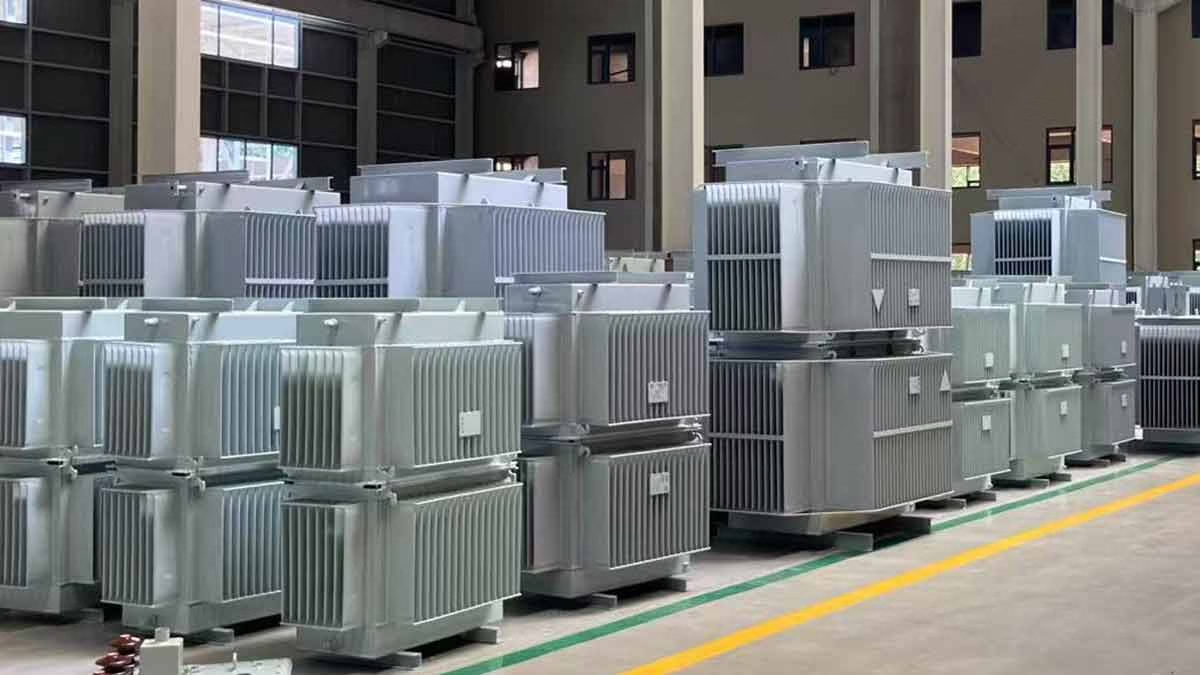
The data quickly changed my mind. The natural ester oil had a flash point exceeding 300 degrees Celsius—far higher than mineral oil’s typical 160–180°C—dramatically reducing fire risk in the fragile ecosystem. Even more impressive was its degradability: standardized tests showed it broke down 95% within 30 days, compared to mineral oil’s multi-year persistence in soil.
During installation, we experienced a minor spill of about five liters. With mineral oil, this would have triggered a full environmental emergency, requiring excavation and soil remediation. But with the natural ester oil, we simply contained the area, and within weeks, the oil had biodegraded completely, leaving no lasting impact on the surrounding soil.
Performance-wise, the transformer exceeded expectations. Its heat dissipation capabilities kept operating temperatures 10–15% lower than nearby mineral oil units, boosting efficiency and reducing wear. When a heatwave hit the region the following summer, while other substations struggled with overheating, our eco-oil transformer maintained optimal performance—proving that sustainability and resilience can go hand in hand.
Over three years of monitoring, the oil showed minimal oxidation, cutting maintenance frequency by 25% compared to mineral oil transformers. While the upfront cost was 15% higher, the long-term savings from reduced maintenance, lower insurance costs, and environmental compliance made it a no-brainer for the client.
That said, switching to eco-oils isn’t without considerations. In one retrofit project, we discovered older rubber seals and gaskets were incompatible with natural ester oils, requiring replacement. We also had to train maintenance teams on specialized testing protocols—these oils have unique properties that demand specific handling to preserve their performance.
As regulations tighten and sustainability becomes a business imperative, eco-friendly oils are moving from “nice-to-have” to “must-have.” Researchers are already developing next-gen formulations with faster biodegradation rates and improved cold-weather performance, addressing the few remaining limitations of current options. For forward-thinking utilities and industries, these oils aren’t just a trend—they’re the foundation of a more responsible power infrastructure.
Why Are Plant-Based Transformer Oils Replacing Mineral Oils?
Still relying on mineral oil for your transformer fleet? You might be overlooking a sustainability revolution that’s reshaping the power industry. The shift from fossil-based mineral oils to plant-derived alternatives is gaining momentum—and for good reason: these vegetable-based oils deliver unbeatable environmental benefits, enhanced safety, and often superior performance.
Driven by growing environmental regulations and corporate sustainability goals, plant-based transformer oils are becoming the go-to choice for eco-conscious utilities. They’re biodegradable, non-toxic, and offer higher fire resistance than mineral oils, while also extending transformer lifespans and reducing maintenance burdens.
The Driving Forces Behind the Shift
Let’s explore why plant-based oils are emerging as the new standard:
Environmental Stewardship: A Low-Impact Alternative
Plant-based oils minimize ecological risk at every stage of their lifecycle.
Key Environmental Wins:
- Rapid biodegradation to avoid long-term contamination
- Low toxicity to aquatic and terrestrial wildlife
- Reduced carbon footprint from production to disposal
Enhanced Safety: Mitigating Fire and Hazard Risks
Vegetable-based oils’ inherent chemical properties make them far safer than mineral oils in high-risk settings.
Safety Enhancements:
- Significantly higher flash and fire points (often 250°C+)
- Reduced risk of explosion during equipment failure
- Less toxic smoke and fumes if combustion occurs
Operational Superiority: Beyond Green—Genuinely Better
Many plant-based oils outperform mineral oils in critical operational areas, delivering tangible efficiency gains.
Performance Benefits:
- Improved heat transfer to reduce operating temperatures
- Better moisture tolerance for reliability in humid environments
- Potential for higher overload capacity during peak demand
Lifecycle Value: Thinking Long-Term About Cost and Impact
Plant-based oils offer advantages that extend beyond initial installation, creating long-term value.
Lifecycle Advantages:
- Extended transformer lifespan through reduced oxidation
- Lower maintenance costs due to improved stability
- Easier end-of-life disposal with minimal environmental impact
| Aspect | Mineral Oil | Plant-Based Oil |
|---|---|---|
| Biodegradability | Low | High |
| Fire Safety | Good | Excellent |
| Cooling Efficiency | Good | Very Good |
| Estimated Lifespan | Standard | 15–20% Longer |
| Environmental Impact | High | Low |
I vividly recall a project that highlighted the transformative power of plant-based oils. We were tasked with upgrading a substation adjacent to a nature reserve, where local authorities had banned mineral oil transformers due to the risk of leaks contaminating the reserve’s waterways.
Our proposal to use soybean-derived natural ester oil was met with skepticism. Clients and team members alike questioned whether a “vegetable oil” could stand up to the rigors of continuous power distribution—mineral oil had been the industry benchmark for over a century, after all.
To address safety concerns, we organized a live demonstration: side-by-side, we exposed both oils to open flames. The mineral oil ignited instantly, burning intensely with thick smoke. The plant-based oil, however, resisted ignition even at high temperatures—a visual proof that silenced doubts about its fire safety.
We then presented environmental data: in spill scenarios, the plant-based oil would biodegrade 90% within 30 days, while mineral oil could persist in soil for decades. For a site near a sensitive ecosystem, this difference was non-negotiable.
During installation, we noticed another unexpected benefit: the plant-based oil’s superior heat dissipation kept the transformer running 8–10°C cooler than mineral oil units. This not only improved energy efficiency but also reduced stress on internal components, promising a longer operational life.
That summer, a record heatwave hit the region. While neighboring substations reported transformer overheating and outages, our plant-based oil unit maintained optimal temperatures throughout—proving its resilience in extreme conditions.
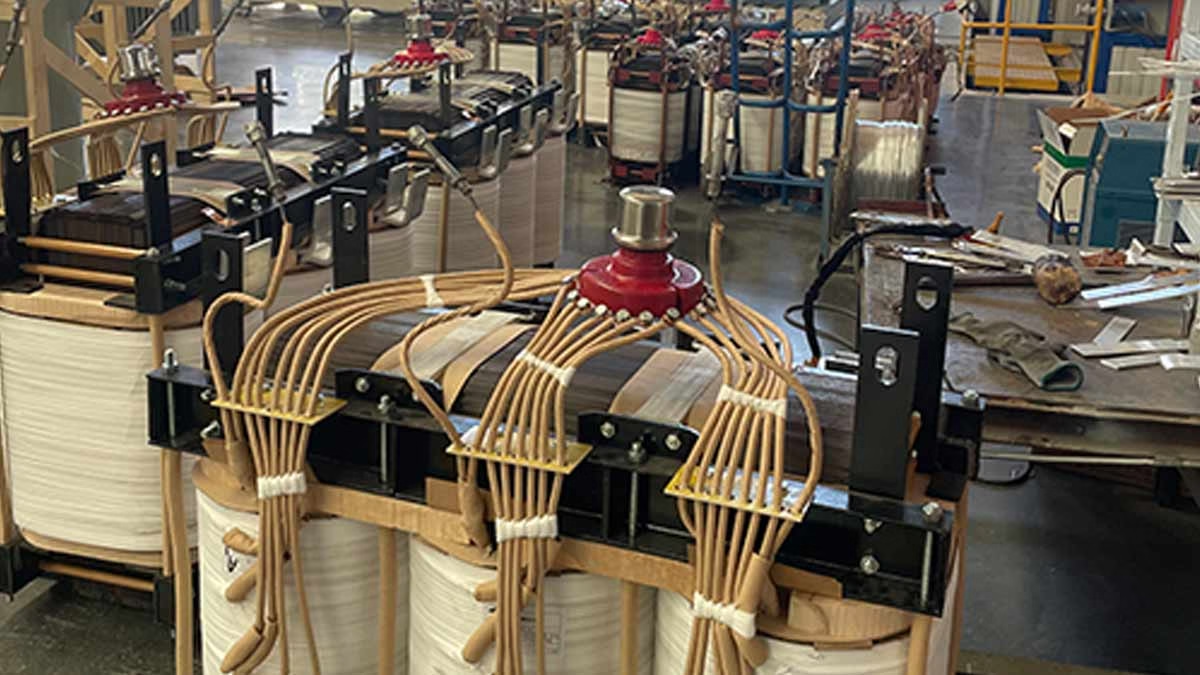
Over four years of monitoring, the oil showed minimal degradation: acidity levels remained low, and oxidation was 30% less than in comparable mineral oil transformers. This translated to fewer oil changes, lower maintenance costs, and significant savings for the client.
Of course, the shift wasn’t without hurdles. We had to retrain maintenance teams on proper handling—plant-based oils require specific testing methods for dielectric strength and moisture content. The upfront cost was also 20% higher than mineral oil, but we demonstrated that the long-term savings (from reduced maintenance, extended lifespan, and avoided environmental fines) would offset this within three years.
Another key lesson came during a retrofit project: older transformers with rubber seals or gaskets often aren’t compatible with natural ester oils, which can cause swelling or degradation. We now include a full component compatibility assessment as part of every plant-based oil conversion project.
The success of these projects has sparked a ripple effect. Utilities across the region are now requesting plant-based oil transformers for both new installations and retrofits. We’ve even developed a free assessment tool to help clients calculate their potential environmental and cost savings from making the switch.
As research advances, plant-based oils are only getting better. New formulations are addressing cold-weather performance gaps, and researchers are exploring feedstocks like canola and sunflower to further reduce carbon footprints. For the power industry, this shift isn’t just about compliance—it’s about building a more sustainable, resilient grid for the future.
How Leak-Resistant Designs Are Protecting the Environment from Transformer Oil Spills
Transformer oil leaks have long been a major environmental headache for utilities and manufacturers alike. A single spill can contaminate soil, waterways, and ecosystems—leading to costly cleanups, regulatory penalties, and reputational damage. But thanks to cutting-edge engineering, leak-resistant transformer designs are changing the game, keeping oil where it belongs while boosting reliability and longevity.
Today’s leak-resistant transformers integrate advanced sealing technologies, reinforced construction, and intelligent monitoring to eliminate spill risks. These innovations not only protect the environment but also reduce maintenance costs, improve operational efficiency, and extend equipment lifespans—making them a win-win for both sustainability and business.
The Innovations Behind Leak-Resistant Transformers
Let’s dive into the design breakthroughs that are setting new standards for environmental protection:
Advanced Sealing Systems: Locking In Oil, Keeping Out Risks
Modern transformers use next-generation sealing materials and designs to prevent leaks, even under extreme conditions.
Sealing Innovations:
- High-performance fluoroelastomer gaskets that resist temperature fluctuations and chemical degradation
- Double-seal configurations for critical joints, creating a redundant barrier against leaks
- Pressure-compensating seals that adapt to internal pressure changes, preventing seal failure
Reinforced Construction: Building for Durability
New manufacturing techniques and materials are making transformer tanks more resilient to wear, corrosion, and physical stress.
Construction Advancements:
- Precision-welded tank seams with laser inspection to eliminate micro-cracks
- Corrosion-resistant coatings and stainless-steel components for outdoor or harsh environments
- Reinforced tank walls and baseplates to withstand impacts and seismic activity
Intelligent Leak Detection: Catching Issues Before They Escalate
Smart monitoring systems now provide real-time visibility into potential leak risks, enabling proactive intervention.
Monitoring Features:
- Ultrasonic and acoustic sensors that detect minute leaks or seal degradation
- Continuous oil level and pressure monitoring with instant alerts for anomalies
- IoT-connected systems that integrate with central control rooms for remote oversight
Maintenance-Friendly Design: Reducing Leak Risks During Servicing
Many leaks occur during maintenance—so new designs prioritize safe, easy access without compromising integrity.
Maintenance Perks:
- Dedicated oil sampling ports that eliminate the need for tank disassembly
- Modular components that simplify repairs without exposing oil to the environment
- Clear inspection points for visual checks of seals and joints
| Design Aspect | Traditional Transformers | Leak-Resistant Designs |
|---|---|---|
| Sealing | Basic rubber gaskets | Multi-layer, chemical-resistant seals |
| Tank Construction | Standard welding | Precision-welded, reinforced walls |
| Leak Monitoring | Manual inspections | Real-time sensor-based detection |
| Maintenance Access | Complex disassembly | Simplified, leak-safe access points |
I once led a project for a utility company struggling with recurring oil leaks at a substation near a critical watershed. The site had already faced two minor spills in three years—each resulting in costly cleanup and regulatory scrutiny. The stakes were high: another spill could lead to fines, public backlash, and damage to the local ecosystem.
After assessing the existing transformers, we identified the root causes: aging rubber gaskets that had degraded over time, and poorly welded tank seams that were prone to micro-cracks. The solution? Replace the outdated units with leak-resistant transformers featuring the latest sealing and monitoring technology.
The centerpiece of the new design was a double-seal system using fluoroelastomer materials—chosen for their ability to withstand the substation’s extreme temperature swings (from -10°C in winter to 40°C in summer). The tank seams were welded using robotic precision and inspected with laser scanning to ensure zero defects. We also added a corrosion-resistant coating to protect against the humid, coastal environment.
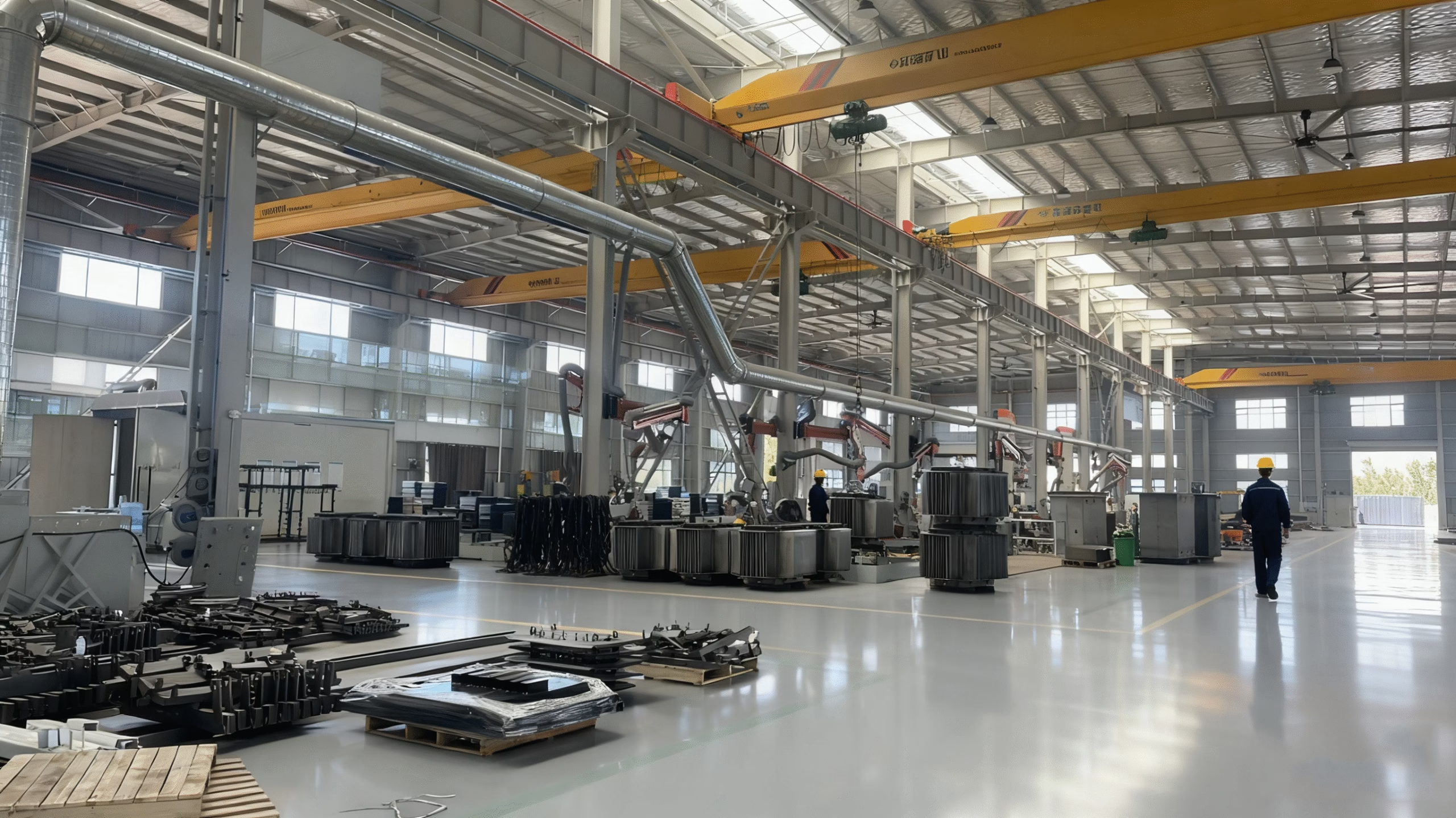
But the real game-changer was the intelligent monitoring system. We installed ultrasonic sensors along all tank seams and seal points, which could detect even the smallest oil droplets. These sensors were connected to a central dashboard, where maintenance teams could monitor oil levels, pressure, and leak status in real time. If an anomaly was detected, the system sent instant alerts via email and SMS—allowing for immediate action.
During installation, we faced a challenge: the existing foundation wasn’t designed to support the new transformers’ weight distribution. We collaborated with structural engineers to modify the foundation, adding vibration-dampening pads to reduce stress on the seals and tank. This small adjustment would help prevent long-term wear that could lead to leaks.
The results were transformative. Over the next two years, the substation recorded zero oil leaks—even during a severe storm that flooded parts of the facility. The enhanced sealing kept all oil contained, and the monitoring system provided peace of mind that potential issues would be caught early.
Maintenance teams also benefited: the new design’s dedicated sampling ports and accessible inspection points cut oil sampling time by 50% and eliminated the risk of leaks during servicing. The utility estimated that the leak-resistant transformers saved them over $100,000 in potential cleanup costs and downtime in the first year alone.
An unexpected bonus? The leak-resistant design improved operational efficiency. The tighter seals prevented moisture ingress, which can degrade oil quality and reduce transformer performance. We measured a 3% increase in efficiency compared to the old units—translating to lower energy losses and cost savings for the utility.
Of course, adopting these designs required upfront investment. The leak-resistant transformers cost 25% more than traditional models, but we built a cost-benefit analysis that showed the investment would pay for itself within four years through reduced maintenance, avoided fines, and energy savings. We also provided training for maintenance teams to ensure they knew how to use the monitoring system effectively.
Looking ahead, the future of leak-resistant design is even more exciting. Researchers are developing self-healing seal materials that can automatically repair micro-cracks, and nanotechnology-based coatings that offer unprecedented corrosion resistance. As environmental regulations become stricter, these innovations will no longer be optional—they’ll be the industry standard.
For utilities and industries, investing in leak-resistant transformers isn’t just about risk mitigation. It’s a statement of environmental responsibility, a way to reduce operational costs, and a step toward building a more sustainable power grid.
Can Transformer Oil Recycling Create a Circular Economy for Power Equipment?
What happens to transformer oil once it’s used up? For years, the answer was simple: dispose of it as hazardous waste—a costly, environmentally damaging practice. But today, transformer oil recycling is emerging as a cornerstone of the industry’s circular economy efforts, turning used oil into a valuable resource while minimizing waste and conserving natural materials.
Transformer oil recycling involves a rigorous purification process that removes contaminants, restores insulating properties, and replenishes additives—resulting in reconditioned oil that meets or exceeds the quality of new oil. This process not only reduces the need for virgin oil production but also cuts down on hazardous waste, lowers carbon emissions, and delivers significant cost savings for utilities.
The Ins and Outs of Transformer Oil Recycling
Let’s explore how recycling is transforming the lifecycle of transformer oil:
Purification: From Contaminated to Pristine
Modern recycling facilities use multi-stage processes to eliminate impurities from used oil.
Key Purification Steps:
- High-efficiency filtration to remove particulate matter (down to sub-micron levels)
- Dehydration to eliminate moisture that degrades insulation performance
- Degasification to remove dissolved gases that cause oxidation and corrosion
Quality Restoration: Restoring Performance and Longevity
Recycled oil isn’t just “clean”—it’s engineered to perform like new (or better).
Restoration Techniques:
- Chemical rebalancing to adjust acidity and viscosity to optimal levels
- Additive replenishment to restore anti-oxidant, anti-corrosive, and anti-foaming properties
- Oxidation stability treatment to extend the oil’s usable lifespan
Environmental Impact: Reducing the Carbon Footprint
Recycling transformer oil delivers tangible ecological benefits at every stage.
Environmental Advantages:
- Reduces virgin oil demand, conserving fossil fuels and reducing drilling impacts
- Minimizes hazardous waste disposal, lowering the risk of soil and water contamination
- Cuts carbon emissions by up to 70% compared to producing new oil (due to reduced refining and transport)
Economic Benefits: Saving Money While Going Green
Recycling isn’t just good for the planet—it’s good for the bottom line.
Cost Savings:
- 40–60% lower cost than purchasing new virgin oil
- Reduced hazardous waste disposal fees (which can be thousands of dollars per drum)
- Extended transformer lifespan due to higher-quality reconditioned oil
| Aspect | New Virgin Oil | Recycled Oil |
|---|---|---|
| Quality | High | Equivalent or superior |
| Environmental Impact | High | Low |
| Cost (per liter) | $X | $0.4X–$0.6X |
| Supply Stability | Vulnerable to market fluctuations | Consistent, local supply |
I first witnessed the power of transformer oil recycling while working with a large utility company that operated over 500 transformers across a regional grid. The company was struggling with rising costs of new oil and increasing pressure to reduce its environmental footprint—disposing of 5,000+ liters of used oil annually as hazardous waste was both expensive and damaging to their sustainability goals.
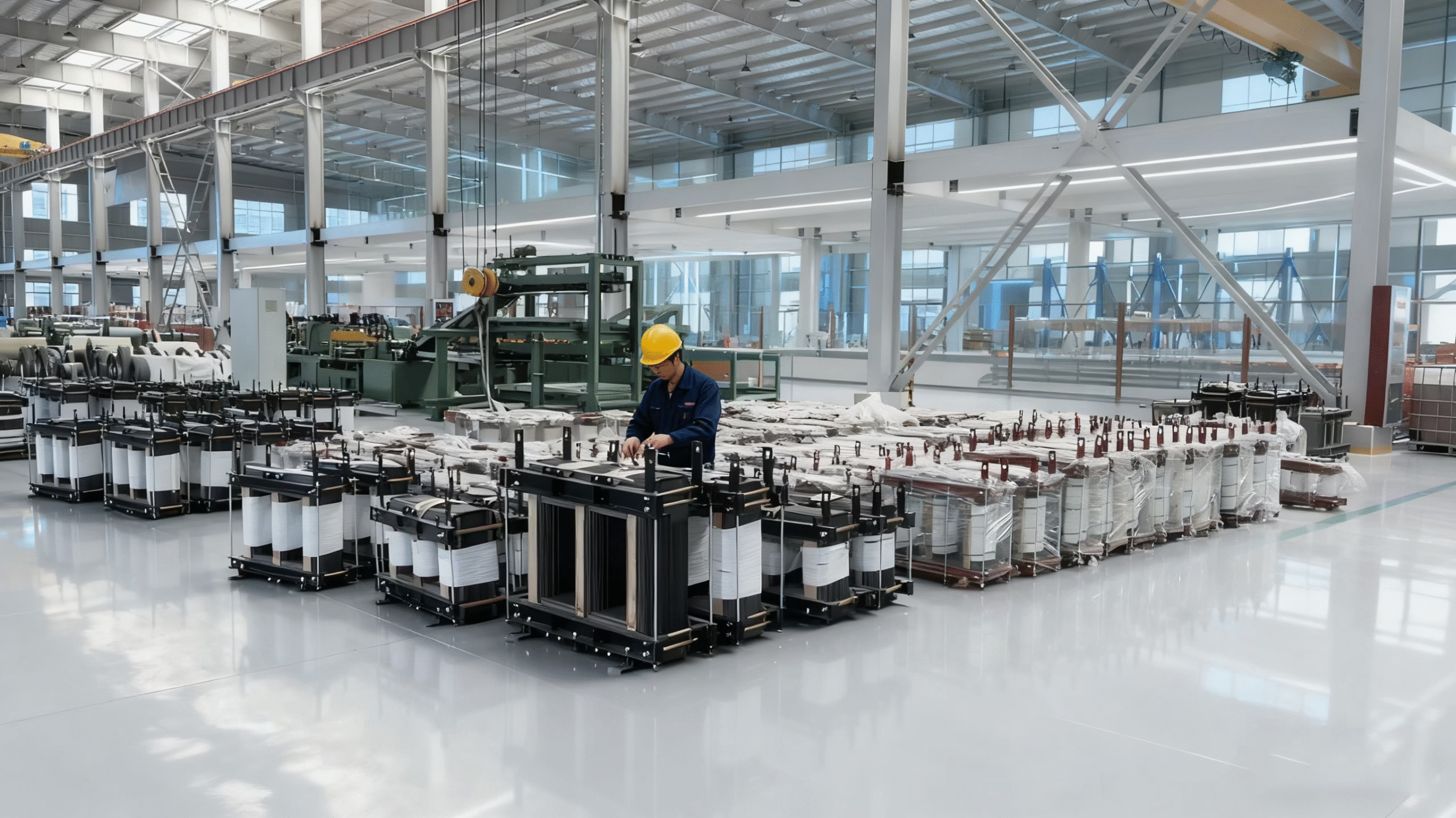
We proposed implementing an on-site oil recycling program, installing a compact, mobile recycling unit that could process used oil from their transformers without transporting it to an off-site facility. The system’s centerpiece was a multi-stage filtration and purification process that could handle up to 1,000 liters per day.
One of our biggest challenges was handling oil from older transformers that contained trace amounts of PCBs (polychlorinated biphenyls)—a toxic, persistent contaminant. We integrated a specialized PCB removal stage into the recycling process, ensuring the final product was completely PCB-free and compliant with environmental regulations.
The results were staggering. Laboratory tests showed that the recycled oil had dielectric strength, acidity, and moisture content that exceeded industry standards for new oil. In fact, the reconditioned oil’s oxidation stability was 20% better than new virgin oil, thanks to advanced additive packages used in the restoration process.
We implemented a strict quality control program: every batch of recycled oil was tested by an independent lab before being reused. This transparency helped build trust with the utility’s maintenance teams, who were initially hesitant to use “recycled” oil in critical equipment.
The economic benefits kicked in immediately. In the first year, the utility reduced its oil replacement costs by 55%—saving over $75,000. Hazardous waste disposal fees dropped by 90%, as only a small fraction of the oil (less than 5%) was deemed unrecyclable and required special disposal.
An unexpected advantage emerged in transformer performance: transformers filled with recycled oil showed 15% lower oxidation rates and better heat dissipation, extending maintenance intervals by 30%. This meant fewer oil changes, less downtime, and additional cost savings for the utility.
We also developed a closed-loop system: oil from each transformer was recycled on-site, with only small amounts of new oil added to top up levels. This created a circular lifecycle for the oil, minimizing waste and ensuring consistent quality across the fleet.
The success of this project inspired other utilities to adopt recycling programs. We’ve since helped implement mobile recycling units for smaller utilities that can’t justify on-site facilities, creating a network of regional recycling hubs that serve multiple clients.
Of course, recycling isn’t without challenges. We had to train maintenance teams on proper oil collection and handling procedures to avoid cross-contamination. There was also initial resistance from engineers who were accustomed to using new oil—overcoming this required demonstrating the recycled oil’s superior performance through side-by-side tests.
Looking forward, recycling technology is evolving rapidly. Researchers are developing processes that can recycle oil multiple times without degradation, and bio-based additives that further enhance the environmental profile of recycled oil. As the industry moves toward a circular economy, transformer oil recycling will become an essential practice—not just an option.
For utilities and industries, recycling transformer oil is a win-win: it reduces costs, minimizes environmental impact, and supports a more sustainable power infrastructure. It’s a simple yet powerful way to turn waste into value.
How Smart Technology Is Making Oil-Filled Transformers More Sustainable
In an era of digital transformation, even the most traditional power equipment is getting a “smart” upgrade—and oil-filled transformers are no exception. Modern technology is revolutionizing how we monitor, maintain, and operate these critical grid components, making them cleaner, more efficient, and more environmentally friendly than ever before.
From IoT sensors to AI-driven analytics, smart technologies are enabling proactive maintenance, optimizing energy use, and reducing environmental risks. These innovations aren’t just about convenience—they’re about creating a more sustainable power grid that minimizes waste, extends equipment lifespans, and cuts carbon emissions.
The Smart Features Transforming Transformer Sustainability
Let’s explore how technology is driving greener, more efficient oil-filled transformers:
Real-Time Monitoring: Eyes on Every Component
Smart sensors and IoT connectivity provide 24/7 visibility into transformer performance and environmental risks.
Key Monitoring Capabilities:
- Continuous oil quality tracking (acidity, moisture, dielectric strength)
- Temperature and pressure monitoring to prevent overheating and seal failure
- Load and efficiency metrics to identify energy-wasting operations
Predictive Maintenance: Fixing Problems Before They Occur
AI and machine learning turn data into actionable insights, eliminating costly, unnecessary maintenance.
Predictive Capabilities:
- Fault detection algorithms that identify potential failures weeks in advance
- Lifespan modeling to optimize replacement timelines and avoid premature disposal
- Condition-based maintenance scheduling that reduces downtime and extends equipment life
Efficiency Optimization: Maximizing Performance, Minimizing Waste
Smart systems adjust transformer operation in real time to reduce energy losses.
Optimization Techniques:
- Dynamic load management to match output with demand (reducing no-load losses)
- Cooling system automation that adjusts fan speed or oil circulation based on temperature
- Voltage regulation fine-tuning to minimize energy waste during low-demand periods
Environmental Safeguards: Proactive Protection for Ecosystems
Smart technology adds an extra layer of protection against environmental incidents.
Environmental Features:
- Automated leak detection with instant alerts and containment triggers
- Oil level monitoring to prevent overfilling and spills
- Integration with weather data to predict and mitigate extreme condition risks
| Aspect | Traditional Transformers | Smart Transformers |
|---|---|---|
| Monitoring | Manual, periodic checks | Continuous, real-time data |
| Maintenance | Scheduled (often overdone) | Predictive, condition-based |
| Efficiency | Static, one-size-fits-all | Dynamic, demand-driven |
| Environmental Protection | Reactive (cleanup after spills) | Proactive (prevention and early intervention) |
I recently led a project for a utility that operated a network of transformers in a ecologically sensitive region—home to endangered species and protected waterways. The utility faced intense pressure to reduce its environmental footprint while maintaining reliable power supply for 200,000 customers.
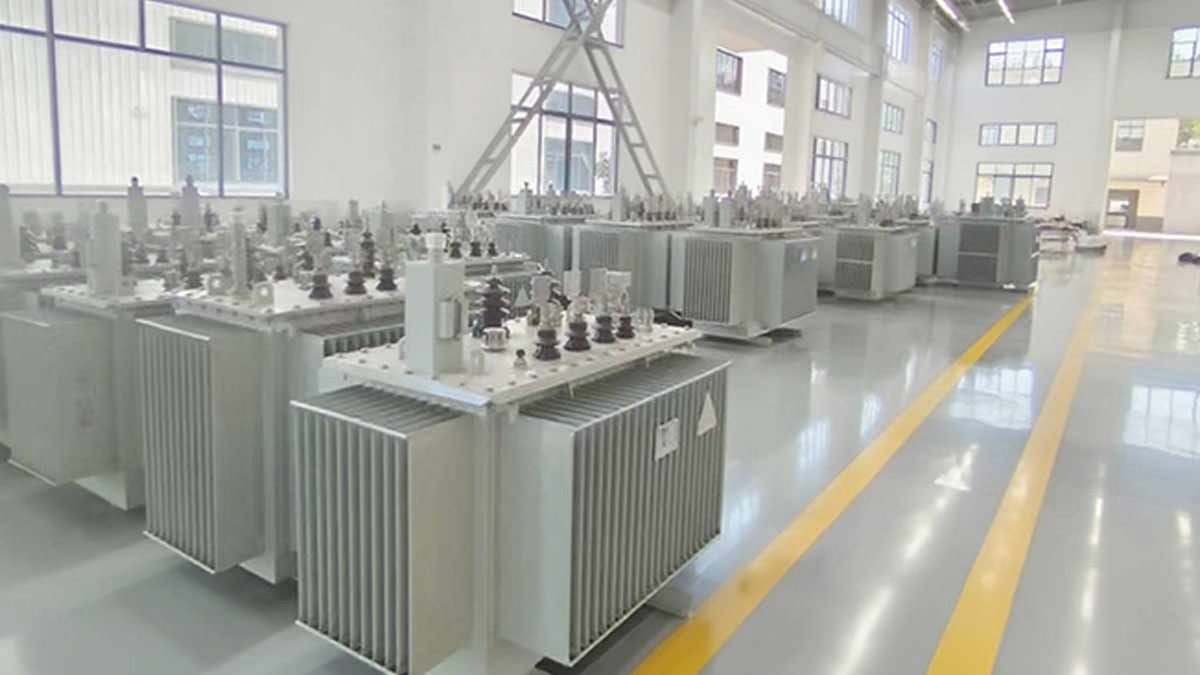
Our solution was to deploy a comprehensive smart monitoring system across their 75-transformer fleet. Each unit was fitted with a suite of sensors: ultrasonic leak detectors, oil quality monitors, temperature/pressure gauges, and load sensors—all connected to a central AI platform.
The leak detection feature was a game-changer. One transformer, located near a creek, developed a tiny seal leak that would have gone unnoticed with manual inspections. The ultrasonic sensor detected the leak within hours, sending an alert to the utility’s control room. Maintenance teams responded the same day, repairing the seal before any oil reached the waterway. Without the smart system, this could have become a major environmental incident.
The predictive maintenance capabilities were equally impressive. The AI platform analyzed data from each transformer to identify patterns that indicated impending issues. For example, it flagged a transformer with rising oil acidity levels—an early sign of insulation degradation. The utility scheduled maintenance during a low-demand weekend, replacing the oil and fixing the root cause (a faulty cooling system) before the transformer failed. This proactive approach saved the utility over $50,000 in emergency repair costs and avoided a potential outage.
Efficiency optimization delivered tangible results too. The smart system adjusted transformer voltage levels during off-peak hours, reducing no-load losses by 8%. During heatwaves, it automatically ramped up cooling systems before temperatures reached critical levels—preventing overheating and reducing energy waste. Over the first year, the utility saw a 5% reduction in overall transformer-related energy losses, translating to 1,200 fewer tons of carbon emissions.
Integrating weather data was another innovative touch. The system used local forecast data to predict temperature spikes or heavy rainfall, adjusting transformer operations accordingly. For example, during a predicted heatwave, it pre-cooled transformers overnight to reduce stress during peak daytime demand. During heavy rains, it increased leak monitoring frequency to detect water ingress early.
Retrofitting older transformers was a challenge—many of the units were 20+ years old and lacked built-in connectivity. We developed custom sensor kits that could be installed without modifying the transformer’s core components, ensuring compatibility while adding smart capabilities.
Training was another key part of the project. The utility’s maintenance teams were used to manual inspections and scheduled maintenance, so we provided hands-on training on the new AI platform. We created dashboards tailored to their needs, with simple visual alerts and step-by-step guidance for addressing issues. Within a few months, the teams were fully comfortable using the system—and even began suggesting improvements based on their on-the-ground experience.
Data security was a top priority. With transformers connected to the internet, the risk of cyberattacks was a concern. We implemented end-to-end encryption, multi-factor authentication, and regular security audits to protect the system from breaches.
The results speak for themselves: over two years, the utility recorded a 40% reduction in oil-related environmental incidents, a 15% extension in transformer lifespans, and $300,000 in combined savings from reduced maintenance, energy efficiency, and avoided outages.
Looking ahead, the future of smart transformers is exciting. Researchers are developing self-healing components that can automatically repair minor defects, and AI systems that can predict grid-wide issues by analyzing data from multiple transformers. As renewable energy sources like solar and wind become more prevalent, smart transformers will play a critical role in managing variable power flows and maintaining grid stability—all while staying true to sustainability goals.
For utilities and industries, investing in smart transformer technology isn’t just about keeping up with trends. It’s about reducing environmental impact, cutting costs, and building a more resilient, sustainable power grid for the future.
Conclusion
The transformer industry is undergoing a sustainability revolution—one driven by innovation, regulation, and a shared commitment to protecting the planet. From eco-friendly plant-based oils that minimize spill risks to leak-resistant designs that keep oil contained, from circular recycling systems that turn waste into value to smart technologies that optimize efficiency and prevent issues, manufacturers are proving that environmental responsibility and performance can go hand in hand.
These advancements aren’t just incremental improvements—they’re a fundamental shift in how we design, operate, and maintain oil-filled transformers. By prioritizing sustainability, the industry is not only reducing its environmental footprint but also delivering tangible benefits for utilities and end-users: lower costs, longer equipment lifespans, improved safety, and more reliable power distribution.
As the world moves toward a net-zero future, these innovations will become increasingly critical. Transformer manufacturers that embrace sustainable solutions won’t just comply with regulations—they’ll lead the market, build trust with environmentally conscious customers, and play a vital role in creating a greener, more resilient power grid.
The future of oil-filled transformers is green, smart, and circular—and it’s here today.