
A dry type transformer is electricity’s silent adapter—reconfiguring voltage to match the needs of buildings, machinery, and devices without relying on oil for cooling. Unlike oil-filled alternatives, these units prioritize safety, environmental responsibility, and versatility, making them indispensable for indoor spaces where people live, work, and heal.
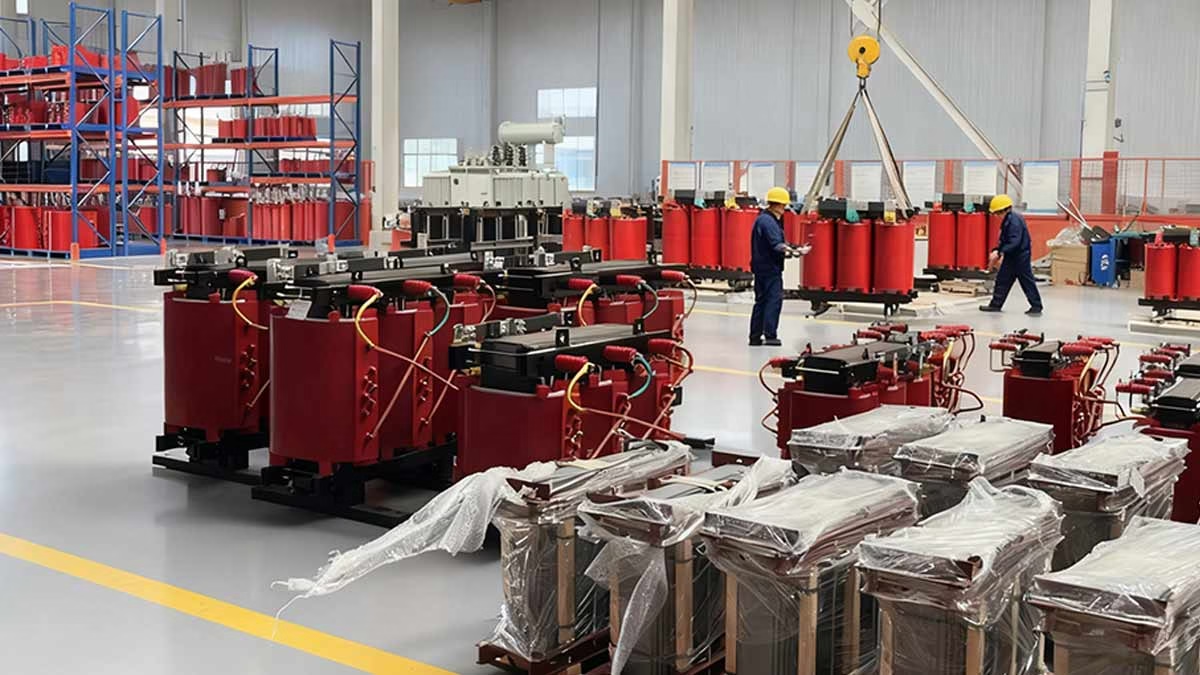
As experts in electrical infrastructure, we’ve witnessed how dry type transformers redefine reliability in sensitive environments. Below, we unpack their design, advantages, applications, and maintenance—revealing why they’re the trusted choice for forward-thinking projects worldwide.
Contents
hide
Dry vs. Oil-Filled: Core Differences in Transformer Design
The line between dry type and oil-filled transformers starts with their cooling and insulating medium—and this distinction shapes everything from safety to application. While oil-filled units depend on mineral or synthetic oil to regulate temperature and insulate components, dry type transformers use air or advanced solid insulation materials to achieve the same goals.
This fundamental difference makes dry type transformers the preferred option for indoor and eco-sensitive settings. Let’s break down the key contrasts:
| Feature | Dry Type Transformers | Oil-Filled Transformers |
|---|---|---|
| Cooling Medium | Natural air (AN) or forced air (AF) circulation; solid insulation | Mineral/synthetic oil (cools and insulates) |
| Safety Profile | Minimal fire risk (no flammable liquids); compliant with fire safety standards (UL 1561) | Higher fire risk; requires oil containment systems |
| Environmental Impact | Zero risk of oil spills; fully recyclable components | Potential for soil/water contamination from leaks |
| Size & Weight | Compact footprint; lighter (easier to install in tight spaces) | Denser, heavier (requires structural support) |
| Maintenance Needs | Low-effort (no oil testing/ replacement) | Regular oil analysis, filtration, and replacement |
In practice, these differences translate to real-world safety. For a children’s hospital expansion, we specified dry type transformers over oil-filled alternatives—eliminating the risk of oil-related fires near operating rooms and intensive care units. The decision aligned with the facility’s strict safety protocols and avoided the need for costly oil containment infrastructure.
The Inner Workings of Dry Type Transformers
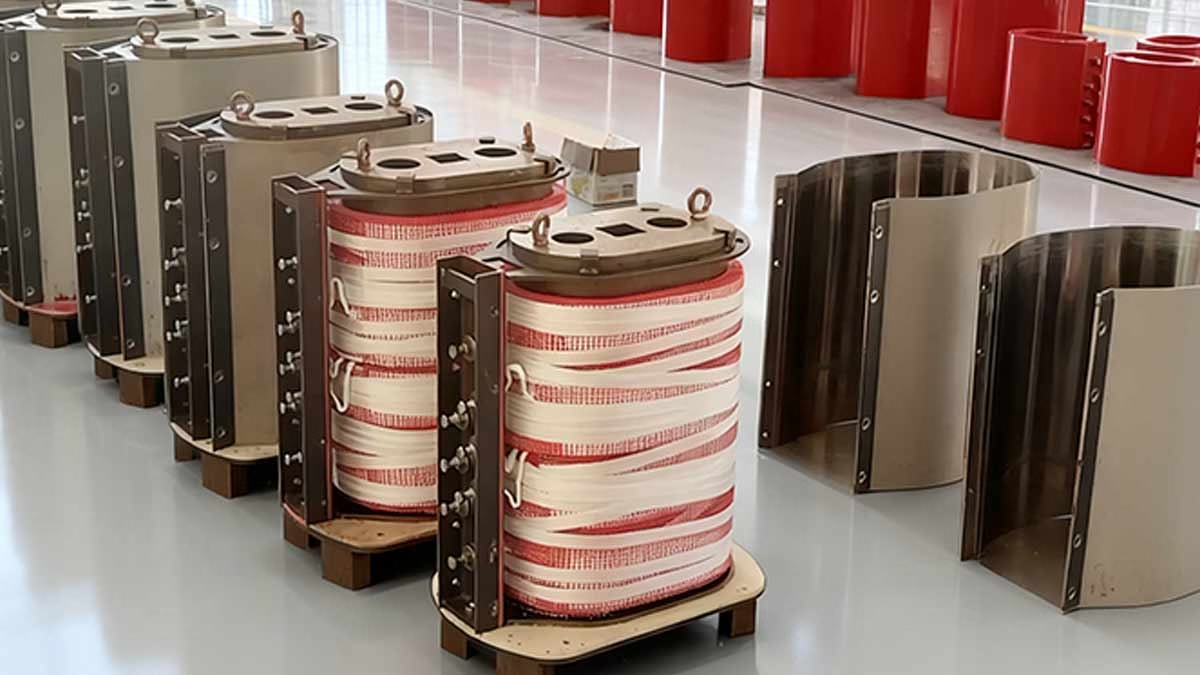
Dry type transformers may operate silently, but their design is a feat of engineering precision. Every component—from the core to the windings—works in harmony to deliver efficient voltage conversion without liquid cooling.
Key Components & Design Principles
- Core: The transformer’s “power conductor,” typically crafted from thin sheets of cold-rolled silicon steel. This material minimizes energy loss (eddy currents) while maximizing magnetic flux transfer—critical for efficiency. Our units use grain-oriented silicon steel for even lower losses (up to 30% more efficient than standard cores).
- Windings: Copper or aluminum coils wrapped around the core, responsible for stepping voltage up or down. Windings are insulated with high-temperature-resistant materials (e.g., Nomex® or epoxy resin) that withstand operating temperatures up to 220°C (Class H insulation). This ensures durability even in high-load scenarios.
- Cooling Systems:
- Natural Air Cooling (AN): For low-to-medium loads, ambient air circulates around windings and the core—no additional power required.
- Forced Air Cooling (AF): For higher loads, integrated fans boost airflow, increasing capacity by 33–50% temporarily. This flexibility is ideal for facilities with variable demand (e.g., data centers during peak hours).
A recent project for a downtown data center showcased this design’s versatility. We installed epoxy-resin encapsulated dry type transformers, which not only resisted dust and humidity but also operated at 98.7% efficiency—cutting the facility’s energy costs by 12% compared to older oil-filled units.
Safety First: Environmental & Fire Protection Advantages
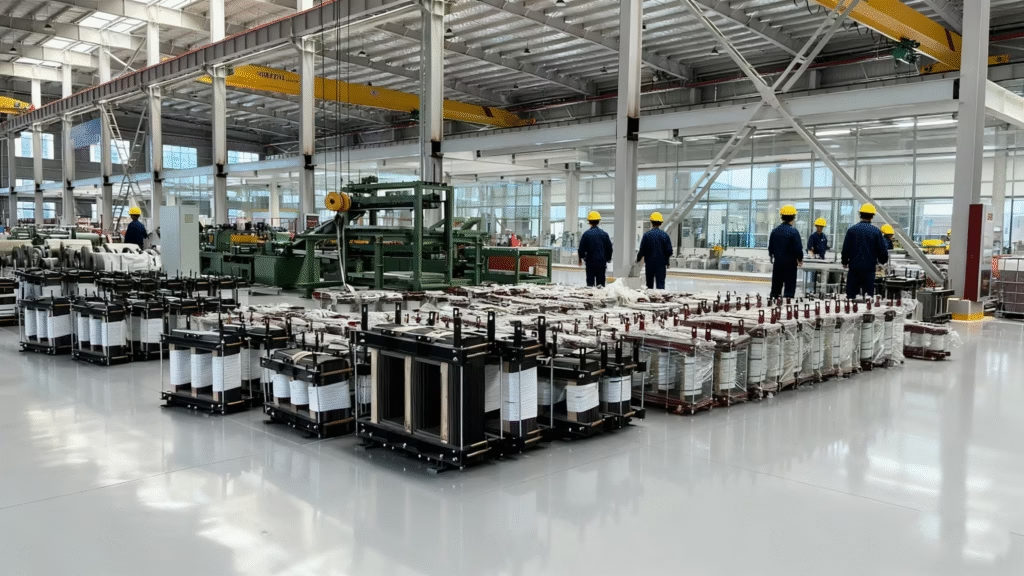
Dry type transformers are synonymous with safety—and for good reason. Their oil-free design eliminates two major risks: fire hazards and environmental contamination, making them the gold standard for indoor and regulated spaces.
Unmatched Safety Benefits
- Fire Resistance: Without flammable oil, dry type transformers pose minimal fire risk. Most models meet UL 94 V-0 flammability standards, meaning they self-extinguish if exposed to fire. This makes them ideal for high-occupancy buildings (schools, hotels) and critical infrastructure (data centers, power plants).
- Environmental Compliance: Dry type transformers align with global eco-standards (e.g., RoHS, REACH) and LEED certification requirements. They produce no hazardous waste, and their components (steel, copper) are fully recyclable at the end of their lifespan.
- Indoor Compatibility: Unlike oil-filled units, dry type transformers require no special ventilation or containment systems. They can be installed in basements, mechanical rooms, or even occupied floors—saving valuable space and reducing installation costs.
For a LEED Platinum-certified office tower, we integrated dry type transformers into the building’s core mechanical room. Their compact size and zero-emission design helped the project meet sustainability goals while ensuring reliable power for 2,000+ daily occupants.
Application Scenarios: Where Dry Type Transformers Excel
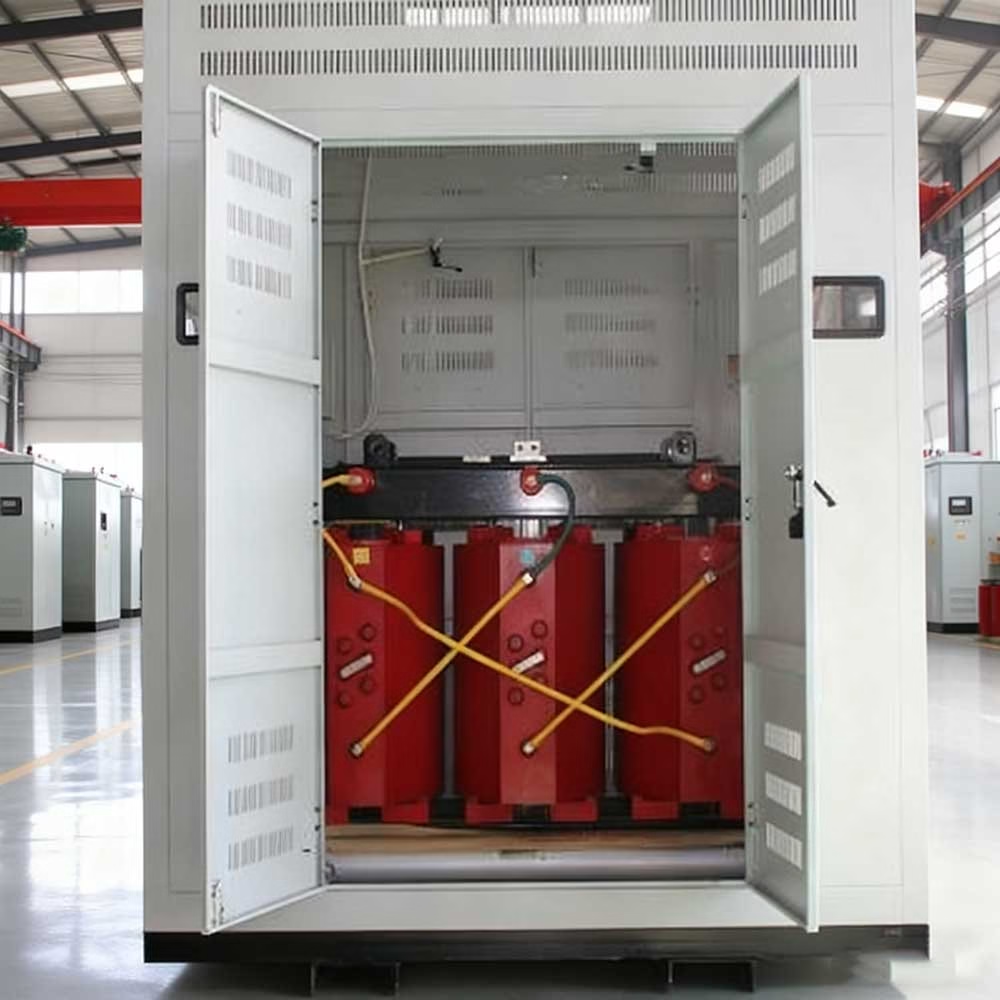
Dry type transformers thrive in environments where safety, space, and reliability are non-negotiable. Their versatility makes them a staple in industries ranging from healthcare to renewable energy—proving that oil-free power can handle even the most demanding applications.
Top Use Cases
- Healthcare Facilities: Hospitals and clinics rely on dry type transformers to power life-saving equipment (MRI machines, ventilators). Their low noise levels and fire safety also make them suitable for patient care areas.
- High-Rise Buildings: Skyscrapers and residential towers benefit from the compact design—dry type transformers fit in tight mechanical rooms or rooftop installations, eliminating the need for bulky oil containment.
- Data Centers & IT Facilities: The high-efficiency cooling systems and fire resistance of dry type transformers protect sensitive servers and reduce downtime. For a cloud computing facility, our units handled 24/7 load demands while maintaining temperature stability.
- Industrial Settings: Manufacturing plants and warehouses use dry type transformers in areas where oil leaks could damage equipment or disrupt production. They’re also ideal for dusty or humid environments (epoxy encapsulation prevents debris buildup).
- Renewable Energy Projects: Solar farms and wind turbines use dry type transformers to convert variable renewable energy into grid-compatible voltage. Their bi-directional power flow capability supports seamless integration with existing grids.
One notable installation was aboard a luxury cruise ship, where space and safety were paramount. Our compact dry type transformers replaced bulkier oil-filled units, freeing up cargo space while eliminating the risk of marine pollution from oil leaks.
Maintenance and Longevity: Preserving Dry Type Transformer Performance
Dry type transformers are low-maintenance workhorses—but regular care ensures they deliver decades of reliable service. Unlike oil-filled units, they require no fluid testing or replacement, focusing instead on keeping components clean and cool.
Essential Maintenance Practices
- Routine Inspections: Conduct quarterly visual checks for dust buildup, loose connections, or signs of overheating (discoloration, unusual odors). Use thermal imaging cameras to detect hotspots in windings or terminals.
- Cleaning: Keep air vents and cooling fans free of debris—dust accumulation reduces airflow and efficiency. Use dry brushing or compressed air (low pressure) to clean windings; avoid water or chemical cleaners.
- Environmental Control: Maintain operating temperatures between -20°C and 40°C (-4°F and 104°F) and humidity levels below 85% (non-condensing). Install dehumidifiers in damp locations (e.g., basement mechanical rooms).
- Electrical Testing: Perform annual insulation resistance tests (Megger tests) to check for degradation. For critical applications, conduct partial discharge testing every 3–5 years to identify hidden faults.
With proper maintenance, dry type transformers can last 25–30 years or more. We recently serviced a 35-year-old unit at a university campus—original windings and core were still in excellent condition, a testament to quality design and consistent care.
Conclusion
Dry type transformers are more than just electrical components—they’re the backbone of safe, sustainable power in modern spaces. From hospitals to skyscrapers, data centers to renewable energy farms, their oil-free design, fire safety, and versatility make them the smart choice for projects that prioritize people, performance, and the planet.
By understanding their design, advantages, and maintenance needs, you can leverage dry type transformers to enhance reliability, reduce costs, and meet environmental goals. Whether you’re building a new facility or upgrading existing infrastructure, these silent adapters deliver power that’s as safe as it is efficient.