
When selecting a transformer, transformer ratings and specifications are the foundation of reliable, efficient performance. Yet, countless utilities, businesses, and property managers make costly mistakes when choosing or interpreting these critical details—mistakes that lead to overheating, premature failure, unplanned downtime, and thousands in unnecessary expenses. Transformer ratings aren’t just numbers on a nameplate; they dictate how well the unit will handle your power needs, withstand environmental conditions, and integrate with your existing system.
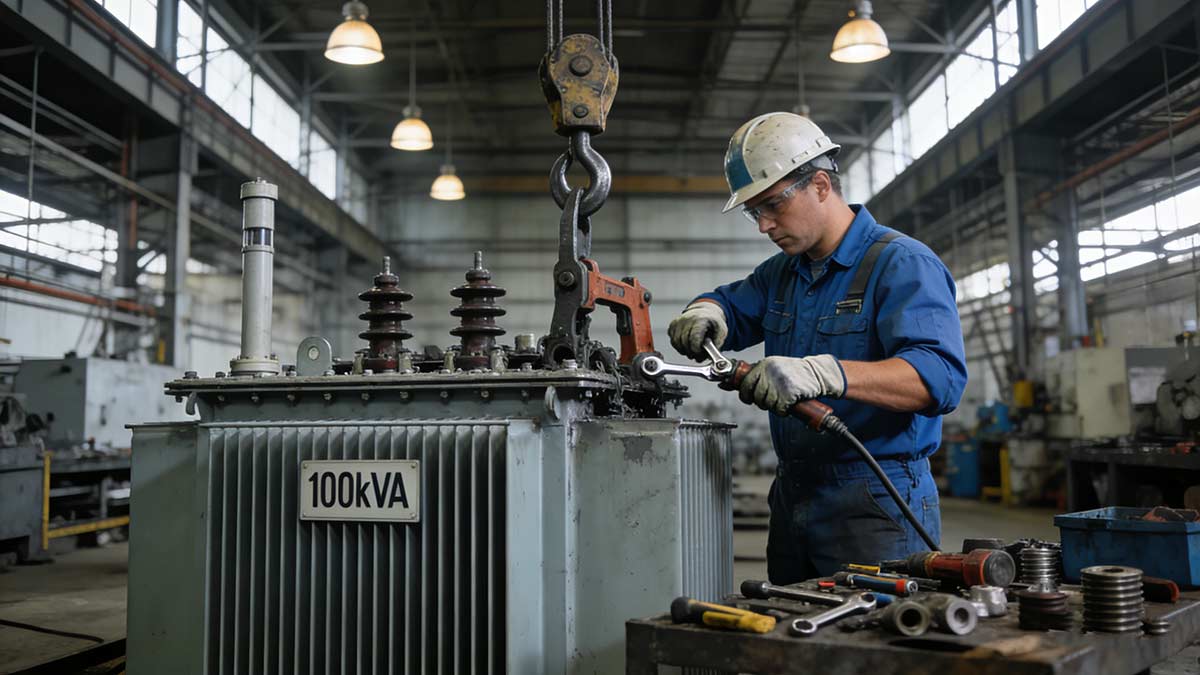
In this article, we break down the most common, expensive mistakes people make with transformer ratings and specifications, explain why they happen, and share actionable tips to avoid them—plus real-world case studies to illustrate the impact of getting it right (or wrong). By the end, you’ll have the knowledge to select the perfect transformer for your needs, avoid costly errors, and keep your power system running smoothly.
Contents
hide
Understanding Transformer Ratings & Specifications (The Basics You Can’t Ignore)
Before diving into the mistakes, it’s critical to grasp the key transformer ratings and specifications that matter most. These details are printed on the transformer’s nameplate, and misunderstanding even one can lead to disaster. Below are the core ratings you need to know, explained in simple terms—no overly technical jargon:
Key Transformer Ratings Explained
Every transformer has four non-negotiable ratings that determine its performance and compatibility. Ignoring or misinterpreting any of these is the #1 cause of costly mistakes:
- kVA Rating: Stands for kilovolt-ampere, and it measures the transformer’s load-carrying capacity. Think of it as the “power limit” of the transformer—exceeding it leads to overheating and failure.
- Voltage Rating: The maximum voltage the transformer can safely handle (input and output). This must match your power system’s voltage to avoid electrical arcing, short circuits, or damage to equipment.
- Phase Rating: Either single-phase (for residential or small commercial use) or three-phase (for industrial, commercial, or utility applications). Choosing the wrong phase leads to incompatible power delivery.
- Temperature Rating: The maximum temperature the transformer can operate at without degrading. This is critical for environments with extreme heat (e.g., factories, outdoor areas in hot climates).
Rating Type | What It Measures | Why It Matters |
|---|---|---|
kVA Rating | Load-carrying capacity | Prevents overloading, overheating, and premature failure |
Voltage Rating | Safe input/output voltage | Ensures compatibility with your power system; avoids electrical damage |
Phase Rating | Number of electrical phases | Matches the power needs of your facility (residential vs. industrial) |
Temperature Rating | Maximum safe operating temperature | Prevents insulation breakdown and extends transformer life |
Common Question: What’s the Difference Between kVA and kW?
Many people confuse kVA (kilovolt-ampere) and kW (kilowatt)—and this confusion leads to costly mistakes. kVA measures the transformer’s total power capacity (apparent power), while kW measures the actual power used by your equipment (real power). For most transformers, you’ll need to calculate your total kW load and then choose a kVA rating that’s 10–20% higher to account for power factor (a measure of how efficiently power is used). Choosing a kVA rating based solely on kW without accounting for power factor is a common error that leads to overloading.
7 Costly Mistakes with Transformer Ratings & Specifications (And How to Avoid Them)
Now that you understand the basics, let’s dive into the most common mistakes people make with transformer ratings and specifications. Each mistake is paired with real-world examples, the cost of getting it wrong, and simple steps to avoid it—so you can learn from others’ errors.
Mistake 1: Choosing the Wrong kVA Rating (Over or Under)
The kVA rating is the most critical transformer specification, yet it’s the one people get wrong most often. Either they choose a kVA rating that’s too small (under-sizing) or too large (over-sizing)—both lead to unnecessary costs and performance issues.
- Under-Sizing: Choosing a kVA rating lower than your actual load means the transformer has to work harder, leading to overheating, frequent breakdowns, and premature failure. The cost of repairs and downtime far exceeds the savings from buying a smaller unit.
- Over-Sizing: Choosing a kVA rating larger than needed wastes money upfront (larger transformers cost more) and wastes energy long-term (over-sized transformers are less efficient at low loads, increasing utility bills).
- Case Study: A small manufacturing plant in Indiana chose a 50 kVA transformer for their facility, assuming it would handle their load. Within 6 months, the transformer started overheating and making a loud noise—an inspection revealed the plant’s actual load was 70 kVA. The cost to replace the undersized transformer was $8,000, plus $5,000 in lost production from unplanned downtime. This could have been avoided by calculating the actual load before purchasing.
- How to Avoid It: Calculate your total load (in kW) and multiply by 1.2 (to account for power factor and future expansion). This gives you the minimum kVA rating you need. For example, a 60 kW load requires a 72 kVA transformer (60 x 1.2 = 72).
Mistake 2: Ignoring Voltage Rating Compatibility
Transformer voltage ratings (input and output) must match your power system’s voltage exactly. Ignoring this leads to electrical arcing, short circuits, damage to the transformer and connected equipment, and even safety hazards. This mistake is common when replacing an old transformer without checking the nameplate or assuming all transformers have the same voltage rating.
- Key Signs You’re Making This Mistake: Flickering lights, burning smells, tripped circuit breakers, or immediate transformer failure after installation.
- Case Study: A retail store in Florida replaced its old transformer with a new unit, assuming the voltage rating was the same. The old transformer had a 240V output, but the new one had a 480V output. Within minutes of turning it on, the transformer short-circuited, damaging $3,000 worth of store equipment and causing a 4-hour power outage. The cost to replace the transformer and damaged equipment totaled $12,000.
- How to Avoid It: Always check the voltage rating on your existing transformer (or your power system’s specifications) before purchasing a new one. Ensure the input voltage matches your utility’s supply, and the output voltage matches your equipment’s needs.
Mistake 3: Confusing Single-Phase vs. Three-Phase Ratings
Single-phase and three-phase transformers are not interchangeable—and choosing the wrong one leads to incompatible power delivery, equipment damage, and wasted money. Single-phase transformers are designed for low-load applications (residential homes, small offices), while three-phase transformers are for high-load applications (factories, commercial buildings, utilities).
- Common Scenario: A restaurant owner installed a single-phase transformer to power their commercial kitchen (which uses three-phase equipment like ovens, refrigerators, and compressors). The transformer failed within a month, as it couldn’t handle the three-phase load. The cost to replace it with a three-phase unit was $6,000, plus $2,000 in lost revenue from a day of closed operations.
- How to Avoid It: Determine if your equipment uses single-phase or three-phase power. Check your existing wiring (three-phase systems have four wires: three hot wires and one neutral) or consult an electrician if you’re unsure. Choose a transformer with a phase rating that matches your equipment.

Mistake 4: Overlooking Temperature Ratings for Harsh Environments
Transformer temperature ratings indicate the maximum temperature the unit can handle without degrading. Ignoring this in harsh environments (hot climates, factories with high heat, outdoor areas) leads to insulation breakdown, premature failure, and frequent repairs. Many people assume all transformers have the same temperature rating—but they don’t.
- Key Details: Most standard transformers have a temperature rating of 105°C (221°F), but high-temperature transformers (rated for 115°C or 130°C) are available for harsh environments. Using a standard transformer in a hot factory or outdoor area in Arizona, for example, will drastically reduce its lifespan.
- Case Study: A utility company in Texas installed standard 105°C transformers in outdoor distribution sites. During summer heatwaves (temperatures exceeding 100°F), the transformers overheated and failed at a rate of 20% per year. Replacing them with 130°C high-temperature transformers reduced failure rates by 80%, saving the company $15,000 per year in replacement costs.
- How to Avoid It: Assess your environment’s average and maximum temperatures. Choose a transformer with a temperature rating that’s 10–15°C higher than the maximum ambient temperature in your area.
Mistake 5: Neglecting Impedance Ratings (Critical for Grid Compatibility)
Impedance rating is a less well-known transformer specification, but it’s critical for utilities and large commercial facilities. Impedance measures how much the transformer resists electrical current—and it must match the grid or system it’s connected to. Neglecting impedance ratings leads to voltage fluctuations, poor performance, and damage to the transformer and grid.
- Common Mistake: Utilities often replace old transformers with new units that have different impedance ratings, assuming it won’t matter. This leads to voltage drops or surges, which can disrupt power to entire neighborhoods or facilities.
- Case Study: A utility company in Ohio replaced 10 old transformers with new units that had a higher impedance rating. Within weeks, customers reported flickering lights and power surges. The utility had to rework the transformers to match the grid’s impedance, costing $10,000 in labor and materials. This could have been avoided by checking the old transformer’s impedance rating before purchasing new ones.
- How to Avoid It: For utilities or large facilities, always check the impedance rating of your existing transformers or grid specifications. Choose a new transformer with an impedance rating that matches (or is within 1% of) the existing rating.
Mistake 6: Ignoring Environmental Specifications (IP Rating)
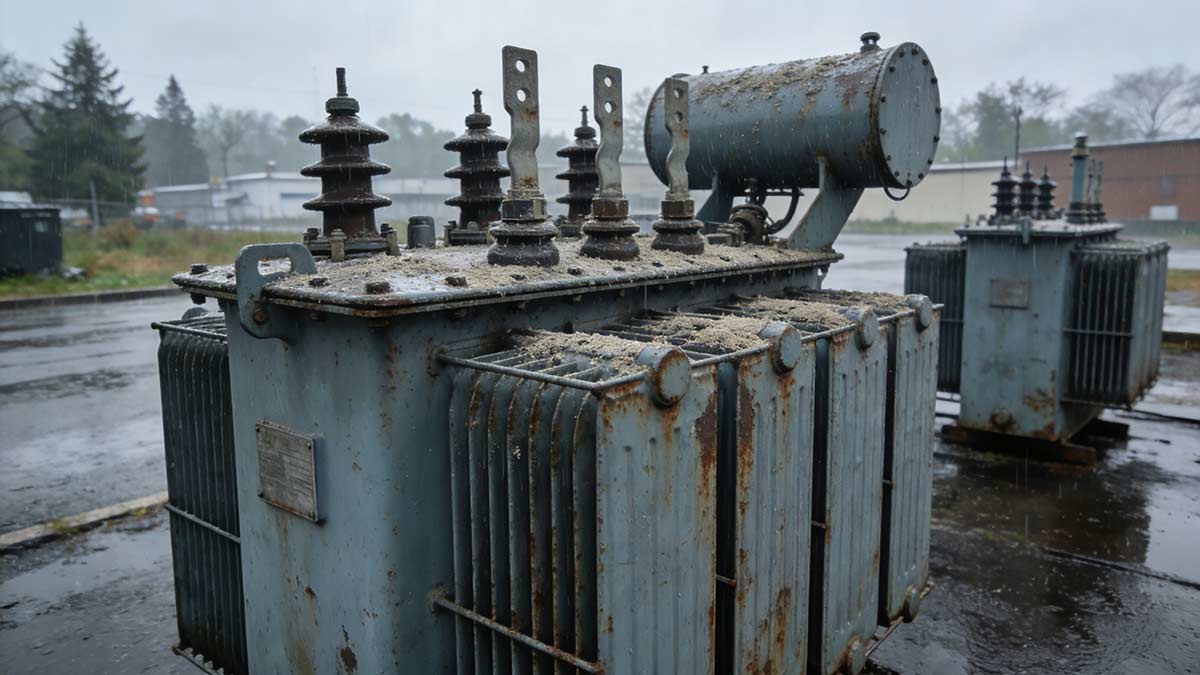
IP (Ingress Protection) rating is a transformer specification that indicates how well it’s protected from dust, water, and other environmental factors. Ignoring IP ratings leads to damage from moisture, dust, or debris—especially for outdoor or industrial transformers. Many people choose a standard IP rating without considering their environment, leading to premature failure.
- IP Rating Breakdown: The first number in an IP rating (e.g., IP54) measures dust protection (1 = low, 6 = full dust tight). The second number measures water protection (1 = light rain, 8 = submersion). For outdoor transformers, a minimum IP54 rating is recommended (dust-protected, protected from splashing water).
- Case Study: A warehouse in Washington installed a transformer with an IP43 rating (low dust and water protection) in an outdoor area. Heavy rain and dust caused the transformer to short-circuit within 8 months, costing $7,000 to replace and $3,000 in lost inventory due to a power outage. Using an IP54-rated transformer would have prevented this.
- How to Avoid It: Assess your environment—outdoor areas need a higher IP rating (IP54 or higher), while indoor areas (clean, dry) can use a lower IP rating (IP20 or IP30). Choose a transformer with an IP rating that matches your environment’s conditions.
Mistake 7: Not Accounting for Future Expansion
Many businesses and utilities choose a transformer based on their current load, without accounting for future expansion. This leads to undersized transformers as the load grows, requiring costly replacements or upgrades. Overlooking future expansion is a short-sighted mistake that costs thousands in the long run.
- Case Study: A growing manufacturing plant in Michigan chose a 100 kVA transformer based on its current load of 80 kVA. Within 2 years, the plant expanded, increasing its load to 120 kVA. The undersized transformer failed, and the plant had to shut down for 2 days to replace it with a 150 kVA unit. The total cost (replacement + lost production) was $25,000. If they had chosen a 150 kVA unit initially, they would have avoided this cost.
- How to Avoid It: When choosing a transformer, factor in 20–30% future load growth. This ensures the transformer can handle increased power needs as your business or facility expands, avoiding costly replacements later.
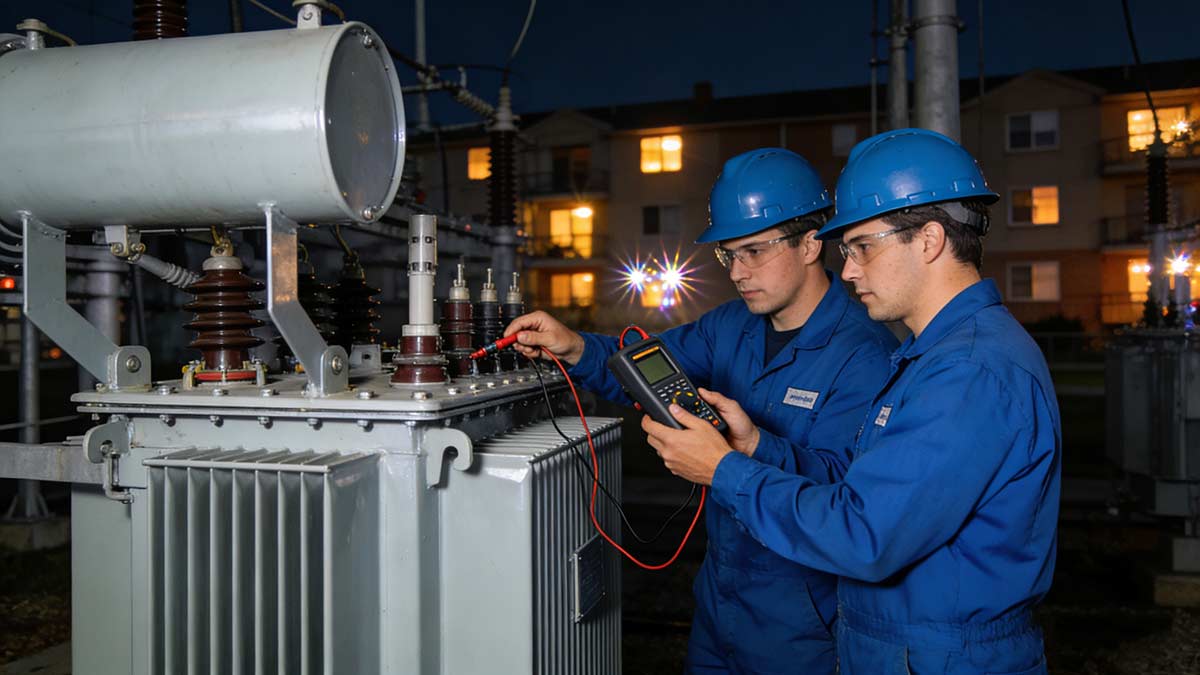
How to Choose the Right Transformer Ratings & Specifications (Step-by-Step Guide)
Avoiding the mistakes above starts with a systematic approach to choosing transformer ratings and specifications. Follow this step-by-step guide to select the perfect transformer for your needs—no guesswork required:
Step 1: Calculate Your Current and Future Load
- List all equipment that will be powered by the transformer, and note their kW ratings.
- Add up the total kW load (this is your current load).
- Multiply the total kW by 1.2–1.3 to account for power factor and 20–30% future expansion. This gives you the minimum kVA rating you need.
Step 2: Match Voltage Ratings to Your System
- Check your utility’s input voltage (e.g., 480V, 240V) and your equipment’s output voltage needs.
- Choose a transformer with input and output voltage ratings that match exactly. If you’re unsure, consult an electrician or your utility provider.
Step 3: Select the Correct Phase Rating
- Single-phase: For residential homes, small offices, or equipment that uses 120V/240V power (e.g., lights, small appliances).
- Three-phase: For industrial facilities, commercial buildings, or equipment that uses 480V power (e.g., motors, large machinery).
Step 4: Choose a Temperature Rating for Your Environment
- Measure the average and maximum ambient temperature in the area where the transformer will be installed.
- Select a transformer with a temperature rating that’s 10–15°C higher than the maximum ambient temperature.
Step 5: Check Impedance and IP Ratings (If Applicable)
- For utilities or large facilities: Match the transformer’s impedance rating to your grid or existing transformers.
- For outdoor or industrial use: Choose an IP rating that protects against dust, water, and other environmental factors (minimum IP54 for outdoor use).
Step 6: Verify Compliance with Safety Standards
- Ensure the transformer meets local safety and environmental standards (e.g., IEEE, ANSI standards for utilities).
- For oil immersed transformers, check that the oil meets environmental regulations (e.g., non-toxic, biodegradable).
Common FAQs About Transformer Ratings & Specifications
Even with the right guide, people still have questions about transformer ratings and specifications. Below are the most common FAQs, answered in simple terms to help you avoid confusion and costly mistakes:
FAQ 1: Can I Use a Transformer with a Higher kVA Rating Than My Load?
Yes, but only up to a point. A slightly higher kVA rating (10–20% above your load) is recommended to account for power factor and future expansion. However, a significantly higher kVA rating (50% or more) is a waste of money—oversized transformers cost more upfront and are less efficient at low loads, increasing your utility bills.
FAQ 2: What Happens If the Transformer’s Voltage Rating Doesn’t Match My System?
If the input voltage is too high, the transformer will overheat and fail. If the input voltage is too low, the transformer won’t deliver enough power to your equipment, causing it to run inefficiently or fail. If the output voltage is wrong, it will damage your connected equipment (e.g., motors, electronics).
FAQ 3: Do I Need a Three-Phase Transformer for a Commercial Building?
It depends on your load. Small commercial buildings (e.g., small offices, retail stores) with low loads can use single-phase transformers. Larger commercial buildings (e.g., malls, hotels) or those with heavy equipment (e.g., HVAC systems, elevators) will need three-phase transformers to handle the higher load.
FAQ 4: How Often Should I Check My Transformer’s Ratings?
You should check your transformer’s ratings whenever you’re replacing the unit, expanding your facility, or adding new equipment. Additionally, annual maintenance should include verifying that the transformer’s ratings are still compatible with your load and system.
Real-World Example: How One Utility Avoided Costly Transformer Rating Mistakes
A utility company in North Carolina was experiencing frequent transformer failures—costing them $50,000 per year in replacements and downtime. An audit revealed that the company was making two critical mistakes: choosing undersized transformers (not accounting for load growth) and ignoring temperature ratings in hot, humid areas.
- Action Taken: The utility calculated the current and future load for each distribution site, upgrading to kVA ratings that were 25% higher than the current load. They also replaced standard 105°C transformers with 130°C high-temperature units in outdoor areas.
- Results: Transformer failure rates dropped by 75%, saving the company $37,500 per year. The utility also reduced downtime by 80%, improving customer satisfaction.
This example shows that avoiding transformer rating mistakes isn’t just about saving money—it’s about improving reliability and customer trust.
When to Consult a Professional (And Why It’s Worth It)
While this guide covers the basics, some situations require the expertise of a transformer professional. Consulting a professional can help you avoid costly mistakes and ensure you choose the right transformer for your needs. Here are the times to reach out:
- You’re unsure about your load calculation or future expansion needs.
- You’re replacing a transformer in a utility or large industrial facility (impedance and grid compatibility are critical).
- Your environment is harsh (extreme heat, moisture, or dust), and you need help choosing the right temperature and IP ratings.
- You’ve had repeated transformer failures and can’t identify the cause.
A professional can conduct a load analysis, assess your environment, and recommend the perfect transformer ratings and specifications—saving you time, money, and frustration in the long run.
Conclusion: Get Transformer Ratings & Specifications Right to Avoid Costly Mistakes
Transformer ratings and specifications are not just technical details—they’re the key to reliable, efficient, and cost-effective power delivery. The mistakes outlined in this article—from choosing the wrong kVA rating to ignoring environmental specifications—cost businesses and utilities thousands of dollars each year in replacements, repairs, and downtime. By understanding the core transformer ratings, avoiding these common errors, and following the step-by-step guide to selecting the right unit, you can keep your transformer running smoothly, extend its life, and avoid unnecessary expenses.
Remember, taking the time to get transformer ratings and specifications right upfront is far cheaper than fixing mistakes later. Whether you’re replacing an old transformer, installing a new one, or expanding your facility, focusing on the right ratings will ensure your power system is reliable, efficient, and built to last. If you’re unsure about which transformer ratings and specifications are right for your needs, or if you need help avoiding costly mistakes, our team of transformer experts is here to help. We offer personalized guidance and high-quality transformers designed to meet your specific requirements—so you can avoid the pitfalls and keep your power system running at its best.