
Transformer oil draining is a vital maintenance task for ensuring the longevity and performance of oil immersed transformers—used widely in utilities, industrial facilities, and commercial buildings. When done correctly, it removes contaminated oil, prevents component wear, and extends the transformer’s service life.
However, even small errors during transformer oil draining can lead to costly failures, unplanned downtime, and expensive repairs. Top maintenance teams and utilities know that avoiding common draining mistakes is key to protecting their transformer assets. This article breaks down the 7 most critical transformer oil draining mistakes, explains their consequences, and shares actionable tips to do it right—all with real-world examples to reinforce key lessons.
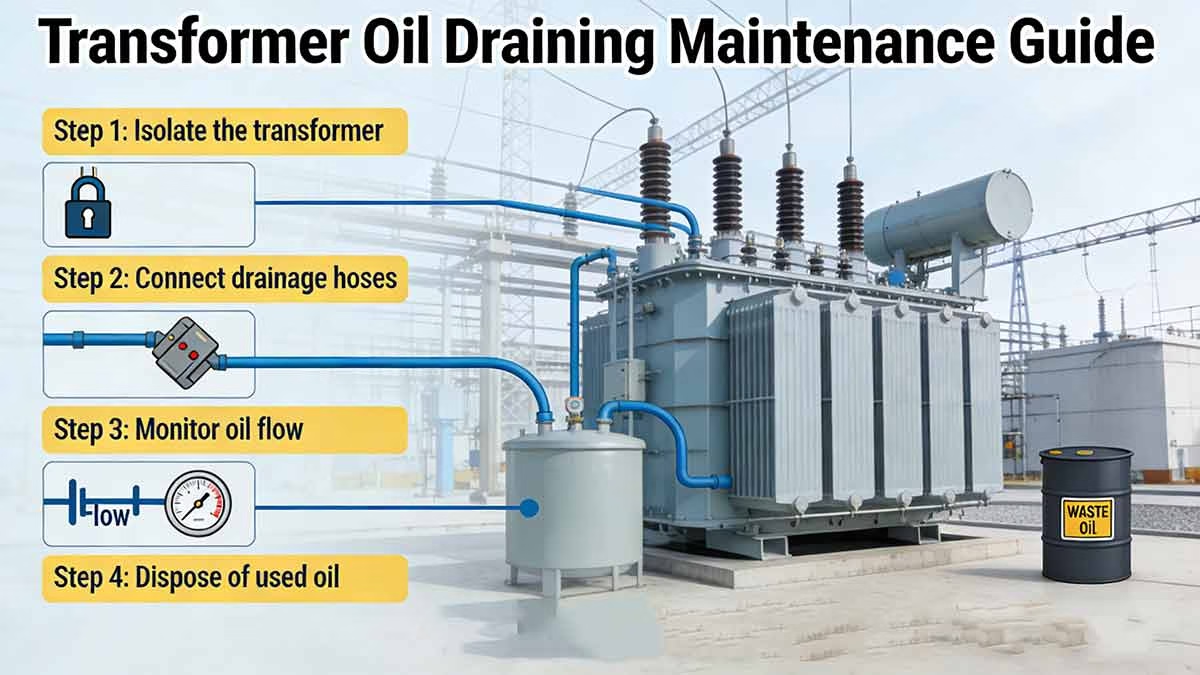
Why Transformer Oil Draining Matters (And Why Mistakes Are Costly)
Transformer oil serves two essential purposes: cooling the transformer’s core and windings, and insulating electrical components to prevent short circuits. Over time, oil becomes contaminated with moisture, dirt, sludge, and dissolved gases—all of which reduce its effectiveness. Transformer oil draining is the process of removing old, contaminated oil and replacing it with fresh, high-quality oil to restore performance. Skipping this task or doing it incorrectly leads to:
- Premature transformer failure can cost $10,000–$100,000+ to repair or replace, depending on the transformer size.
- Unplanned downtime, disrupting power delivery to homes, businesses, or industrial operations, costs utilities and facilities thousands in lost revenue or penalties.
- Increased maintenance costs, as contaminated oil accelerates wear on core, windings, and seals.
- Safety risks, including electrical arcing, fires, or oil leaks caused by degraded oil and component damage.
Case Study: A mid-sized industrial facility skipped regular transformer oil draining for three years, assuming “minor contamination wouldn’t hurt.” When the transformer failed unexpectedly, it caused a 48-hour production shutdown, costing the company $80,000 in lost revenue. An inspection revealed sludge buildup from undrained oil had damaged the windings—repairs cost an additional $35,000. This could have been avoided with proper, timely transformer oil draining.
Common Question: How often should transformer oil be drained? For most oil immersed transformers, oil draining and replacement are recommended every 5–10 years, depending on usage, environmental conditions, and oil quality testing results. High-load or harsh-environment transformers may need more frequent draining (every 3–5 years).
7 Critical Transformer Oil Draining Mistakes That Cause Costly Failures
Even experienced maintenance teams can make mistakes during transformer oil draining—many of which seem small but have severe long-term consequences. Below are the 7 most common mistakes, along with their impacts and how to avoid them.
Mistake 1: Draining Oil Without Proper Preparation
One of the most frequent and costly mistakes is rushing into transformer oil draining without preparing the transformer, tools, or workspace. Preparation is key to avoiding contamination, component damage, and safety hazards. Common preparation oversights include:
- Not shutting down the transformer properly: Failing to de-energize, cool down, and isolate the transformer before draining can lead to electrical shocks, oil overheating, or damage to hot components.
- Missing tools or supplies: Running out of fresh oil, drain pans, filters, or seals mid-process forces delays, increasing the risk of contamination as the transformer sits open.
- Ignoring safety gear: Not wearing gloves, goggles, or protective clothing exposes workers to hot oil, chemical irritation, or electrical hazards.
Consequences: Improper preparation can cause oil spills, electrical shocks, contaminated fresh oil, or damage to the transformer’s core and windings. In one case, a utility team failed to cool the transformer before draining—hot oil splashed, causing burns to a worker and contaminating the surrounding area, leading to a $15,000 cleanup cost.
How to Avoid It: Create a step-by-step preparation checklist:
- De-energize and lock out the transformer 24–48 hours before draining to allow it to cool to room temperature.
- Gather all tools: drain pans, hoses, filters, fresh oil, seals, wrenches, and safety gear (gloves, goggles, protective clothing).
- Inspect the drain valve and the surrounding area for leaks or damage before starting.
- Clear the workspace of debris, flammable materials, and unnecessary personnel.

Mistake 2: Not Testing Oil Before Draining
Many maintenance teams drain transformer oil on a strict schedule without testing its quality first. While regular draining is important, testing oil quality tells you when to drain it—and whether partial draining (instead of full replacement) is sufficient. Skipping oil testing leads to two costly issues:
- Draining oil too early: Wasting money on unnecessary oil replacement and labor.
- Draining oil too late: Allowing contaminated oil to damage transformer components, leading to premature failure.
Table: Key Transformer Oil Tests to Perform Before Draining
Test Type | What It Measures | When to Drain (If Result Exceeds) |
|---|---|---|
Moisture Content | Amount of water in the oil (causes corrosion and insulation failure) | 20 ppm (parts per million) |
Acid Number | Acidity level (indicates oil degradation) | 0.2 mg KOH/g |
Sludge Content | Solid particles in the oil (cause blockages and component wear) | 0.1% |
Dissolved Gas Analysis (DGA) | Gases from internal faults (e.g., arcing, overheating) | Abnormal gas levels (e.g., high methane or ethylene) |
Example: A commercial building maintenance team drained their transformer oil every 5 years on schedule, but never tested it. After 10 years, the transformer failed—inspection showed the oil had high moisture content (35 ppm) for years, corroding the windings. Testing would have revealed the issue earlier, allowing for partial draining and treatment, saving $20,000 in replacement costs.
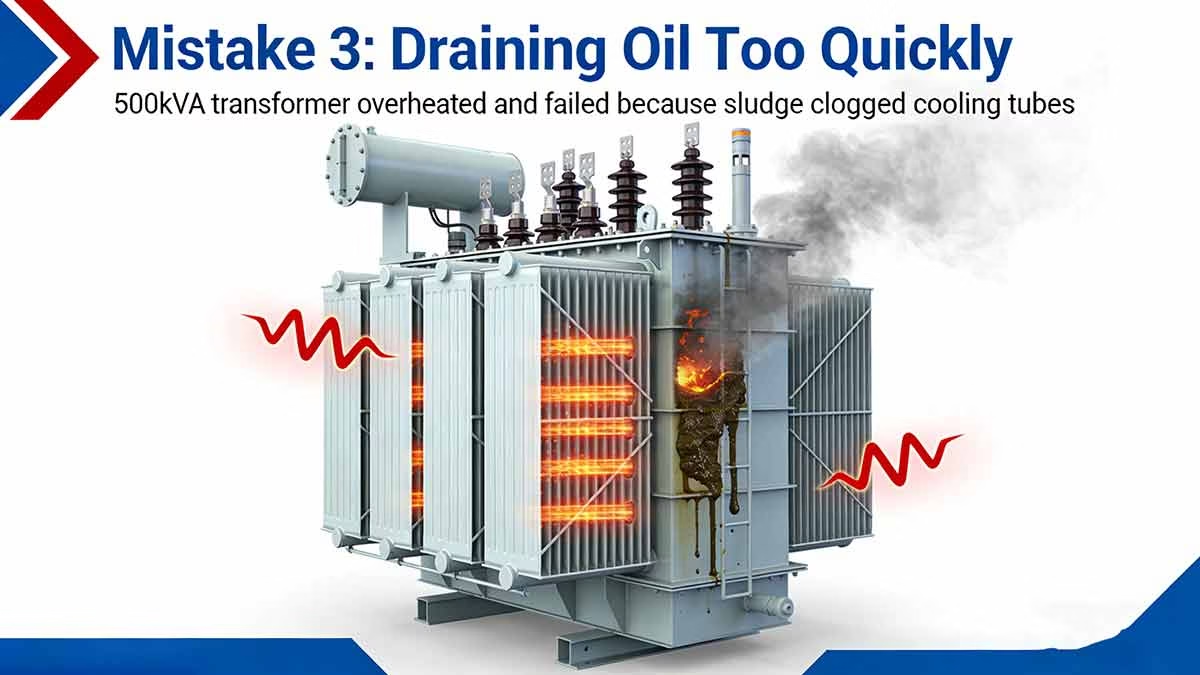
Mistake 3: Draining Oil Too Quickly
Rushing the transformer oil draining process by opening the drain valve fully to empty the tank quickly may seem efficient, but it causes more harm than good. Draining oil too fast creates pressure imbalances and turbulence inside the transformer, leading to:
- Sludge and debris being stirred up: Instead of draining out, sludge settles in the transformer’s corners, windings, or cooling tubes—remaining to cause damage.
- Air suction: Fast draining creates a vacuum inside the tank, pulling air (and moisture) into the transformer through seals or gaskets. Moisture in the tank leads to corrosion and insulation failure.
- Damage to the drain valve: High oil flow can wear out the valve seal, causing leaks in the future.
Consequences: A utility team drained a 500kVA transformer in 30 minutes (instead of the recommended 2–3 hours). The fast flow stirred up sludge, which clogged the cooling tubes. Six months later, the transformer overheated and failed, costing $45,000 in repairs and 24 hours of unplanned downtime.
How to Avoid It: Drain oil slowly and steadily—aim for a flow rate of 1–2 gallons per minute (depending on transformer size). Open the drain valve partially, and monitor the flow to ensure it’s consistent. If sludge is present, pause draining periodically to allow sludge to settle, then resume.
Mistake 4: Allowing Contamination During Draining
Transformer oil is highly sensitive to contamination—even small amounts of dirt, moisture, or foreign particles can render fresh oil ineffective and damage the transformer. Common contamination mistakes during transformer oil draining include:
- Using dirty drain pans or hoses: Contaminants from old oil or debris in the tools transfer to the transformer’s tank or fresh oil.
- Leaving the transformer tank open for too long: Exposure to air, dust, rain, or humidity introduces moisture and dirt.
- Adding fresh oil from unsealed containers: Unsealed oil containers collect moisture and contaminants, which are then poured into the transformer.
Common Question: Can contaminated transformer oil be cleaned and reused? In some cases, yes—oil can be filtered or treated to remove contaminants. However, if the oil is severely degraded (high acid number, excessive sludge), replacement is the only safe option.
How to Avoid Contamination: Take these precautions during draining and refilling:
- Clean all tools (drain pans, hoses, funnels) thoroughly with a lint-free cloth before use—avoid using water, which introduces moisture.
- Keep the transformer tank covered as much as possible during draining and refilling; use a clean cover or tarp if needed.
- Only use fresh, sealed transformer oil that meets industry standards (e.g., IEC 60296, ASTM D3487).
- Filter fresh oil before pouring it into the transformer to remove any potential contaminants.
Mistake 5: Neglecting to Inspect Components During Draining
Transformer oil draining is an ideal time to inspect internal and external components—yet many teams skip this step, missing early signs of damage. The transformer tank is empty, providing easy access to check for issues that would otherwise go unnoticed, such as:
- Winding damage: Cracks, burns, or corrosion on the windings (caused by contaminated oil or overheating).
- Seal wear: Dried, cracked, or leaking seals around the tank, valves, or bushings.
- Sludge buildup: Excessive sludge in the tank, which indicates poor oil maintenance.
- Corrosion: Rust or corrosion on the tank’s interior or components (caused by moisture).
Consequences: A manufacturing plant skipped component inspection during transformer oil draining. Six months later, a worn seal caused an oil leak—leading to a fire that damaged the transformer and nearby equipment, costing $120,000 in repairs and downtime. The worn seal would have been easy to spot and replace during the draining process for just $200.
How to Avoid It: Allocate 30–60 minutes during draining to inspect components:
- Use a flashlight to check the interior of the tank for sludge, corrosion, or winding damage.
- Inspect all seals and gaskets for wear—replace any that are cracked, dried, or leaking.
- Check the drain valve for damage or leaks; replace the valve if it’s worn.
- Document any issues found and address them before refilling with fresh oil.

Mistake 6: Refilling With the Wrong Type or Grade of Oil
Not all transformer oil is the same—using the wrong type or grade during refilling is a costly mistake that compromises the transformer’s performance and longevity. Common errors include:
- Using mineral oil instead of synthetic oil (or vice versa) when the transformer requires a specific type.
- Using oil with the wrong viscosity: Oil that’s too thick won’t flow properly, reducing cooling efficiency; oil that’s too thin won’t provide adequate insulation.
- Mixing different types of oil: Mixing mineral and synthetic oil, or different grades, can cause chemical reactions that degrade oil quality and damage components.
Table: Common Transformer Oil Types and Their Uses
Oil Type | Key Benefits | Best For |
|---|---|---|
Mineral Oil | Cost-effective, good cooling and insulation properties | Standard oil immersed transformers in moderate environments |
Synthetic Oil (e.g., FR3) | Fire-resistant, longer lifespan, better for harsh environments | Transformers in high-risk areas (e.g., near homes, forests) or harsh climates |
Silicone Oil | Extreme temperature resistance, non-toxic | Transformers in very cold or very hot environments |
Example: A utility replaced transformer oil with a lower-viscosity mineral oil than recommended. The oil didn’t flow properly, leading to poor cooling. Within a year, the transformer overheated and failed, costing $50,000 in repairs. The mistake could have been avoided by checking the transformer’s manual for the correct oil type and grade.
Mistake 7: Skipping Post-Draining Testing and Maintenance
Transformer oil draining doesn’t end when the fresh oil is poured in—skipping post-draining testing and maintenance is a common mistake that leads to hidden issues. After refilling, it’s critical to verify that the transformer is operating correctly and the new oil is free of contaminants. Common post-draining oversights include:
- Not testing the fresh oil after refilling: Even new oil can be contaminated during pouring, so testing ensures it meets quality standards.
- Not bleeding air from the transformer: Air trapped in the tank can cause overheating, arcing, or oil foaming.
- Not checking for leaks: New seals or valves may leak, leading to oil loss and contamination.
- Not restarting the transformer properly: Rushing to energize the transformer before it’s ready can cause component damage.
Consequences: A commercial facility refilled its transformer with fresh oil but didn’t bleed air from the tank. Air trapped in the cooling system caused the transformer to overheat, tripping the circuit breaker and disrupting power for 8 hours. The facility lost $10,000 in revenue, and the transformer required additional maintenance to fix the issue.
How to Avoid It: Follow these post-draining steps:
- Test the fresh oil for moisture, acidity, and contamination within 24 hours of refilling.
- Bleed air from the transformer by opening the air release valves (usually located at the top of the tank) until oil flows out without bubbles.
- Check all seals, valves, and connections for leaks—wipe the area clean and monitor for oil spots over 24 hours.
- Energize the transformer gradually, monitoring temperature and pressure to ensure it’s operating correctly.

Best Practices for Safe, Effective Transformer Oil Draining
Avoiding the 7 mistakes above is key, but following these best practices will further ensure your transformer oil draining process is safe, effective, and cost-efficient:
Create a Detailed Maintenance Schedule
Base your transformer oil draining schedule on oil quality testing, not just time. Test oil every 1–2 years, and drain/replace it when test results exceed industry standards. For high-load or harsh-environment transformers, test more frequently (every 6–12 months).
Train Maintenance Teams Properly
Ensure all team members involved in transformer oil draining are trained on proper procedures, safety protocols, and mistake prevention. Regular training reduces human error and ensures consistency in the process.
Use High-Quality Tools and Materials
Invest in clean, well-maintained tools (drain pans, hoses, filters) and high-quality transformer oil that meets industry standards. Cutting corners on tools or oil leads to costly mistakes and failures.
Document Every Step
Keep detailed records of each transformer oil draining process, including: test results before and after draining, oil type used, inspection findings, and any repairs or replacements made. This documentation helps track maintenance history and identify patterns or potential issues early.
Conclusion: Avoid These Mistakes to Protect Your Transformer Investment
Transformer oil draining is a critical maintenance task that, when done correctly, extends your transformer’s service life and prevents costly failures. The 7 mistakes outlined in this article—from improper preparation to skipping post-draining testing—are avoidable with careful planning, proper training, and attention to detail. By following best practices and steering clear of these pitfalls, you can protect your transformer assets, reduce maintenance costs, and minimize unplanned downtime.
Whether you’re a utility, industrial facility, or commercial building, proper transformer oil draining is essential to keeping your power systems running smoothly. If you’re unsure about how to perform transformer oil draining correctly, or if you need guidance on oil testing, component inspection, or oil selection, our team of transformer experts is here to help. We offer tailored solutions to ensure your transformers remain reliable and efficient for years to come—reach out to learn more about our transformer maintenance services and high-quality products.