
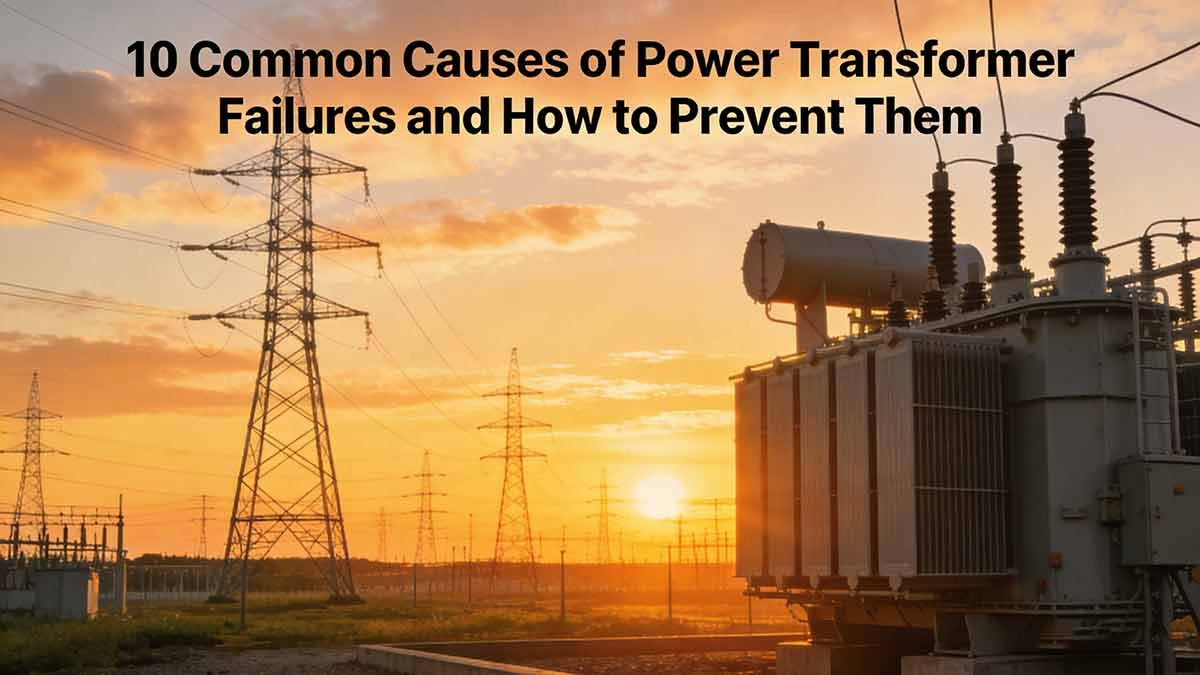
Power transformer failures are one of the most disruptive and costly issues facing utilities, industrial plants, and commercial facilities. When a critical transformer breaks down unexpectedly, the result is immediate downtime, lost productivity, expensive emergency repairs, and in some cases, safety hazards. Understanding the most frequent causes of power transformer failures can help teams reduce risks, extend equipment life, and avoid unnecessary shutdowns.
In this guide, we break down the 10 common faults that lead to power transformer failures, explain how each issue develops, and share practical steps to detect and prevent these problems early.
Contents
hide
Understanding Power Transformer Failures and Their Impact
Power transformers are essential components in electrical distribution systems. They step the voltage up or down to ensure safe and efficient power delivery. Even small faults can quickly escalate into full transformer failures if not addressed early.
The true cost of transformer downtime includes:
- Lost production or service interruptions
- Emergency repair and replacement costs
- Overtime labor for rapid troubleshooting
- Fines or penalties for missed service obligations
- Long-term damage to reputation and customer trust
Many power transformer failures are not sudden. They develop slowly over months or years due to poor maintenance, environmental stress, or manufacturing defects. Recognizing early warning signs can prevent minor issues from becoming catastrophic failures.
Common Causes of Power Transformer Failures
Below are the 10 most frequent faults that directly lead to power transformer failures and costly downtime.
1. Insulation Degradation
Insulation breakdown is the leading cause of power transformer failures. Over time, insulation materials deteriorate due to heat, electrical stress, moisture, and chemical contamination.
Key factors include:
- Prolonged exposure to high operating temperatures
- Thermal cycling during load fluctuations
- Moisture entering the transformer tank
- Contamination from degraded oil
When insulation weakens, it can no longer prevent electrical arcing between windings. This eventually causes short circuits and permanent transformer failure.
2. Oil Contamination and Oil Degradation
Oil serves as both a coolant and an insulator in oil-immersed transformers. When oil becomes contaminated or degraded, it loses its ability to protect internal components.
Common issues include:
- Moisture absorption from the air
- Oxidation that forms sludge and acids
- Particulate contamination from wear and corrosion
- Mixing of incompatible oil types
Dirty or degraded oil reduces cooling efficiency, accelerates insulation damage, and increases the risk of power transformer failures.

3. Overloading and Thermal Overheating
Transformers are designed to operate within specific load limits. Consistent or sudden overloading causes extreme heat buildup that damages windings, insulation, and structural components.
Risks from overloading:
- Accelerated insulation aging
- Thermal expansion stress
- Oil breakdown and oxidation
- Increased probability of short circuits
Many facilities experience overloads during peak production hours or seasonal demand spikes, which significantly increase the chance of transformer failures.
4. Winding Damage and Short Circuits
Winding faults are among the most severe causes of power transformer failures. When windings become displaced, damaged, or contaminated, short circuits occur.
Typical causes:
- Vibration during transportation or operation
- Loose clamping structures
- Insulation failure between turns or phases
- Lightning or switching surges
A single winding short circuit can disable a transformer immediately, leading to unplanned downtime and expensive rewinding or replacement.
5. Tap Changer Problems
On-load tap changers and off-circuit tap changers allow voltage adjustment. Mechanical or electrical faults in tap changers are frequent contributors to power transformer failures.
Common tap changer faults:
- Worn or pitted contacts
- Poor lubrication and mechanical wear
- Misalignment during operation
- Lack of routine maintenance
Tap changer issues often cause unstable voltage, overheating, and arcing, which can spread to other transformer components.
6. Bushings Failures
Bushings insulate high-voltage conductors where they exit the transformer tank. They are exposed to weather, pollution, and electrical stress, making them prone to failure.
Typical bushing problems:
- Cracking or deterioration of insulation
- Moisture ingress
- Contamination from dust, salt, or chemicals
- Partial discharge activity
Bushing failures can cause flashovers, oil leaks, and sudden transformer shutdowns.
7. Mechanical Damage and Poor Installation
Physical and mechanical stress often leads to premature power transformer failures. These issues frequently begin during transportation, installation, or on-site handling.
Common mechanical faults:
- Loose bolts, brackets, or core components
- Improper lifting or transportation
- Uneven foundation or misalignment
- Vibration from nearby equipment
Mechanical weaknesses worsen over time and eventually lead to structural failure or electrical faults.
8. Voltage Surges and Lightning Strikes
External electrical disturbances such as lightning strikes, switching surges, and system faults can send dangerous voltage spikes into transformers.
Effects of surges:
- Insulation puncture
- Winding displacement
- Internal arcing
- Immediate or delayed failure
Even small surges can weaken insulation over time, making transformers more susceptible to future failures.
9. Corrosion and Environmental Damage
Transformers installed outdoors or in harsh environments face corrosion, oxidation, and material degradation. Coastal areas, industrial zones, and polluted locations are especially high-risk.
Environmental threats:
- Salt spray corrosion
- Chemical fumes and industrial pollution
- Extreme temperature changes
- Water ingress through damaged seals
Corrosion weakens tanks, bases, and connections, leading to oil leaks and internal contamination.
10. Lack of Preventive Maintenance
Many power transformer failures are not caused by sudden defects but by long-term neglect. Inadequate maintenance allows small issues to develop into catastrophic faults.
Common maintenance gaps:
- Infrequent oil testing and analysis
- Missing visual inspections
- Delayed repairs of minor leaks
- Ignoring alarms or abnormal readings
A structured maintenance program is the most effective way to prevent unexpected transformer downtime.
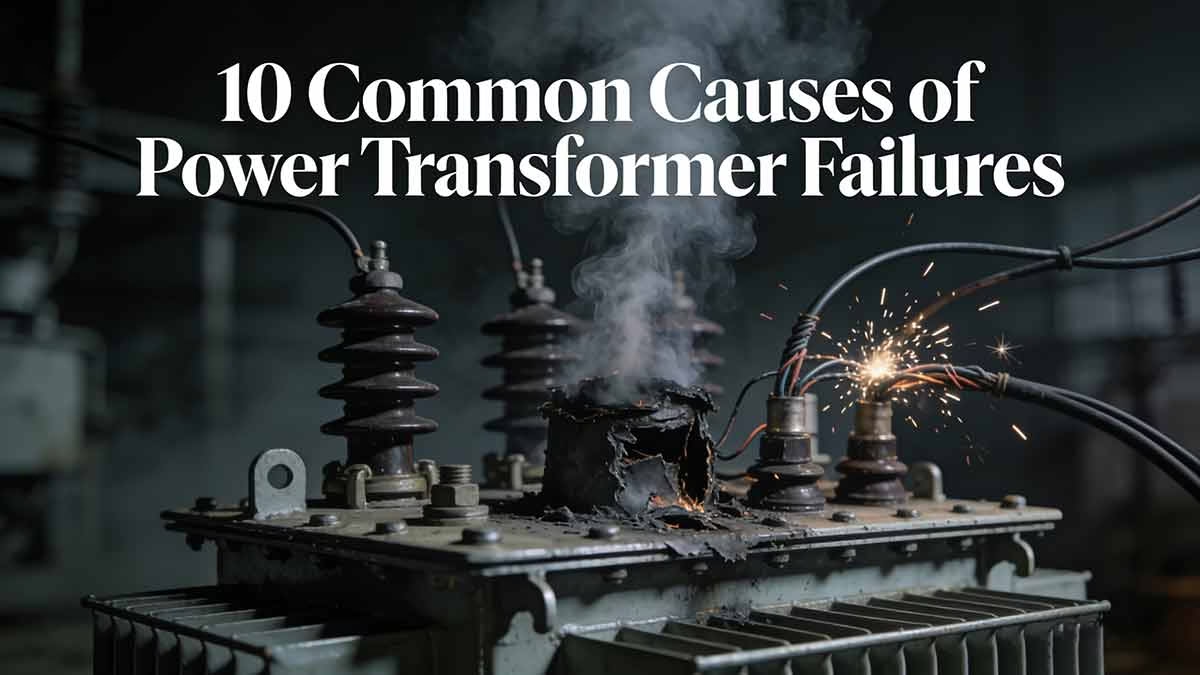
How to Identify Early Warning Signs of Transformer Faults
Detecting faults before they become power transformer failures can save thousands in repair costs and reduce downtime.
Key warning signs to monitor:
- Abnormal noises such as buzzing, humming, or cracking
- Increased operating temperature
- Oil leaks or discoloration
- Unusual electrical readings or voltage instability
- Gas accumulation in oil preservation systems
Early intervention through testing and minor repairs can extend transformer life by years.
Comparison of Common Transformer Faults and Their Impacts
| Type of Fault | Speed of Failure | Risk Level | Typical Downtime | Preventable? |
|---|---|---|---|---|
| Insulation Degradation | Slow | High | Extended | Yes |
| Oil Contamination | Slow | Medium | Moderate | Yes |
| Overloading | Gradual | High | Extended | Yes |
| Winding Short Circuits | Sudden | Critical | Severe | Partially |
| Tap Changer Faults | Variable | Medium | Moderate | Yes |
| Bushing Failures | Sudden | Critical | Severe | Partially |
| Mechanical Damage | Variable | Medium | Moderate | Yes |
| Voltage Surges | Sudden | Critical | Severe | Partially |
| Environmental Corrosion | Slow | Medium | Moderate | Yes |
| Poor Maintenance | Slow | High | Extended | Yes |
This table shows that most power transformer failures are either fully or partially preventable with proper care and monitoring.
The Real Cost of Power Transformer Failures
The financial impact of transformer downtime goes far beyond repair bills. For industrial and utility operations, every hour of downtime can result in significant revenue loss.
Typical costs include:
- Emergency service calls and rush repairs
- Transformer replacement or rewinding
- Lost production and missed deadlines
- Temporary power solutions, such as generators
- Labor costs for troubleshooting and recovery
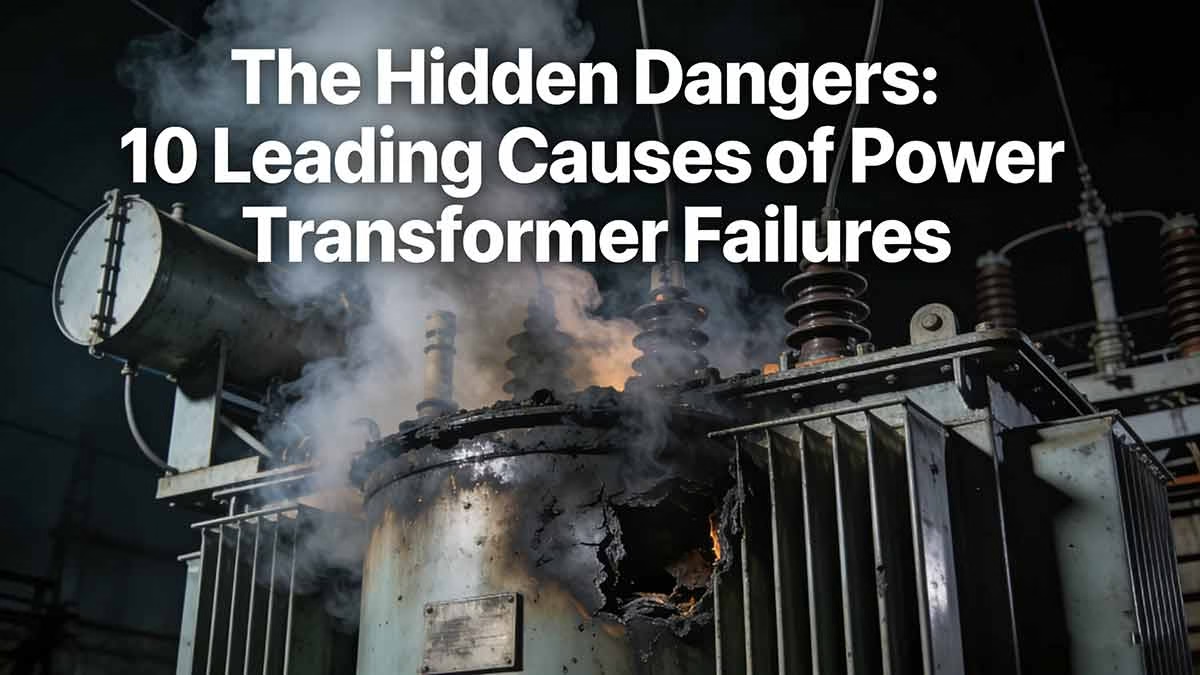
In many cases, the total cost of a single failure is several times higher than the cost of a proactive maintenance program.
How to Reduce the Risk of Transformer Failures
Preventing power transformer failures requires a consistent, proactive approach.
Effective strategies include:
- Regular oil testing, filtration, and replacement
- Scheduled visual and electrical inspections
- Load monitoring to avoid overloading
- Correct installation and foundation support
- Lightning and surge protection
- Environmental protection, such as corrosion resistance
- Staff training on fault recognition and response
Facilities that follow these practices report significantly fewer transformer failures and much lower downtime costs.
Conclusion
Power transformer failures are a major source of costly downtime, safety risks, and operational disruption for utilities, industries, and commercial facilities. The 10 common faults covered—from insulation degradation and oil contamination to overloading, winding damage, and poor maintenance—are responsible for most unexpected transformer shutdowns.
By understanding these failure causes, recognizing early warning signs, and implementing consistent preventive maintenance, teams can greatly reduce the risk of power transformer failures and protect their operations from unnecessary downtime.
If you want to improve transformer reliability, extend service life, and avoid costly failures, working with high-quality transformers and expert support can provide long-term stability and peace of mind.